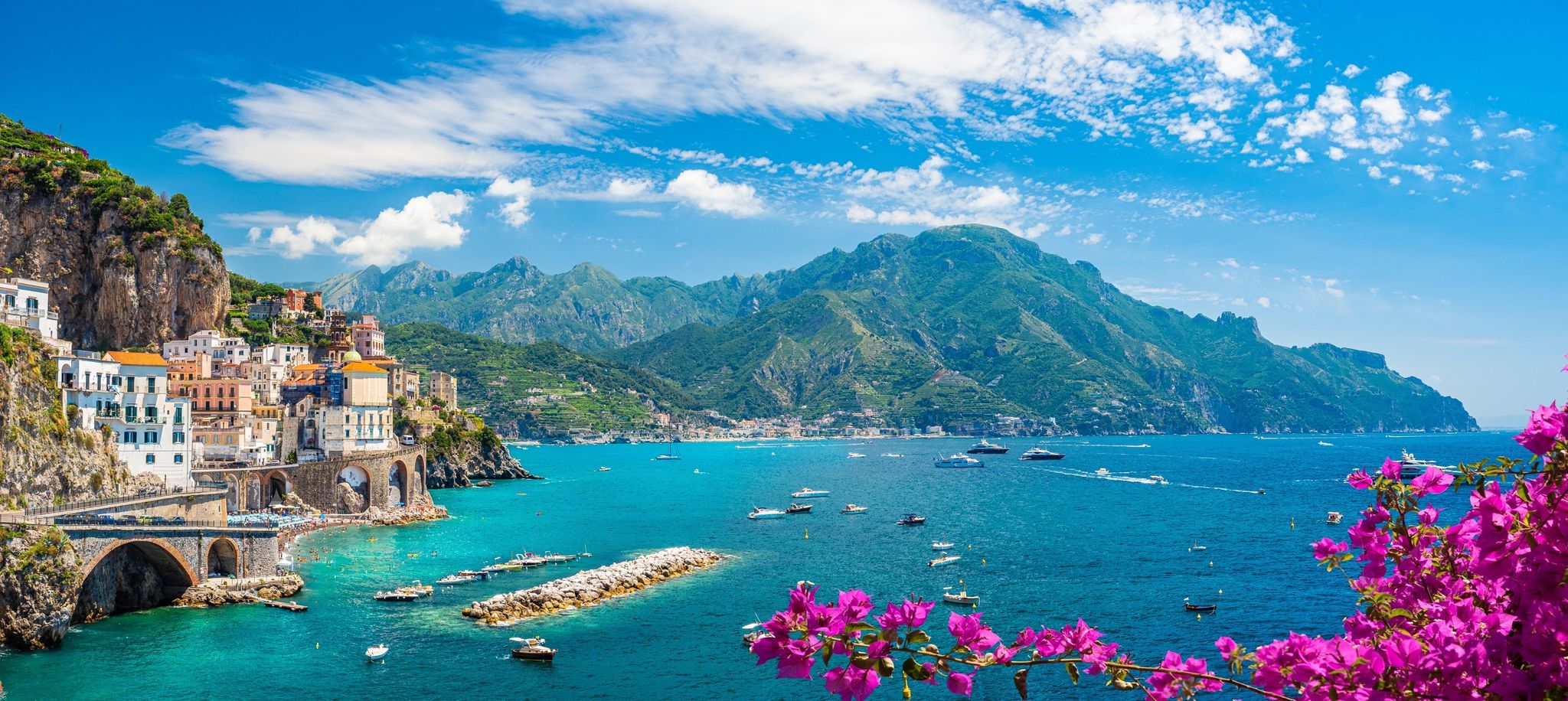
Daytrip's Amalfi Coast guide
The Sorrentine Peninsula is one of Italy's most recognizable coastlines. Most people know it as the Amalfi Coast, but that name covers only the southern side. The full region is a spur of the Lattari mountains running into the sea south of Naples, with Sorrento on the north, above the Bay of Naples, and the Amalfi Coast proper on the south. A single road, the SS163, threads the southern villages together, carved into the cliffs.
The history runs deeper than the beach resorts suggest. A thousand years ago, Amalfi was a major sea power, one of Italy's four maritime republics, credited with perfecting the sailor’s compass, until a tsunami in 1343 ended its reign and left the small port you see today. Sorrento goes back to the Romans, and Positano stayed a fishing village until a 1953 essay by John Steinbeck made its pastel buildings world-famous. Each town still keeps its own character: Amalfi its striped cathedral, Ravello its high gardens, Sorrento its view of Vesuvius, and the island of Capri off the tip.
None of this is a secret, of course, so planning around it is essential. The coast is one of Italy's busiest, and in high summer the towns fill by mid-morning. Come in spring or early fall, see the region by car so you can reach the quiet villages between the famous names, and let the lemons, the seafood, and the slow pace do the rest.
Nearest airports:
- Naples International Airport (NAP)
- Salerno Costa d'Amalfi Airport (QSR)

About the author
Ján Tompkins is a Prague-based travel writer with a passion for arts and culture. His travels are shaped as much by museum exhibitions as by bakeries, greasy spoons, and funny signage. His favorite trip to Italy has been to the quiet clifftop Sorrentine town of Vico Equense.
Towns along the coast
The Amalfi Coast packs a lot into a short, winding stretch of road. These six towns are our travelers’ favorites, each with a different draw, from Positano's pastel cliffs to Ravello's gardens. Here is what makes each one worth a stop.
The Amalfi Coast packs a lot into a short, winding stretch of road. These six towns are our travelers’ favorites, each with a different draw, from Positano's pastel cliffs to Ravello's gardens. Here is what makes each one worth a stop.

Sorrento
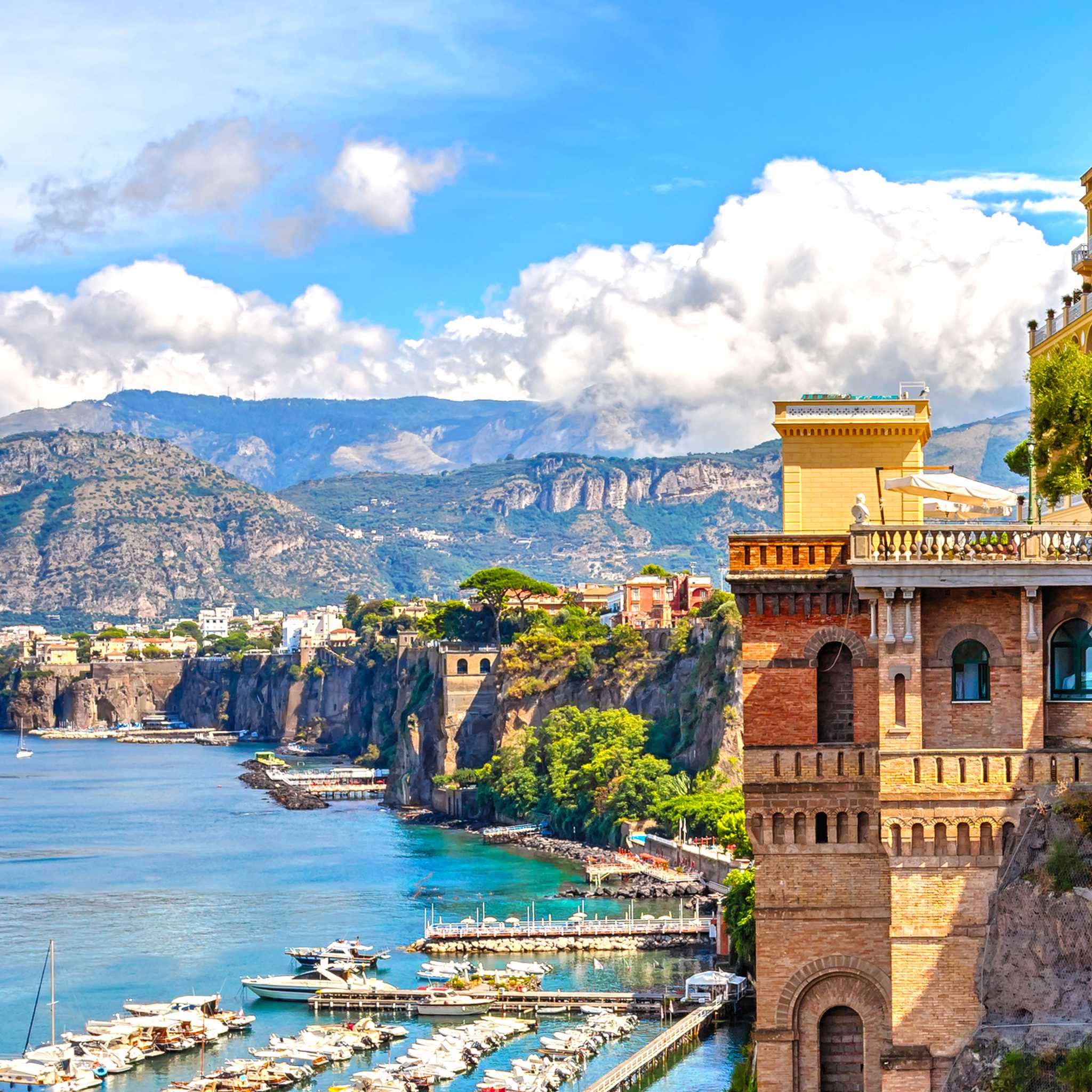
Sorrento is the easygoing resort town above the Bay of Naples, and the popular gateway to the coast. Cafes ring Piazza Tasso, lemon groves dot the cliffs, and shops of limoncello and inlaid wood run down to the marinas. Linger on the piazza. Peek into the Vallone dei Mulini. Catch a ferry to Capri.

Amalfi
Amalfi ran a powerful sea republic a thousand years ago, trading across the Mediterranean, and that past lingers in its striped cathedral and old arsenal. Today it’s a busy harbor town of lemon-scented lanes. See the Cloister of Paradise. Browse the ceramic shops. Eat a sfogliatella in the piazza.

Positano
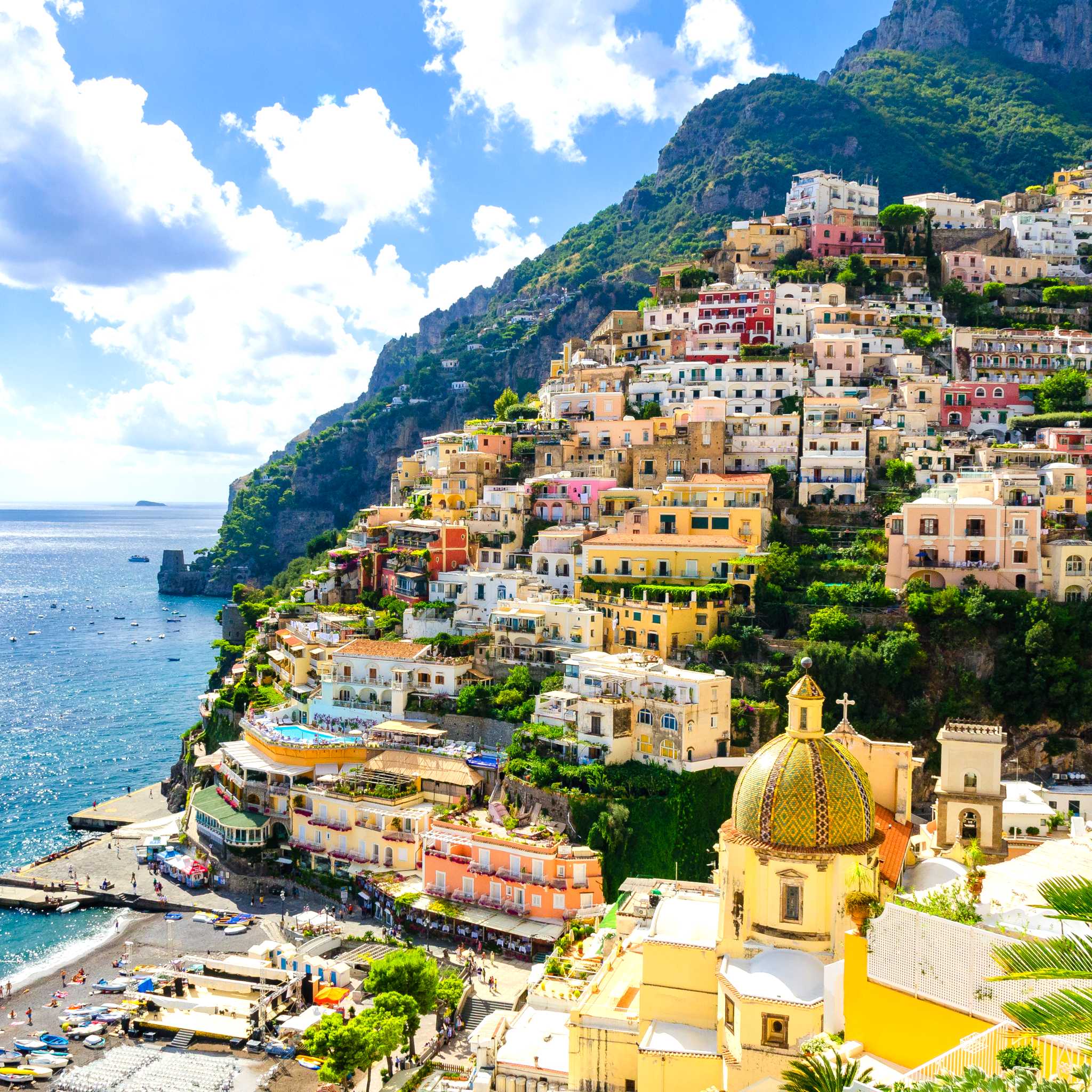
Positano is the coast's signature view: pastel houses tumbling down a steep hillside to a pebble beach and a marina. The old fishing village now trades in boutiques, and the linen-and-sandals look it made famous. Expect plenty of stairs and bigger crowds than the other towns. Pro tip: visit for just a day trip or see it from the sea, but stay in nearby quieter towns like Amalfi or Vietri sul Mare.

Praiano
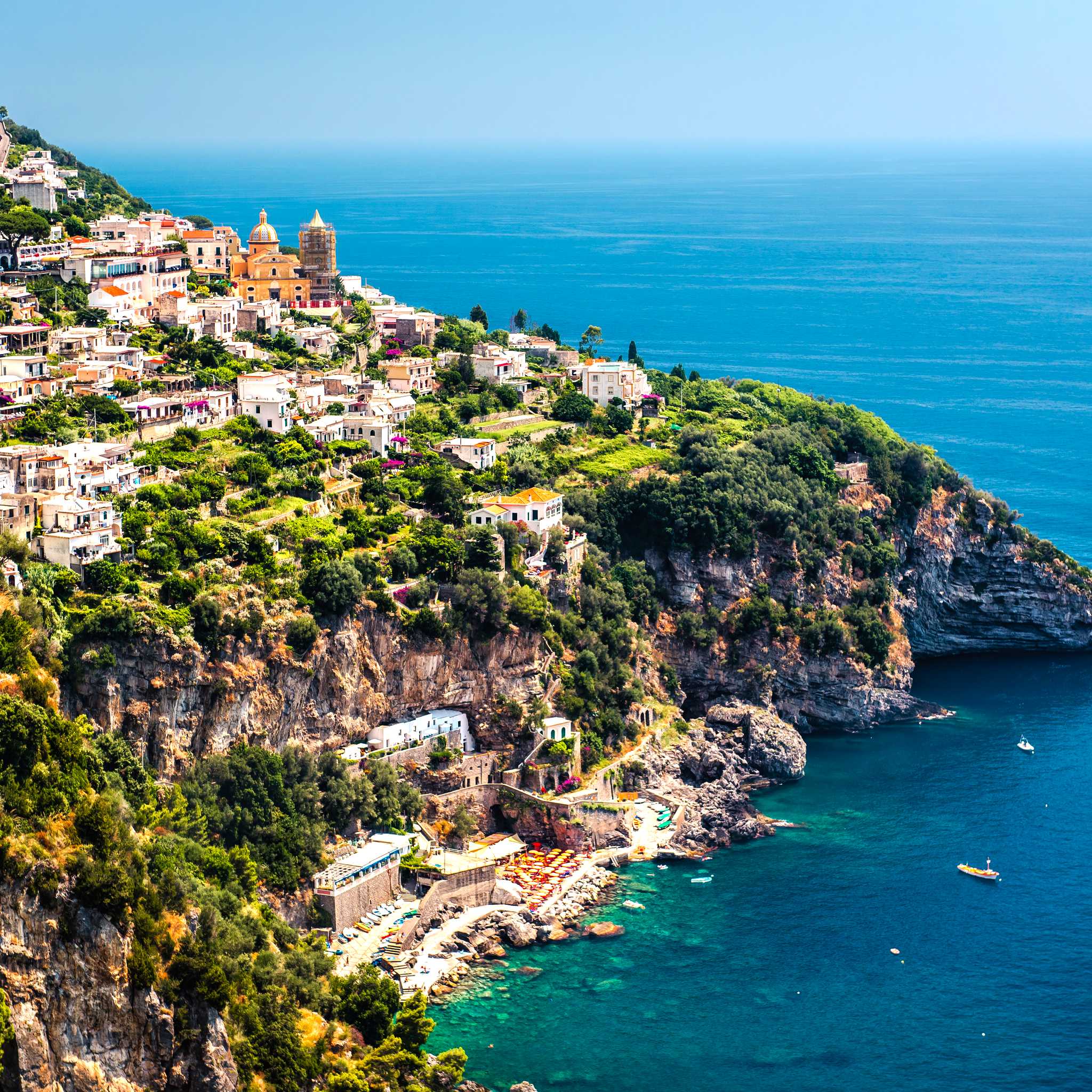
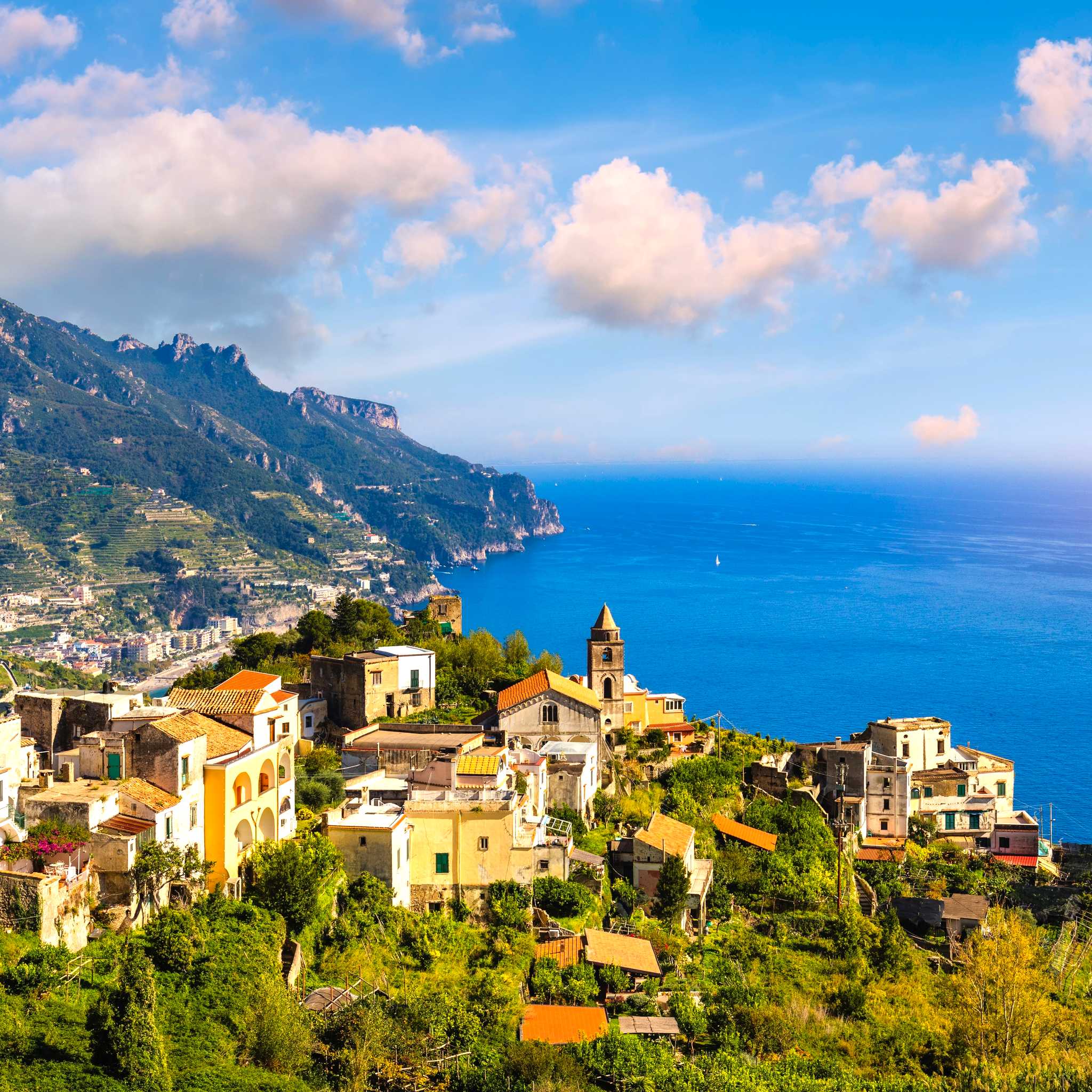
Praiano is the quiet one between Positano and Amalfi, more lived-in than visited. Houses and lemon terraces climb the slope around the tiled dome of San Gennaro, and the west-facing cliffs draw the sunset crowd. Hike the Path of the Gods. Catch the sunset at Gavitella. Swim at Marina di Praia.

Ravello
Ravello is the coast's garden town, perched high above the sea where the air cools and the crowds thin. Two clifftop estates, Villa Rufolo and Villa Cimbrone, are the draw, along with a summer music festival held among the terraces. Tour the gardens. Sit in Piazza Duomo. Buy hand-painted pottery.
Massa Lubrense
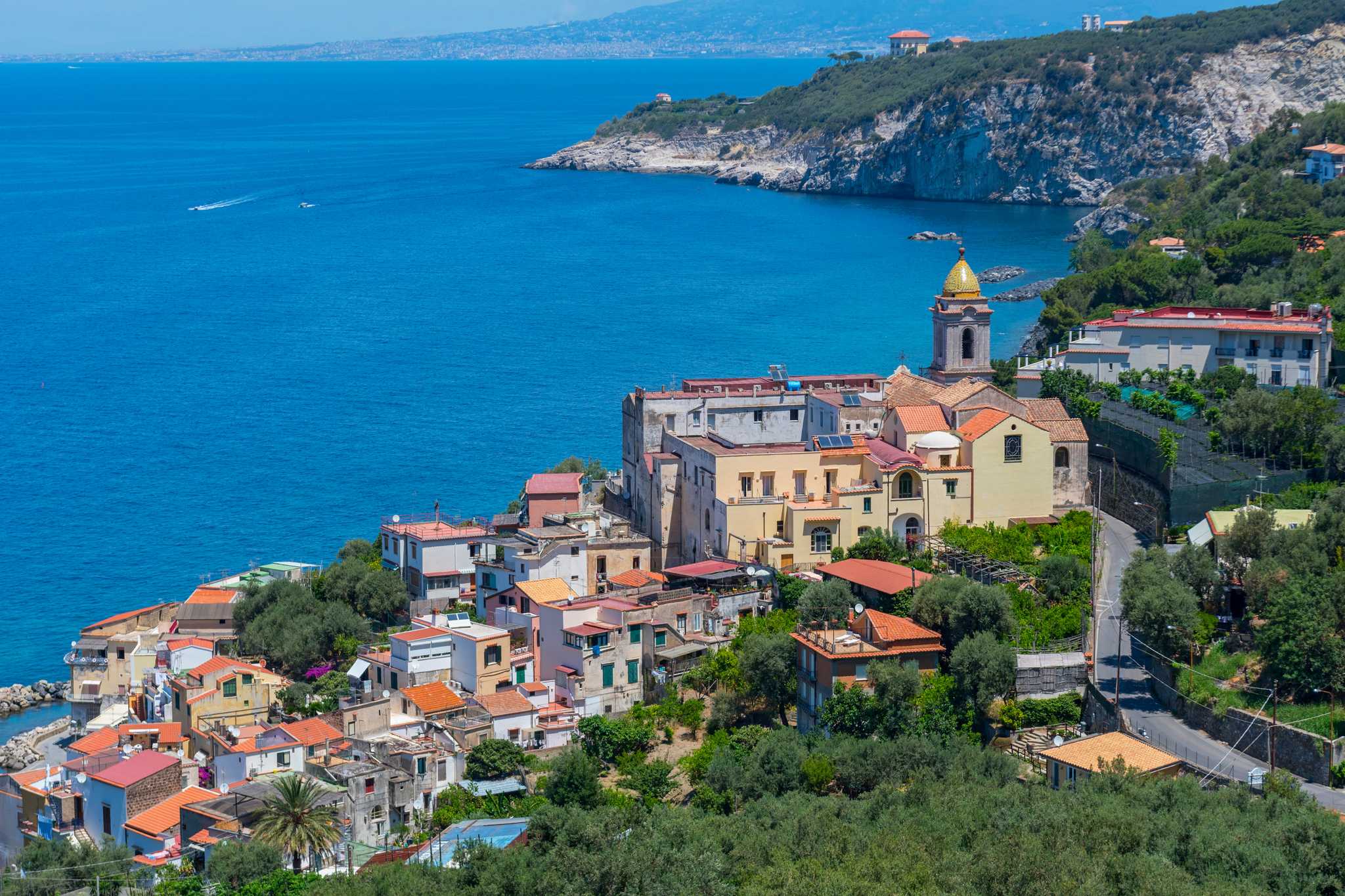
Massa Lubrense covers the green western tip of the Sorrento peninsula, all olive terraces, trails, and rocky coves facing Capri. Its coast is a protected marine reserve, and its hamlets serve some of the best seafood around. Walk the Athena Trail. Lunch on a Nerano terrace. Swim at Marina della Lobra.
When to go
Spring
Best overall. April and May bring warm, dry days and blooming lemon groves. The sea is still cool. Crowds and prices stay low. Everything reopens.
Summer
Best for the beach. July and August are hot, the sea warm. Beach clubs and ferries run full. Festivals fill the nights. Crowds and prices peak.
Autumn
Best for warm water without the crush. September keeps summer's heat as crowds thin. Vineyards and lemon groves harvest. Rain and closures return by late fall.
Winter
Best for escaping the crowds. December to February is quiet and cheap. Towns return to locals. Rain is common, and many places close.
Our picks: things to do on the Amalfi Coast
You come here to do things, not just photograph them. Eat town by town, walk the high paths, swim the coves, trace the lemon terraces, and find something handmade to carry off. Each bend in the road turns up a new one. Start with these.
You come here to do things, not just photograph them. Eat town by town, walk the high paths, swim the coves, trace the lemon terraces, and find something handmade to carry off. Each bend in the road turns up a new one. Start with these.
Taste the coast
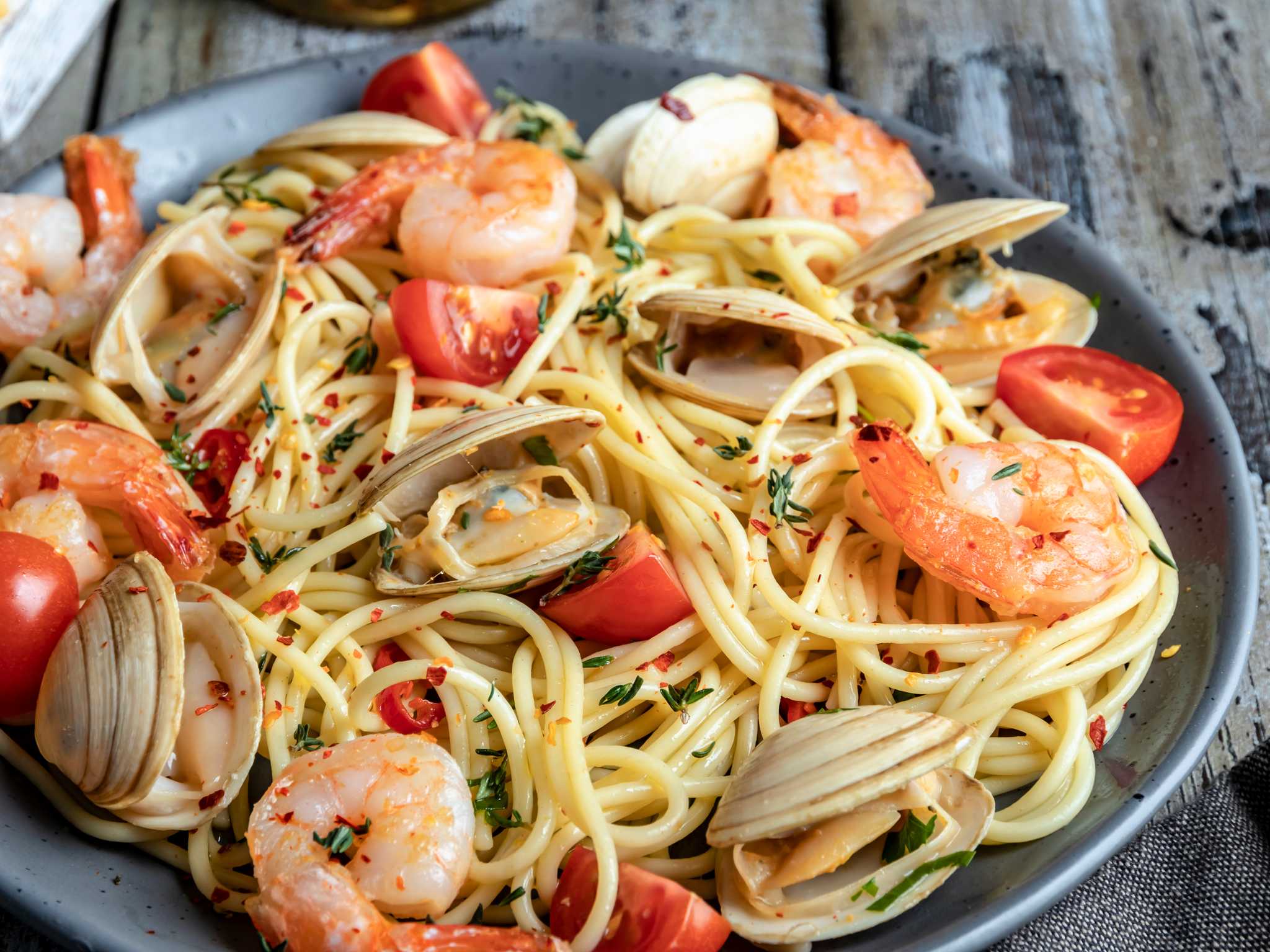
Amalfi Coast cooking runs on lemons, seafood, and whatever grows on the terraces. Each town guards its own specialty, so the eating changes from one bend in the road to the next. Come hungry.
- In Cetara, spoon colatura di alici anchovy sauce over spaghetti
- In Minori, order ndunderi, a soft ricotta pasta with Roman roots
- In Nerano, spaghetti alla Nerano with zucchini and provolone
- In Conca dei Marini, bite a cream-filled sfogliatella Santa Rosa
- In Atrani or Amalfi, eat seafood pasta from the morning's catch
- Climb to Agerola for fiordilatte mozzarella made in the hills

Explore the culture
A thousand years ago, Amalfi ran a sea empire that traded across the Mediterranean. The coast still carries that past in its cathedrals, gardens, and hill towns. Read the streets and the history rises up.
- In Amalfi, climb the striped Cathedral of Sant'Andrea
- In Ravello, walk the gardens of Villa Rufolo and Villa Cimbrone
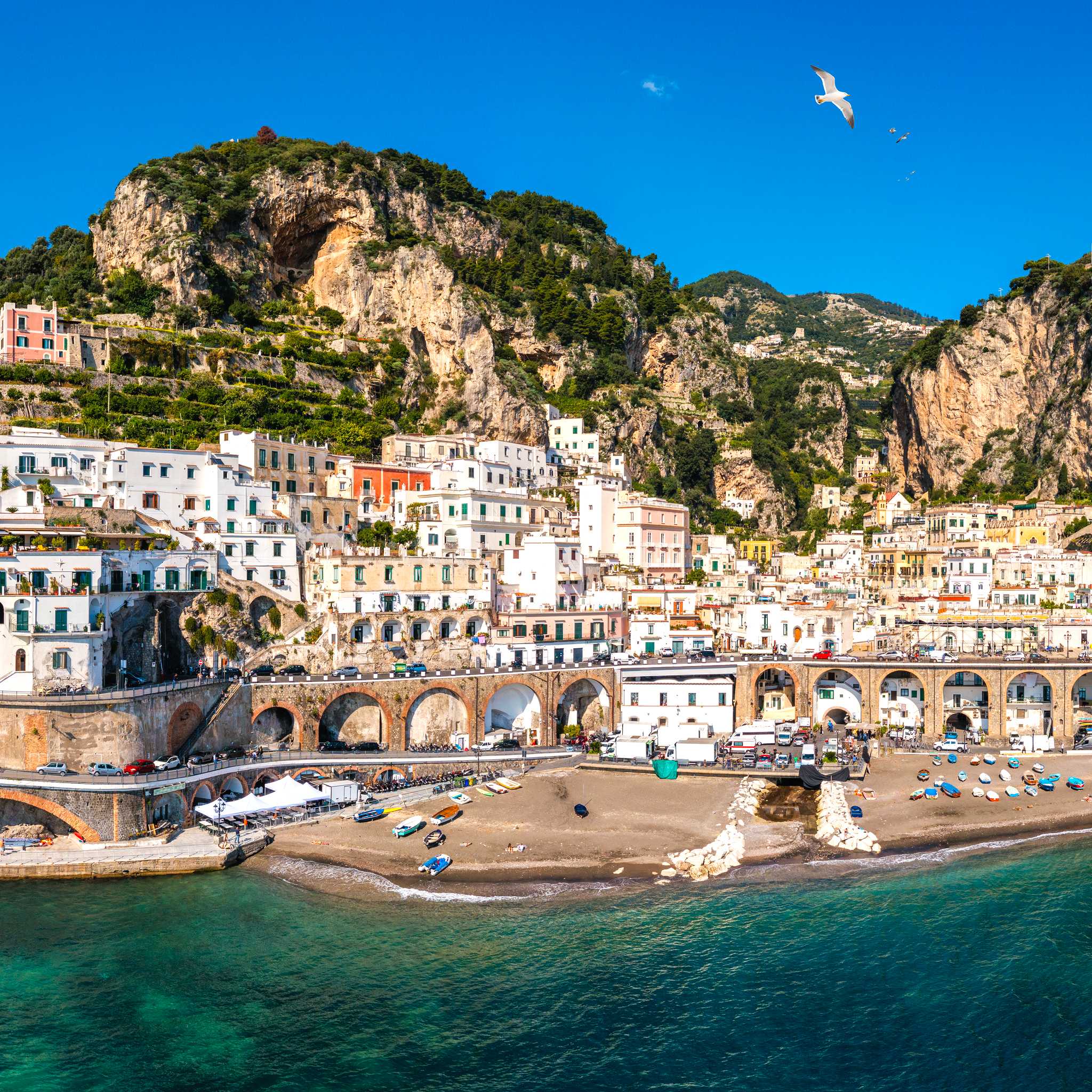
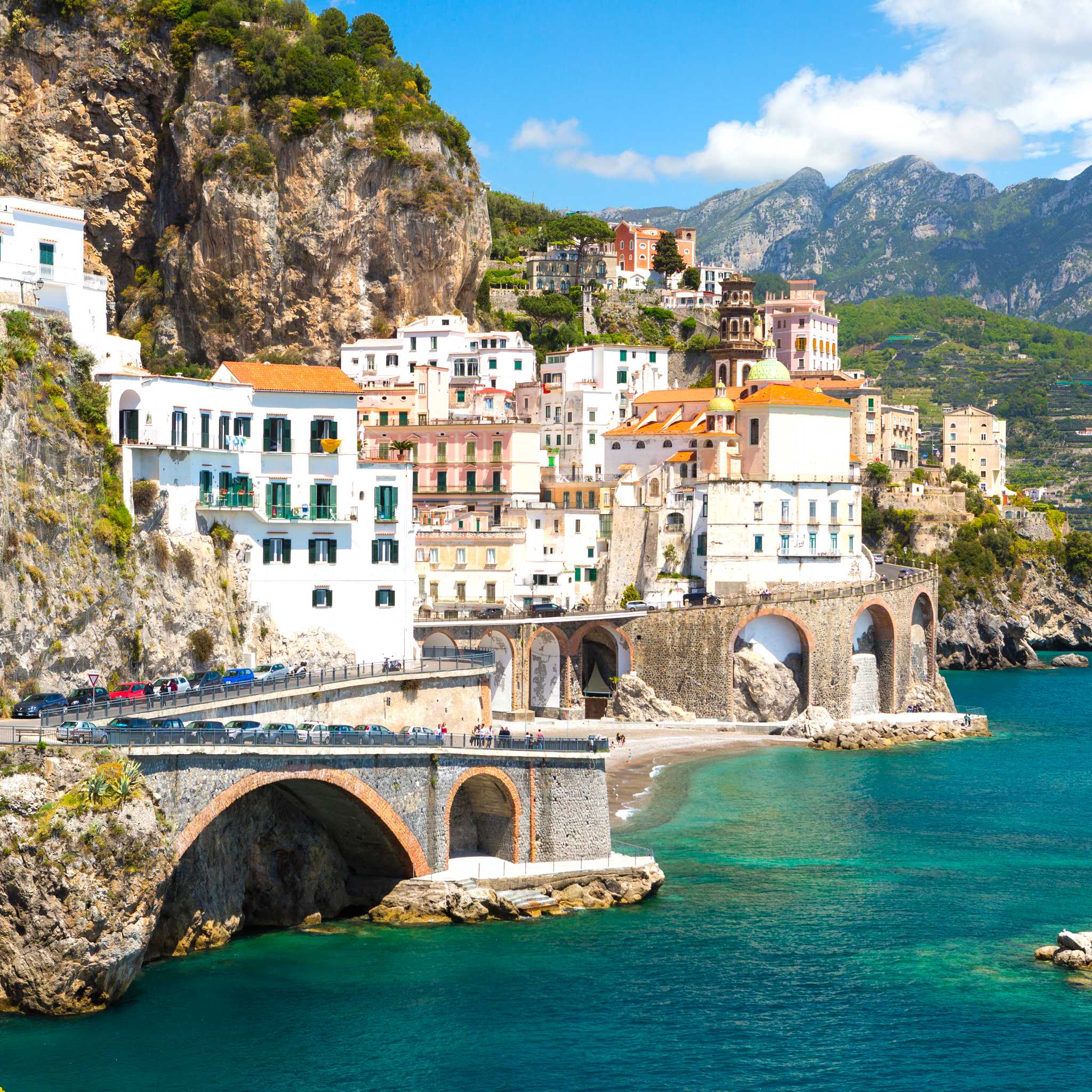
- Wander Atrani, Italy's smallest town, all lanes and stairs
- Head to Scala, the coast's oldest town, quiet and medieval
- In Sorrento, see Roman ruins at the Vallone dei Mulini
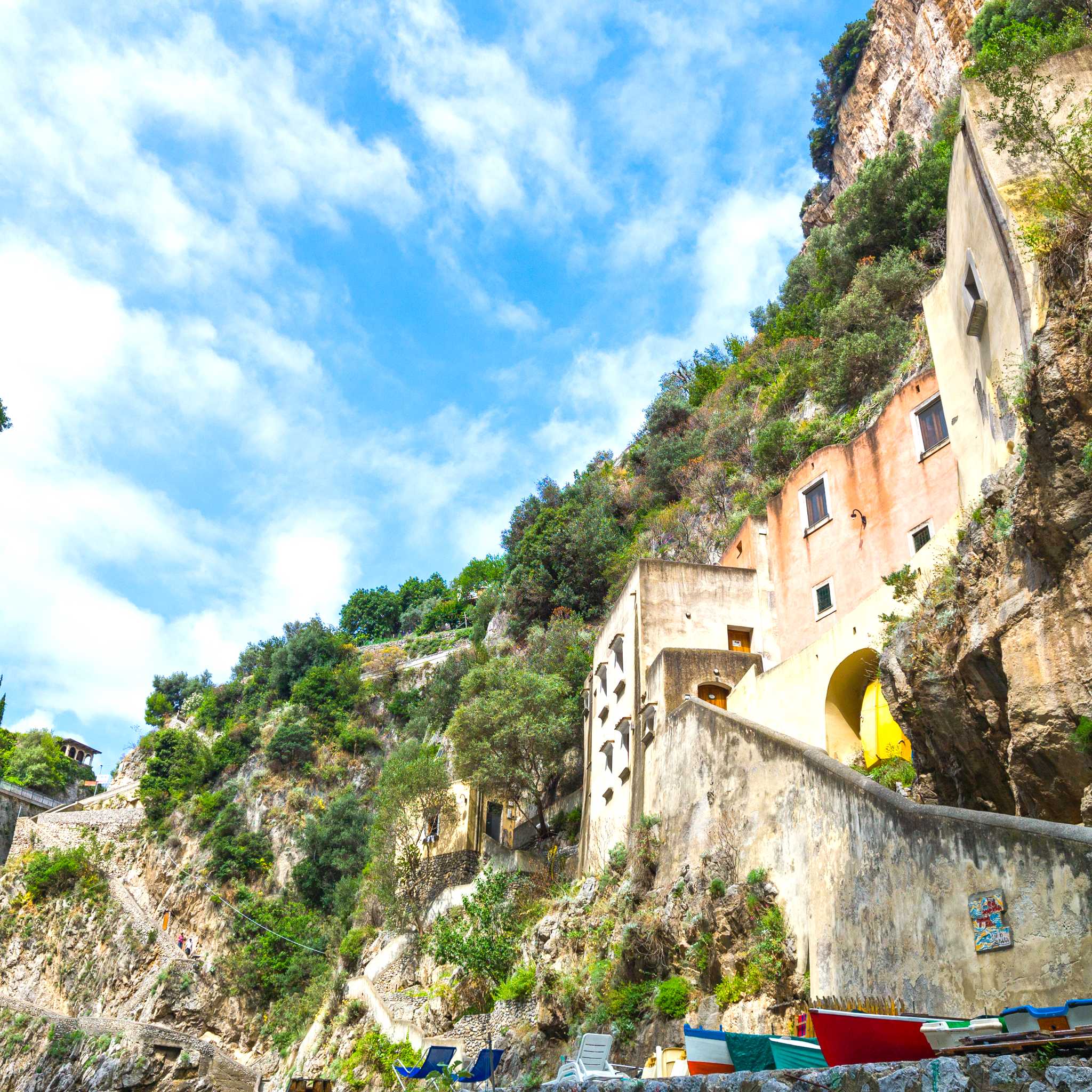
- Drive the Furore fjord, a deep ravine under a high bridge
Get on the water
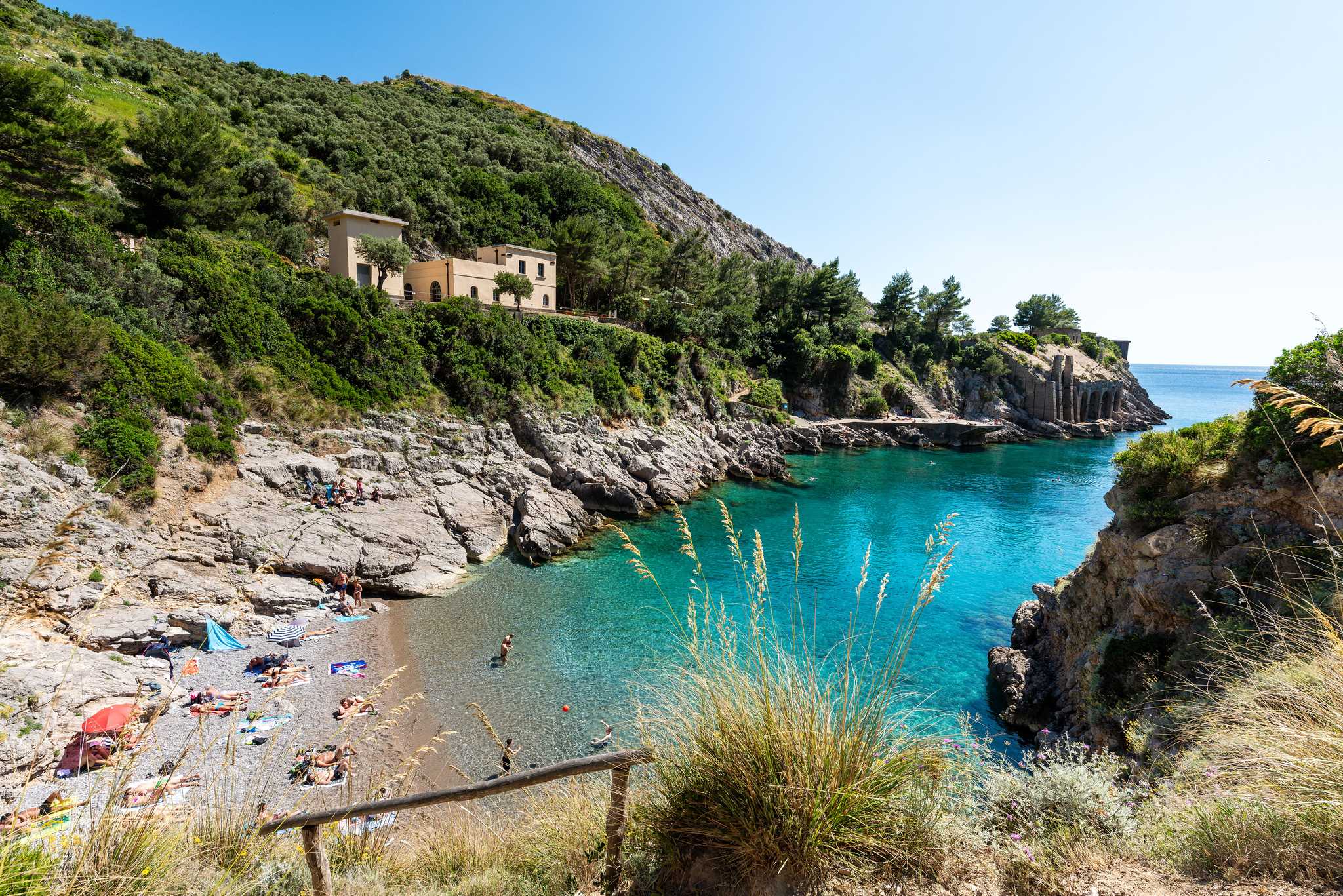
On this coast, the sea is the main event. Beaches are small and pebbly, the water clear, and a boat reaches coves no road can. Plan around the warm months and let the shoreline lead.
- In Positano, lie on Spiaggia Grande, then on the quieter Fornillo
- Row into the Emerald Grotto at Conca dei Marini, lit green
- Swim at Marina del Cantone in Nerano, then eat seafood
- Hike or paddle to the Bay of Ieranto, a cove facing Capri
- Drop to the tiny fjord beach at Furore, below the road bridge
- Take the ferry from Amalfi to Positano for the cliff views
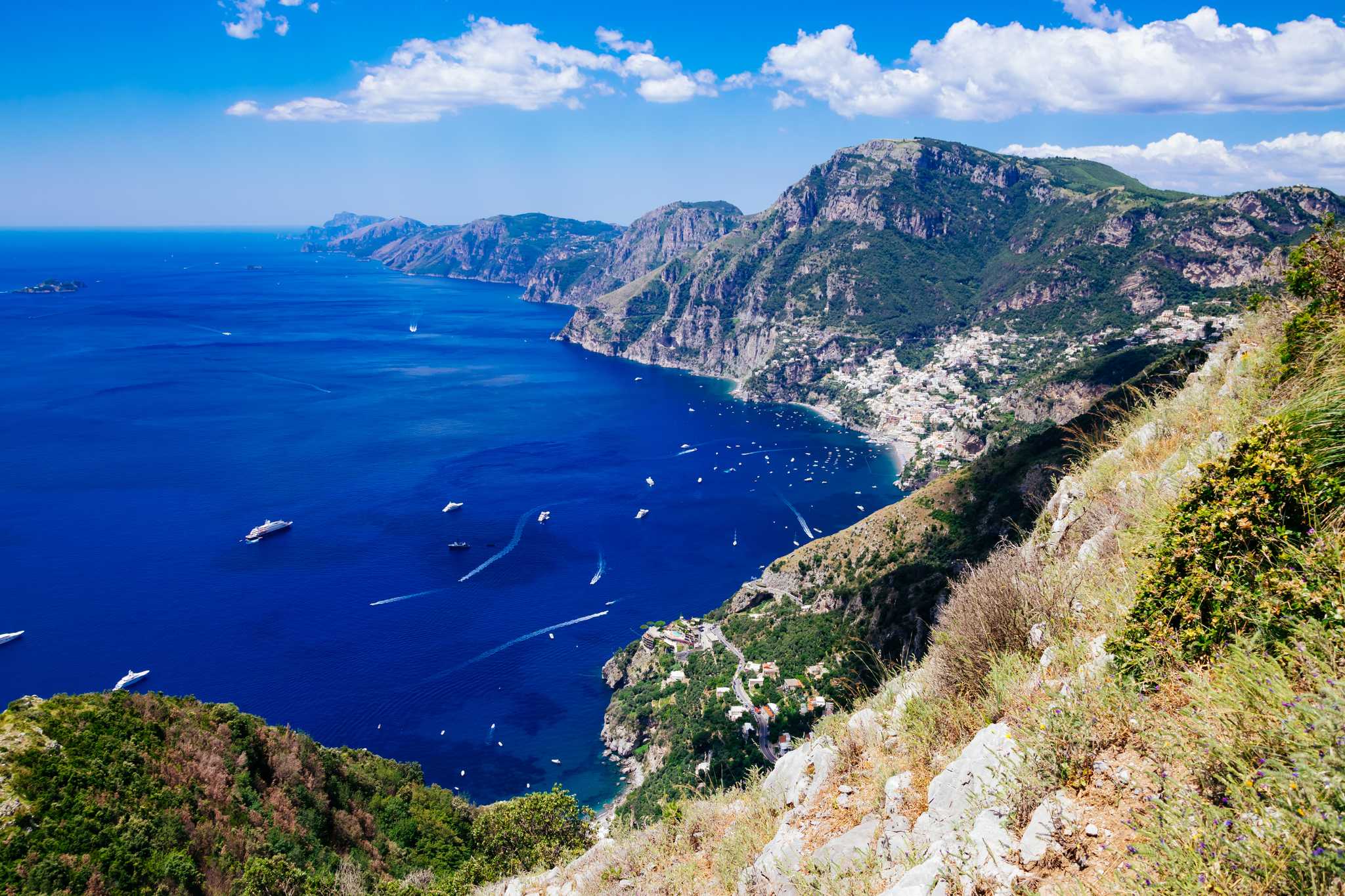
Hike the high paths
Above the towns, old mule tracks and footpaths cross terraces and ridges. Spring and fall bring the cool air and clear views that make the climbs worth it. Wear real shoes and carry water.
- Walk the Path of the Gods from Agerola to Nocelle, above Positano
- Follow Valle delle Ferriere above Amalfi, past waterfalls
- Trek to Punta Campanella, the tip facing Capri, with a tower
- Climb to Torre dello Ziro above Atrani for a two-town view
- From Scala, descend old stone steps through chestnut woods
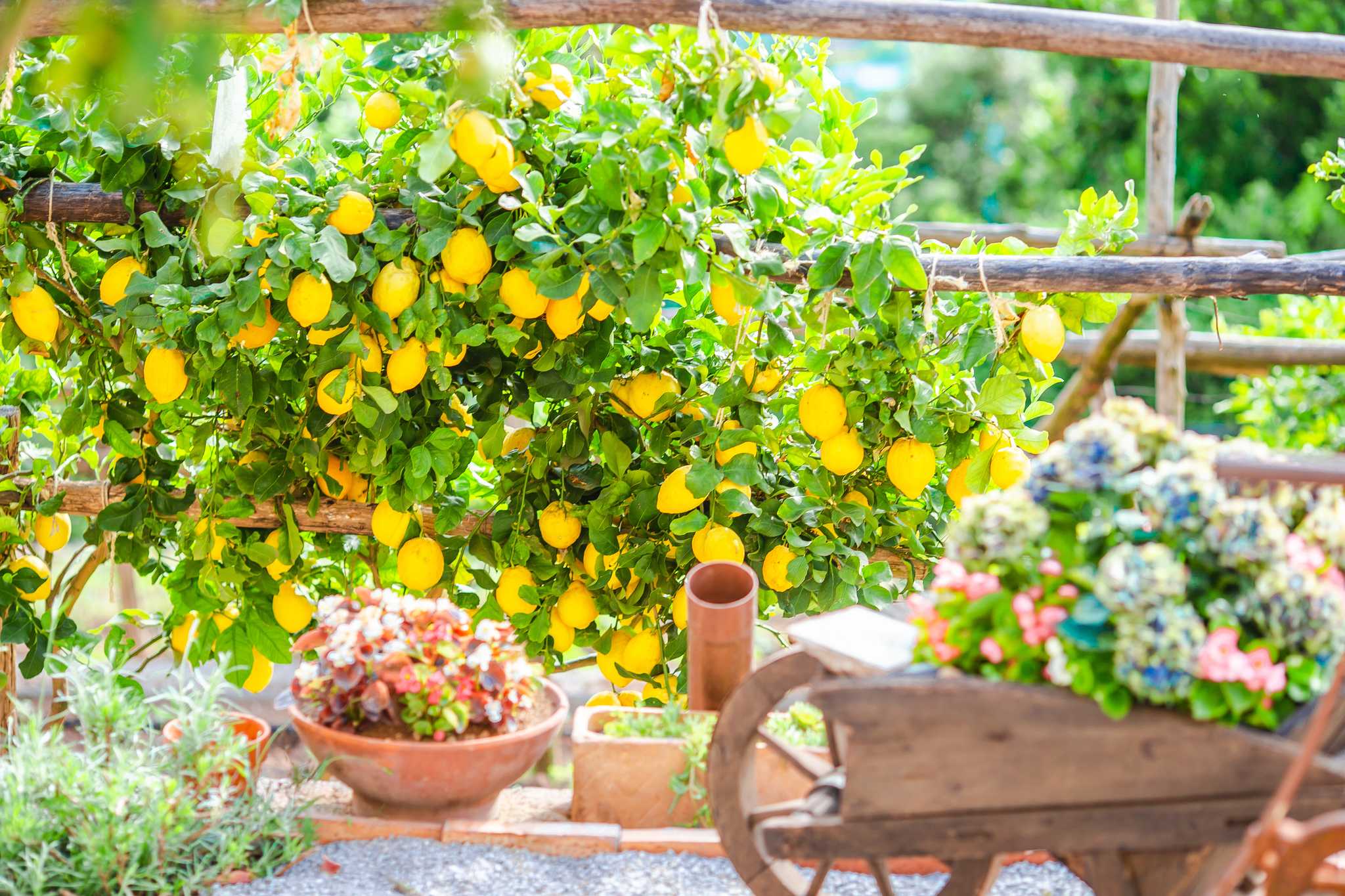
Follow the lemon trail
Lemons are the coast's signature crop, grown on terraces too steep for machines and worked by hand. They flavor everything from the morning granita to the after-dinner glass of limoncello. Follow them inland and uphill.
- Tour a working lemon grove on the terraces above Amalfi
- Meet the sfusato amalfitano, the long PGI lemon grown only here
- Walk the Sorrento side's shaded femminello lemon groves
- Take the Lemon Path, an old mule track from Maiori to Minori
- Sit in on a limoncello tasting at a family lemon farm
- Visit Massa Lubrense’s lemon festival for granita and cake
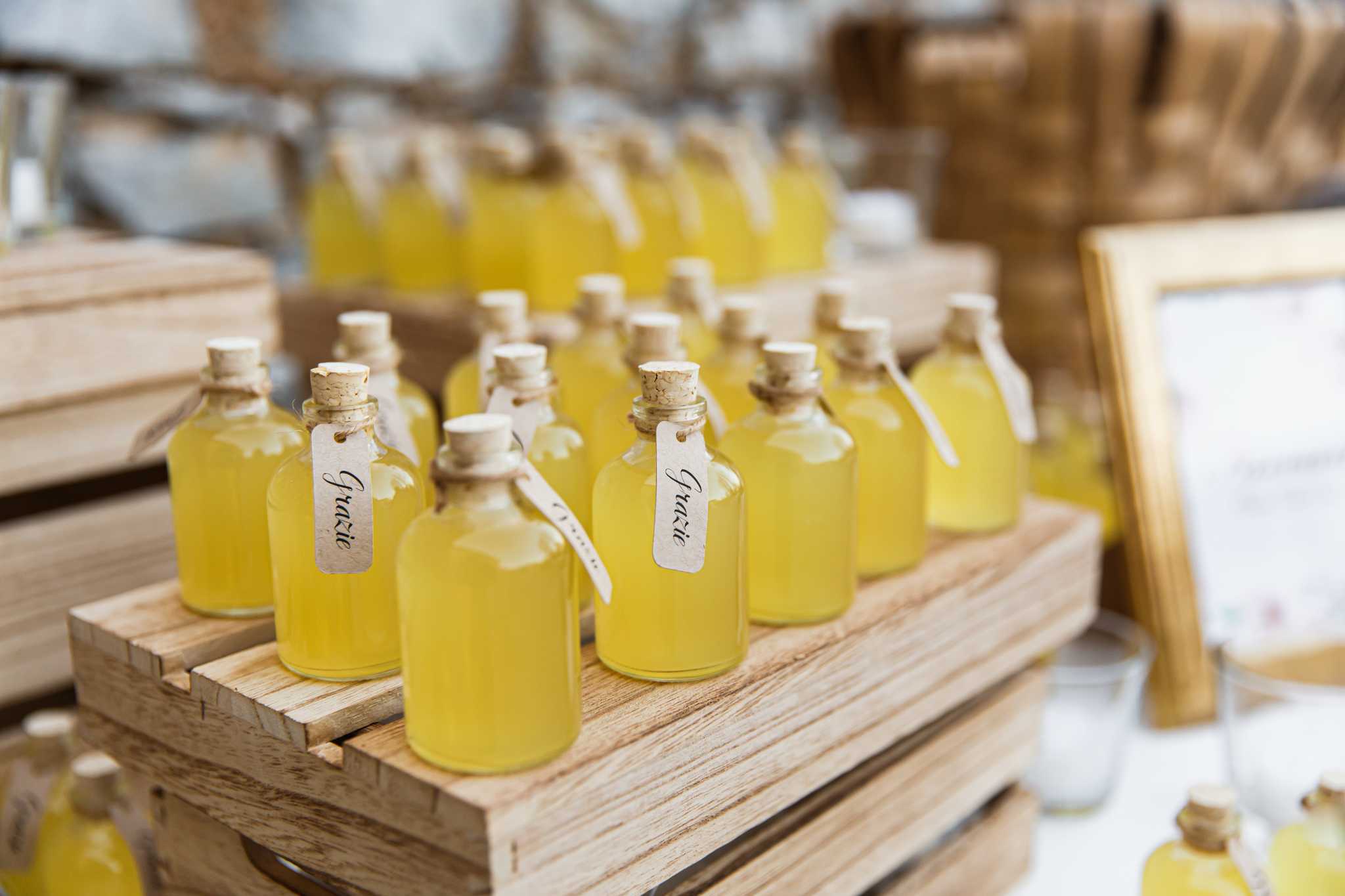
Take home the craft
The coast still makes things by hand. Look past the souvenirs for the real trades: ceramics, sandals, lemon liqueur, and paper pressed the way it has been for centuries.
- Browse hand-painted majolica in Vietri sul Mare, the ceramics town
- In Positano, have leather sandals cut to fit at Nana Positano
- In Amalfi, buy handmade paper at La Scuderia del Duca, a mill shop
- In Sorrento, pick up inlaid-wood intarsio boxes and panels
- In Praiano, follow the open-air ceramic art trail past the domes
- Carry off a bottle of limoncello made from the coast's PGI lemons
What to eat, drink, and order
Amalfi Coast food is tied to the towns that make it. Lemons, seafood, and mountain cheese turn up everywhere, but the best version of each dish has an address. Here are six worth seeking out, plus the towns where they taste the way they should. Eat each one where it belongs.
Amalfi Coast food is tied to the towns that make it. Lemons, seafood, and mountain cheese turn up everywhere, but the best version of each dish has an address. Here are six worth seeking out, plus the towns where they taste the way they should. Eat each one where it belongs.
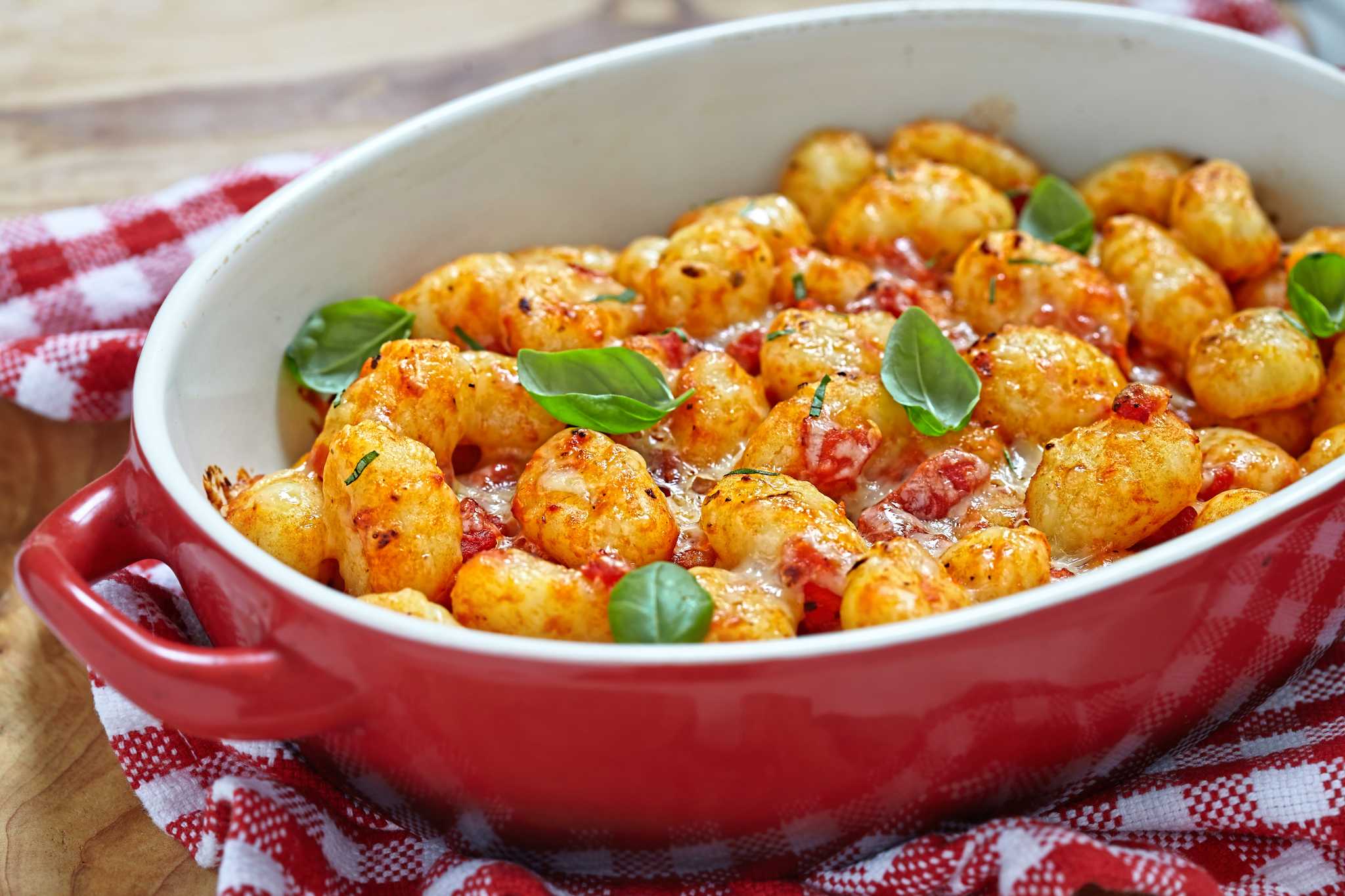
Gnocchi alla sorrentina in Sorrento
Small potato dumplings baked in tomato sauce and melting mozzarella, the dish that carries the town's own name.

Totani e patate in Praiano
Squid and potatoes stewed slowly together, the old fishermen's plate you still find in this cliffside village.
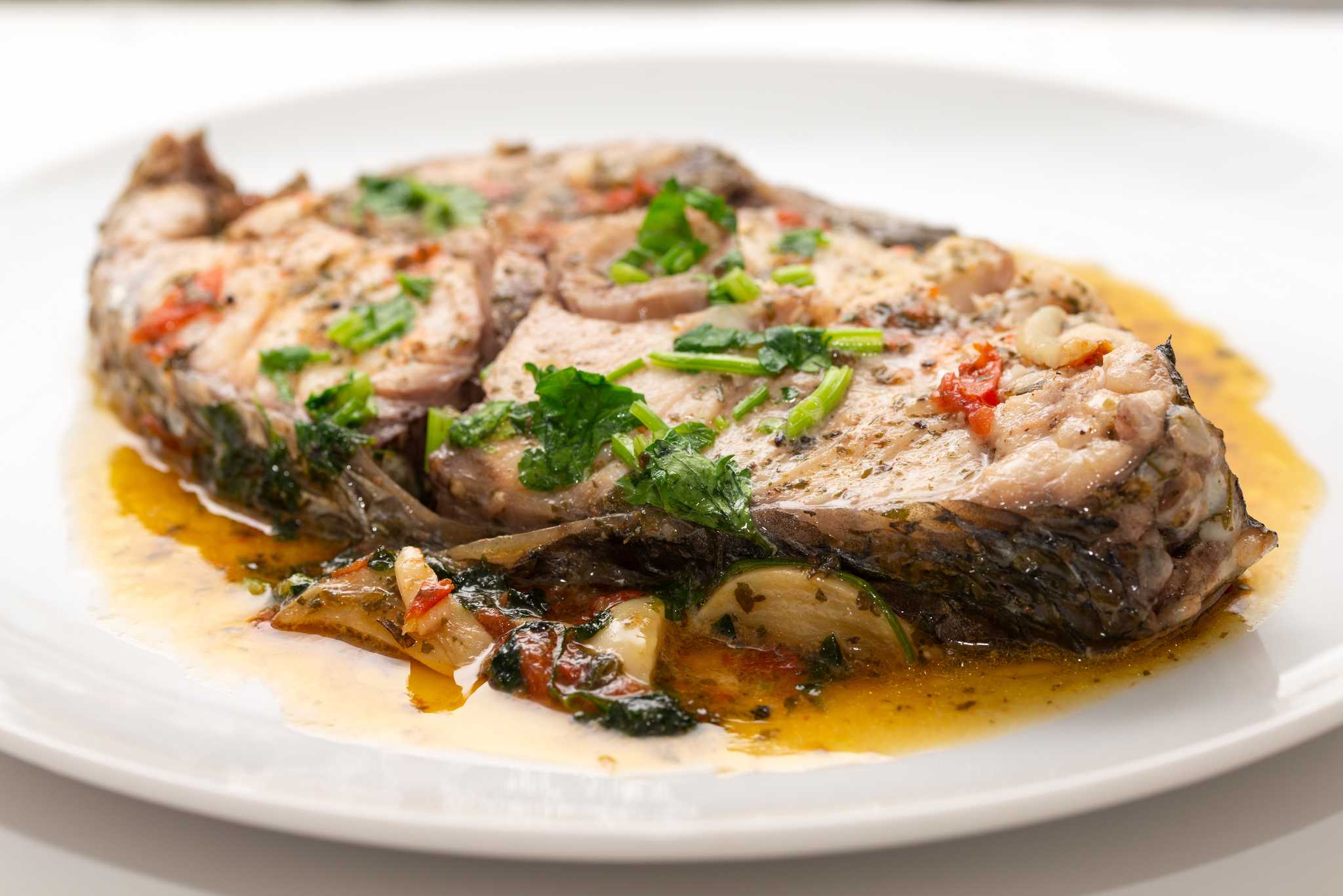
Pesce all'acqua pazza in Conca dei Marini
A whole fish poached in tomato, garlic, and parsley, the simple "crazy water" catch of the coast's fishing coves.
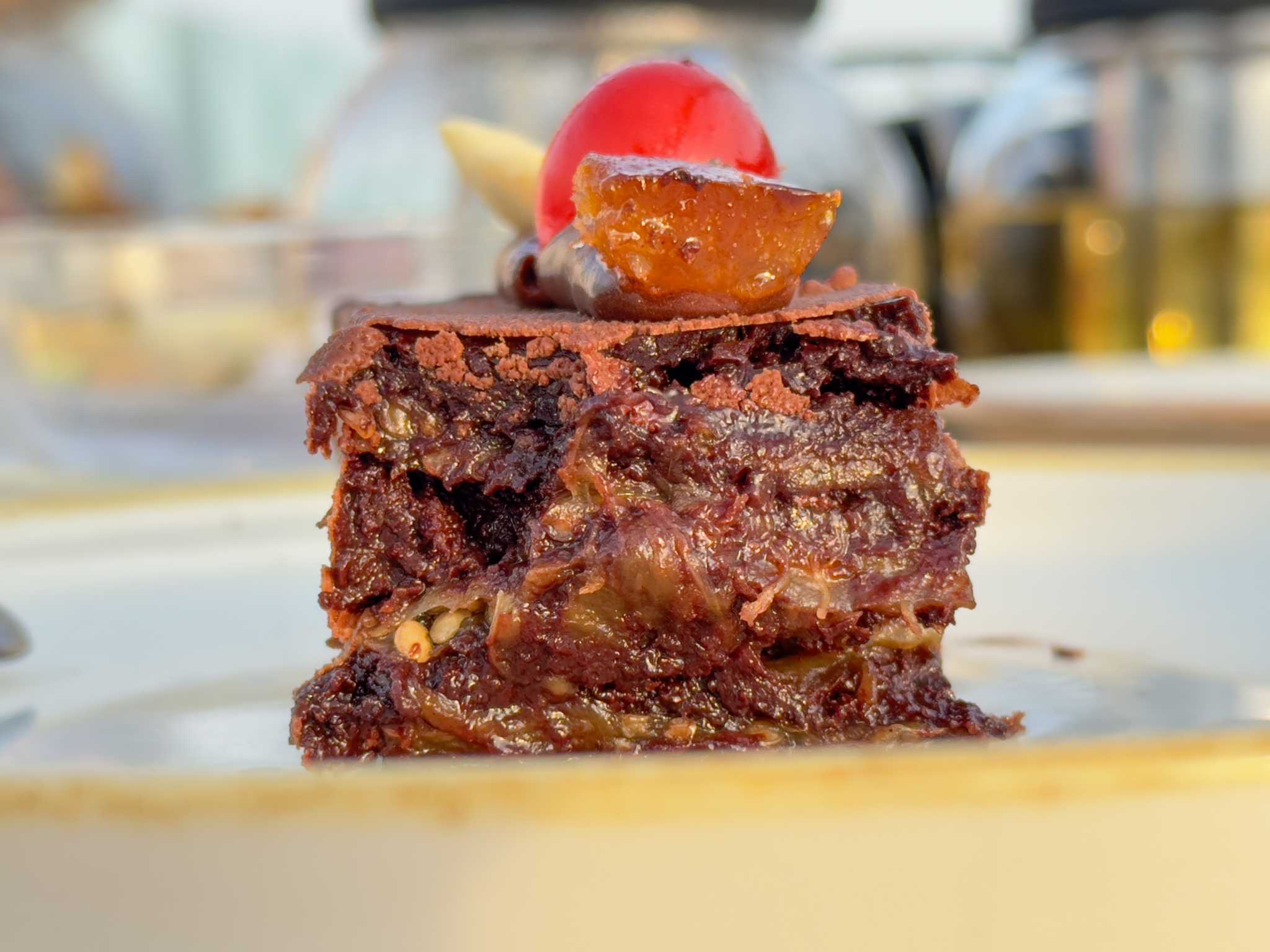
Melanzane al cioccolato in Maiori
Fried eggplant layered with dark chocolate and candied fruit, a sweet the town makes for its August feasts.
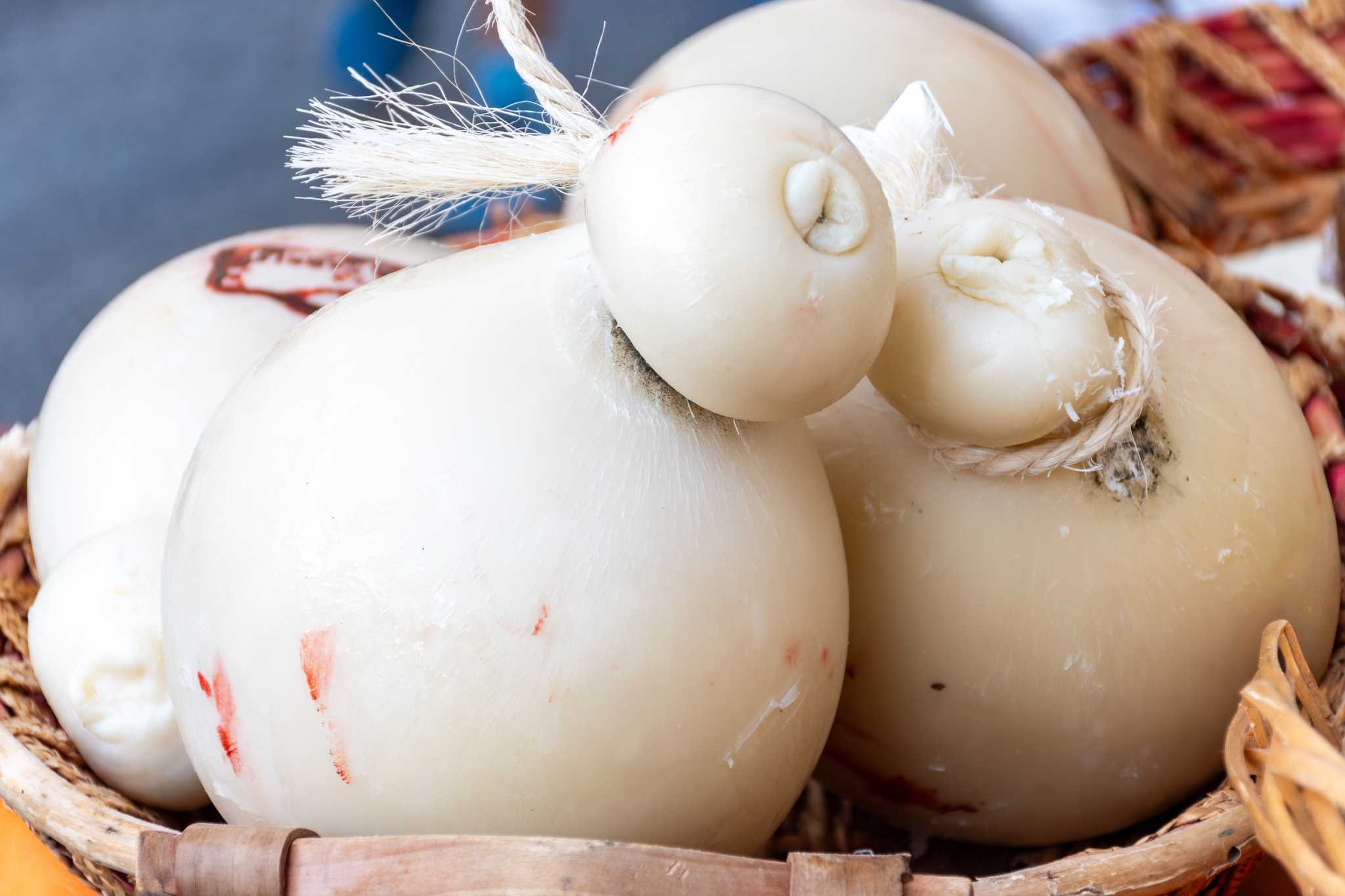
Caciocavallo impiccato in Agerola
"Hanged" cheese grilled over an open flame up in the Lattari mountains, then dripped molten onto grilled bread.
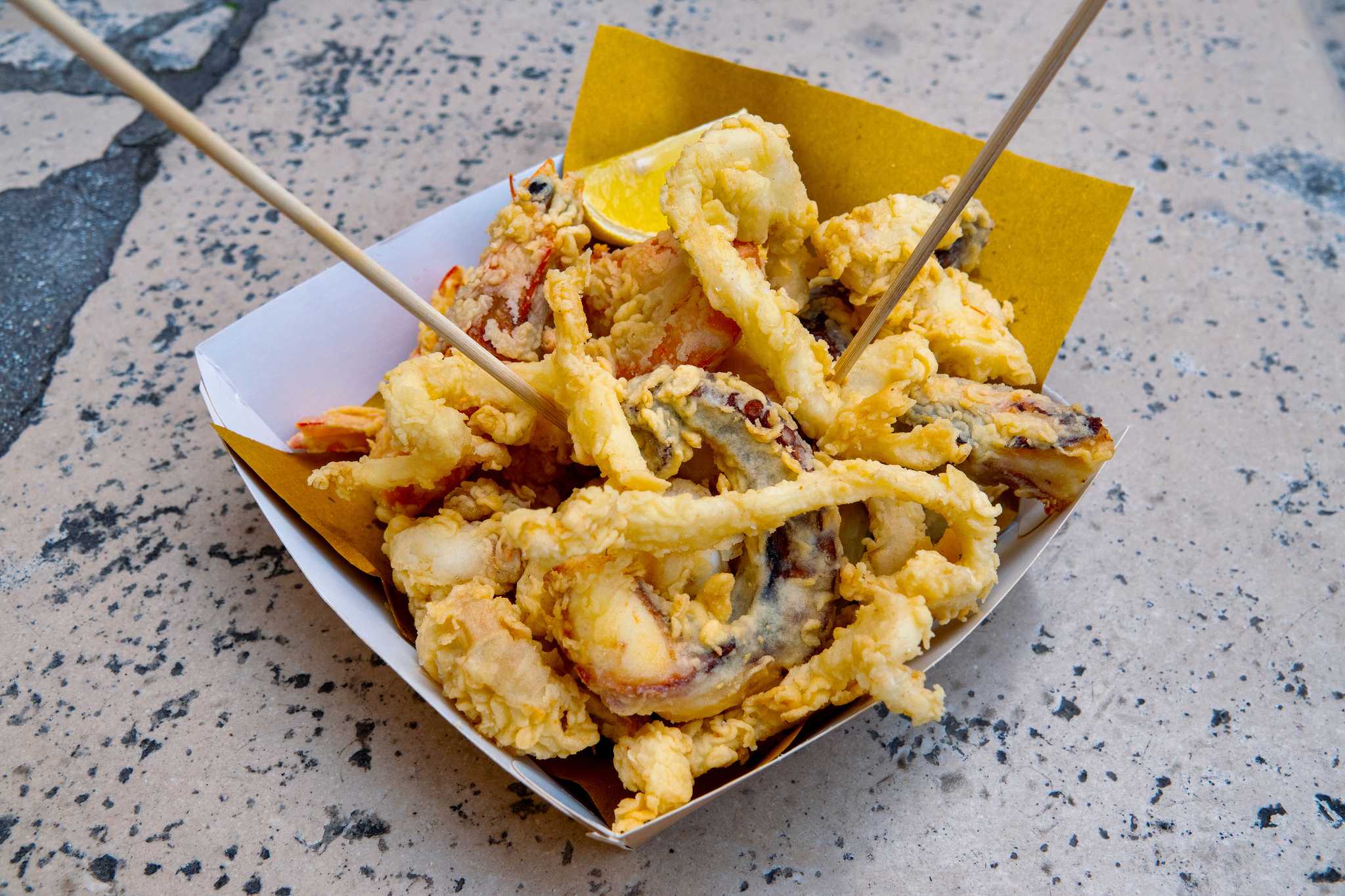
Frittura di paranza in Cetara
A paper cone of small fish fried whole and eaten by hand, landed by this fishing village's own boats.
Our recommended routes along the Amalfi Coast
Naples to Positano
1h 31min • 61km (37.9mi)
From €190
Naples Airport to Amalfi
1h 25min • 67km (41.6mi)
From €189
Sorrento to Naples Airport
1h 9min • 55km (34.2mi)
From €149
Sorrento to Positano
46min • 19km (11.8mi)
From €188
Amalfi to Pompeii
1h 10min • 47km (29.2mi)
From €192
Amalfi to Sant'Agnello
1h 31min • 49km (30.4mi)
From €195
Positano to Furore
52min • 22km (13.7mi)
From €189
Furore to Marina Del Cantone
1h 26min • 43km (26.7mi)
From €195
Vietri sul Mare to Praiano
1h 9min • 33km (20.5mi)
From €192
Ravello to Massa Lubrense
1h 38min • 44km (27.3mi)
From €195
Maiori to Vico Equense
1h 6min • 46km (28.6mi)
From €192
Minori to Salerno Costa d'Amalfi Airport
57min • 41km (25.5mi)
From €191
Day trips from the Amalfi Coast's top towns
2+ million travelers like you. Moments they'll never forget.

Your Amalfi Coast questions, answered
Be the first to discover more
Get handpicked travel ideas, insider highlights, and special Daytrip offers.


