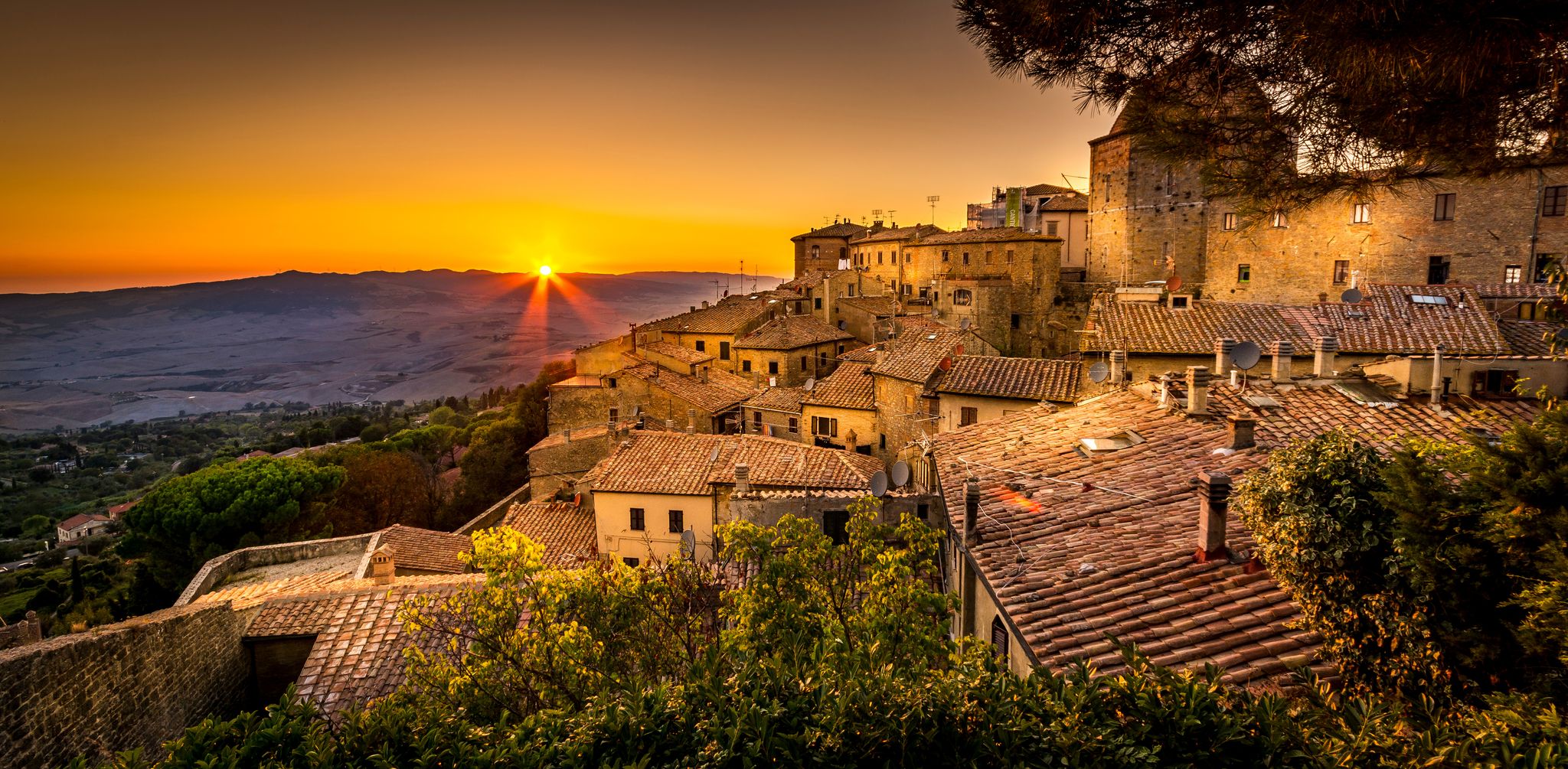
Daytrip's guide to Tuscany
Hill towns, cypress roads, Renaissance cities, and wine that tastes like the soil it came from. Tuscany rewards slow travel, combining some of Italy’s most iconic landscapes with its most serious kitchens and produce.
The region sits in central Italy, bordered by the Apennines to the north and east and the Tyrrhenian Sea to the west. Its landscape is one of the most recognizable in the world: rolling hills, medieval towers, and vineyards that have been producing the same wines for centuries. The Val d'Orcia, a UNESCO World Heritage Site since 2004, is the image most people picture when they think of Tuscany – and it looks exactly like the photographs.
Historically, Tuscany was the cradle of the Renaissance. Florence, its capital, produced Brunelleschi, Botticelli, Da Vinci, and Michelangelo within the space of a century. The Medici family, who ruled Florence from the 15th century, funded the art, architecture, and intellectual culture that defined the period. That legacy is still visible – in the Uffizi Gallery, the Duomo, and the hill towns that were built, fought over, and preserved across the same era.
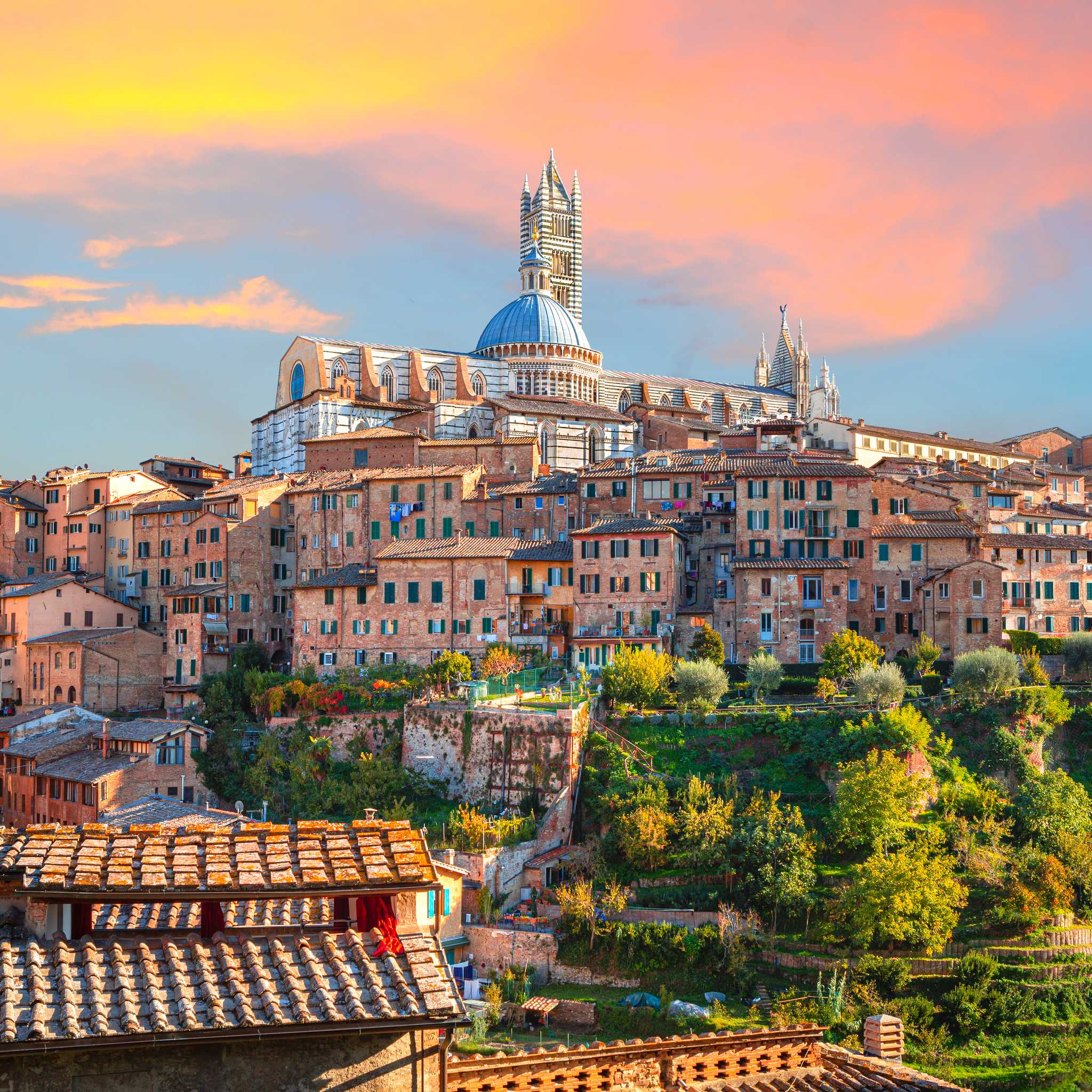
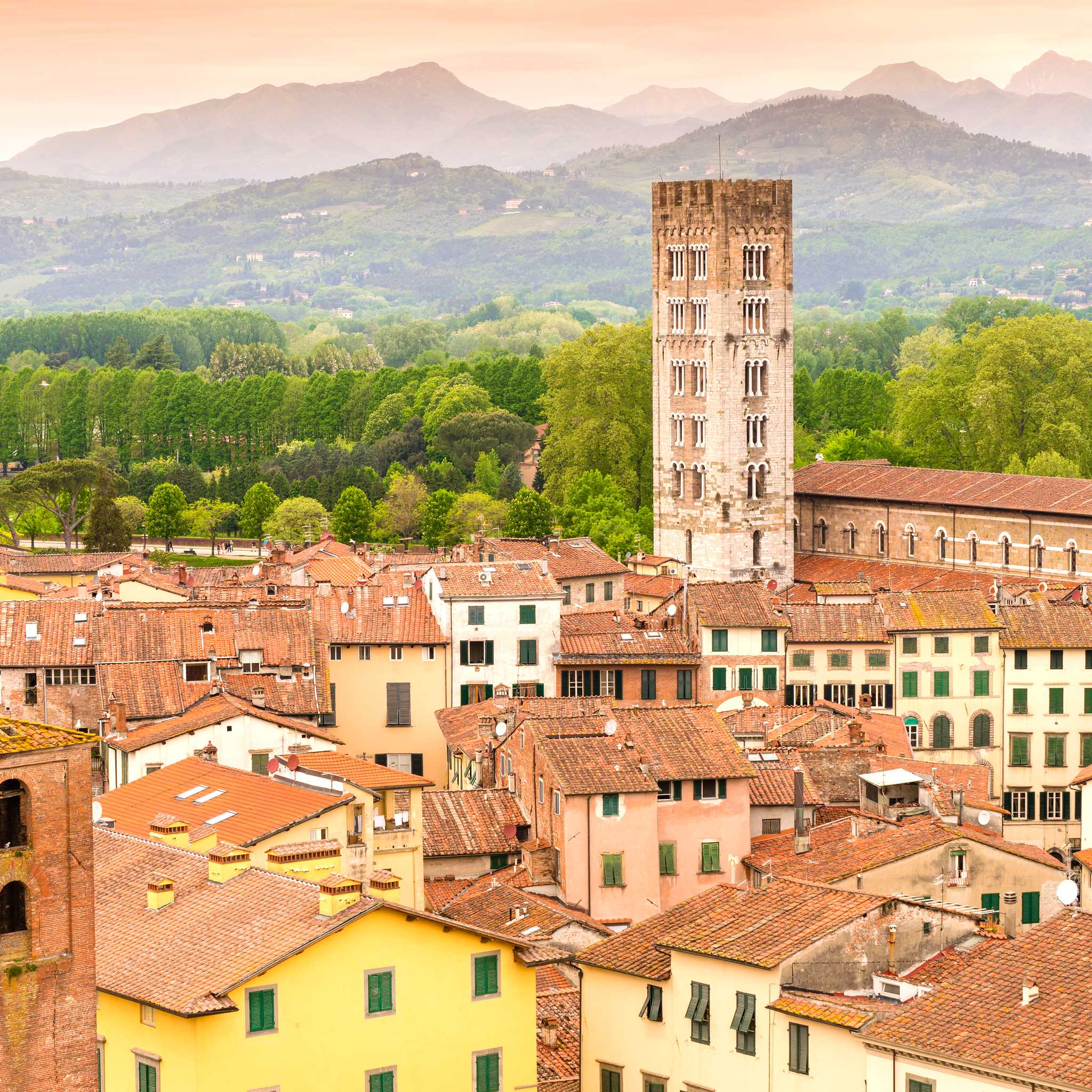
Beyond Florence, the region fractures into distinct identities. Siena is medieval, where Florence is Renaissance. Lucca kept its walls. Pisa built a tower. The coast and islands of the Maremma feel like a different country entirely.
Tuscany is also where Italian food gets serious – bistecca, ribollita, pecorino, and some of the country's most important wines, from Brunello to Chianti Classico to the Super Tuscans of Bolgheri.
Main airports:
- Pisa International Airport (PSA)
- Florence Airport (FLR)
Tuscany in brief
Regional capital
Florence
Language
Italian, Tuscan or “toscano” dialects
Currency
Euro (€)
Time zone
CET (UTC+1) / CEST (UTC+2) in the summer
Our favourite cities in Tuscany
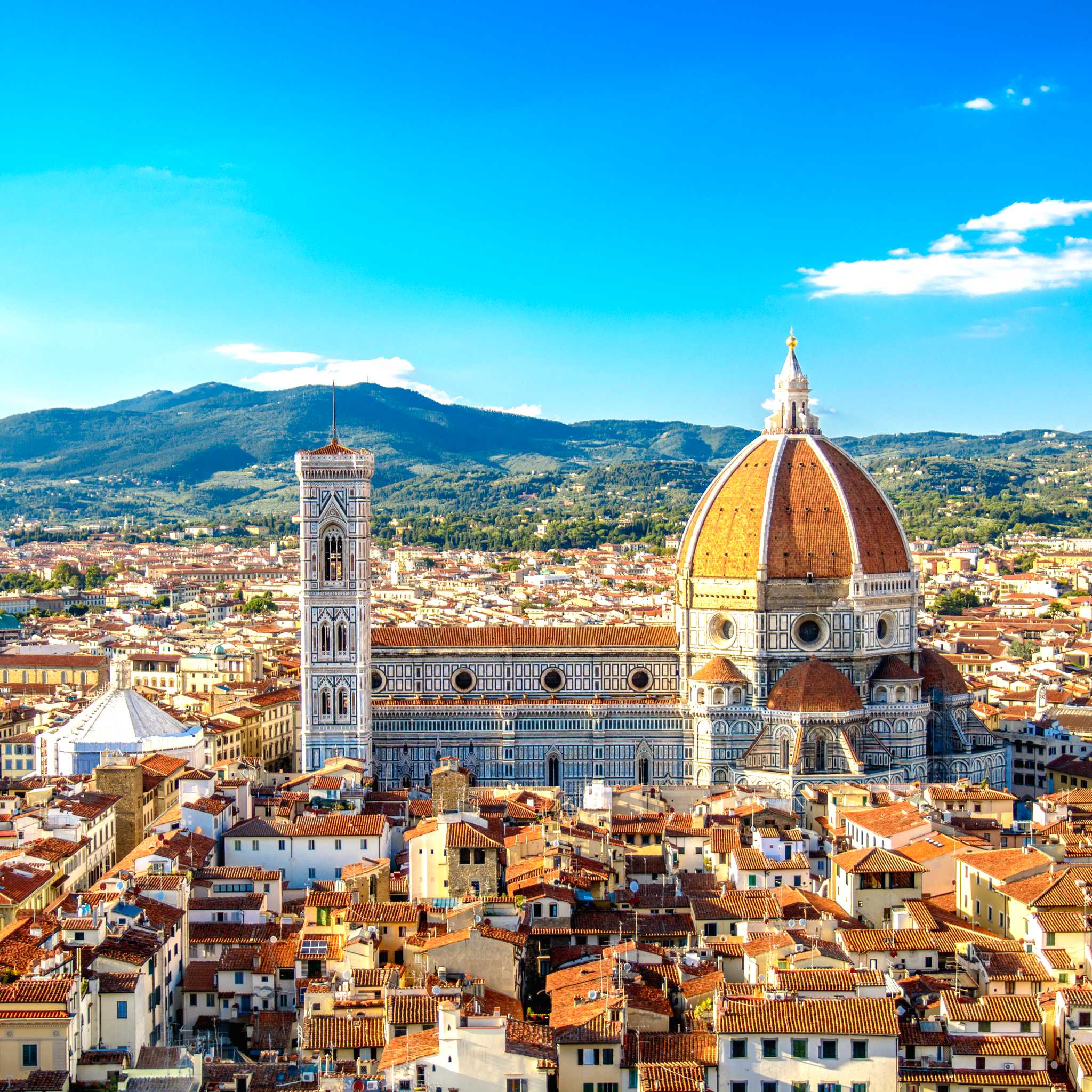
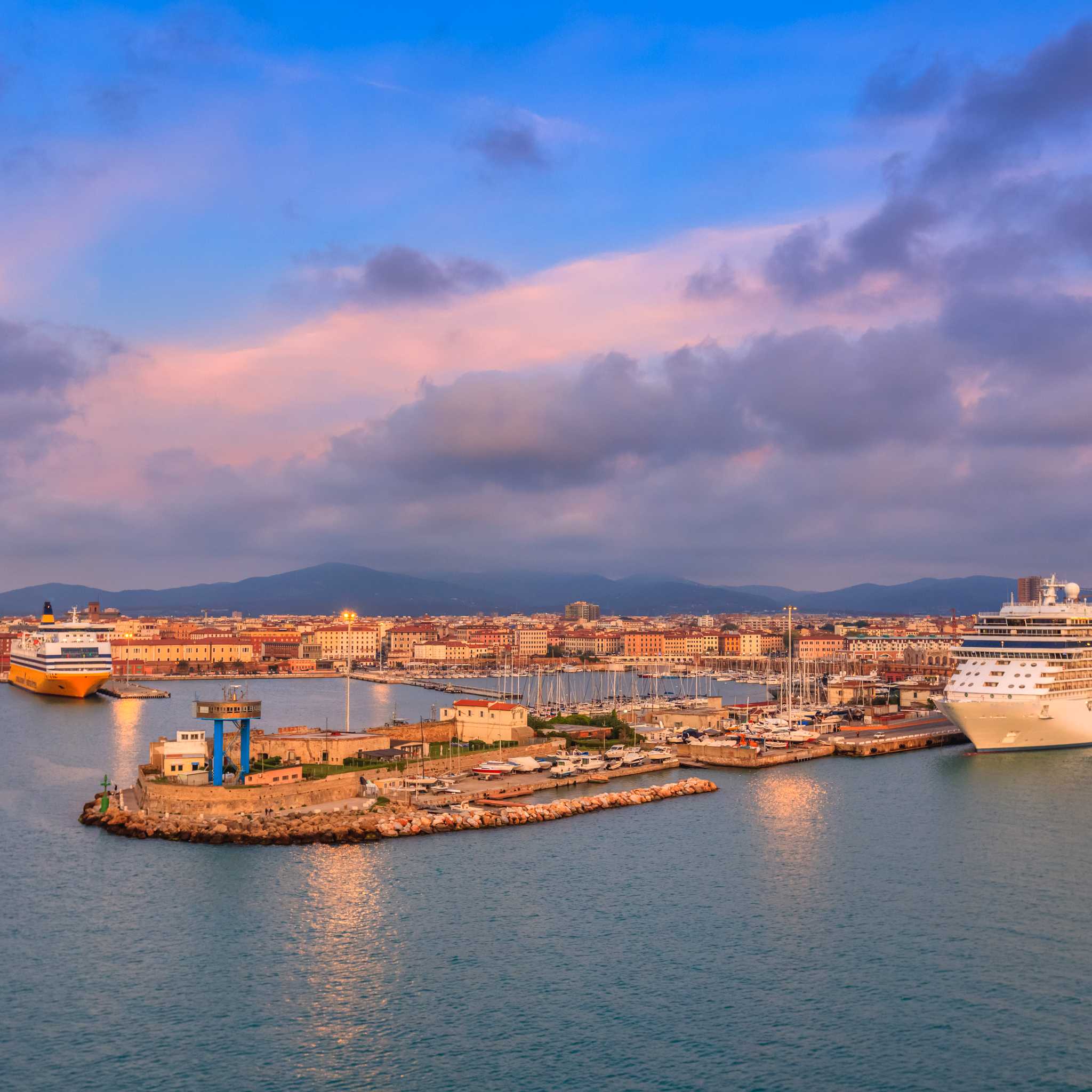
Tuscany's cities reward the detour. Florence anchors most itineraries, but the region's real range shows up when you keep traveling – through walled medieval towns, leaning towers, and working ports.
Tuscany's cities reward the detour. Florence anchors most itineraries, but the region's real range shows up when you keep traveling – through walled medieval towns, leaning towers, and working ports.


When to go
Spring
Best overall for mild weather and countryside in bloom. Skip the crowds by targeting April rather than Easter week. Val d'Orcia's cypress roads peak in May.
Summer
Best for beaches along the Versilia coast. Skip crowds by heading inland – Siena and Arezzo empty out in August. Go early morning or late evening.
Autumn
Best for food and wine. Go to Montalcino in October for early Brunello harvest. Skip summer crowds but keep the warmth well into September.
Winter
Best for cities without the queues. Florence's museums are walkable in January. Skip the coast – it shuts down. Go to Siena for Christmas markets.
Our picks: things to do in Tuscany
From Vasari's frescoes in the Duomo to the Palio di Siena, Brunello tastings in Montalcino, Etruscan ruins near Piombino, and ferry rides to Elba – Tuscany covers more ground than most regions twice its size.
From Vasari's frescoes in the Duomo to the Palio di Siena, Brunello tastings in Montalcino, Etruscan ruins near Piombino, and ferry rides to Elba – Tuscany covers more ground than most regions twice its size.
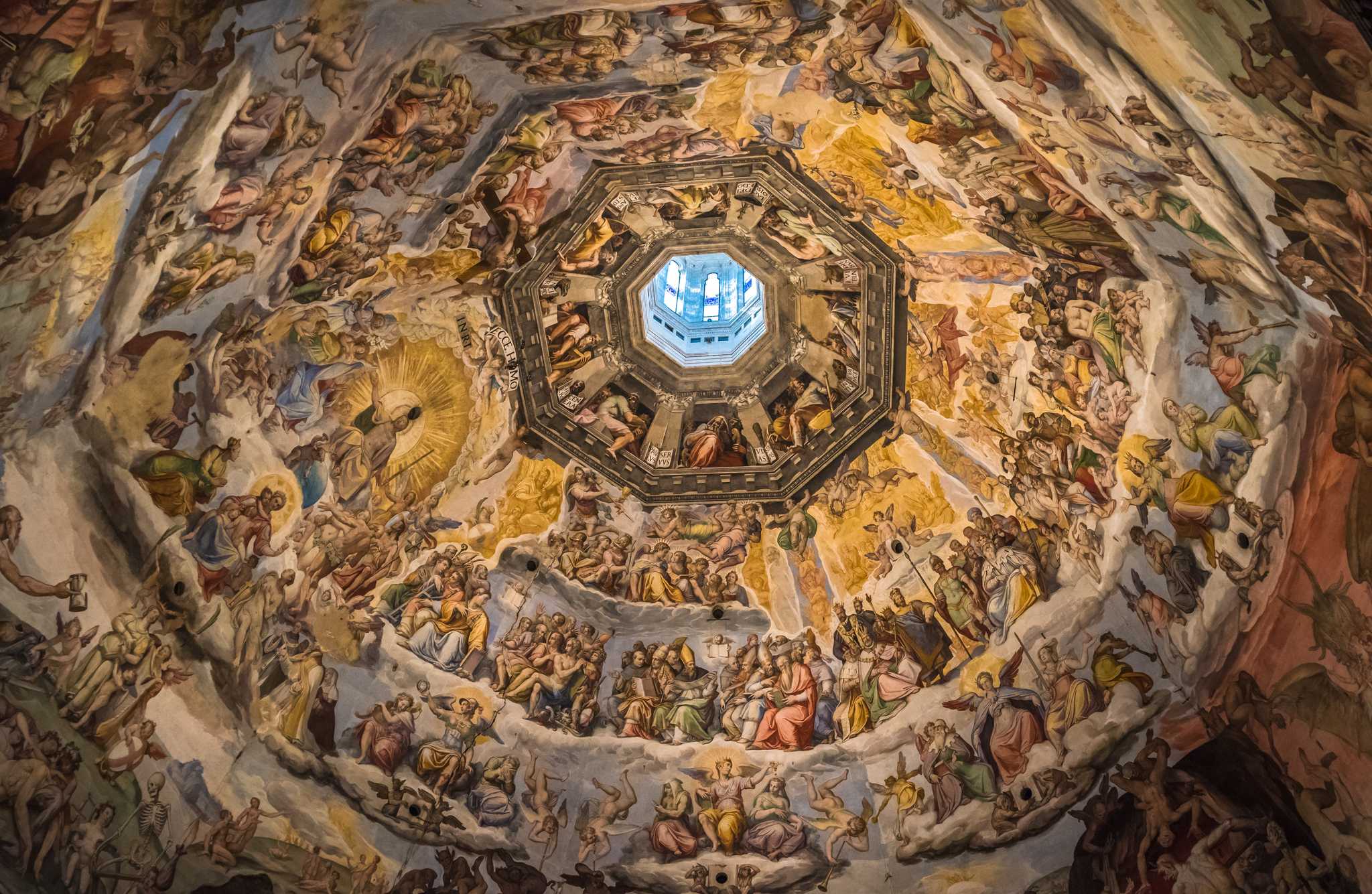
Explore the Renaissance
Tuscany shaped the Renaissance and hasn't stopped producing since. The region's cities, small towns, and countryside all tell a different part of the story.
- Stand inside Florence's Duomo and look up at Vasari's fresco
- Visit Siena's Pinacoteca Nazionale for Gothic Sienese painting
- Catch the Palio di Siena – a bareback horse race since 1633
- Browse Arezzo's Fiera Antiquaria, held the first weekend of the month
- Attend a performance at Lucca's Teatro del Giglio opera house
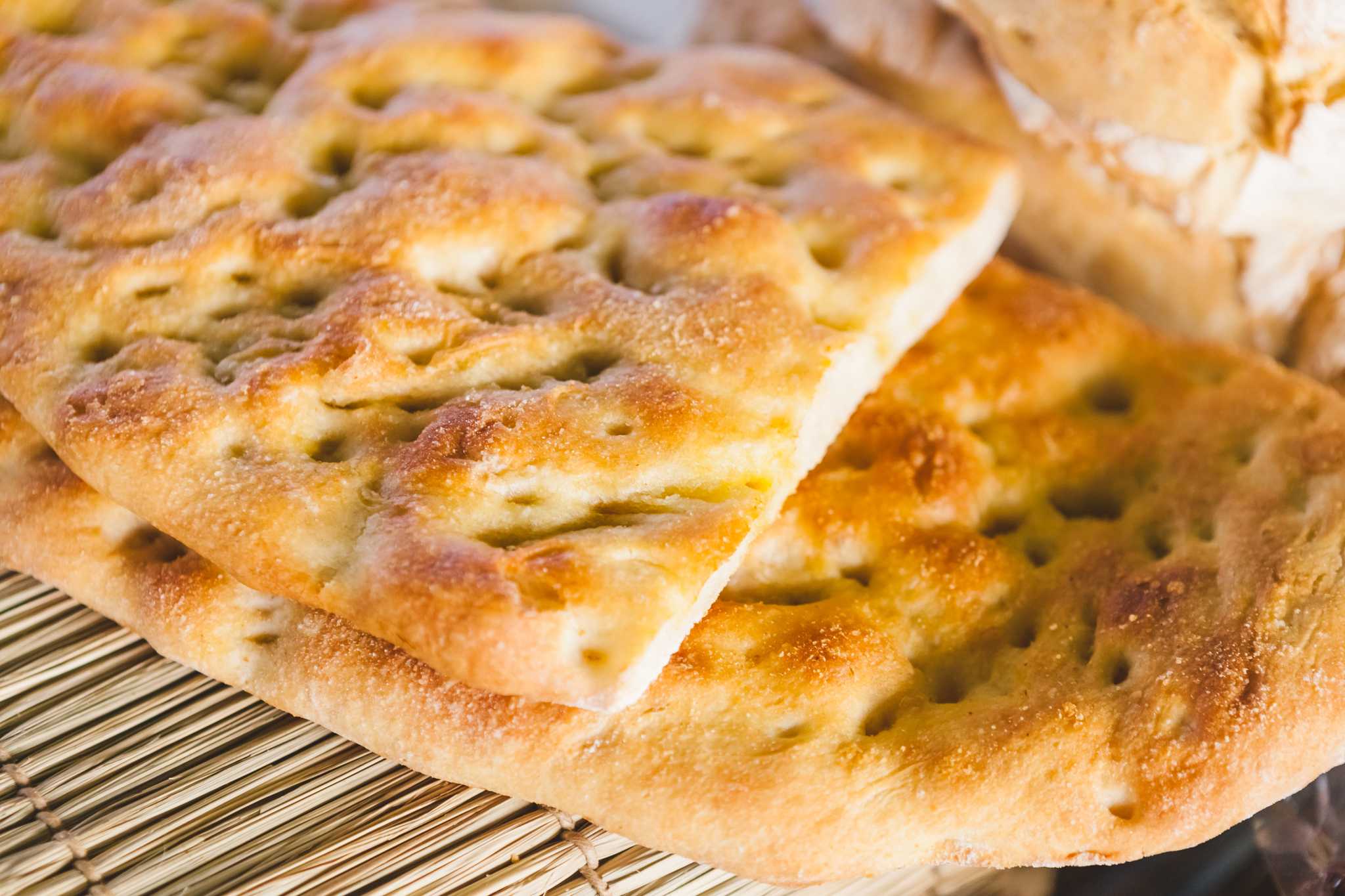
Eat your heart out
Tuscan food follows one rule: don't complicate it. The region's cuisine is built on good bread, olive oil, beans, and meat cooked over fire.
- Order Bistecca alla Fiorentina at a Florence trattoria
- Try ribollita at a nonna-run osteria in Siena or Arezzo
- Eat cecina fresh from the oven at a Pisa bakery
- Visit Florence's Mercato Centrale for meats, pecorino, and truffles
- Stop in Greve in Chianti for a schiacciata with finocchiona
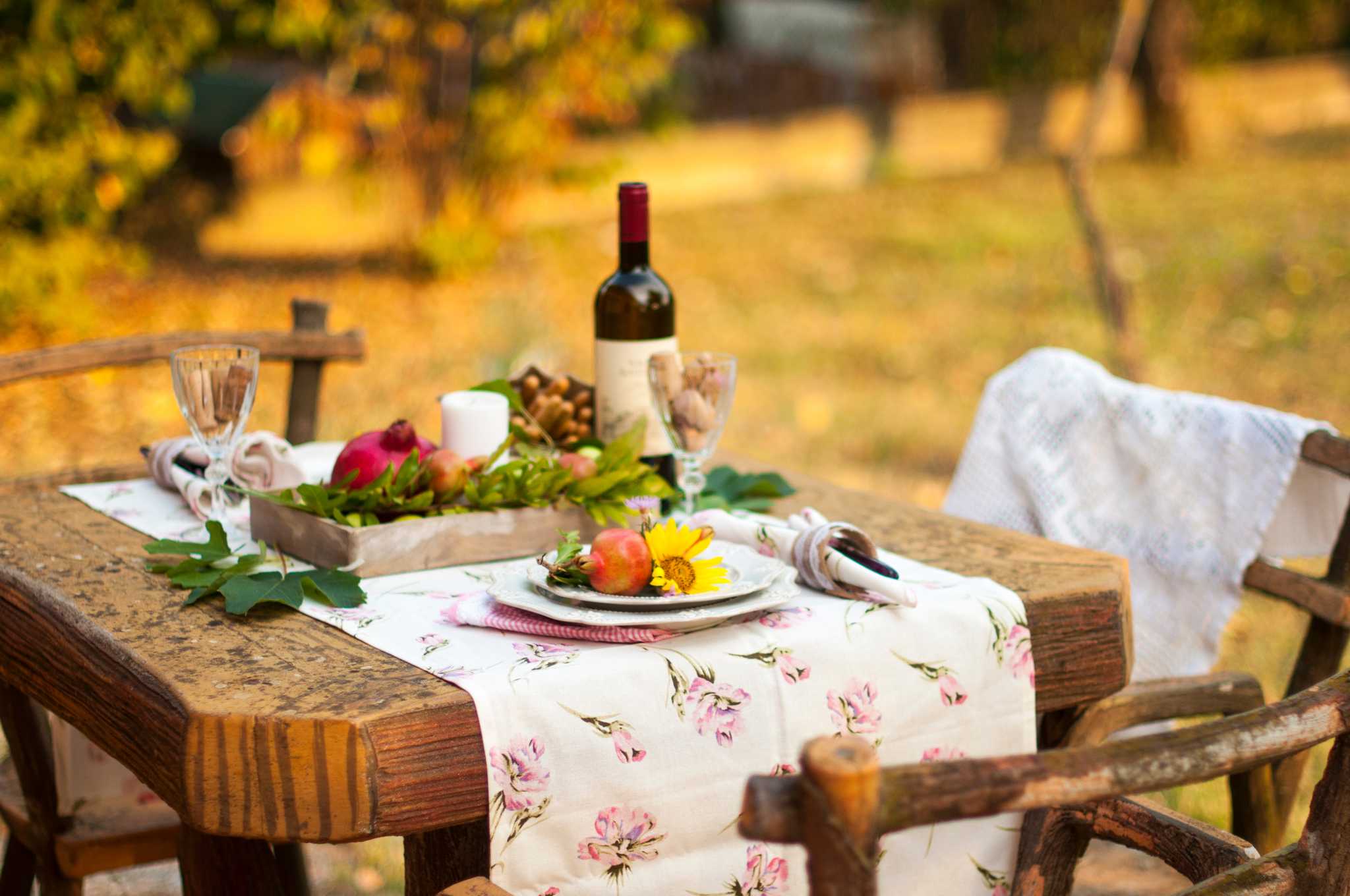
Drink the wine
Tuscany produces some of Italy's most serious reds. The best way to understand them is to drive the roads they come from.
- Taste Brunello di Montalcino – ask for the 2016 or 2019 vintage
- Drive the Chianti Classico road and stop at Castello di Brolio
- Try Vino Nobile in Montalcino's cantinas, like Cantine Contucci
- Visit Bolgheri in September for Sassicaia and Ornellaia tastings
- Pick up Vernaccia di San Gimignano from Panizzi outside the walls
Dig into the history
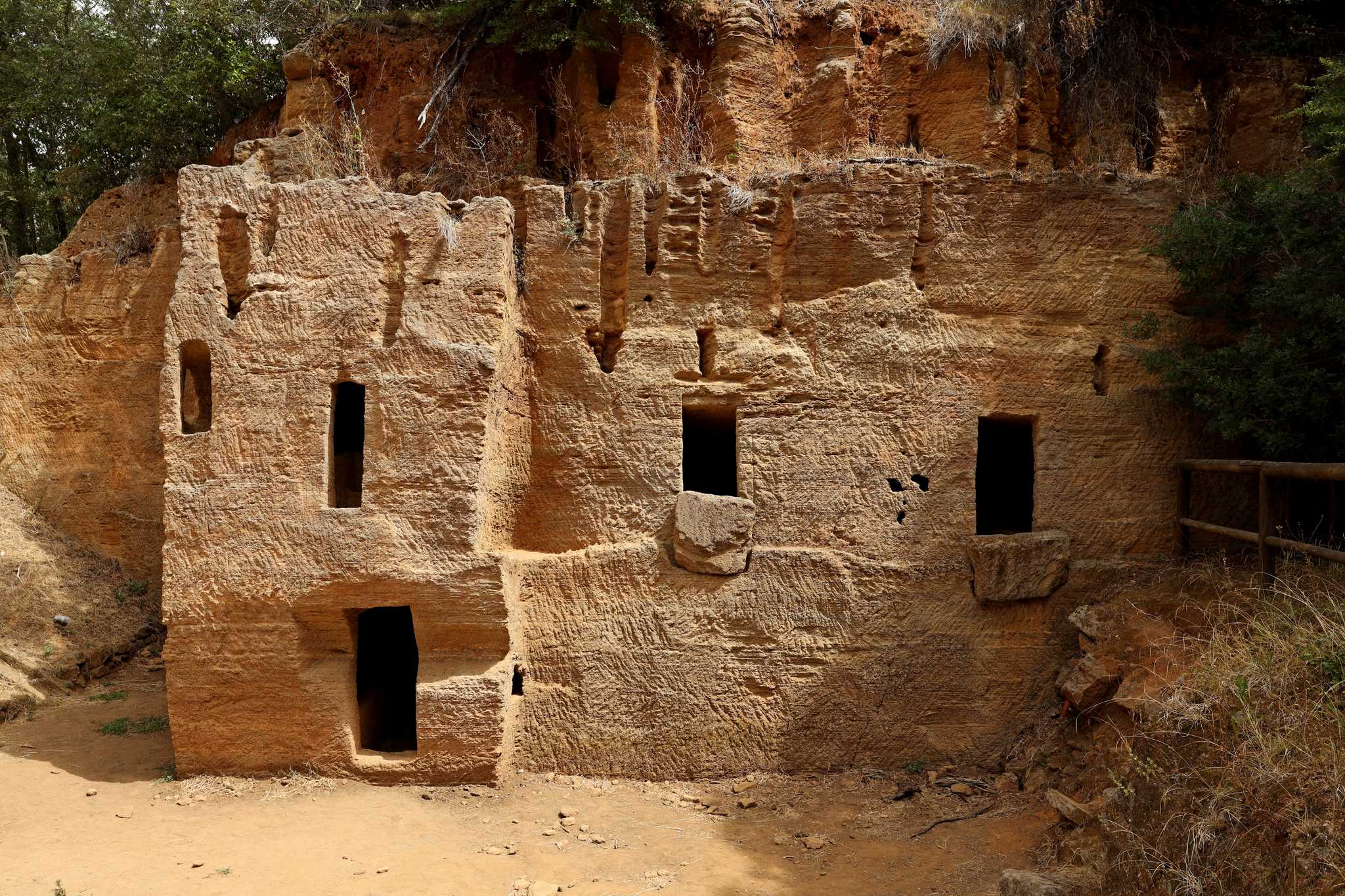
Tuscany has been continuously settled for over 3,000 years. The Etruscans were here before the Romans, and the evidence is still in the ground.
- Explore the Etruscan necropolis at Populonia, near Piombino
- Walk Lucca's Roman amphitheatre, traced by medieval buildings
- Visit the Museo Nazionale Etrusco in Chiusi for Etruscan finds
- See 14 surviving medieval towers in San Gimignano
- Tour the Fortezza Medicea in Arezzo for Valdichiana views
Get to the beach
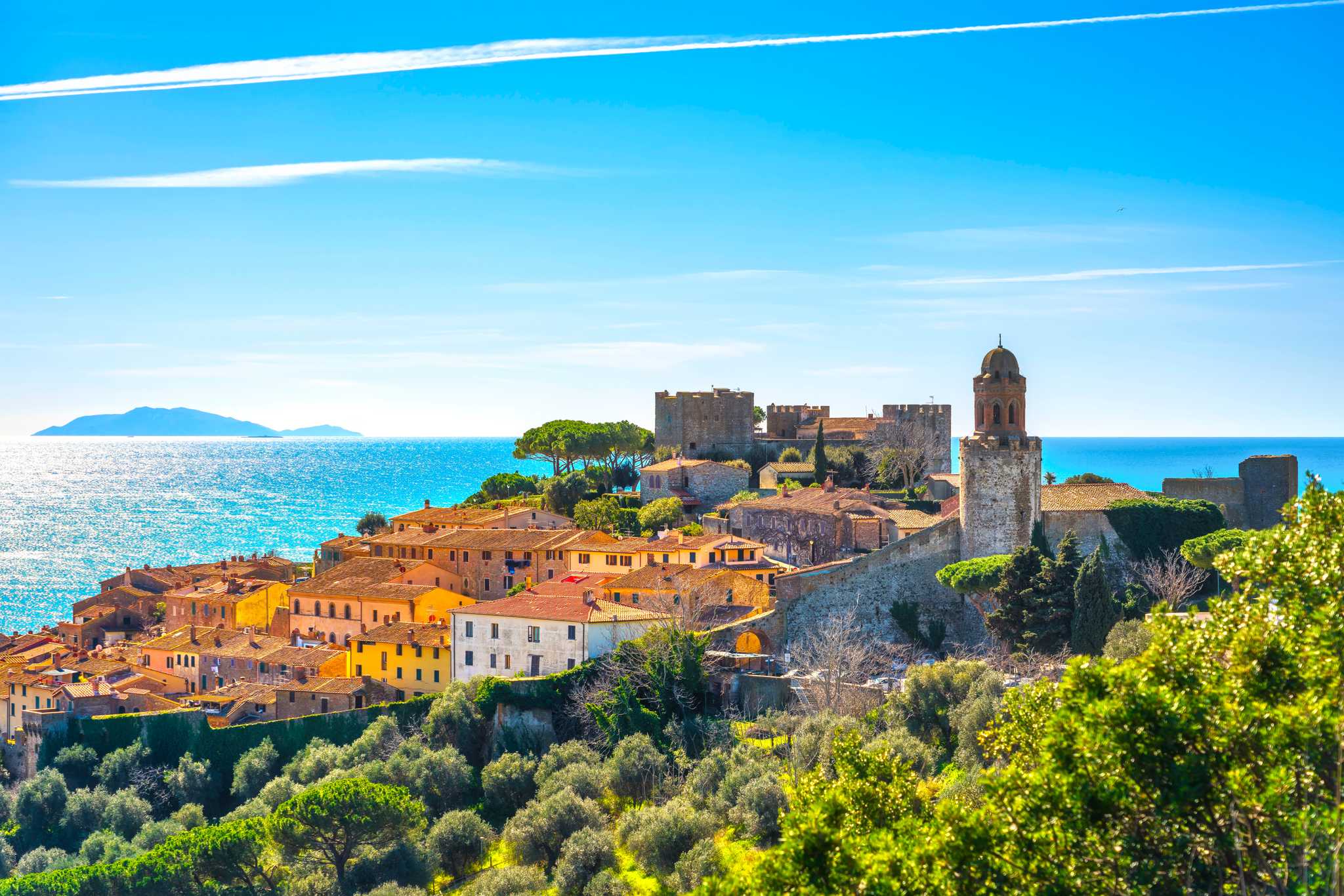
Tuscany's coastline runs for 250 miles (400 kilometers) and covers everything from fine sand to rocky coves, plus three islands worth the ferry ride.
- Rent a sunbed at Forte dei Marmi, the Versilia Riviera's best
- Ferry to Elba and hire a scooter for the quieter western coves
- Walk to Cala Violina in the Maremma through the pine forest
- Ferry to Giglio for clear water and a hilltop medieval village
- Base yourself in Castiglione della Pescaia, a walled beach town
Get into nature
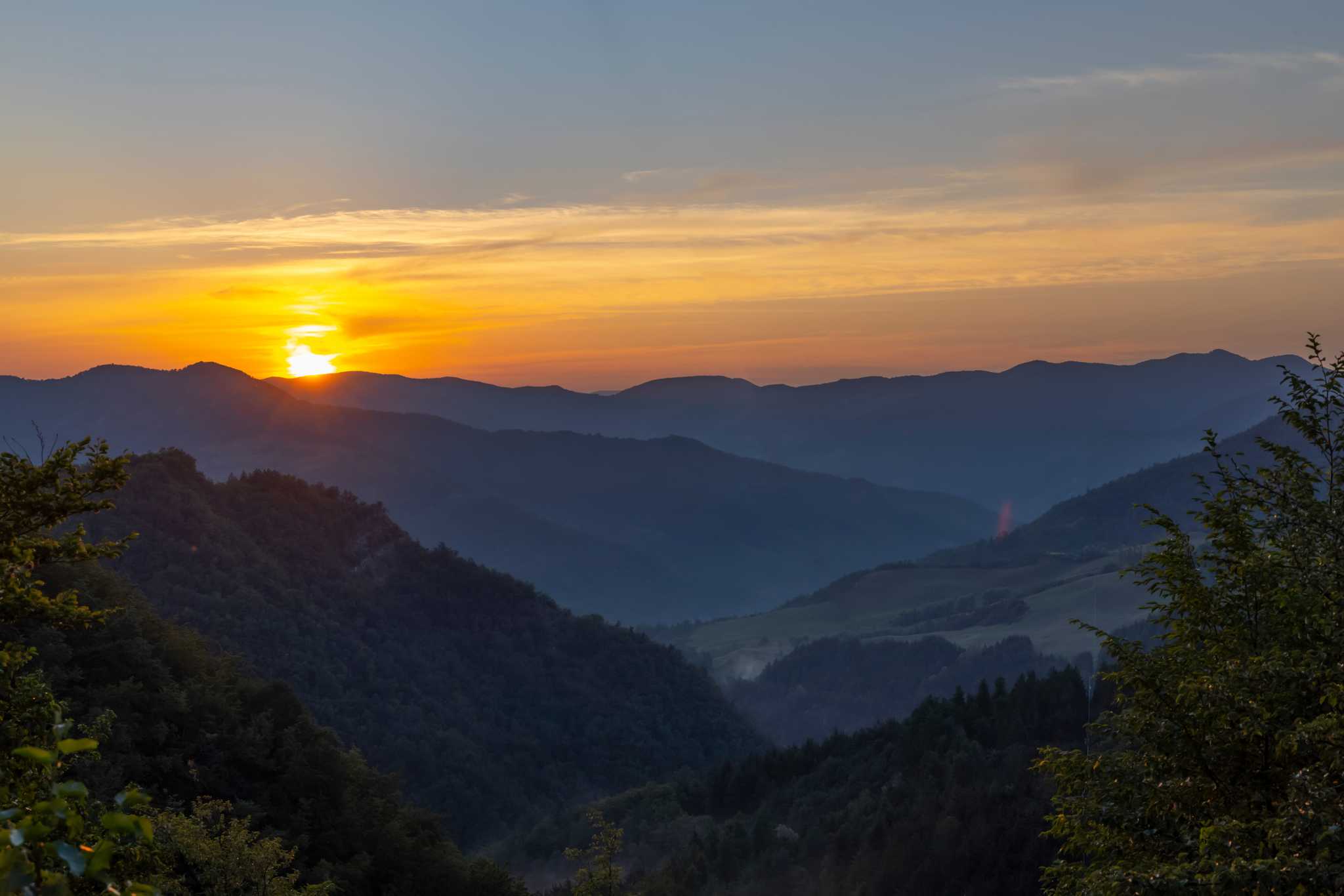
Tuscany's landscape is not just a backdrop. The region has two national parks, a volcanic lake district, and thermal springs you can swim in for free.
- Hike the Parco Nazionale delle Foreste Casentinesi above Arezzo
- Soak in the free thermal pools at Bagno Vignoni or Saturnia
- Explore the Crete Senesi south of Siena in early spring
- Walk the Via Francigena through the Val d'Orcia to Radicofani
- Kayak on Lake Bolsena, a volcanic crater lake south of Tuscany
What to eat, drink, and order
Tuscan food is defined by restraint – good ingredients, minimal interference, and centuries of knowing what works. The wine follows the same logic: regional grapes, specific soils, and the art of cucina povera (peasant foods).
Tuscan food is defined by restraint – good ingredients, minimal interference, and centuries of knowing what works. The wine follows the same logic: regional grapes, specific soils, and the art of cucina povera (peasant foods).
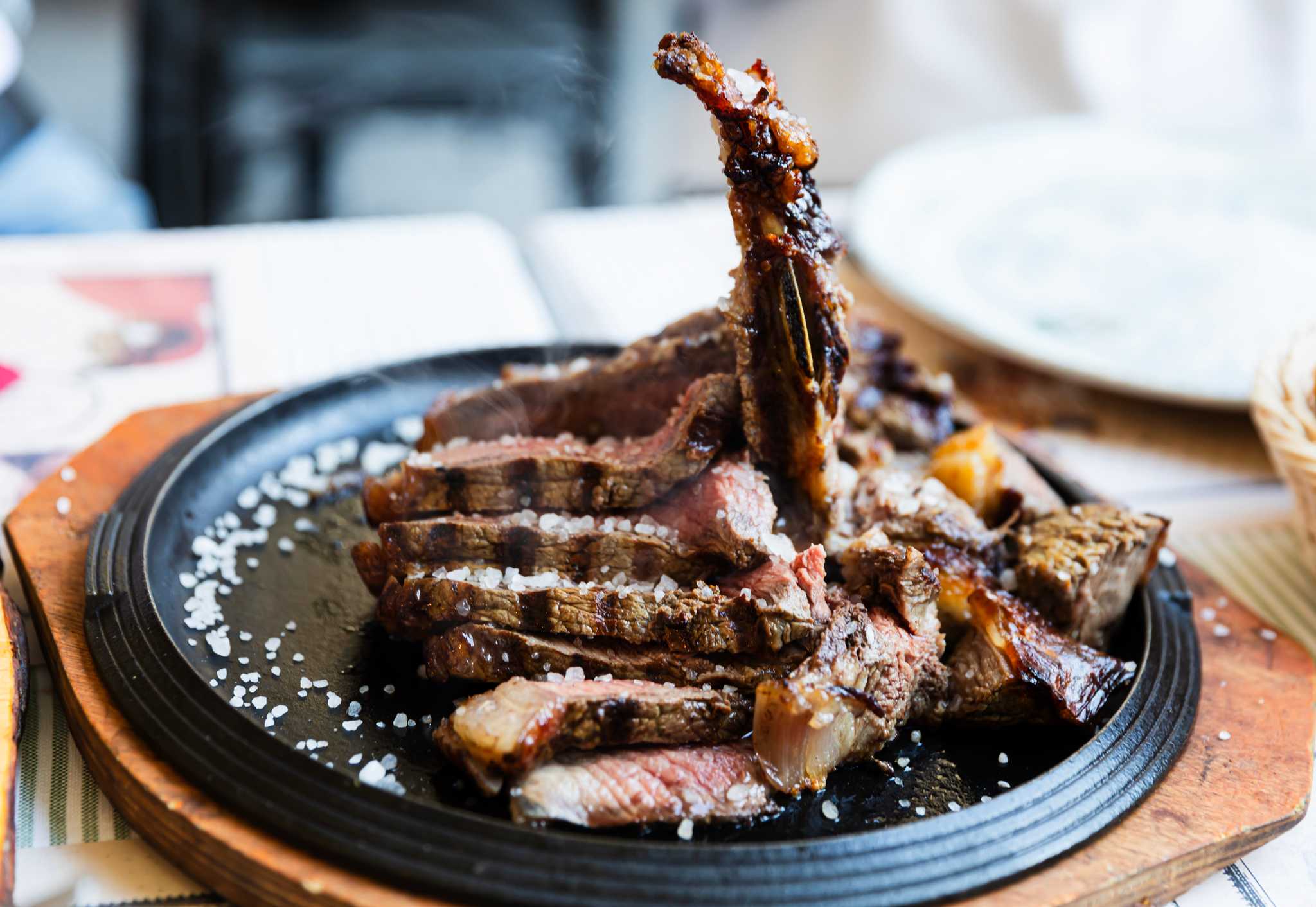
Bistecca alla Fiorentina in Florence
A Chianina T-bone, thick-cut and cooked rare over charcoal. Order it by weight and don't ask for it well done.
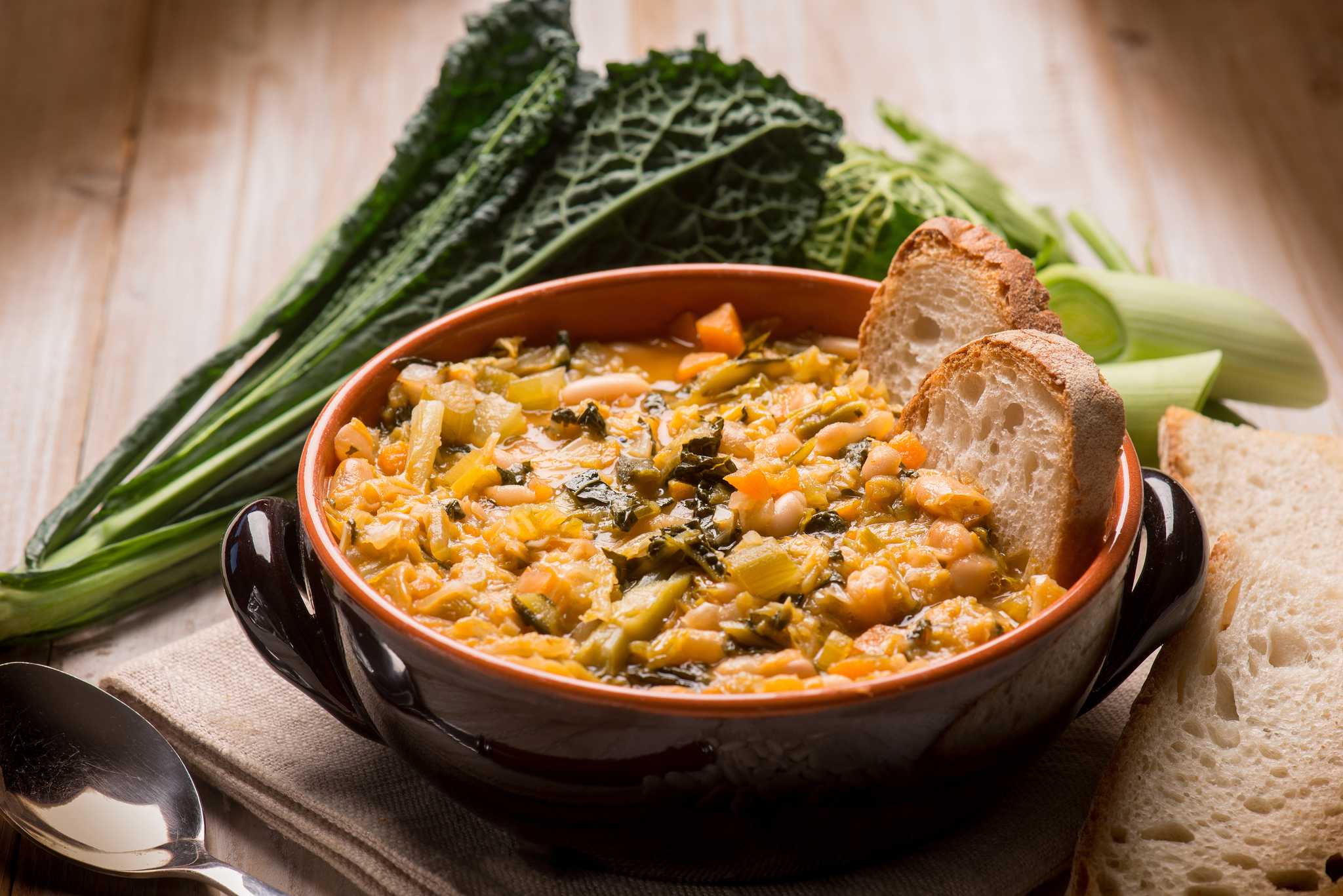
Ribollita in Siena
A twice-cooked bread and cavolo nero (Tuscan kale) soup that tastes better the next day. The definition of Tuscan cucina povera.
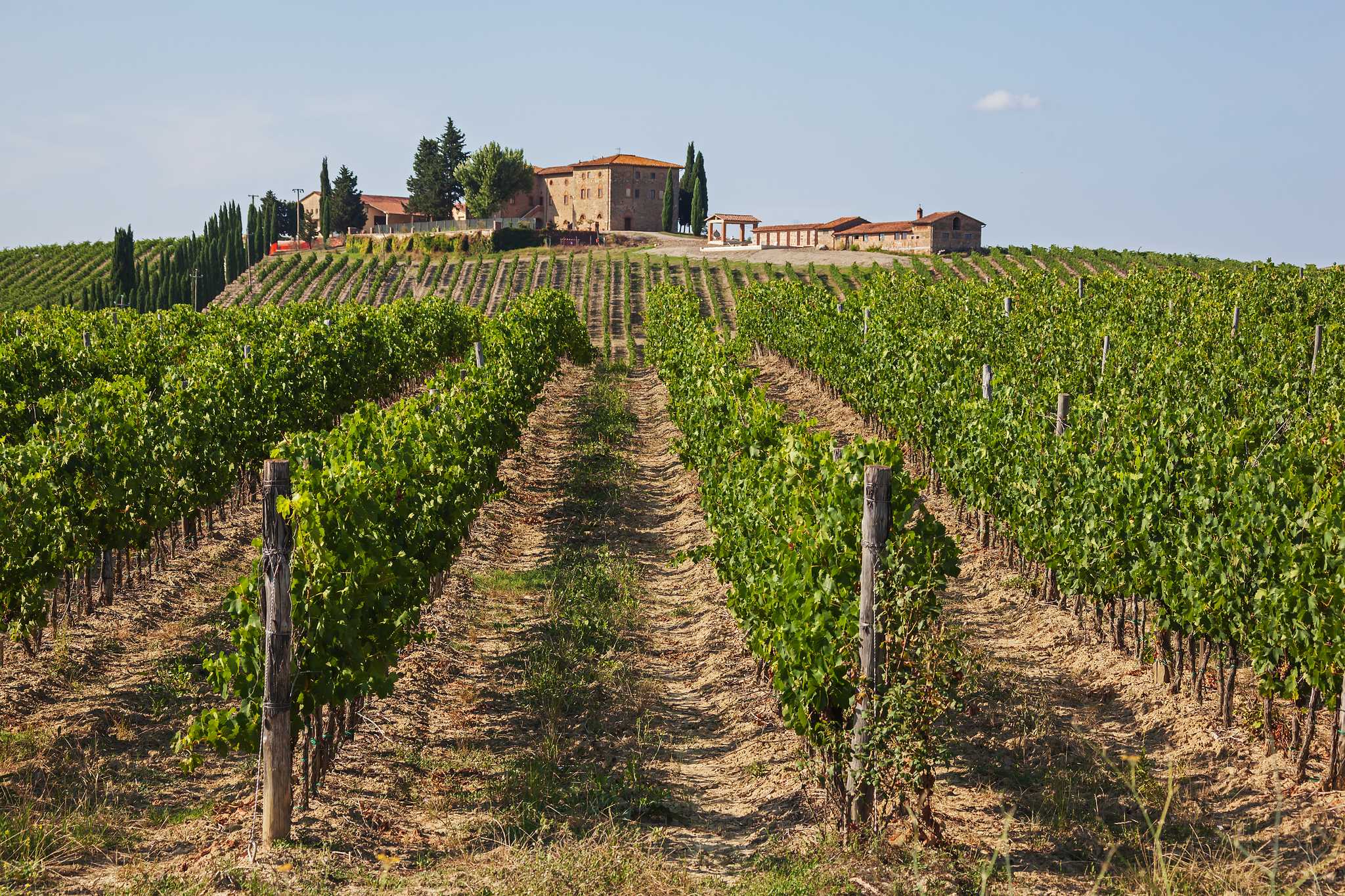
Brunello di Montalcino in Montalcino
Sangiovese wine grown on hillside clay and aged for years. The 2016 vintage is the one to look for right now.
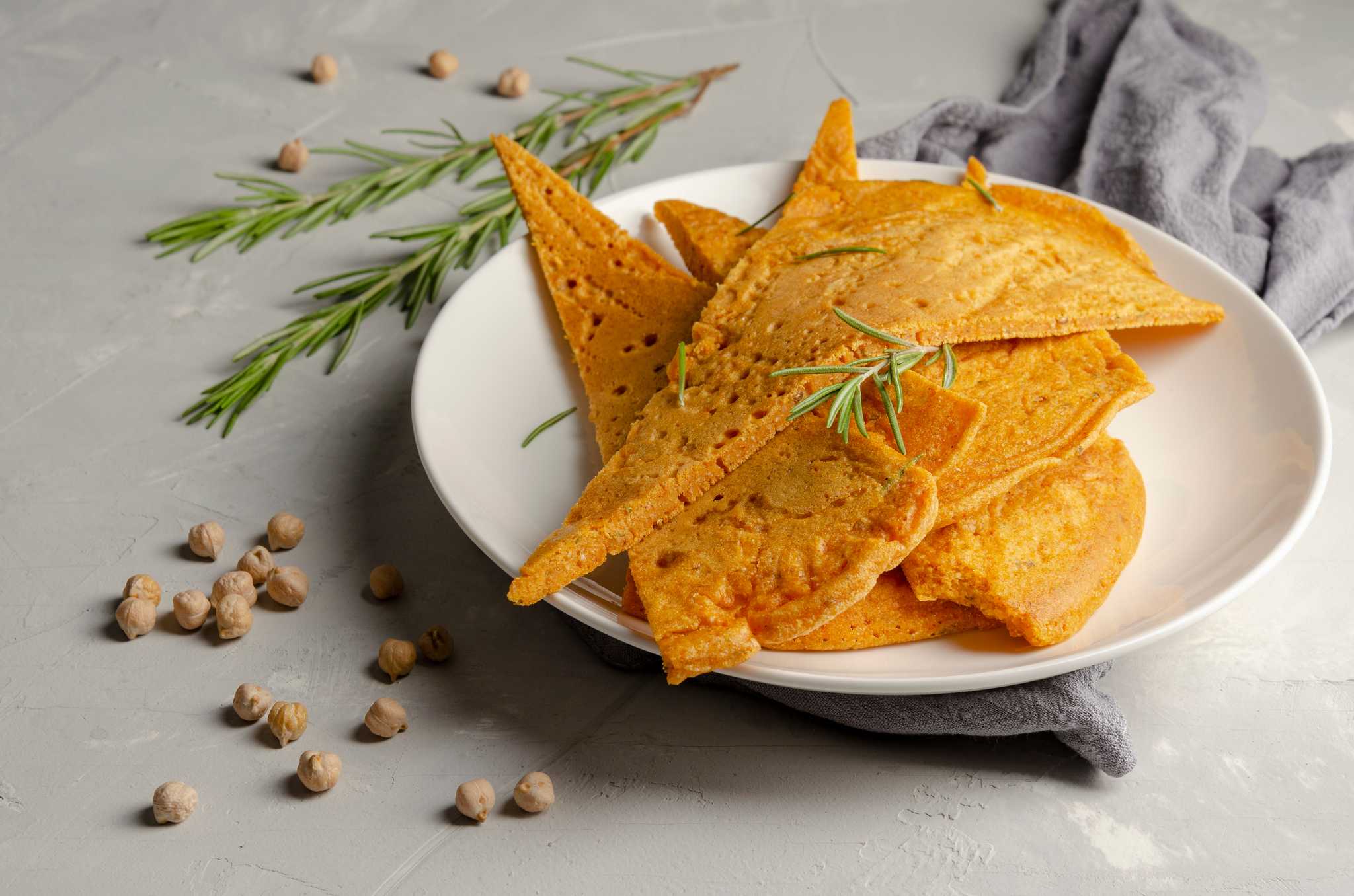
Cecina in Pisa
A thin, crispy chickpea flour flatbread baked in copper pans. Eat it hot from a Pisan bakery, folded into paper.
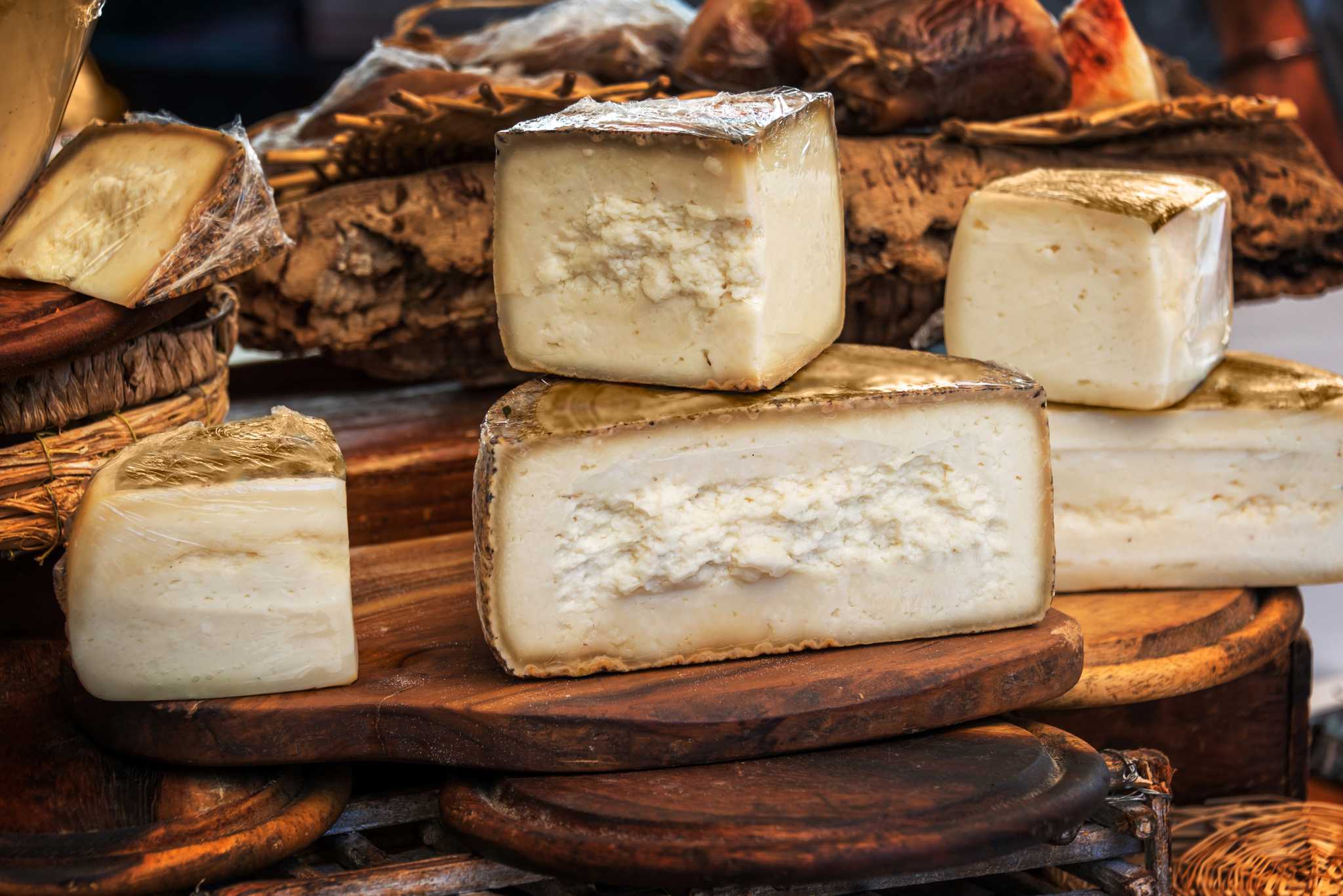
Pecorino in Pienza
Aged sheep's milk cheese from the Val d'Orcia. Buy it directly from a producer such as Caseificio Busti on Pienza's main street.
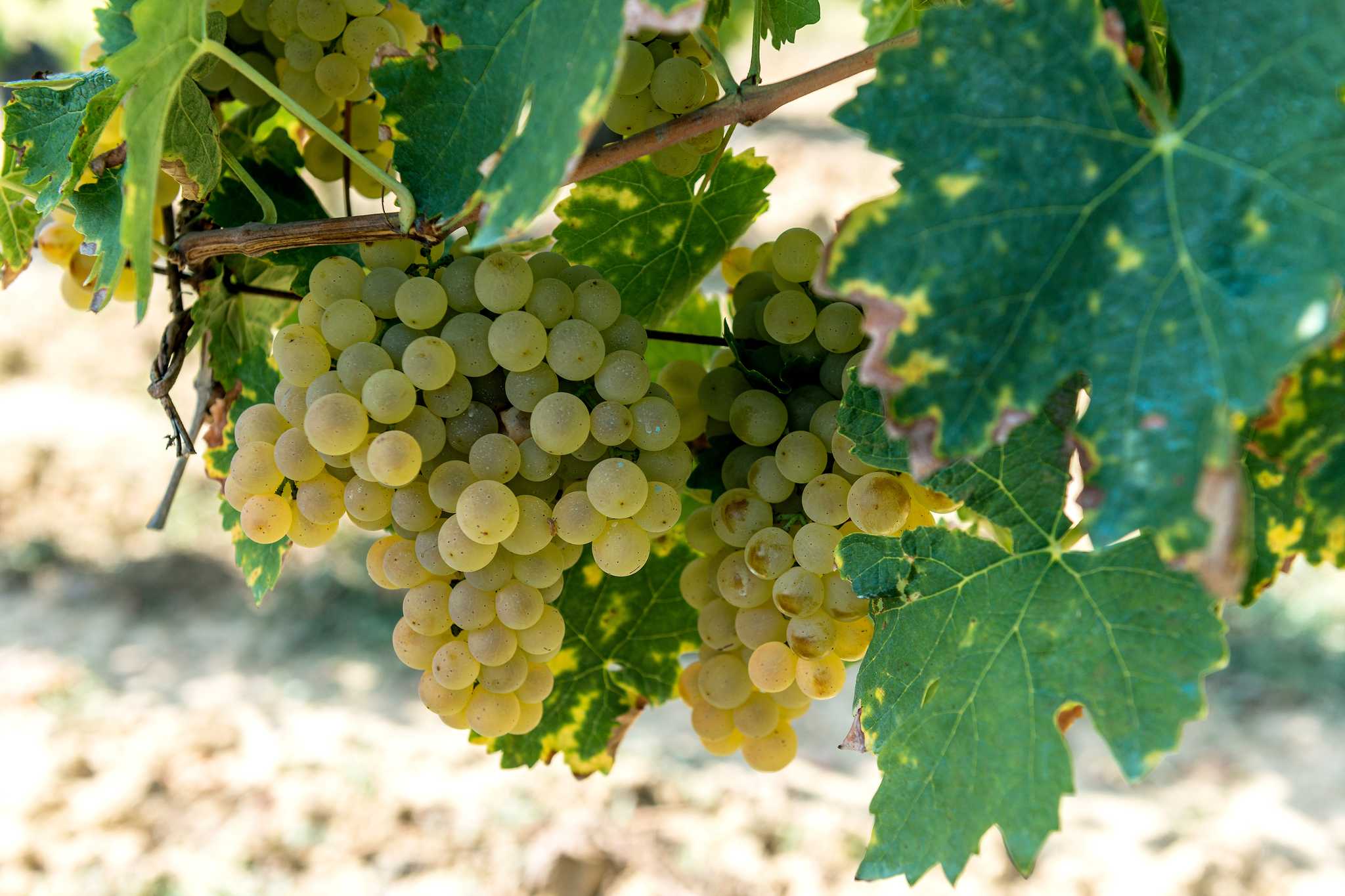
Vernaccia di San Gimignano in San Gimignano
Tuscany's finest white – dry, mineral, and best enjoyed cold in the town piazza where it's been made since 1276.
Our recommended routes in Tuscany
Florence to Siena
1h 11min • 76km (47.2mi)
From €353
Siena to Pisa
1h 45min • 125km (77.7mi)
From €359
Pisa to Montepulciano
2h 14min • 193km (119.9mi)
From €529
Arezzo to Florence
1h 5min • 77km (47.8mi)
From €358
Florence to Livorno
1h 29min • 95km (59.0mi)
From €355
Pisa to Castellina in Chianti
1h 32min • 105km (65.2mi)
From €358
Lucca to Monteriggioni
1h 27min • 126km (78.3mi)
From €366
Pienza to San Gimignano
1h 40min • 95km (59.0mi)
From €355
Siena to Montecatini Terme
1h 21min • 117km (72.7mi)
From €362
Florence Airport to Bolgheri
1h 32min • 127km (78.9mi)
From €365
Lucca to Greve in Chianti
1h 16min • 101km (62.8mi)
From €361
Arezzo to Montalcino
1h 14min • 84km (52.2mi)
From €356
Day trips from Tuscany's top cities
2+ million travelers like you. Moments they'll never forget.

Your Tuscany questions, answered

About the author
Anica Mancinone is an Australian writer based in Europe, with Italian roots that make Tuscany feel like a second home. She believes the best way to understand a place is through what it eats.
Be the first to discover more
Get handpicked travel ideas, insider highlights, and special Daytrip offers.


