आपका ड्राइवर आपसे Heidelberg में आपके पते पर मिलेगा।
डोर-टू-डोर सेवा
आपके सामान के साथ मदद
यात्रा
आप 3 घं 40 मि के लिए आराम से यात्रा करेंगे।
वैकल्पिक दर्शनीय स्थल
साफ़, आरामदायक कार
पेशेवर चालक
बोतलबंद पानी
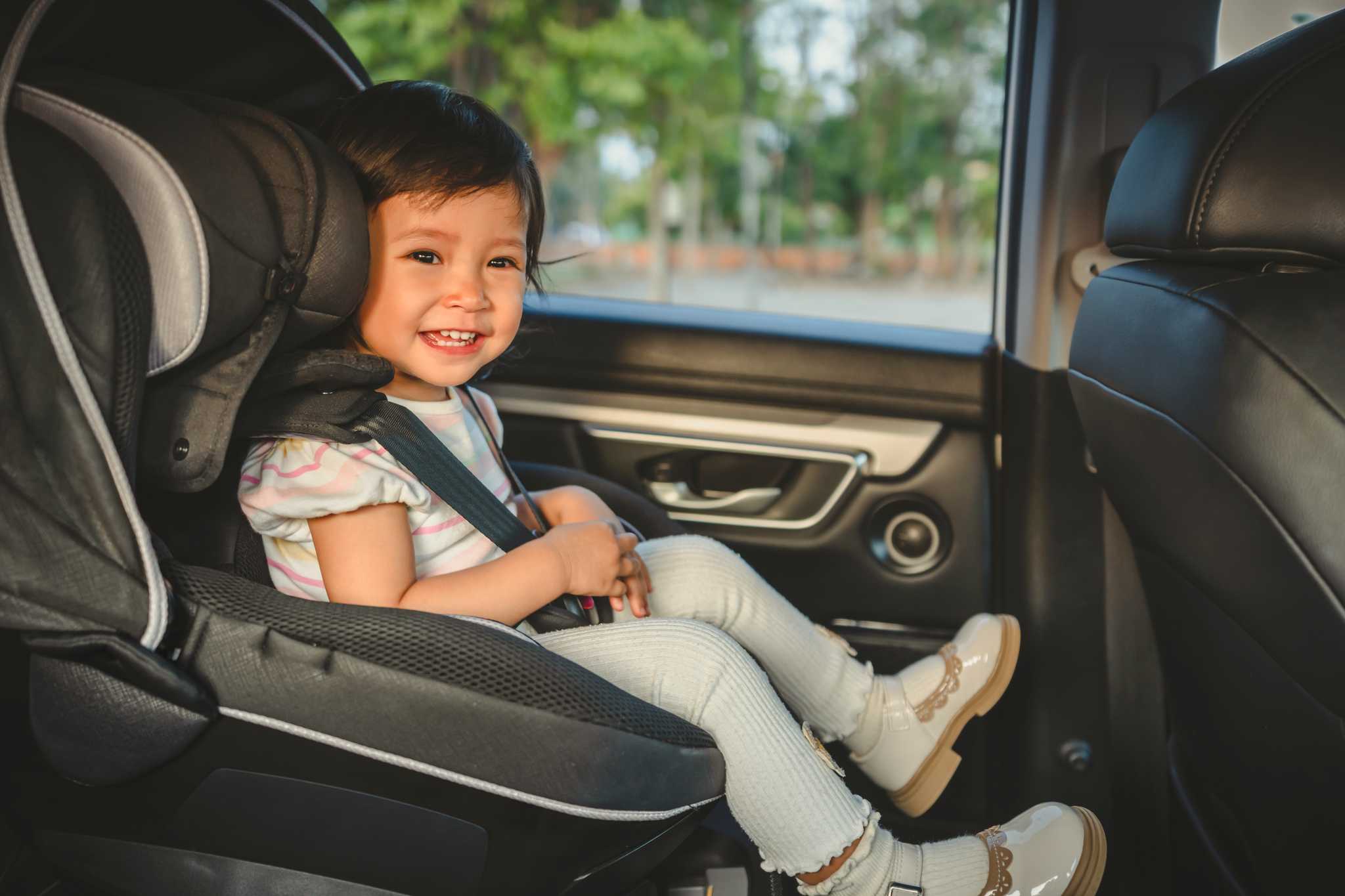
बच्चे की सीटें
विकलांगों के लिए तैयार
धूम्रपान मुक्त
पालतू-मैत्रीपूर्ण
ड्रॉप-ऑफ
आपका ड्राइवर आपको Munich में आपके पते पर छोड़ देगा।
डोर-टू-डोर सेवा
आपके सामान के साथ मदद
कुल मिलाकर
345 किमी3 घं 40 मि
Heidelberg से Munich तक यात्रा के बारे में प्रश्न और उत्तर
How many days should I spend in Munich?
Three to four days are enough to see the main points of interest in Munich. With so many family-friendly activities and museums for every possible interest, there is always something to do in Munich. When you’ve seen enough of the city, head to a local hiking trail for the day!
Is Heidelberg close to Munich?
Yes and no. Heidelberg is relatively close to Munich but it’s still nearly a 4-hour-long drive. Germany is a large country, so is much shorter than between other major cities, but it is not close enough for a day trip.
Do I need to pay with cash in Munich?
In many places, yes. While most shops, museums, and restaurants in the city center will accept credit and debit card payments, a lot of Oktoberfest’s food and beer stalls only accept cash. Keep some small bills on you just in case!
What is the fastest way to get from Heidelberg to Munich?
At 3 hours and 40 minutes, driving directly from Heidelberg to Munich is the fastest way to travel. You’ll first drive south towards Karlsruhe on Highway 5, then southeast to Munich on Highway 8. Daytrip makes planning this road trip fast and easy!
What is the easiest way to get from Heidelberg to Munich?
Hiring a private driver with Daytrip is the easiest way to get from Heidelberg to Munich without needing to follow bus schedules or transfer trains in Mannheim. This option is great for families with young children and people who’d like to customize their trip with sightseeing stops.
How do you get from Heidelberg to Munich?
You can drive directly to Munich, take a direct bus, or take a train that transfers in Mannheim. When choosing your mode of transportation, consider the following: the price, estimated travel time, and cultural immersion opportunities available for each option.
आपके लिए डिज़ाइन की गई विशेष यात्राओं का अन्वेषण करें
यदि आपके कोई प्रश्न हैं, तो यहाँ उत्तर दिए गए हैं।
डे ट्रिप दुनिया भर के 14,700+ शहरों का अनुभव करने का सबसे सुविधाजनक तरीका है।
हर यात्री उस देश की संस्कृति के बारे में वास्तविक जानकारी का हकदार है, जहां वे जा रहे हैं। और पृथ्वी पर हर अद्भुत स्थान का दौरा किया जाना और सराहा जाना चाहिए। हम मानते हैं कि किसी अन्य संस्कृति को वास्तव में समझने के लिए अद्वितीय स्थानीय ज्ञान और वास्तविक मानवीय संबंध अपरिहार्य हैं।
Once you’ve seen Heidelberg, it’s time to head south into Bavaria for the next leg of your German getaway. The drive from Heidelberg to Munich takes about 3 hours and 40 minutes on well-maintained highways with plenty of alternative routes for possible construction or traffic.
As you cross the southern plains of Germany, break up the driving with sightseeing stops in cities like Ulm and Augsburg for a full picture of Bavaria. These cities are thousands of years old and tell the story of a region under Roman and Austro-Hungarian rule. Daytrip’s online booking system makes it easy to add city breaks to your trip so you can have the flexibility of a rental car with the convenience of a private driver.
As the Bavarian Alps come closer into view, you’ve reached Munich!
About Munich
Before you head south from Heidelberg to Munich, learn more about the home of Oktoberfest.
Munich: Bavaria’s capital
The Free State of Bavaria is located in southern Germany and has a distinct regional identity apart from other German-speaking regions of Europe. Bavarian is a dialect of the German language and can be difficult to understand even among fellow Germans. Bavarians also tend to be Catholic, unlike the rest of Germany which tends to lean Protestant (specifically, Lutheran).
Munich is the capital of Bavaria. It was founded by monks in the 700s and is reflected in its name, as Munchen means “to the monks.” Although Bavaria has fallen in and out of empires over the centuries, it retains its unique identity. Oktoberfest is one such cultural cornerstone that has been exported over long distances as Bavarians immigrated to other countries.
### Munich: an inventor’s paradise
Munich is a center for innovation in science and technology. It has many factories, company headquarters, and laboratories from local and international brands, as well as several universities. A few famous products originate in Munich, including the BMW, the MP3 player, self-driving cars, and modeling clay. It is also home to 6 major breweries, as Bavaria has a long tradition of brewing beer.
### Munich: a modern phoenix
Most of Munich was completely destroyed due to bombing during WWII and it suffered a huge population loss. Major rebuilding efforts restored the original city layout, but with modern buildings and improved infrastructure. Today it is home to 6 million people and is one of the most expensive cities in Germany.
From Heidelberg to Munich: travel tips
Before putting the finishing details on your Heidelberg to Munich transfer, check these three tasks off of your list!
Purchase tickets for Munich’s museums and tours now
Don’t spend your valuable vacation time waiting in line! Purchase any of Munich’s must-see museums or attractions before arriving. Consider getting the Munich Card or City Pass for free or discounted entry to dozens of attractions around the city!
### Confirm the Oktoberfest dates
Contrary to what the name suggests, Oktoberfest celebrations occur mostly in September, and the date changes slightly every year. Weekends during Oktoberfest are when Munich really fills up, so book your hotel as soon as you can if you want to visit during the festivities!
### Plan for a lazy Sunday
If you are traveling on a Sunday, take note! Germany has a strict tradition of keeping Sundays for relaxation and rest. They even have labor laws that require most retail shops and grocery stores to be closed on Sundays or have limited hours. Restaurants and bars will, however, be open.
How to get from Heidelberg to Munich
You have a couple of options for covering the 214-mile (345 km) distance from Heidelberg to Munich: car, bus, or train. Follow below as we lay out the details for each transportation option.
Private drivers from Heidelberg to Munich
Driving is the fastest way to make your trip, at 3 hours and 40 minutes door-to-door, plus you can customize the journey! Turn a half-day transfer into a full day of exploring the Bavarian countryside with a local, expert driver behind the wheel. Daytrip’s easy online booking system includes optional hand-selected stops to places like Schwetzingen Castle and Karlsruhe Palace.
After a day of sightseeing, you’ll be glad to head straight to your address in Munich without needing to learn the S-bahn and U-bahn systems right away. Daytrip makes this transfer easy, starting at just $119 per seat.
### Trains from Heidelberg to Munich
Deutsche Bahn (DB) only has three direct trains leaving daily from Heidelberg to Munich. They leave at 1:52 AM, 3:40 AM, and 7:13 PM. The journey takes between 3 and 4.5 hours and costs from $20 to $60.
For a slightly shorter journey with more departure options, take a regional train from Heidelberg to Mannheim (20 minutes). From Mannheim, you’ll have about 15 direct departures to Munich leaving almost hourly. This route also costs between $20 and $60, but only takes about 4 hours, excluding your taxi or bus to your hotel in Munich.
### Buses from Heidelberg to Munich
Flixbus has direct buses from Heidelberg to Munich that leave eight times per day. The total travel time for this ride is between 4.5 and 6 hours. Tickets must be purchased ahead of time and cost between $19 and $39.
Things to do when you get to Munich
Oktoberfest is Munich’s claim to fame, with huge festivities and many visitors every fall, but it is not the only thing to do in the capital of Bavaria! Visit the world-class museums, tour famous stadiums, and find plenty of family-friendly activities to do after your Heidelberg to Munich transfer. If your trip is during weekends in the summer or Oktoberfest, pre-order tickets to any must-visit attractions!
The BMW Museum and BMW World
Whether you’re obsessed with cars or just a casual fan, take a tour of the BMW Museum and BMW World! Follow the story of BMW as it evolved from a local product into the world-renowned brand of today at the BMW Museum. Next, go to BMW World to see the latest and greatest from BMW, Rolls-Royce, and MINI.
### FC Bayern’s Allianz Arena
FC Bayern is Germany’s most successful football (soccer) club in sports history and it calls the Allianz Arena home. Take a tour of the stadium to see the team’s rise to fame and the construction process of the arena for the 2006 World Cup.
### The Deutsches Museum Munich
This is easily one of the largest science museums in the world! The Deutsches Museum in Munich has several floors of disciplines ranging from aviation, math, human health, chemistry, space exploration, technology, and more! There is truly something for everyone at this family-friendly museum.
### The Englischer Garten (English Garden)
Munich’s English Garden is one of the largest urban parks in the world and is even larger than New York City’s Central Park. With over 900 acres of walking paths, gardens, streams, lakes, beer gardens, sports fields, and playgrounds, it is endless fun!
During warm days, go surfing on the Eisbachwelle (a man-made river wave), raft down the river, or sunbathe along its banks. After a fun and exhausting day of sports, cool down with one of Munich’s locally brewed beers at the Chinese Tower beer garden.
When is the best time to visit Munich
Bavaria is at its best in the autumn during September and October. Aligning your trip from Heidelberg to Munich for Oktoberfest is the perfect opportunity to see the changing leaves, go hiking on nearby trails, and celebrate Bavaria’s most famous holiday.
Oktoberfest is a Bavarian harvest celebration that is celebrated with traditional foods, folk music, and local beer. Participants wear traditional dirndl or lederhosen even if they aren’t Bavarian and fuel their folk dancing with plenty of sausage, beer, and pretzels. Munich has the largest Oktoberfest in the world.
रास्ते में इन स्थलों का दौरा करें
Schwetzingen Castle
The castle is famous for its gardens, ranked among the best in Europe and the reason visitors flock to Schwetzingen to admire an amazing smorgasbord of architectural styles. A miniature garden of Versailles
Karlsruhe Palace
The city of Karlsruhe was designed with the palace and the tower as its focal point and from an aerial view appears similar to a folding fan. All roads lead to the palace
Hohle Fels
Hohle Fels, a cave of outstanding archeological importance, is located in the UNESCO World Heritage Site of the Swabian Alps in Germany. The largest cave in Southern Germany
Ulm
Ulm is a city located on the River Danube that successfully compromises lovingly restored buildings with eye-catching modernity that creates a unique cityscape. A city blending traditional with contemporary
Augsburg
This historic city boasts a UNESCO-listed water management system, the world's first social housing project, and a wealth of Rococo monuments. An Ancient August Bavarian City
Dachau Memorial
In its ravenous twelve year existence, Germany's first concentration camp swallowed over 200,000 people from all over Europe. The Model for Nazi Concentration Camps
“हमें यह कंपनी बेहद पसंद है और हमने इसे कई वर्षों से कई बार इस्तेमाल किया है ताकि हमें खुद कार किराए पर लेने की झंझट न झेलनी पड़े। हर बार उत्कृष्ट ड्राइवर मिले। कुशल और पेशेवर। यह हर पैसे के लायक है और हम ईमानदारी से Day Trip की सिफारिश सभी को करते हैं। इसकी 5-स्टार रेटिंग पूरी तरह से योग्य है।”
“हमें यह कंपनी बेहद पसंद है और हमने इसे कई वर्षों से कई बार इस्तेमाल किया है ताकि हमें खुद कार किराए पर लेने की झंझट न झेलनी पड़े। हर बार उत्कृष्ट ड्राइवर मिले। कुशल और पेशेवर। यह हर पैसे के लायक है और हम ईमानदारी से Day Trip की सिफारिश सभी को करते हैं। इसकी 5-स्टार रेटिंग पूरी तरह से योग्य है।”
“हमें यह कंपनी बेहद पसंद है और हमने इसे कई वर्षों से कई बार इस्तेमाल किया है ताकि हमें खुद कार किराए पर लेने की झंझट न झेलनी पड़े। हर बार उत्कृष्ट ड्राइवर मिले। कुशल और पेशेवर। यह हर पैसे के लायक है और हम ईमानदारी से Day Trip की सिफारिश सभी को करते हैं। इसकी 5-स्टार रेटिंग पूरी तरह से योग्य है।”
“मैंने इस सेवा का उपयोग क्रोएशिया के स्प्लिट से मोंटेनेग्रो के पेरास्ट तक ट्रांसफर के लिए किया। मेरा अनुभव शानदार रहा। मेरे ड्राइवर Bojan सहायक, जानकार थे और उन्होंने सुनिश्चित किया कि मेरी यात्रा आरामदायक और आनंददायक हो। मैं इस सेवा की अत्यधिक सिफारिश करता हूँ।”
“हम Day Trip से मिली सेवा की गुणवत्ता से अत्यंत संतुष्ट थे। हमारे दो Day Trip सफर थे — 31 अगस्त को एथेंस से लेफकाडा और 7 सितंबर को लेफकाडा से एथेंस वापसी। दोनों यात्राओं में ग्रीस के सुंदर स्थलों पर ठहराव शामिल था। दोनों ड्राइवर उत्कृष्ट और सहयोगी थे। हालांकि, हम विशेष रूप से Panos Peppas को धन्यवाद देना चाहेंगे, जो लेफकाडा से एथेंस तक हमारे ड्राइवर थे। Panos बेहद अच्छे और सुखद थे और उन्होंने उत्कृष्ट ग्राहक सेवा दी, जिसमें हमारा सारा सामान संभालना, पूरी यात्रा के दौरान हमें ठंडा पानी उपलब्ध कराना, हमें प्रोटीन बार देना, कोरिंथ नहर (दृश्य स्थलों में से एक) पर मुद्रित सामग्री देना, हमारी वापसी उड़ान के लिए टर्मिनल और गेट की जानकारी ढूँढकर हमें देना और हमें तज़्ज़िकी की रेसिपी देना शामिल था।”
Tripadvisor यात्री Daydream20046758137 द्वारा समीक्षा की गई
“हमें यह कंपनी बेहद पसंद है और हमने इसे कई वर्षों से कई बार इस्तेमाल किया है ताकि हमें खुद कार किराए पर लेने की झंझट न झेलनी पड़े। हर बार उत्कृष्ट ड्राइवर मिले। कुशल और पेशेवर। यह हर पैसे के लायक है और हम ईमानदारी से Day Trip की सिफारिश सभी को करते हैं। इसकी 5-स्टार रेटिंग पूरी तरह से योग्य है।”
“हम नूरेमबर्ग से म्यूनिख एक खूबसूरत ऑडी में यात्रा करके गए। ड्राइवर ने हमें हमारे होटल से ठीक उसी समय पर पिक किया जो हमने अनुरोध किया था। उसने हमें हमारी अगली यात्रा के लिए समय से काफी पहले म्यूनिख पहुँचा दिया। ड्राइवर ने सुनिश्चित किया कि हम आरामदायक हों।”
“Daytrip के गोंजालो हमारे ड्राइवर थे और वह बिल्कुल अद्भुत थे। हमारी फोन सेवा ठीक से काम नहीं कर रही थी, फिर भी उन्होंने हमें ढूंढने के लिए पूरा प्रयास किया। वह लाबी में हमारे आने का धैर्यपूर्वक इंतजार करते रहे ताकि हमें Tulum Dreams Resort से हमारे दूसरे होटल, जो क़ानकून में एयरपोर्ट के पास था और लगभग डेढ़ घंटे की दूरी पर था, ले जा सकें। वह विनम्र, सम्मानजनक और दयालु थे। उन्होंने सुनिश्चित किया कि हमारी लंबी यात्रा के दौरान हम आरामदायक रहें। तेज़ और स्पष्ट सेवा। मैं इस कंपनी की सिफारिश करता हूँ क्योंकि टुलुम से क़ानकून तक एकतरफ़ा यात्रा ढूंढना आसान नहीं है और न ही सस्ता, और यह कंपनी बढ़िया कीमत में बेहतरीन सेवा देती है। मैं जब भी क़ानकून/टुलुम क्षेत्र में रहूंगा, ज़रूर दोबारा इनका उपयोग करूंगा। धन्यवाद DayTrip और गोंजालो।”
“हमें हेराक्लिओन से चानिया ले जाने के लिए मारियाना ने पिक किया। मौसम बहुत खराब था और इसी कारण मारियाना कुछ मिनट देरी से पहुँची। उन्होंने मुझे कॉल करके इसकी जानकारी दी। मारियाना चानिया में रहती हैं और उन्होंने यात्रा के दौरान हमें वहाँ करने और देखने योग्य स्थानीय चीजों के बारे में बताया, जिससे हमारी यात्रा और भी दिलचस्प बन गई। वह बहुत सुरक्षित ड्राइवर हैं और भारी बारिश में भी उनकी गाड़ी की गति और नियंत्रण देखकर हम सब सहज महसूस कर रहे थे। वह एक बहुत प्यारी इंसान हैं और धाराप्रवाह अंग्रेज़ी बोलती हैं। हम Daytrip की अत्यधिक सिफारिश करते हैं और यदि आप हेराक्लिओन या चानिया में हैं, तो कृपया मारियाना को ज़रूर चुनें।”
“मैंने लक्सर से हुर्गदा, मिस्र जाने के लिए इस सेवा का उपयोग किया। अहमद एच हमारे ड्राइवर थे और वे बिल्कुल शानदार थे। कार नई और साफ-सुथरी थी, उन्होंने हमारे लिए पानी और स्नैक्स रखा था और हमारे ठहराव की सुविधा दी। उनकी सेवा बेहतरीन थी और मैं इसे जरूर अनुशंसित करूंगा।”
Tripadvisor यात्री Maps315861 द्वारा समीक्षा की गई
जानकर अच्छा लगा
बच्चे
यदि आप बच्चों के साथ यात्रा कर रहे हैं, तो कृपया बुकिंग में हमें सूचित करें ताकि हम उपयुक्त बच्चे की सीटें तैयार कर सकें!
पालतू जानवर
पालतू जानवरों की अनुमति है (और उन्हें प्यार किया जाता है)! हमें बस पहले से ही जानना होगा। आप हमें बुकिंग के अगले चरण में उनके बारे में बता सकते हैं।
टिप्स
ग्रेच्युटी शामिल नहीं है या आवश्यक नहीं है, लेकिन यदि आपने अपनी यात्रा का वास्तव में आनंद लिया, तो आप अपने ड्राइवर को वैकल्पिक टिप (10% पर्याप्त है) के साथ अपनी प्रशंसा दिखा सकते हैं।
सामान
बड़ा सामान
29x21x11 इंच
74x53x28 सेमी
छोटा सामान
22x14x9 इंच
56x36x23 सेमी
प्रत्येक यात्री को एक चेक-इन बैग और एक कैरी-ऑन बैग ले जाने की अनुमति है। यदि आप अधिक बैग या बड़े सामान के साथ यात्रा कर रहे हैं, तो आप इसे बुकिंग के दौरान समायोजित कर सकते हैं।
भुगतान विधियाँ
क्रेडिट कार्ड से ऑनलाइन भुगतान करें, या नकद में सीधे अपने ड्राइवर को भुगतान करें!
Daytrip एक ऐसा प्लेटफॉर्म है जो आपको स्थानीय ड्राइवरों से जोड़ता है, जो आपको एक शहर से दूसरे शहर तक डोर-टू-डोर यात्रा की सुविधा प्रदान करते हैं। साथ ही, हम आपको यात्रा के दौरान दर्शनीय स्थलों को देखने का अवसर भी देते हैं। हम ड्राइव करते हैं, आप खोजते हैं।
Daytrip की सभी बुकिंग एकतरफा होती हैं। यदि आपको किसी अन्य दिन वापसी की यात्रा करनी है, तो इसे अलग से एकतरफा यात्रा के रूप में बुक करें।यदि आप एक ही दिन में आना-जाना चाहते हैं, तो कृपया कस्टम ट्रिप का अनुरोध करें।(/custom-route)। यदि आप कुछ घंटों से अधिक रुकने की योजना बना रहे हैं, तो हम दो अलग-अलग एकतरफा यात्राएँ बुक करने की सलाह देते हैं ताकि आपको ड्राइवर के इंतजार के लिए अतिरिक्त भुगतान न करना पड़े।
Daytrip की निजी सेवा के लिए, आप प्रस्थान से 24 घंटे पहले तक पूर्ण धनवापसी के लिए अपनी यात्रा रद्द कर सकते हैं। Daytrip Pool साझा शटल के लिए, हम बुकिंग के समय आपको तीन विकल्प मिलेंगे: बिना रिफंड वाला विकल्प, 24 घंटे पहले रद्द करने की सुविधा, और प्रस्थान से 15 मिनट पहले तक रद्द करने की सुविधा। पर्यटन सीज़न के दौरान, ड्राइवर की उपलब्धता के अनुसार 36 घंटे से कम समय में बदलाव अनुरोध स्वीकार किए जा सकते हैं।
बस हमारी होमपेज पर जाकर अपनी यात्रा की शुरुआत और गंतव्य स्थान चुनें, और अपनी यात्रा की तारीख और समय दर्ज करें। बुकिंग प्रक्रिया में दिए गए निर्देशों का पालन करते हुए, आप रास्ते में आने वाले दर्शनीय स्थलों को जोड़ सकते हैं। यह आपकी अगली यात्रा बुक करने का एक आसान, सरल और मजेदार तरीका है! और यदि आपको अपनी पसंदीदा रूट हमारी वेबसाइट पर नहीं मिल रही है, तो आप कस्टम ट्रिप का अनुरोध करें कर सकते हैं। यहाँ तक कि आप बिना पिक-अप या ड्रॉप-ऑफ एड्रेस डाले भी बुक कर सकते हैं - इन्हें आप बाद में जोड़ सकते हैं!
प्रत्येक यात्री को एक बड़ा बैग (29" x 21" x 11" / 74 x 53 x 28 cm) और एक छोटा बैग (22" x 14" x 9" / 56 x 36 x 23 cm) ले जाने की अनुमति है। लग्जरी सेडान में केवल 2 बड़े बैग समा सकते हैं। हम हमेशा आपको और आपके सामान के लिए सबसे उपयुक्त वाहन भेजते हैं, इसलिए बुकिंग के समय अपनी सही सामान की मात्रा का चयन अवश्य करें। यदि आपका सामान बड़ा है या आपको संदेह है कि यह फिट होगा या नहीं, तो हमसे संपर्क करें।
यूएसए को छोड़कर सभी जगहों पर ड्राइवर उपयुक्त चाइल्ड सीट्स उपलब्ध कराएंगे (बस बुकिंग के दौरान हमें बता दें)। यूएसए में, कुछ राज्यों में आपको अपनी चाइल्ड सीट्स खुद लानी होंगी।