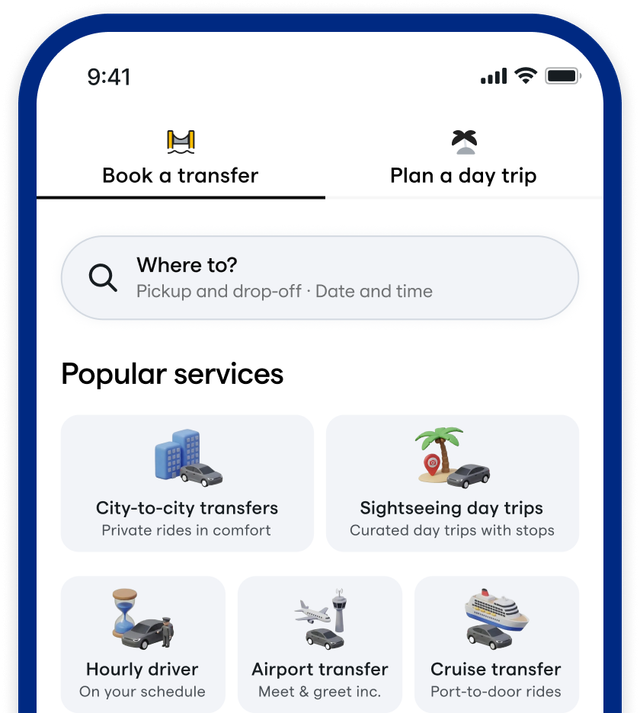
Daytrip은 현지 운전기사와 연결해주는 프라이빗 차량 서비스 플랫폼으로, 고객님을 문 앞까지 안전하게 모셔다 드립니다. 또한 이동 중에 다양한 명소와 관광지를 탐방할 수 있는 기회도 제공합니다. 저희가 운전하고, 여러분은 새로운 곳을 발견하세요.
Daytrip은 현지 영어 구사 운전기사가 운전하는 프라이빗 도어 투 도어 이동 서비스, 선택 가능한 관광지 정차, 시간제 기사 대여, 엄선된 당일 여행을 130개국 이상에서 제공합니다.
취소 정책은 여행에 따라 다를 수 있습니다. 예약 시 적용되는 취소 조건은 여행을 확정하기 전에 항상 표시됩니다. 자격 요건에 따라 Daytrip은 다양한 취소 옵션을 제공합니다:
환불 불가: 여행이 확정된 후 취소할 경우, 결제하신 금액은 환불되지 않습니다.
표준: 예정된 출발 시간 최소 24시간 전까지 여행을 취소하면 결제하신 금액이 전액 환불됩니다. 출발 24시간 미만 전에 취소하는 경우 환불이 불가합니다.
유연: 예정된 출발 시간 최소 1시간 전까지 여행을 취소하면 결제하신 금액이 전액 환불됩니다. 출발 1시간 미만 전에 취소하는 경우 환불이 불가합니다.
출발 24시간 미만 전에 예약한 여행은 예약 과정에서 별도의 안내가 없는 한 무료 취소가 불가할 수 있습니다.
네! 현지 영어 가능 기사와 함께하는 프라이빗 도어 투 도어 공항 이동 서비스를 예약하세요. 고정되고 투명한 요금, 숨겨진 비용 없이 이용할 수 있으며, 해외 공항에서 현금을 환전하는 번거로움 없이 미리 결제할 수 있는 옵션도 제공합니다.
여행 인원 수에 가장 적합한 차량을 받게 되며, 인원이 최대 7명인 그룹의 경우 세단부터 밴까지 다양하게 제공됩니다. 여행하시는 지역에 따라 토요타 코롤라와 비슷한 세단부터 메르세데스 V-클래스, 클래식 쿠바 자동차까지 예약하실 수 있습니다. 정확한 차량 모델은 달라질 수 있지만, 항상 안전성, 신뢰성, 편안함 측면에서 고객님의 요구를 충족하는 차량을 제공합니다. 차량의 재고 상황에 따라 무료로 더 큰 차량으로 업그레이드될 수 있습니다. 최대 7인승 차량이 가장 크기 때문에, 7명 이상인 경우에는 여러 대의 차량이 조합되어 제공됩니다. 여행 며칠 전에 정확한 차량 정보를 안내해 드리겠습니다.
미국을 제외한 모든 지역에서는 운전자가 적절한 어린이용 카시트를 제공합니다(예약 시 알려주시면 됩니다). 미국의 경우, 일부 주에서는 고객이 직접 어린이용 카시트를 준비해야 합니다.
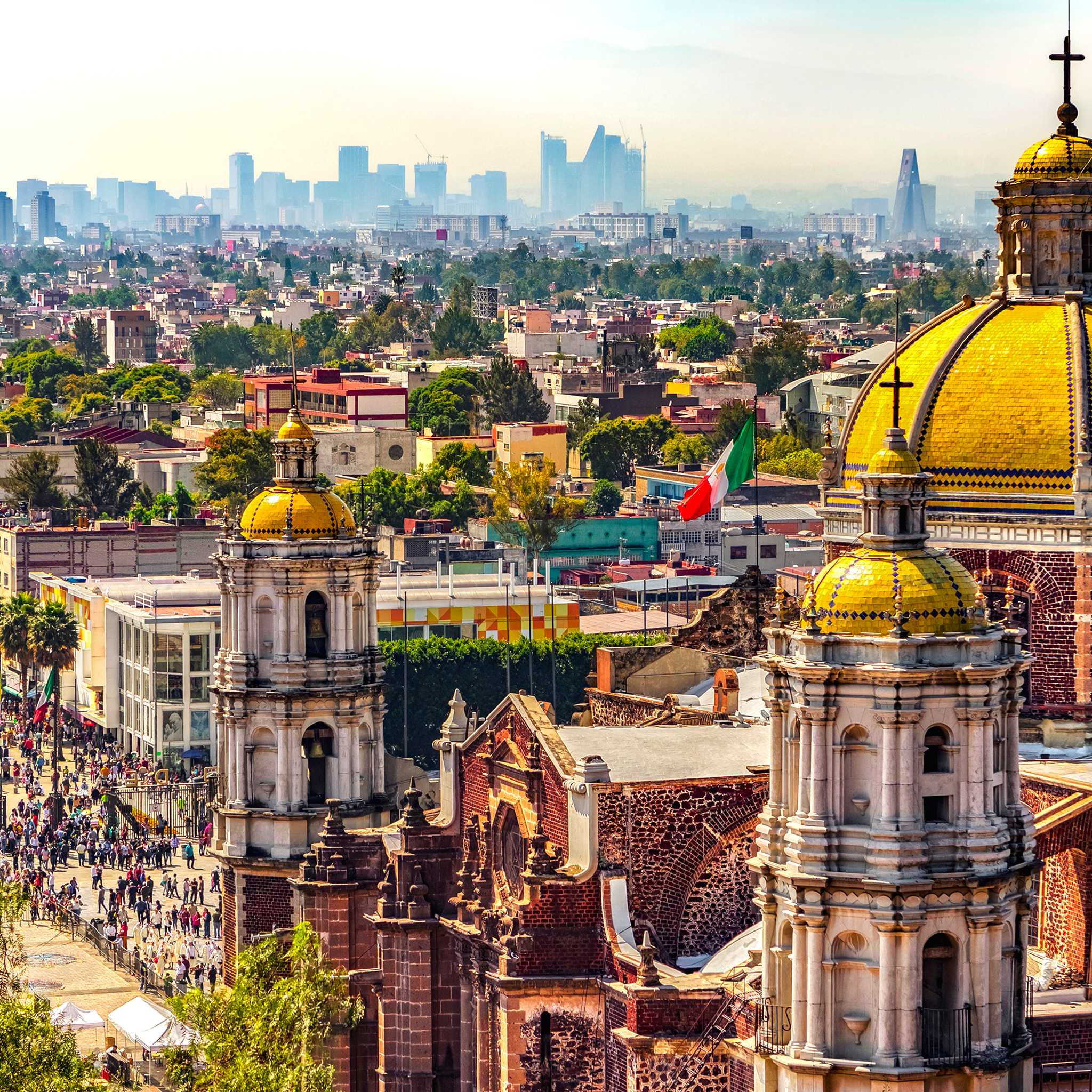
Yes, and this is one of the best arguments for a private transfer rather than trying to coordinate independent transport. The route from Mexico City or Cuernavaca passes through the Morelos region, which has several points of interest. Cuernavaca itself — known as the City of Eternal Spring — has a well-preserved colonial center, the Palace of Cortes, and botanical gardens. A Daytrip driver can build in a stop at your request, letting you experience more of the region without the logistical headache of juggling buses or rental cars across unfamiliar roads.
Most visitors find two to three hours enough to explore the main archaeological zone comfortably, plus another 30 to 45 minutes for the museum. If you like to linger, read every information panel, and take in the views from the upper terraces, budget closer to half a day. The site is spread across terraced hillsides, so wear comfortable walking shoes — there is meaningful elevation involved and some uneven stone surfaces.
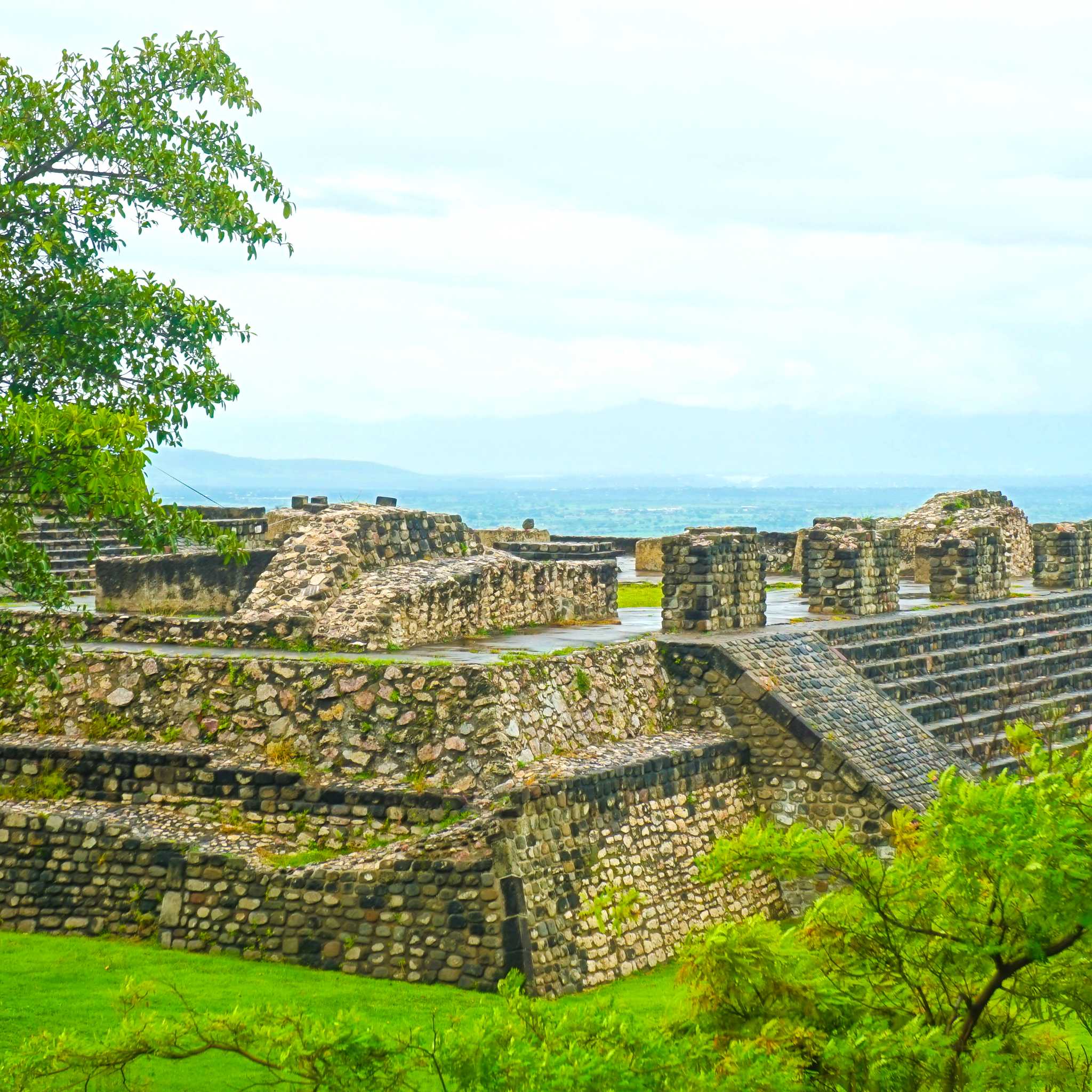
The Pyramid of the Feathered Serpent is the centerpiece — its exterior is covered in elaborate stone carvings of feathered serpents and seated figures that remain remarkably detailed after more than a thousand years. The underground solar observatory is a rare find: a carved tunnel where a shaft of light hits the floor in a precise beam around the summer solstice, used by ancient astronomers to calibrate the Mesoamerican calendar. The ball courts are sobering — this was not a casual game; losers faced ritual sacrifice. The on-site museum provides strong context and is also where you purchase entry tickets, so start there.
Xochicalco is one of Mexico's most significant pre-Hispanic sites, a fortified hilltop city that rose to prominence after the fall of Teotihuacan and other major empires around 700 AD. It served as a political, religious, and commercial hub, and that layered history is still visible in the architecture. You get pyramids, a royal palace, ceremonial ball courts, an underground astronomical observatory, and sweeping panoramic views across the Morelos valley — all in one compact site. It is a UNESCO World Heritage Site and genuinely feels earned for the title.
Buy your entry ticket at the on-site museum before heading into the archaeological zone — it is a requirement, and the museum doubles as an excellent introduction to the site's history. Sun exposure at Xochicalco is significant; the hilltop setting means little shade over the main structures, so sunscreen, a hat, and water are not optional. The views from the upper terraces on a clear day extend for miles across the valley. Arriving earlier in the day helps beat both the heat and the tour groups that arrive mid-morning.
Xochicalco sits in the state of Morelos, roughly 38 km (24 miles) southwest of Cuernavaca and approximately 130 km (81 miles) south of Mexico City. The site is set on a prominent hilltop, which made it strategically defensible in ancient times and makes for dramatic arrival in the present. Getting there independently involves navigating a combination of highways and rural roads, and the site does not sit directly on any major public transit route — which is a strong argument for arranging private transportation directly to the entrance.