Canggu is not especially walkable. The narrow roads often lack proper sidewalks, traffic is heavy and busy, and beach paths can be sandy or uneven, which makes strollers and wheelchairs challenging. Most people get around by scooter or arrange a car or driver, especially between neighborhoods. If you prefer not to drive, choosing accommodation close to the beach and cafes makes daily life much easier.
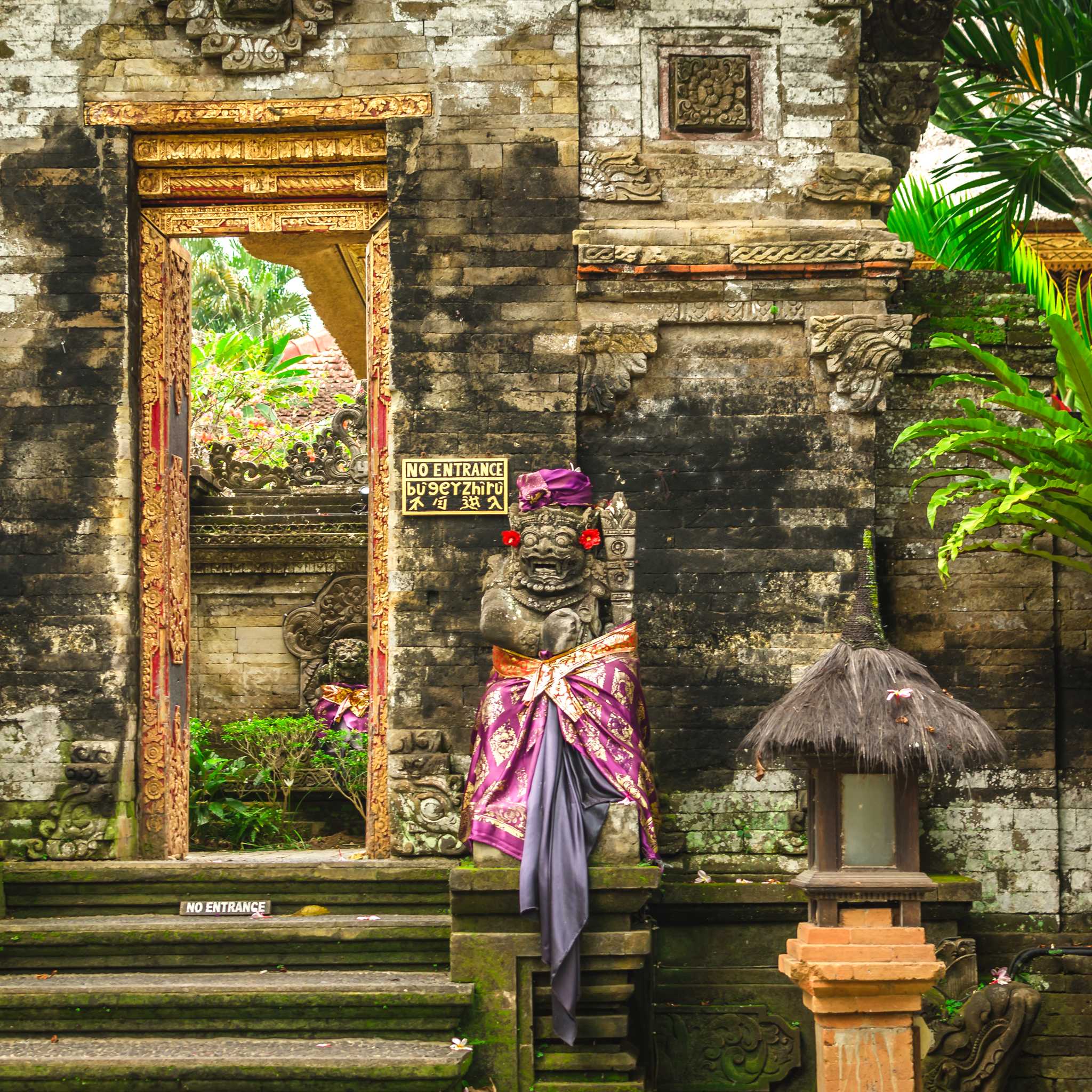
Bali is generally a safe and welcoming destination, and Canggu is popular with solo travelers, families and digital nomads. The biggest risks are practical: heavy traffic and scooter accidents are common, so ride carefully, always wear a helmet and never drive after drinking. Watch belongings in busy spots, drink bottled or filtered water, and respect local customs and temple etiquette. Good travel insurance is strongly recommended.
Tipping is not traditionally expected in Indonesia but is increasingly common and always appreciated, especially in tourism areas like Canggu. Some restaurants add a service charge, so check the bill first. Otherwise, rounding up or leaving around 5 to 10 percent for good service is a kind gesture. Small tips for drivers, spa staff and guides are welcome. Cash in rupiah is best for tipping.
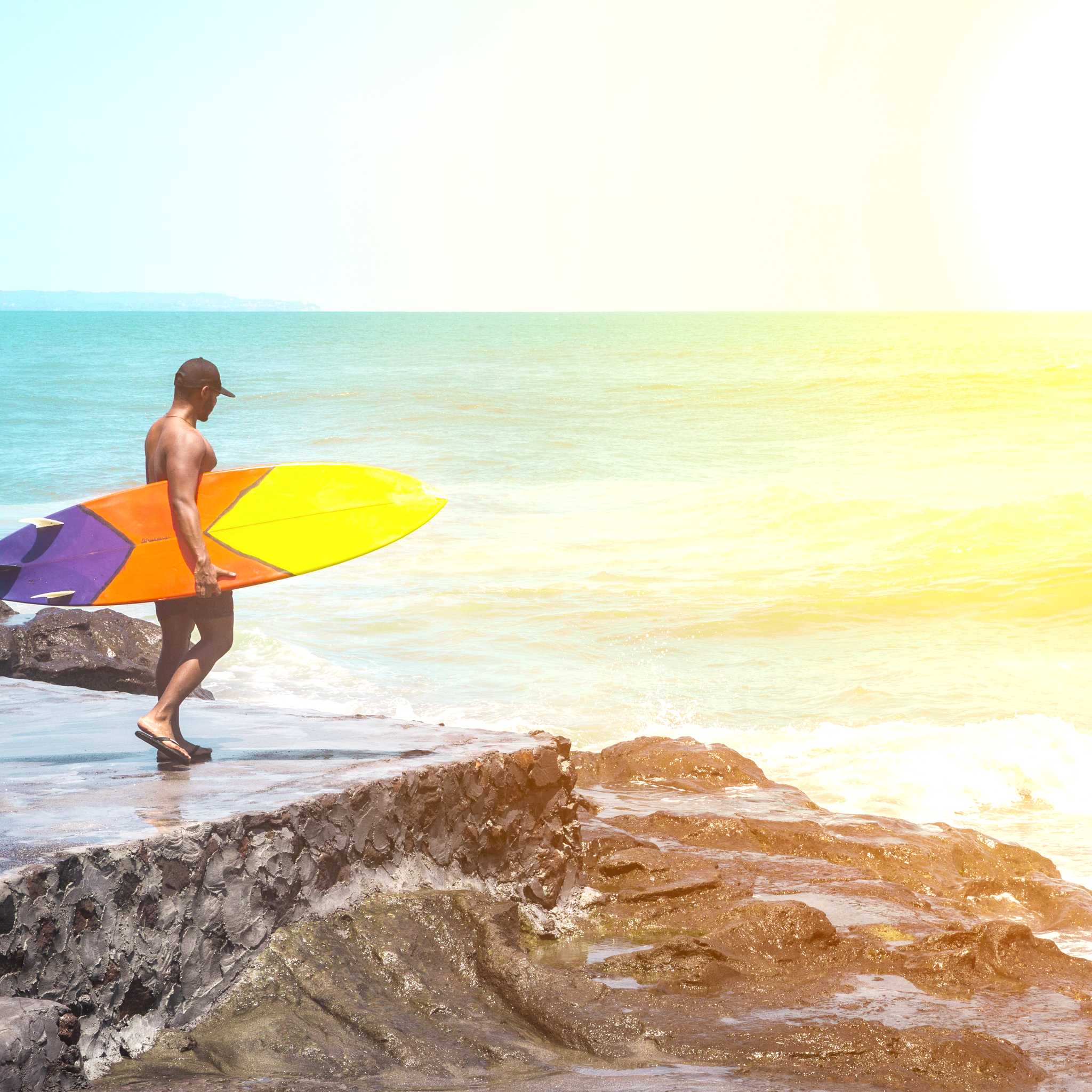
Canggu is all about beach life and good vibes. Surf or take a lesson at Batu Bolong and Echo Beach, both great for beginners, and watch the sunset from a beachfront bar or club. Explore the green rice fields by foot or scooter, join a yoga class, and enjoy the famous cafe scene. Nearby Tanah Lot temple makes a scenic, worthwhile trip.
Indonesia uses the Indonesian rupiah (IDR). In Canggu, cards are accepted at many hotels, restaurants and beach clubs, but it is essential to carry cash for local warungs, smaller shops, scooter rentals and parking. ATMs are easy to find, though watch for card-skimming and use machines at banks or reputable spots. Having rupiah on hand keeps everyday spending simple and stress-free.
The official language is Indonesian, known as Bahasa Indonesia, and many Balinese also speak their own Balinese language. In Canggu, a popular travel destination, English is widely spoken at hotels, cafes, surf schools and shops, so communicating is easy. Learning a few words like is appreciated and warmly received, adding a friendly, respectful touch to your visit.
Indonesian and Balinese cuisine is fragrant and delicious. Try nasi goreng, flavorful fried rice, and mie goreng, fried noodles, both Indonesian staples. Sample satay skewers with peanut sauce, nasi campur, a mixed rice plate, and babi guling, Balinese suckling pig. Local warungs serve authentic, affordable dishes, while Canggu's cafes are famous for smoothie bowls, healthy food and excellent coffee.
The dry season, from roughly April to October, is the best time to visit Canggu, with sunny, warm weather, lower humidity and reliable surf. July and August are the busiest and liveliest months, with higher prices. April, May and September offer a sweet spot of good weather and thinner crowds. The wet season, from November to March, brings lush scenery and frequent showers.
Daytrip은 현지 운전기사와 연결해주는 프라이빗 차량 서비스 플랫폼으로, 고객님을 문 앞까지 안전하게 모셔다 드립니다. 또한 이동 중에 다양한 명소와 관광지를 탐방할 수 있는 기회도 제공합니다. 저희가 운전하고, 여러분은 새로운 곳을 발견하세요.
Daytrip은 현지 영어 구사 운전기사가 운전하는 프라이빗 도어 투 도어 이동 서비스, 선택 가능한 관광지 정차, 시간제 기사 대여, 엄선된 당일 여행을 130개국 이상에서 제공합니다.
취소 정책은 여행에 따라 다를 수 있습니다. 예약 시 적용되는 취소 조건은 여행을 확정하기 전에 항상 표시됩니다. 자격 요건에 따라 Daytrip은 다양한 취소 옵션을 제공합니다:
환불 불가: 여행이 확정된 후 취소할 경우, 결제하신 금액은 환불되지 않습니다.
표준: 예정된 출발 시간 최소 24시간 전까지 여행을 취소하면 결제하신 금액이 전액 환불됩니다. 출발 24시간 미만 전에 취소하는 경우 환불이 불가합니다.
유연: 예정된 출발 시간 최소 1시간 전까지 여행을 취소하면 결제하신 금액이 전액 환불됩니다. 출발 1시간 미만 전에 취소하는 경우 환불이 불가합니다.
출발 24시간 미만 전에 예약한 여행은 예약 과정에서 별도의 안내가 없는 한 무료 취소가 불가할 수 있습니다.
네! 현지 영어 가능 기사와 함께하는 프라이빗 도어 투 도어 공항 이동 서비스를 예약하세요. 고정되고 투명한 요금, 숨겨진 비용 없이 이용할 수 있으며, 해외 공항에서 현금을 환전하는 번거로움 없이 미리 결제할 수 있는 옵션도 제공합니다.
여행 인원 수에 가장 적합한 차량을 받게 되며, 인원이 최대 7명인 그룹의 경우 세단부터 밴까지 다양하게 제공됩니다. 여행하시는 지역에 따라 토요타 코롤라와 비슷한 세단부터 메르세데스 V-클래스, 클래식 쿠바 자동차까지 예약하실 수 있습니다. 정확한 차량 모델은 달라질 수 있지만, 항상 안전성, 신뢰성, 편안함 측면에서 고객님의 요구를 충족하는 차량을 제공합니다. 차량의 재고 상황에 따라 무료로 더 큰 차량으로 업그레이드될 수 있습니다. 최대 7인승 차량이 가장 크기 때문에, 7명 이상인 경우에는 여러 대의 차량이 조합되어 제공됩니다. 여행 며칠 전에 정확한 차량 정보를 안내해 드리겠습니다.
미국을 제외한 모든 지역에서는 운전자가 적절한 어린이용 카시트를 제공합니다(예약 시 알려주시면 됩니다). 미국의 경우, 일부 주에서는 고객이 직접 어린이용 카시트를 준비해야 합니다.
페루 리마를 여행하는 동안 두 번의 개인 이동 서비스를 예약하기 위해 이 웹사이트를 우연히 발견하게 되어 정말, 정말 기뻤습니다. 두 번 모두 약 3시간 정도의 편도 이동이었습니다. 예약을 이메일로 완료한 직후부터 소통이 매우 좋았고, 이후에는 앱도 다운로드했습니다. 앱 사용 중 몇 가지 문제가 있었지만 고객 서비스가 정말 훌륭하게 도와주며 해결하려고 노력해 주었습니다. 솔직히 고객 서비스가 매우 인상적이었고, 올바른 선택을 했다는 좋은 느낌을 받았습니다. 두 명의 기사님 모두 정확히 제시간에 도착했고 전혀 문제가 없었습니다! 이렇게 먼 곳을 여행할 때 서비스가 얼마나 훌륭하고 모든 과정이 얼마나 편리했는지 아무리 말해도 부족합니다. Daytrip 팀에 큰 박수를 보냅니다! 강력히 추천합니다.