Daytrip은 현지 운전기사와 연결해주는 프라이빗 차량 서비스 플랫폼으로, 고객님을 문 앞까지 안전하게 모셔다 드립니다. 또한 이동 중에 다양한 명소와 관광지를 탐방할 수 있는 기회도 제공합니다. 저희가 운전하고, 여러분은 새로운 곳을 발견하세요.
Daytrip은 현지 영어 구사 운전기사가 운전하는 프라이빗 도어 투 도어 이동 서비스, 선택 가능한 관광지 정차, 시간제 기사 대여, 엄선된 당일 여행을 130개국 이상에서 제공합니다.
취소 정책은 여행에 따라 다를 수 있습니다. 예약 시 적용되는 취소 조건은 여행을 확정하기 전에 항상 표시됩니다. 자격 요건에 따라 Daytrip은 다양한 취소 옵션을 제공합니다:
환불 불가: 여행이 확정된 후 취소할 경우, 결제하신 금액은 환불되지 않습니다.
표준: 예정된 출발 시간 최소 24시간 전까지 여행을 취소하면 결제하신 금액이 전액 환불됩니다. 출발 24시간 미만 전에 취소하는 경우 환불이 불가합니다.
유연: 예정된 출발 시간 최소 1시간 전까지 여행을 취소하면 결제하신 금액이 전액 환불됩니다. 출발 1시간 미만 전에 취소하는 경우 환불이 불가합니다.
출발 24시간 미만 전에 예약한 여행은 예약 과정에서 별도의 안내가 없는 한 무료 취소가 불가할 수 있습니다.
네! 현지 영어 가능 기사와 함께하는 프라이빗 도어 투 도어 공항 이동 서비스를 예약하세요. 고정되고 투명한 요금, 숨겨진 비용 없이 이용할 수 있으며, 해외 공항에서 현금을 환전하는 번거로움 없이 미리 결제할 수 있는 옵션도 제공합니다.
여행 인원 수에 가장 적합한 차량을 받게 되며, 인원이 최대 7명인 그룹의 경우 세단부터 밴까지 다양하게 제공됩니다. 여행하시는 지역에 따라 토요타 코롤라와 비슷한 세단부터 메르세데스 V-클래스, 클래식 쿠바 자동차까지 예약하실 수 있습니다. 정확한 차량 모델은 달라질 수 있지만, 항상 안전성, 신뢰성, 편안함 측면에서 고객님의 요구를 충족하는 차량을 제공합니다. 차량의 재고 상황에 따라 무료로 더 큰 차량으로 업그레이드될 수 있습니다. 최대 7인승 차량이 가장 크기 때문에, 7명 이상인 경우에는 여러 대의 차량이 조합되어 제공됩니다. 여행 며칠 전에 정확한 차량 정보를 안내해 드리겠습니다.
미국을 제외한 모든 지역에서는 운전자가 적절한 어린이용 카시트를 제공합니다(예약 시 알려주시면 됩니다). 미국의 경우, 일부 주에서는 고객이 직접 어린이용 카시트를 준비해야 합니다.
이카에서의 여행 정보 알아보기
Ica city center has uneven sidewalks and busy streets that can be difficult to navigate with a stroller or wheelchair. The Huacachina Oasis area is more pedestrian-friendly around the lakeside path, though the surrounding dunes are sandy and inaccessible for wheeled mobility aids. For visitors with mobility concerns, a private vehicle is strongly recommended for getting between sites comfortably and safely.
Ica is generally a safe destination for visitors, though standard precautions are recommended. The city center can be busy and chaotic, with small motorized taxis (ticos) crowding the streets. Be cautious around the central market area, where pickpocketing can occur. The Huacachina Oasis area, where most visitors stay, is considered quite safe. As with any destination in Peru, keep an eye on your belongings and use reputable transportation.
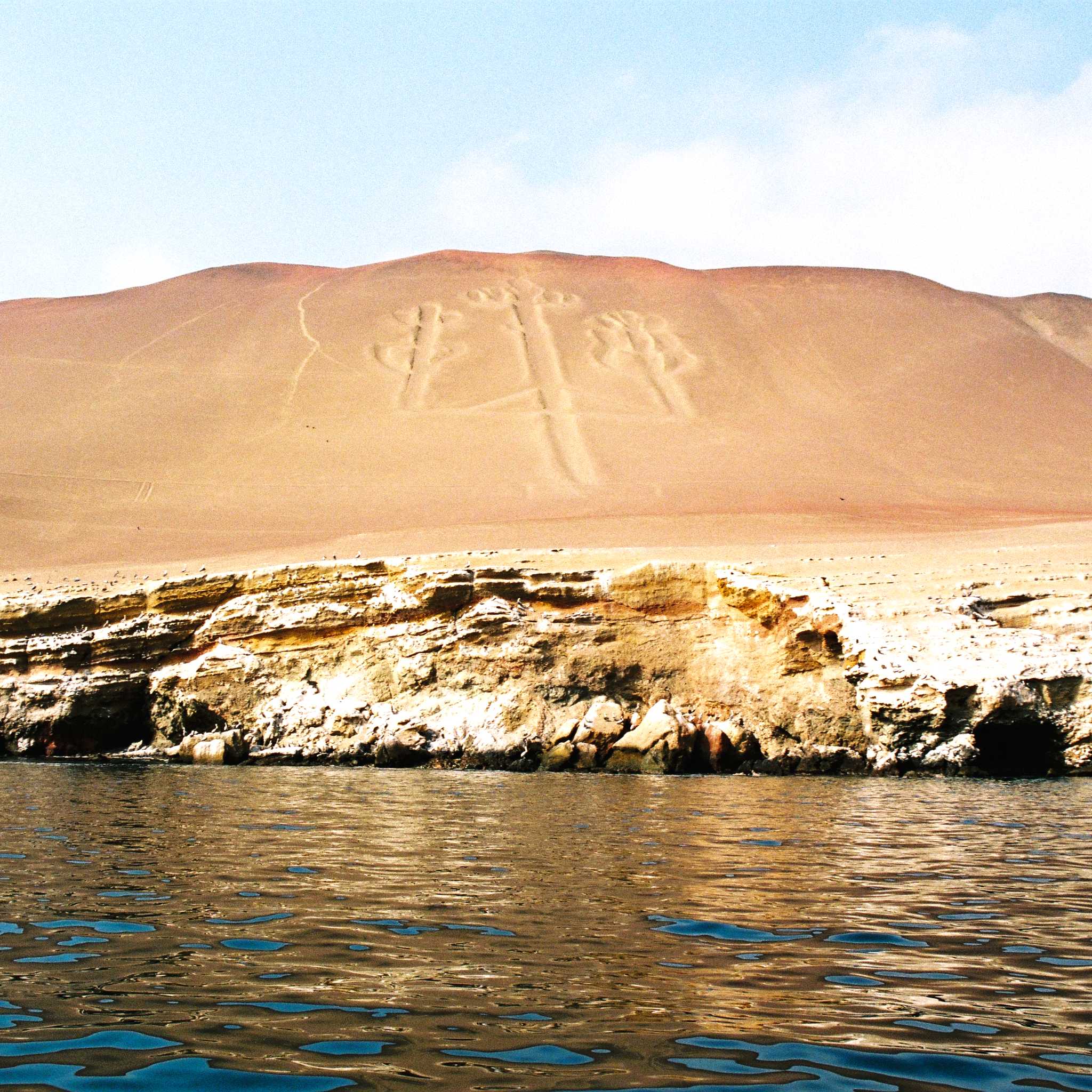
The Huacachina Oasis, a natural desert lagoon surrounded by towering dunes, is Ica's most iconic sight and the top spot for dune buggy rides and sandboarding. The Nazca Lines, mysterious ancient geoglyphs best seen from a small plane, are about two hours south. The Paracas National Reserve and the wildlife-rich Ballestas Islands make for excellent day trips. The Museo Regional de Ica houses impressive pre-Columbian ceramics and Paracas artifacts.
Peru uses the Peruvian sol (PEN). US dollars are also widely accepted in Ica, especially at hotels and tour operators. ATMs are available in Ica city center. It is wise to carry cash for smaller vendors, taxi rides, and market purchases. Credit cards are accepted at larger establishments, but cash is often preferred.
The best time to visit Ica is from December to April, when the weather is warm and sunny with clear skies, making it ideal for dune buggy rides, sandboarding, and outdoor adventures. Ica enjoys sunshine almost year-round due to its desert climate, so it is a viable destination in any season. March is especially festive, with the annual Grape Harvest Festival (Vendimia) featuring music, grape stomping, and pisco tasting.
Tipping is appreciated but not mandatory in Peru. In restaurants, leaving 10% of the bill is considered generous and welcome. For guides and drivers, a tip of a few soles is a kind gesture for good service. At wineries and bodegas, a small tip of around 5-10 soles per person for a guided tour is common practice. Tips are particularly meaningful as they supplement modest wages.
Spanish is the official language of Peru. In Ica, most daily life is conducted in Spanish, and English is not as widely spoken as in larger cities like Lima or Cusco. Learning a few key Spanish phrases will be appreciated and can be very helpful. Some staff at hotels and tour operators in the Huacachina area may speak basic English.
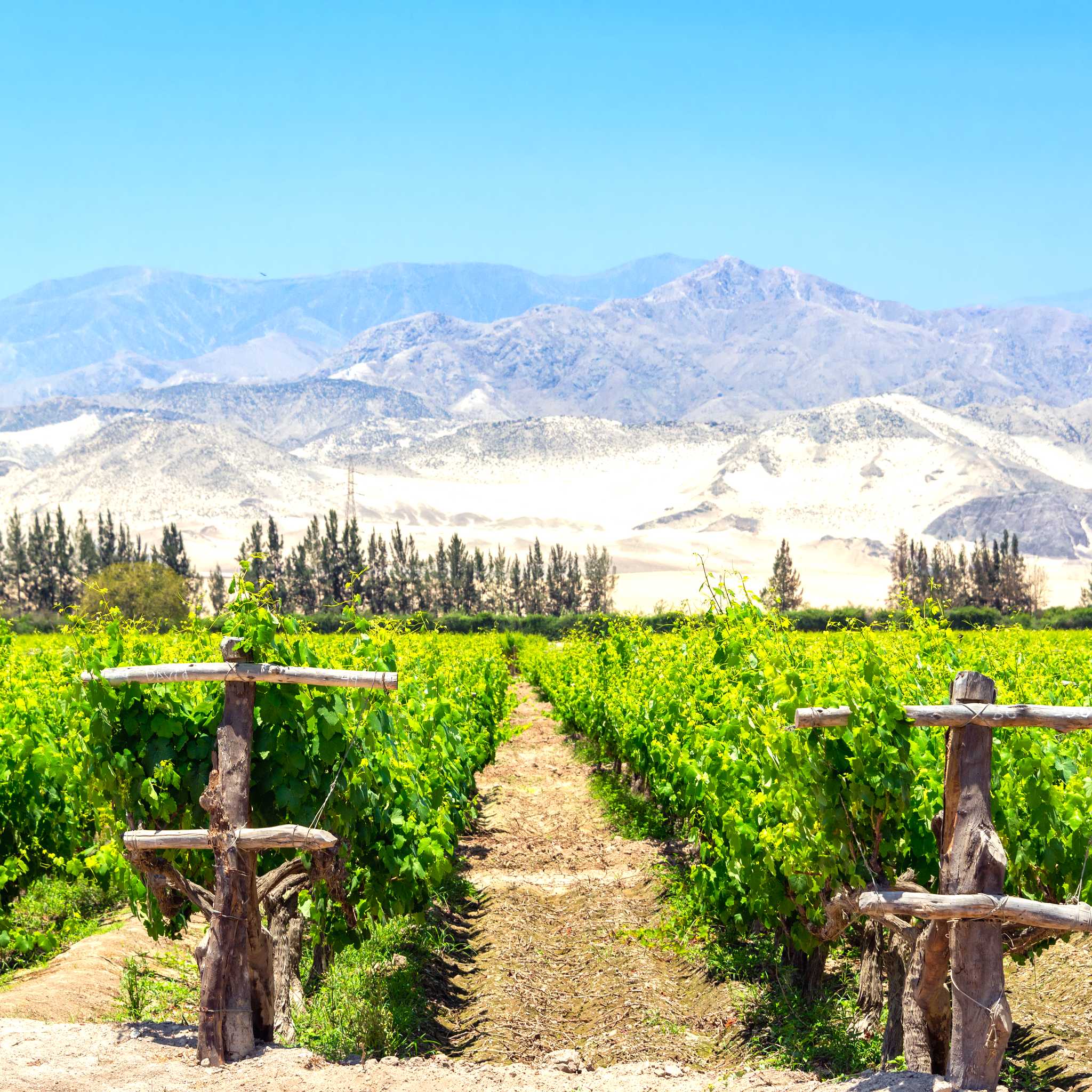
Ica is the heartland of pisco production, Peru's signature grape-based spirit. Visiting a bodega (winery or distillery) to sample pisco and local wines is a highlight for many visitors. Paracas-style ceviche, fresh seafood from the coast, and grilled meats are widely available. The region's warm climate also produces excellent grapes, olives, and avocados. Try a classic pisco sour, considered Peru's national cocktail, during your visit.