Private car transfer from Naples to Rome






Private transfer in 2 h 20 min
What's included
Door-to-door service
Pick-up and drop-off at any address
Flight tracking included
Your driver will wait if your flight is delayed
Professional English-speaking driver
Local expert, fully licensed and insured
Clean, air-conditioned vehicle
Comfortable ride with climate control
Free cancellation
Cancel up to 24 hours before departure
Luggage included
1 suitcase and 1 carry-on per passenger
Your trip at a glance
Rated across the web
Independent traveler feedback
Good to know
- Child seats available on request
- Pet-friendly travel
- 1 checked bag + 1 carry-on per passenger
- Extra or oversized luggage can be added
- Flexible payment: card online or cash to driver
- Free cancellation 24 hours before departure
- Tips are not included (optional ~10%)
Explore tailored trips designed for you
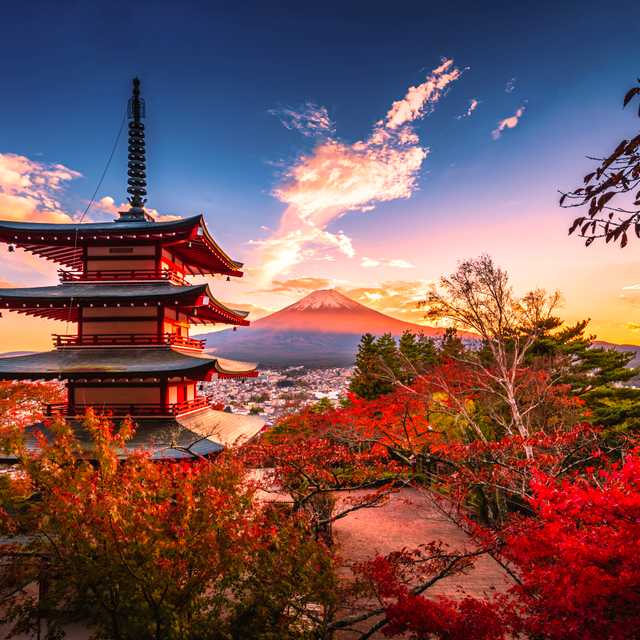
Best Places to See Fall Foliage in Europe & Asia
Chase peak color across Asia and Europe, from Kyoto's maples to the Bavarian Alps, with a private driver who builds the scenic stops into your route.
Read more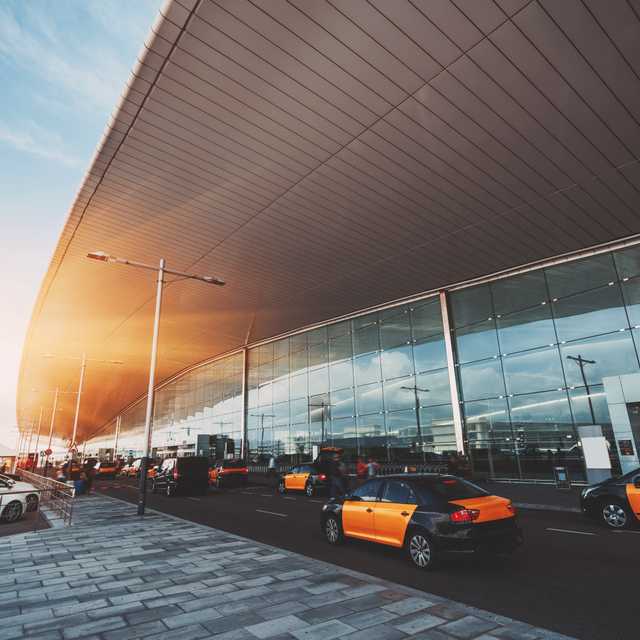
Private Pre-booked Airport Drop-off Service
Eliminate the "will they show up?" anxiety. Pre-book a guaranteed airport drop-off with professional drivers. Door-to-terminal, luggage help, fixed rates.
Read more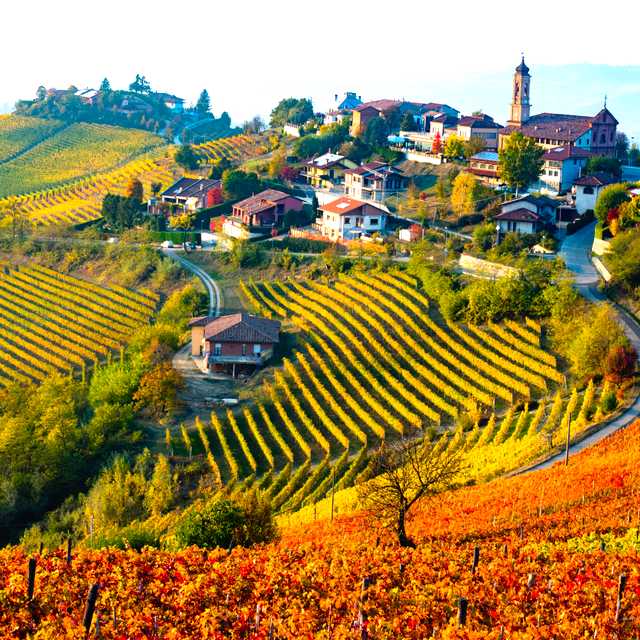
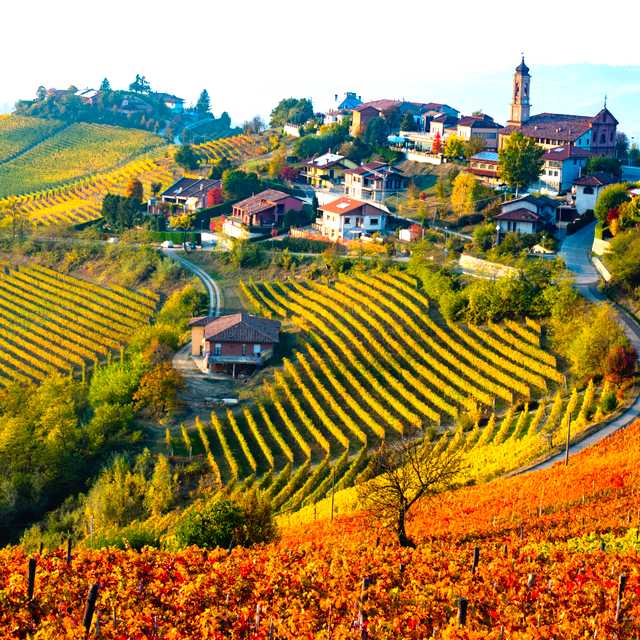
Italy in Autumn: Harvests, Foliage, and Wine Festivals
Grape and olive harvests, truffle season, fall foliage, and food festivals: our guide to visiting Italy in autumn, from September through November.
Read more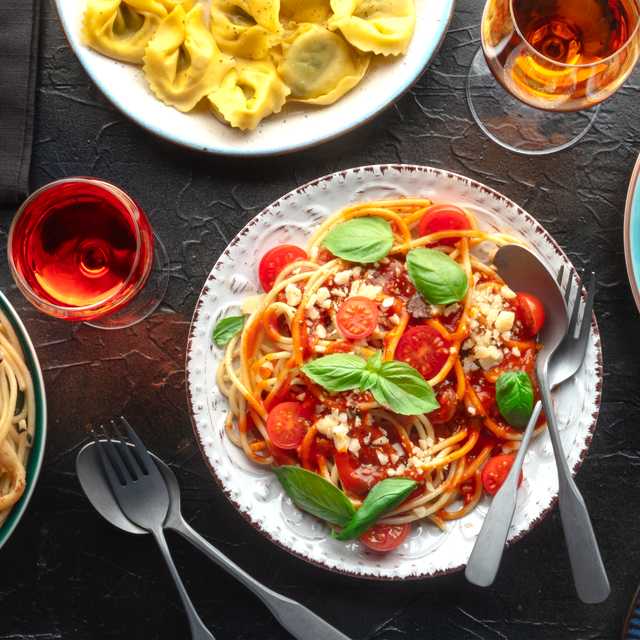
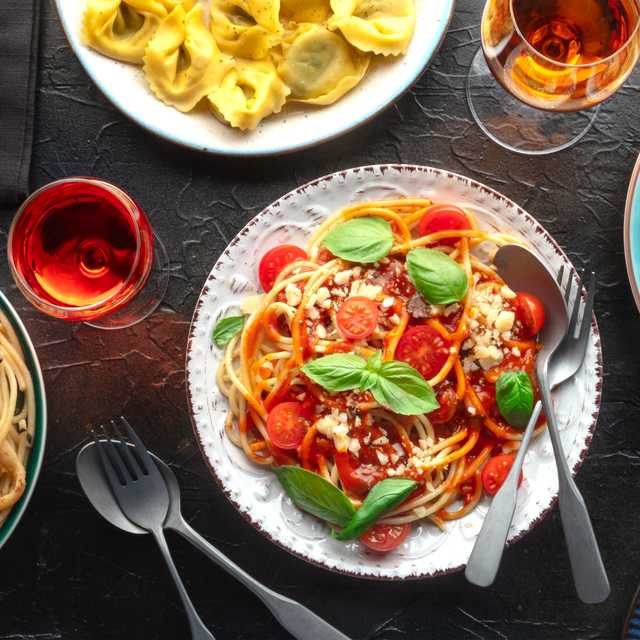
Italian Food Guide | What to Eat, When & How
From colazione to digestivo: our Italian food guide covers regional dishes, meal structure, and timing, with insights from our Italian drivers and team.
Read more
Italy's Best Wine Regions | Where to Go, What to Drink
From Barolo in Piedmont to Nero d'Avola in Sicily: our guide to Italy's wine regions covers what to drink, what to eat, and how to get there by private car.
Read more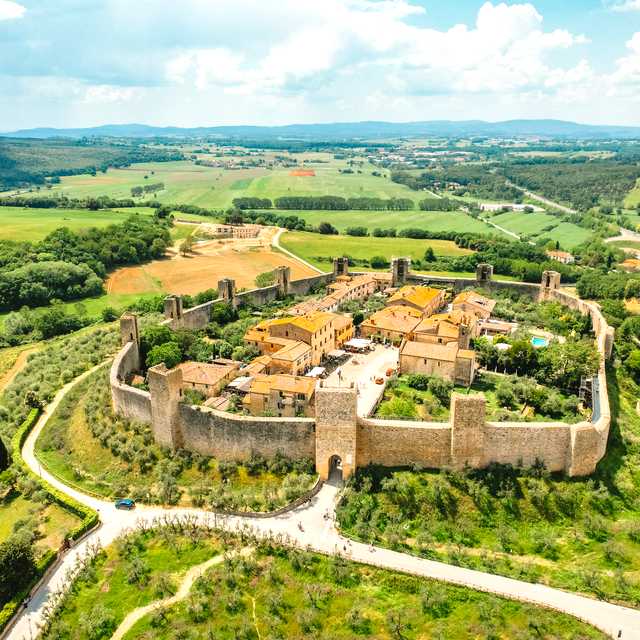
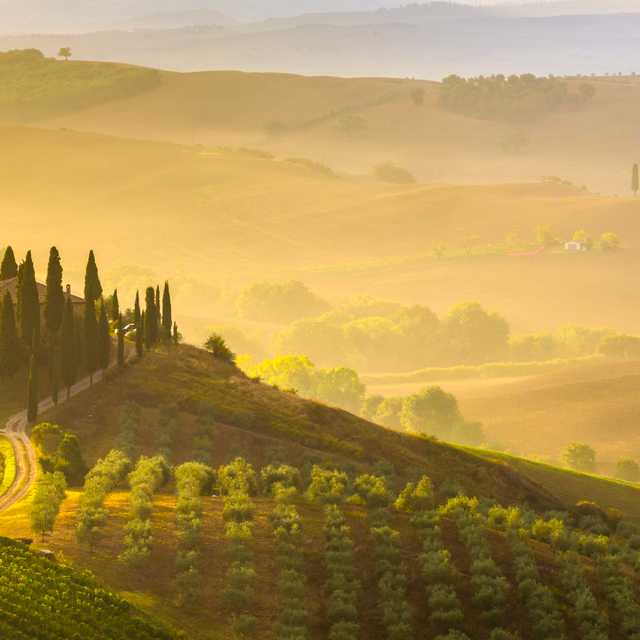
Slow Tuscany | Vineyards, Hill Towns & Art Itinerary
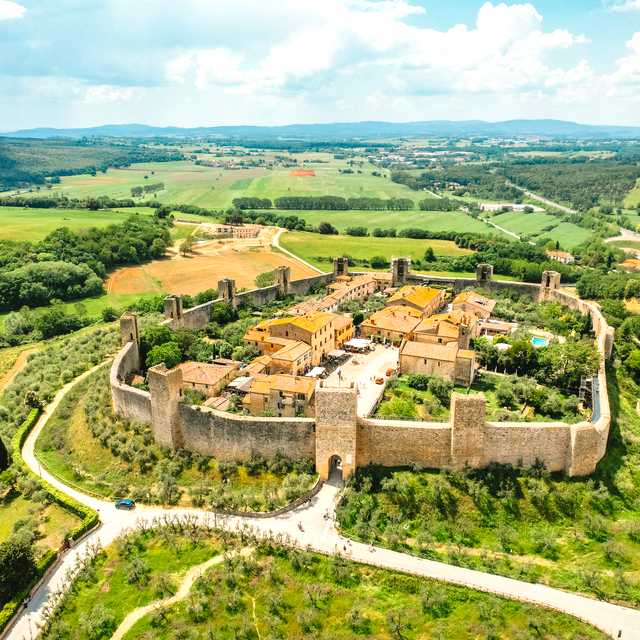
Wineries at Podere Le Ripi, hilltop Monteriggioni and Montalcino, and Siena's art collections: five days through slow Tuscany by private car.
Read more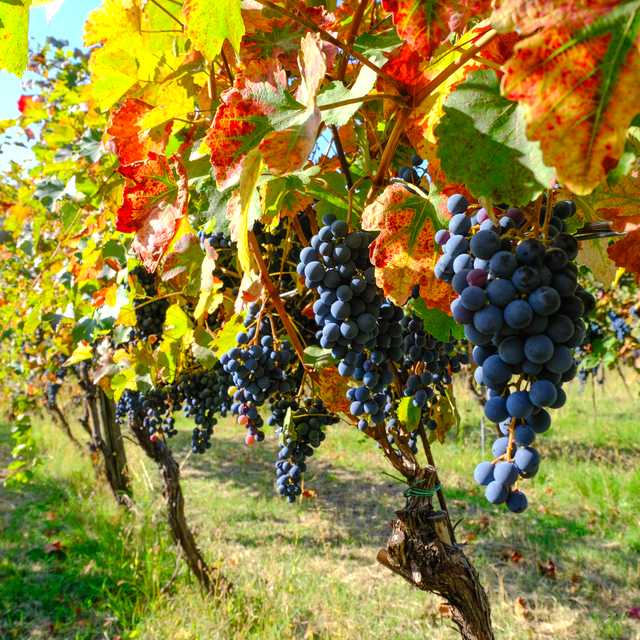
Italy in September: Weather, Harvest & Fewer Crowds
Late summer eases into fall: warm days, a swimmable sea, and the grape harvest as crowds thin. What to expect, eat, and book for Italy in September.
Read more
The Real Italy | Local Alternatives to Crowded Hotspots
Visit the side of Italy usually reserved for locals. Find alternatives to the overcrowded hotspots recommended by Daytrip's Italian drivers and local team.
Read more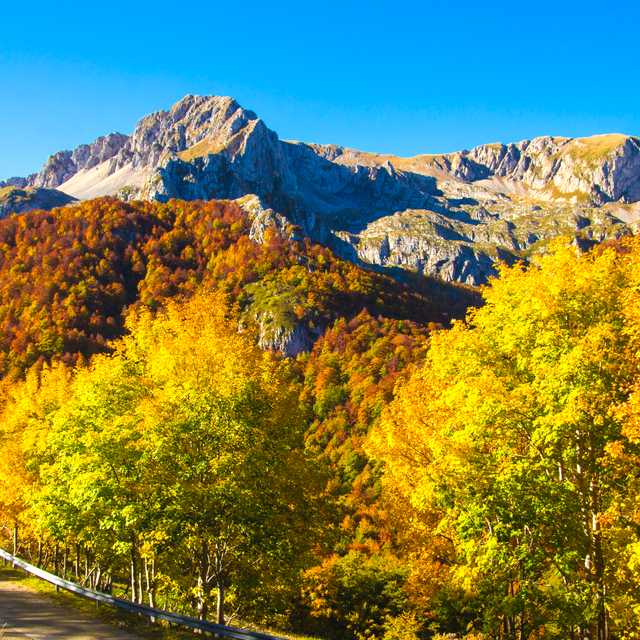
Italy in October: Fall Color, Truffles & Low Prices
Fall at its peak: mild golden days, truffles and new olive oil, turning hills, and low-season prices. What to expect, eat, and book for Italy in October.
Read more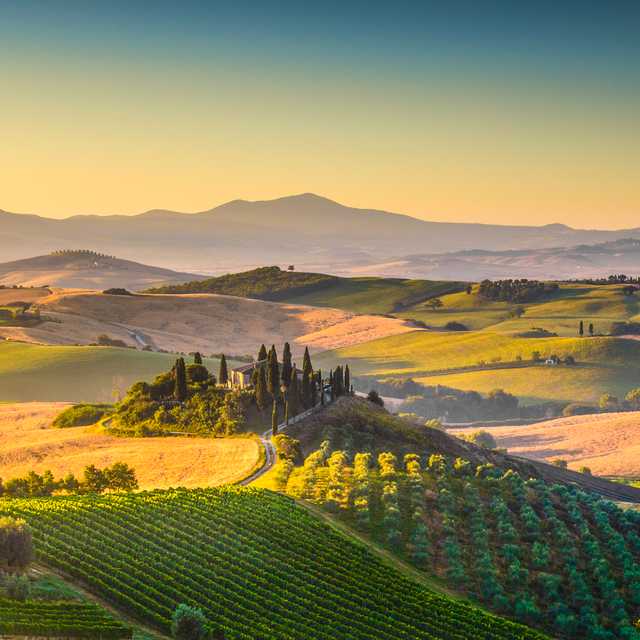
Tuscany Wine Itinerary | Red Wines, Vineyards & Hill Towns
Three days through Tuscany's wine country: Antinori's Chianti estate, Brunello in Montalcino, and Chianti Classico, starting and ending in Florence.
Read more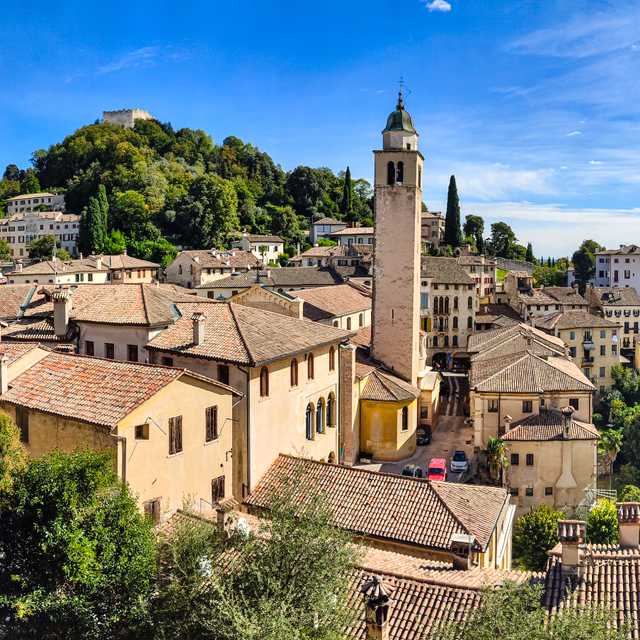
Veneto Wine Itinerary | Prosecco, Cities & Scenic Roads
Venice to Verona to Valdobbiadene: two days through Veneto's wine country, sampling Prosecco Superiore and Vicenza DOC along the scenic Prosecco Road.
Read more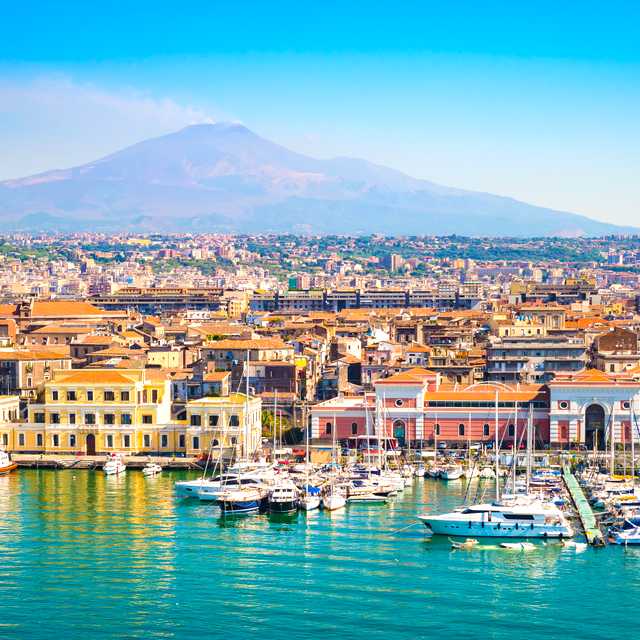
Sicily 5-Day Itinerary | Coast, Mountains & Heritage
Cliffside Cefalù, volcanic Catania, and the Greek temples of Agrigento: five days through Sicily's coastlines, mountains, and cultural heritage by private car.
Read more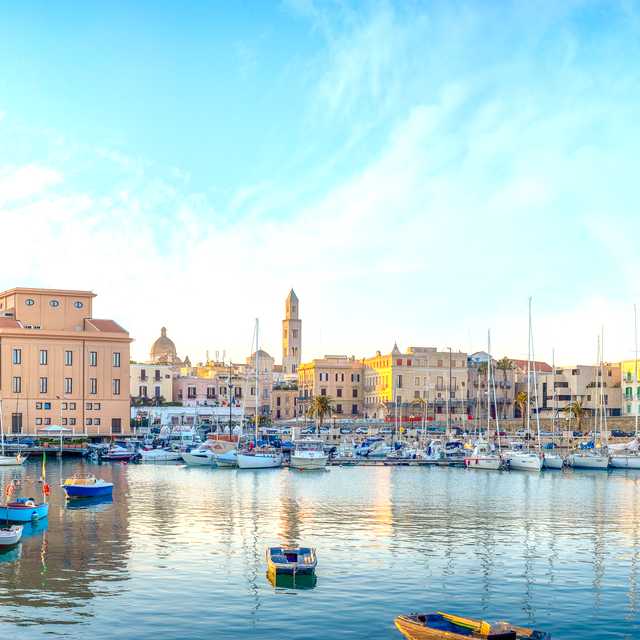
Puglia Wine Itinerary | Primitivo, Whites & Coastal Towns
Bianco Locorotondo in its birthplace, swimming at Polignano a Mare, and the whitewashed streets of Ostuni — two days through Puglia's wine country.
Read more
Italy in November: Quiet Cities, Food & Low Prices
Deep fall, cool and quiet: empty museums, new oil and wine, truffles, and the year's lowest prices. What to expect, eat, and book for Italy in November.
Read more
Italy in January: Peak Skiing, Empty Museums & Value
Italy's coldest, quietest month: peak Alpine snow, empty museums, winter sales, and the lowest prices. What to expect, eat, and book for Italy in January.
Read more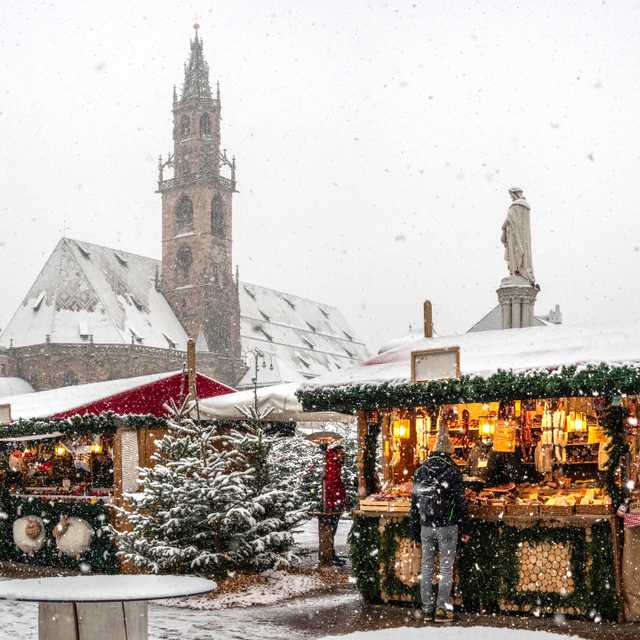
Italy in December: Christmas Markets, Skiing & Lights
Alpine Christmas markets, festive cities, and fresh snow, with a quiet, cheaper first week. What to expect, eat, and book for Italy in December.
Read more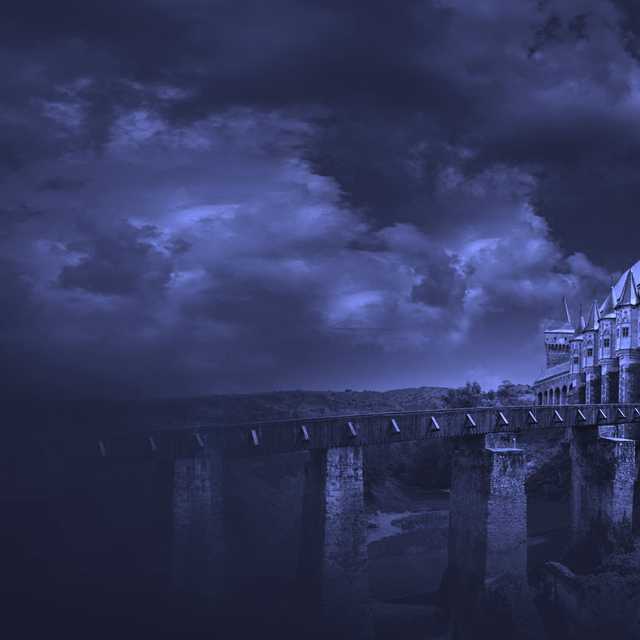
Halloween Trips in Europe, Japan & Mexico | Daytrip
Tour spooky castles in Europe, join the cosplay in Japan, or honor Day of the Dead in Mexico, each with a private local driver. Start planning here.
Read more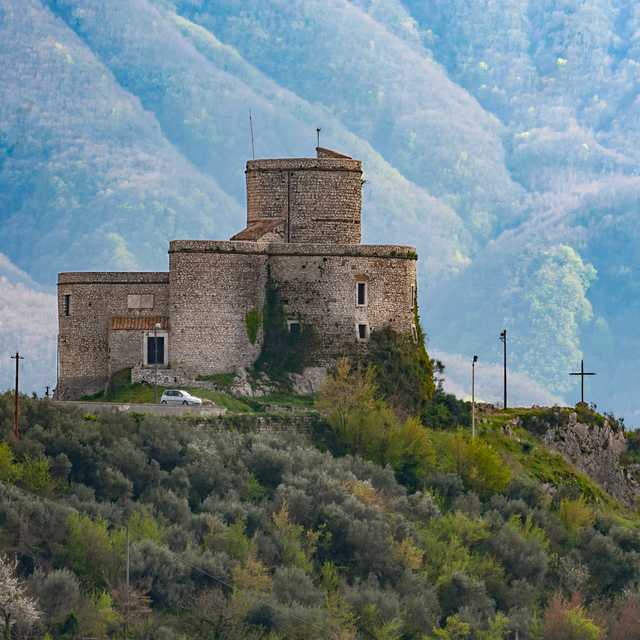
Inland Campania | Vesuvius, Wineries & Roman Ruins
Herculaneum's ruins, volcanic wines at Feudi di San Gregorio, and Spartacus' amphitheater at Santa Maria Capua Vetere: five days through inland Campania.
Read more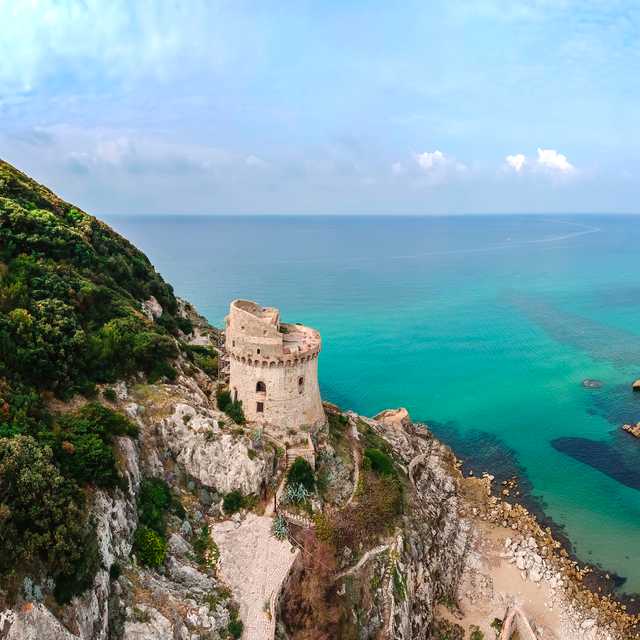
Italy on Film | Bond, Italian Cinema & Historic Sites
Bond locations in Matera and Craco, Italian comedy backdrops in Sermoneta, and the monastery at Certosa di Padula: Italy's most cinematic route by private car.
Read more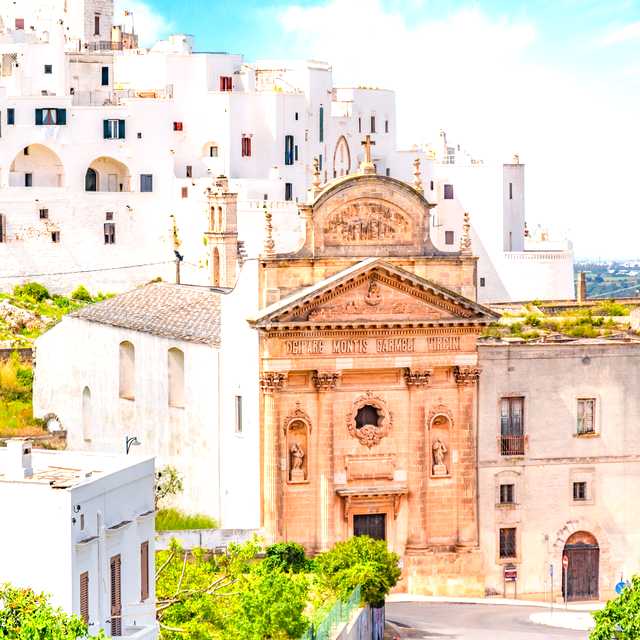
Puglia to Basilicata | Beaches, Caves & Wine Itinerary
Beaches at Polignano a Mare, cave dwellings in Matera, and Primitivo di Manduria in its birthplace: six days through Puglia and Basilicata from Bari.
Read more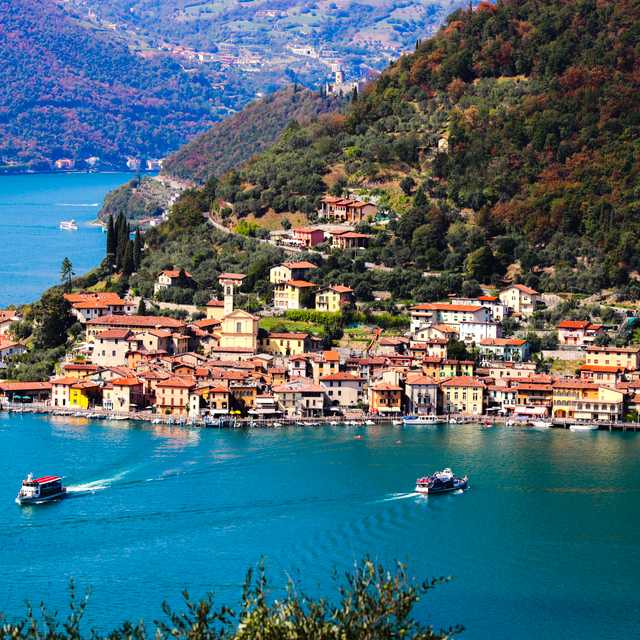
Emilia-Romagna to Valtellina | Italy's Culinary Road Trip
Handmade tortellini in Castelfranco Emilia, balsamic vinegar at a Modena acetaia, and alpine wines at Nino Negri: a culinary road trip through northern Italy.
Read more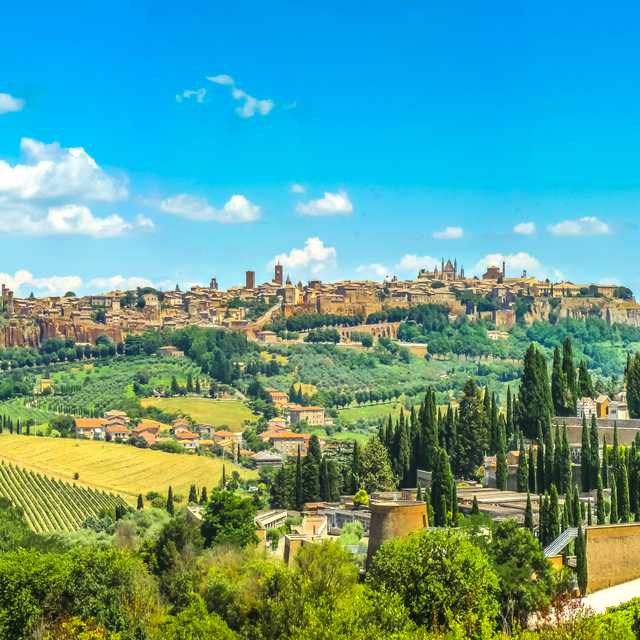
Umbria 3-Day Itinerary | Roman Ruins, Cliff Views & Art
Roman ruins at Spello and Narni Underground, hilltop views in Orvieto and Assisi, and ceramics in Deruta: three days through Umbria by private car from Rome.
Read more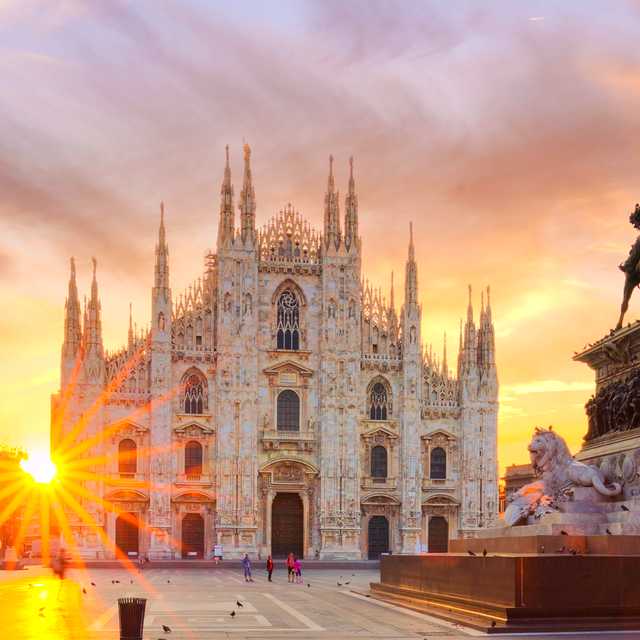
Milan Travel Guide | Neighborhoods, Food & Day Trips
From the Navigli canals to the Brera art district: our Milan guide covers the neighborhoods, the food, and the day trips from Italy's design capital.
Read more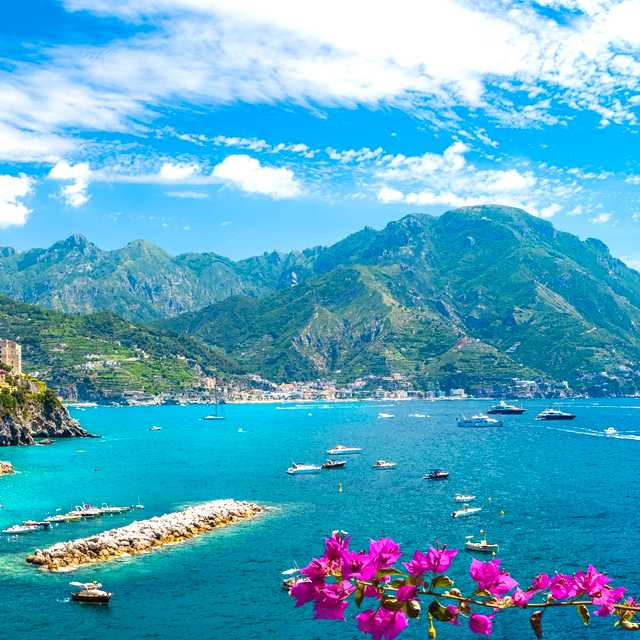
Amalfi Coast Italian Travel Guide | Curated Tips From Locals
Explore the Amalfi Coast like a pro! Start here for the best towns, hidden spots, and insider tips from locals to confidently plan an unforgettable trip.
Read more
Literary Italy | Destinations That Inspired Great Books
Visit the sites and cities made famous by the literary works of Dante, Petrarch, Keats, and more. Watch the pages of these stories come to life with this guide.
Read more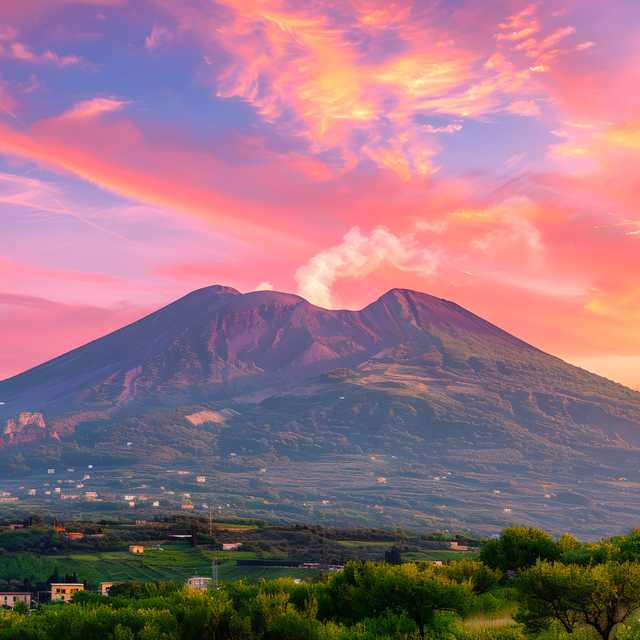
Italy Itineraries | Seven Themed Routes by Private Car
From a long weekend in Umbria to a Sicilian roots trip: seven itineraries through Italy, each built around private car travel and stops worth making.
Read more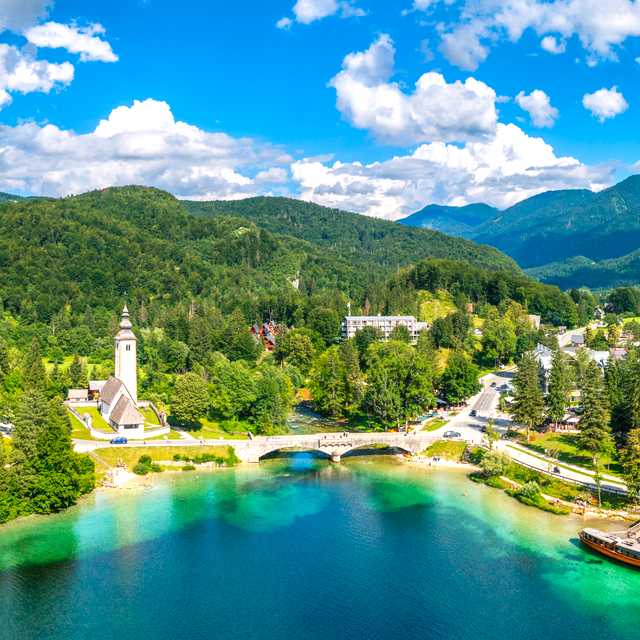
Underrated Travel Locations | Get the Best Dupes of Hotspots
Step off the beaten path and discover these hidden travel gems. Swap out places like the Amalfi Coast and Bruges with quieter alternatives, driver included.
Read more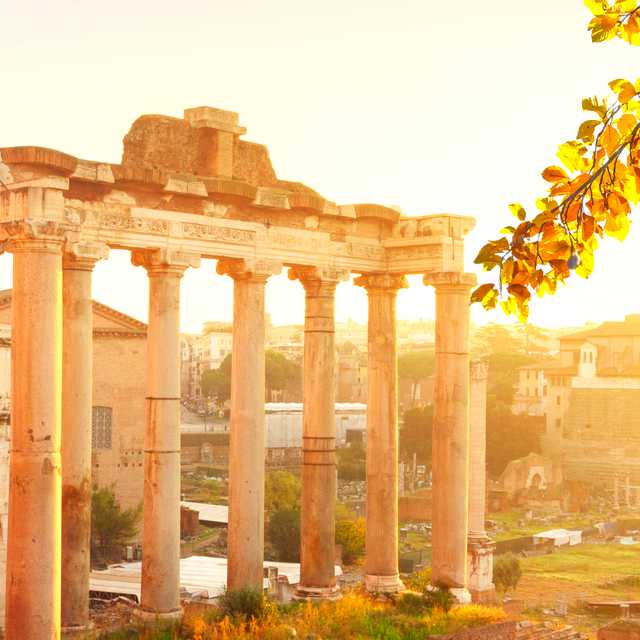
The Month-by-Month Guide to Visiting Italy | By Experts
Discover the best month to visit Italy depending on the activity, type of vacation, and costs. This guide takes the guesswork out of traveling to Italy.
Read more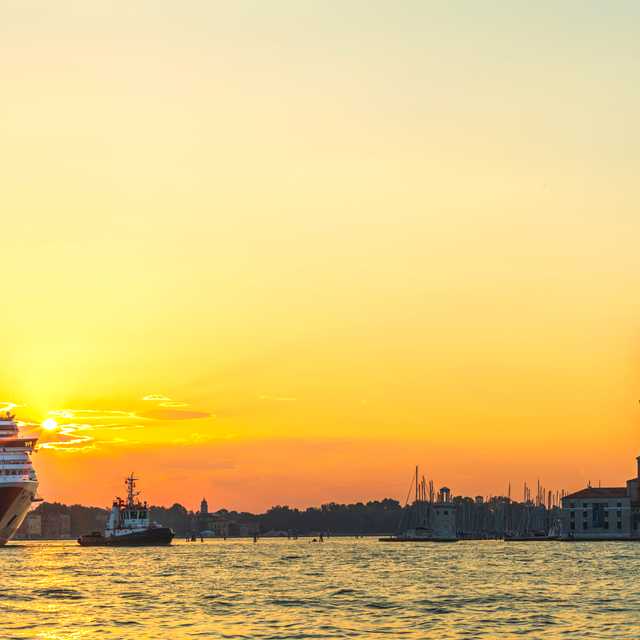
Italy Cruise Ports Guide | Day Trips & Private Transfers
Plan your port day before you dock. From Civitavecchia to Naples and Palermo, our guide covers what to see at each port and beyond.
Read more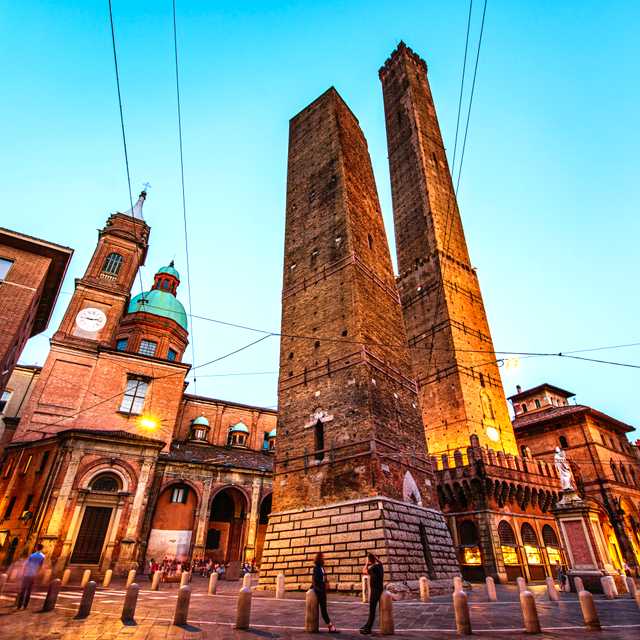
Emilia-Romagna Travel Guide | Bologna, Parma & Modena
Parmigiano dairies, Bologna's porticoes, Motor Valley, and Rimini's beaches: our Emilia-Romagna guide covers the region's food, cities, and coastline.
Read more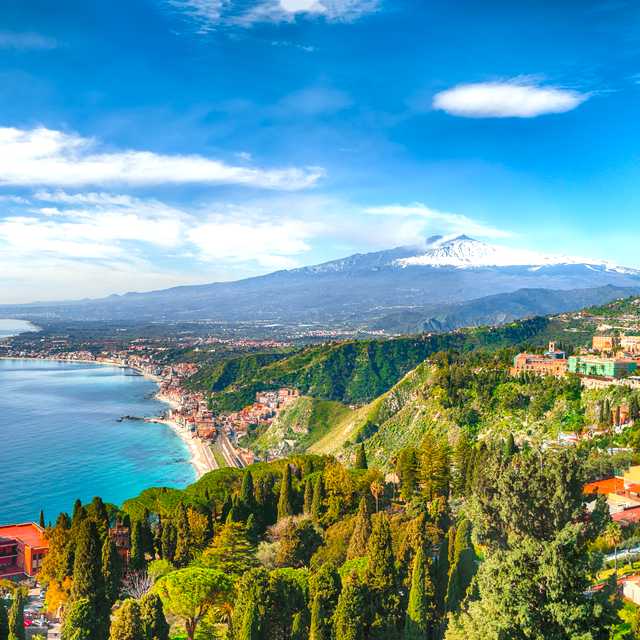
Sicily Travel Guide | Palermo, Etna & the Greek Temples
From Palermo's street markets to Mount Etna and the Greek temples of Agrigento — our Sicily guide covers what to eat, when to visit, and where to go.
Read more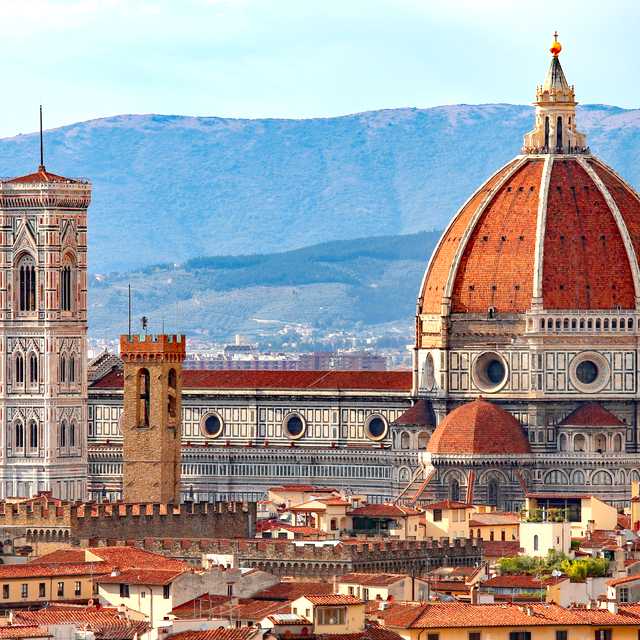
Florence Travel Guide | Neighborhoods, Art & Day Trips
From the Uffizi to the Duomo: our Florence guide covers the neighborhoods, the art, and six Tuscan cities within a two-hour drive.
Read more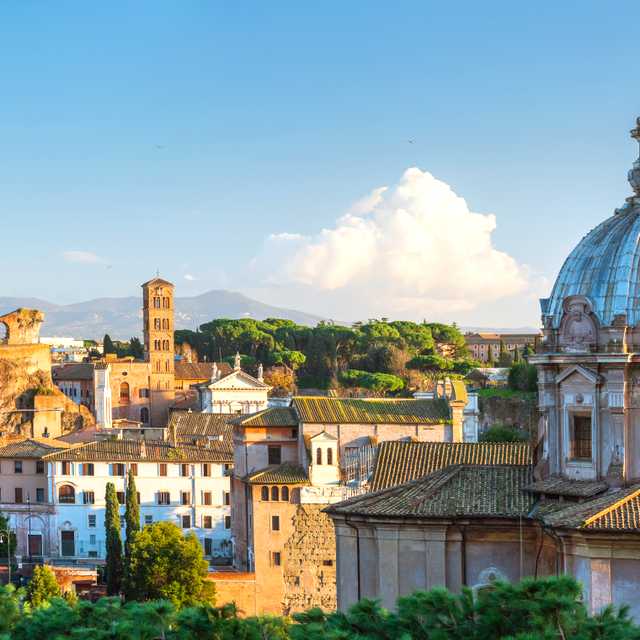
Rome Travel Guide | Neighborhoods, Sites & Day Trips
Take on the eternal city with this guide to Rome. Plan your visit to famous sites, learn the best neighborhoods, and make easy day trips out of town.
Read more
Exciting day trips for friends and groups
Make your group trip even more memorable with these day trips to popular cities, tranquil natural wonders, and cultural hotspots. Take your friends, family, or colleagues to explore bustling Budapest, swim in a Mexican Cenote, or unwind in Saint Tropez.
Read more
Immersive sports day trips in iconic destinations
From Italy’s Motor Valley museums to Scotland’s legendary golf course and hands-on hurling in Ireland, these sports day trips bring you closer to the action. Travel with ease via private driver and immerse yourself in the passion, history, and culture behind each .
Read more
Meaningful WWII remembrance day trips
Explore the landscapes of World War II through meaningful day trips to the beaches of Normandy, military cemeteries in France and the Netherlands, and wartime memorials in Thailand. Travel comfortably while discovering the stories that shaped history.
Read more
Wildlife adventures
See incredible animals in the wild on these exciting outdoor day trips. Catch a glimpse of the brilliant green Quetzal flitting through the jungles of Costa Rica, go whale watching in Hermanus, or spy puffin colonies at the Cliffs of Moher.
Read more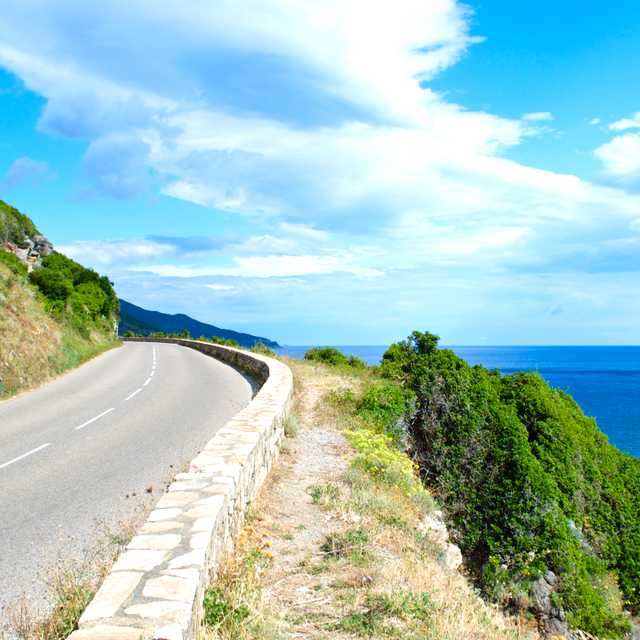
Scenic drives to stunning destinations
On these day trips, the journey is just as incredible as the destination. Take the scenic route from glamorous Cannes to Saint Tropez, or from sunny Cabo San Lucas to Los Barriles, stopping for photos en route and enjoying stunning sights from the road.
Read more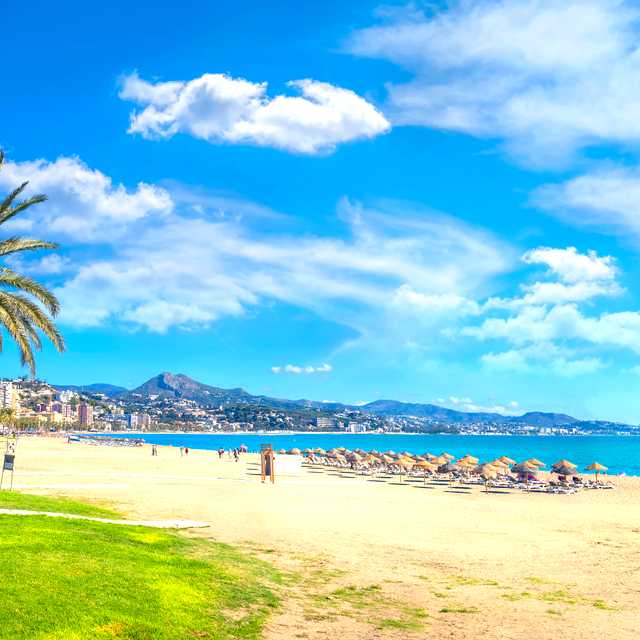
Sunny Spanish escapes
Soak up the sun on a relaxing day trip to one of Spain's sparkling coastlines. Enjoy cliffside views and a quiet beach day in Nerja, or head for the lively La Concha beach in San Sebastian to swim, dine, and people-watch in unreal surroundings. However you want to spend your day on the sand, you'll enjoy seamless private transportation to and from the beach, ensuring a stress-free day.
Read more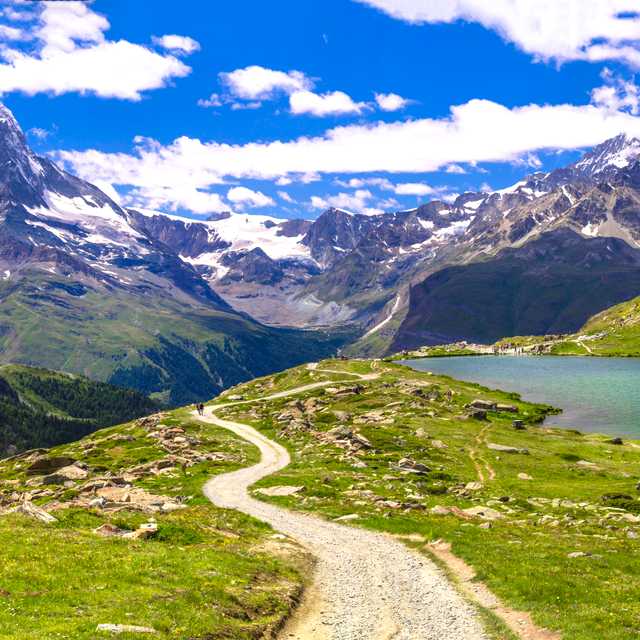
Scenic hiking day trips to unforgettable landscapes
Discover spectacular trails around the world, from the soaring Swiss Alps and New Zealand’s rugged Arthur’s Pass to the volcanic landscapes of Mount Etna in Sicily. Travel with a private driver and enjoy unforgettable hikes paired with breathtaking scenery.
Read more
The Odyssey inspired adventures
Embark on an "Odyssey" of your own to see the otherworldly filming sites used in Christopher Nolan's adaptation of a classic epic. See the rugged coastal beauty of Kalamata, the dramatic black sands and basalt towers of Iceland's Reynisfjara, or the earthen clay architecture in Air Bennhadou, all standing in for the unforgettable mythic islands of The Odyssey.
Read more
Enchanting wedding season day trips
Celebrate love in the world’s top wedding destinations. From the timeless elegance of Lake Como to the sun-drenched romance of Crete and the tropical allure of Phuket, these wedding season day trips offer unforgettable backdrops for life’s most meaningful moments.
Read more
Romantic escapes for couples
Fall in love all over again with enchanting palaces, lakeside villages, and sunset coastlines. From Versailles' gilded halls to Alpine hideaways, these private day trips create unforgettable moments together.
Read more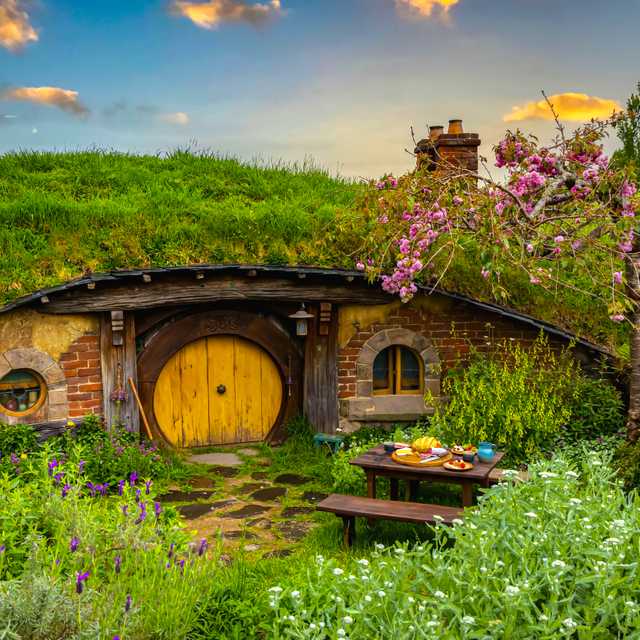
Iconic film and television adventures
Step into the worlds of your favorite films and TV shows with curated road trips to legendary shooting locations. From windswept moors where period dramas unfold to medieval castles hosting epic battles, discover the real places behind iconic scenes.
Read more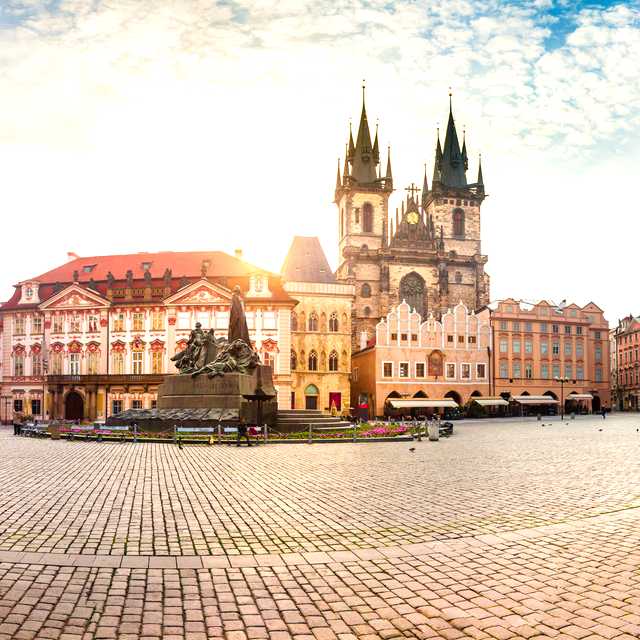
City connections: Urban day trips
Skip the stress of public transport and explore the world's greatest cities in comfort. From ports to capitals or between major cities, discover iconic urban destinations with a private, expert driver to handle the logistics.
Read more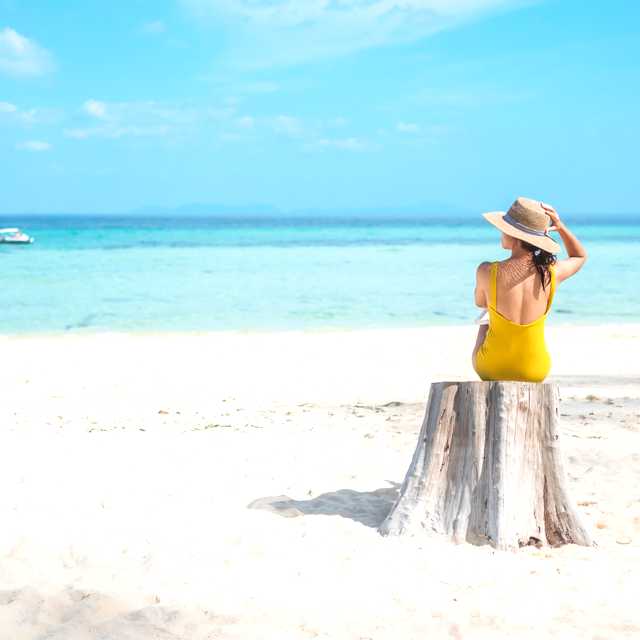
Solo traveler escapes
Travel confidently on routes designed with solo female travelers in mind. Connect with vetted local drivers for door-to-door transfers through welcoming destinations known for safety and rich experiences.
Read more
Make the most of your long layover
Stuck in a city for a long layover? There's still time to travel and make the most of your time there with private day trips to destinations in and around the city. Take a trip out from Milan to Lake Como, or from London to its quaint surroundings.
Read more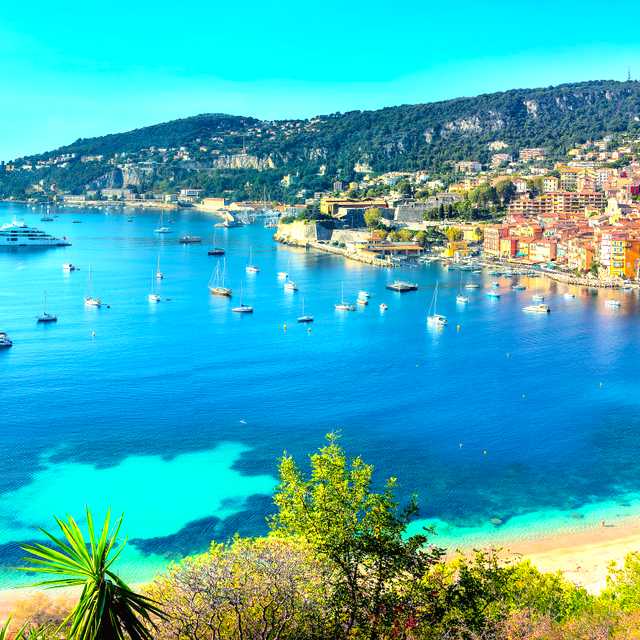
Effortless trips around the French Riviera
The French Riviera dazzles with sun-soaked beaches, glamorous resorts, and centuries of celebrity culture. Take a trip from the chic streets of Nice and the legendary Cannes Film Festival to Monaco's glittering harbor.
Read more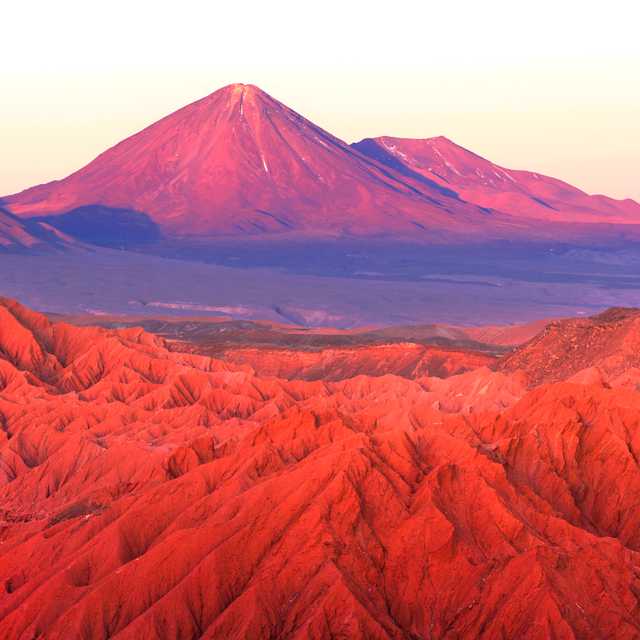
The ultimate bucket list day trips
Check off the world's most awe-inspiring experiences, one day at a time. From ancient wonders and dramatic glaciers to sacred temples and volcanic peaks, these unforgettable journeys belong on every traveler's list.
Read more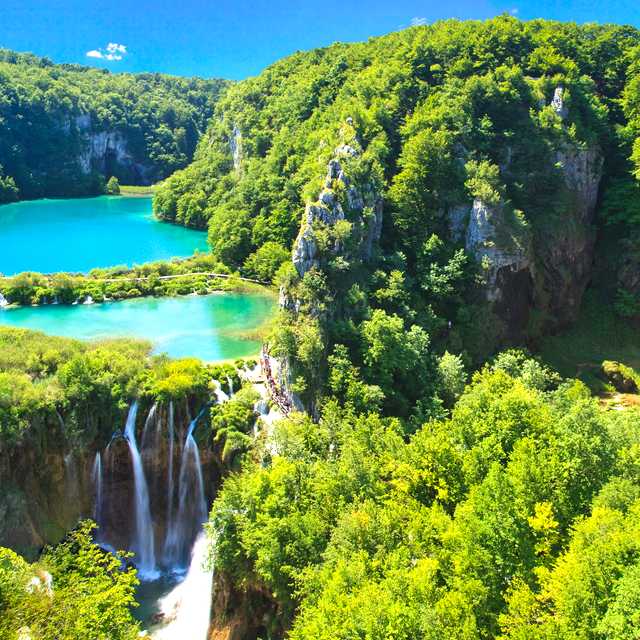
Immersive natural experiences
Explore natural wonders that highlight the Earth's beauty. From Costa Rica's thundering waterfalls to Iceland's mesmerizing northern lights, these unforgettable day trips allow you to appreciate nature's majesty with convenient round-trip transportation.
Read moreDaytrip is the most convenient way to experience 15,000+ cities around the world.
Every traveler deserves real insight into the cultures of the countries they’re visiting. And every amazing place on Earth deserves to be visited and appreciated. We believe unique local knowledge and real human connection are irreplaceable when it comes to truly comprehending another culture.
We have been featured in


Be the first to discover more
Get handpicked travel ideas, insider highlights, and special Daytrip offers.