Alicante's city center is highly walkable with pedestrianized areas, especially around the old quarter and along the waterfront Explanada de Espana. The modern tram system connects beaches and outlying areas efficiently. Many attractions are within walking distance.
Alicante is generally safe with typical precautions advised for any tourist destination. Watch for pickpockets in crowded areas and on beaches. The city center is well-policed and safe for evening strolls along the waterfront and through the historic areas.
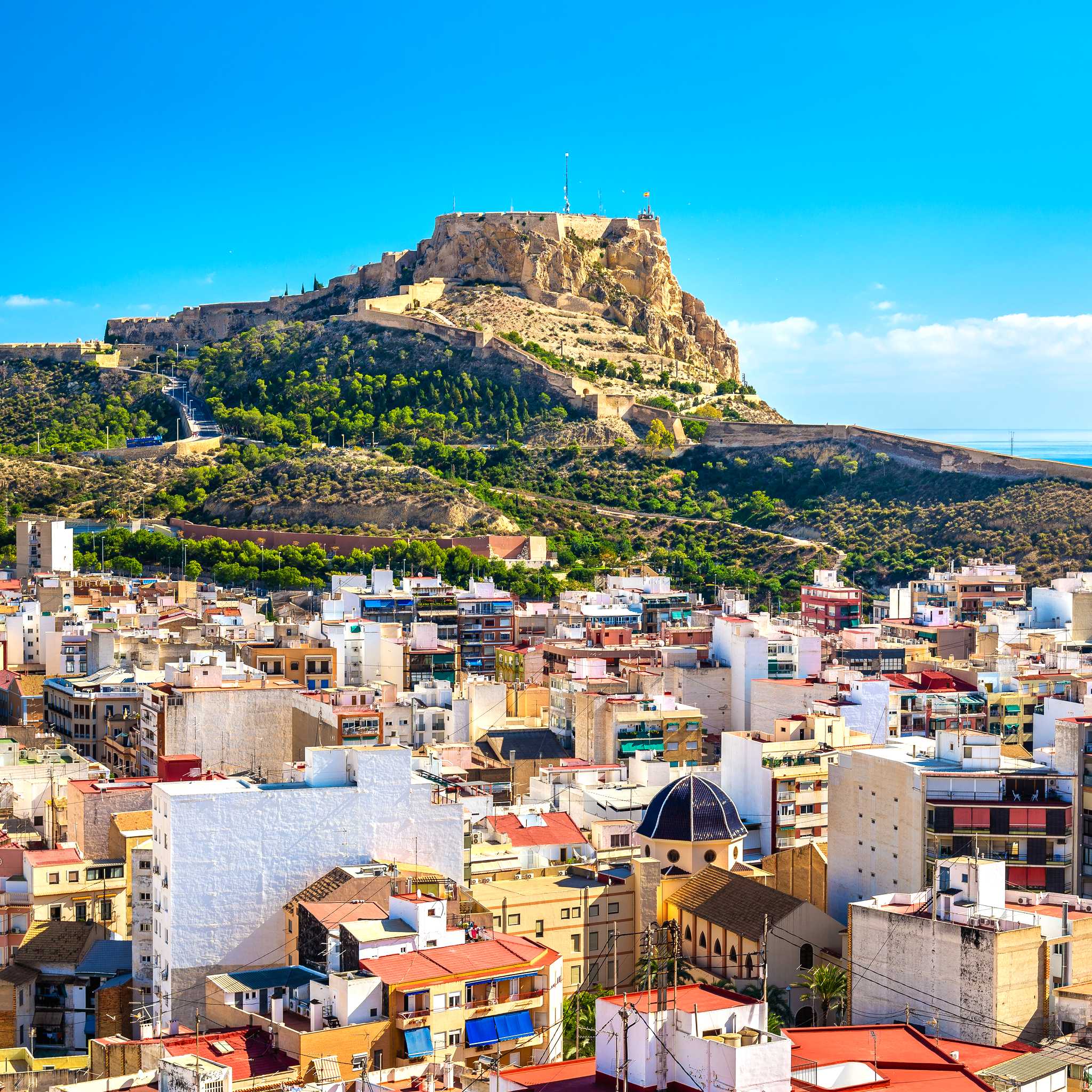
Must-see sights include the medieval Santa Barbara Castle overlooking the city, the colorful mosaic Explanada de Espana promenade, beautiful Postiguet Beach, the charming Barrio Santa Cruz old quarter, and the contemporary MARQ Archaeological Museum.
Spain uses the euro (EUR). Credit and debit cards are widely accepted throughout Alicante, including contactless payments. It's helpful to carry some cash for tapas bars, local markets, and smaller establishments that may prefer cash transactions.
Don't miss paella Valenciana (the original rice dish from this region), tapas culture with local wines, fresh seafood including prawns and sea bass, turron (traditional nougat), and horchata (tiger nut drink). Explore local markets for authentic ingredients.
Spanish (Castilian) is the official language, and Valencian (a Catalan dialect) is also spoken in the region. English is commonly spoken in tourist areas, hotels, and restaurants, though learning basic Spanish phrases is appreciated by locals.
Tipping in Spain is not obligatory but appreciated. In restaurants, leave 5-10% for good service or round up the bill. In tapas bars, small change is sufficient. For taxis, rounding up to the nearest euro is standard practice.
Alicante enjoys a Mediterranean climate with over 300 days of sunshine annually. Late spring through early autumn (April-October) is ideal for beach activities. Winter months are mild and perfect for sightseeing with fewer crowds and pleasant temperatures.