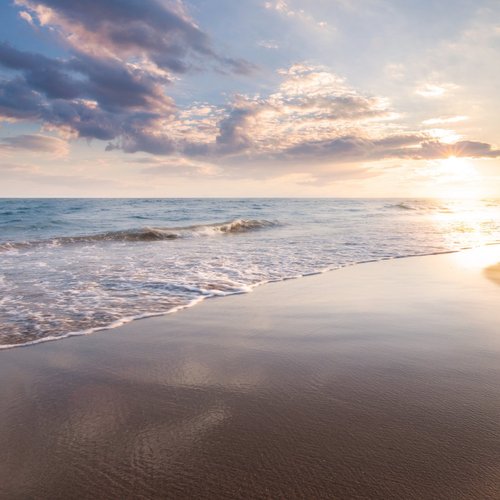
Yes — Arica's main attractions are compact enough that a focused day covers the essentials comfortably. A practical sequence might begin at the San Marcos Cathedral in the city center, then move to El Morro for the hike and museum, and finish with time on the beach or along the waterfront. Because the city is small and walkable between landmarks, there is little logistical overhead. Arriving by private transfer rather than by bus or shared shuttle also preserves the full day — you set the departure time, arrive directly at your starting point, and leave when you are ready rather than around a fixed schedule.
Arica is known for its remarkably dry desert climate — its nickname, the City that Never Rains, reflects genuine meteorological reality rather than marketing. The desert climate means clear skies are reliably available year-round, which makes outdoor activities like hiking El Morro, exploring the beaches, or photographing the cathedral predictable and low-risk regardless of when you visit. For travelers arriving by private transfer, the consistent conditions also mean smooth, uninterrupted journeys through the surrounding Atacama landscape.
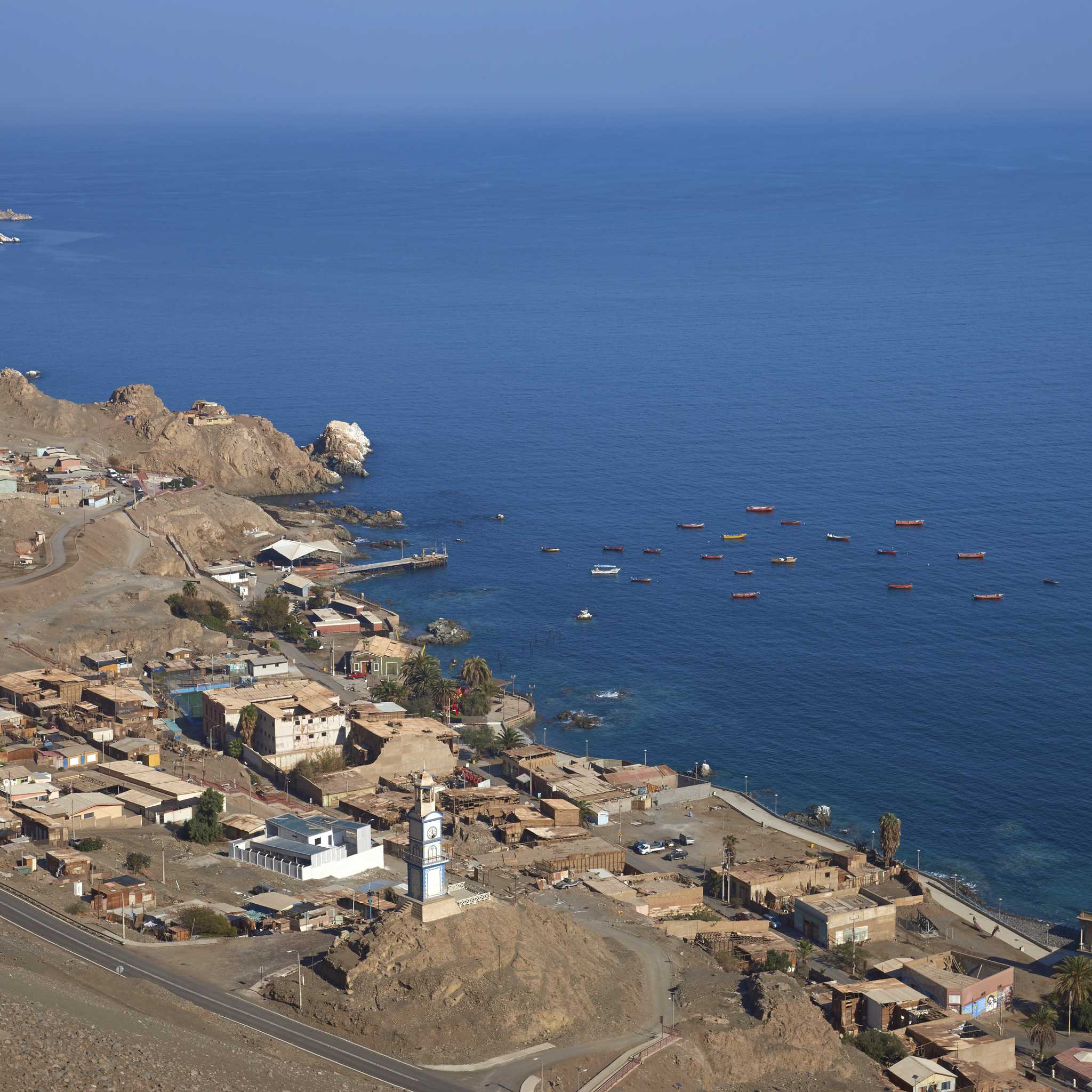
El Morro is a 130-meter-tall coastal bluff that defines the Arica skyline and ranks as the city's most iconic landmark. The hike to the summit is short and manageable for most visitors, and the payoff is a wide panoramic view stretching across the city, the coastline, and the surrounding desert. At the top, a small Weapons Museum commemorates the Battle of Arica, a pivotal moment in the War of the Pacific. It is the kind of stop that takes under two hours but leaves a lasting impression — especially for travelers who want historical context alongside the view.
Arica sits at a crossroads in the far north of Chile, making it accessible by road from several directions. The coastal route from Iquique covers roughly 310 km (193 miles) and takes approximately 3 to 3.5 hours by private transfer, passing through stark Atacama desert scenery along the way. A private transfer is the most practical option for this corridor — there is no direct rail connection, long-distance bus schedules are fixed and stop-heavy, and a rental car adds navigation complexity in unfamiliar territory. With a Daytrip driver, you travel on your own schedule, door to door, with the option to pause at points of interest along the route.
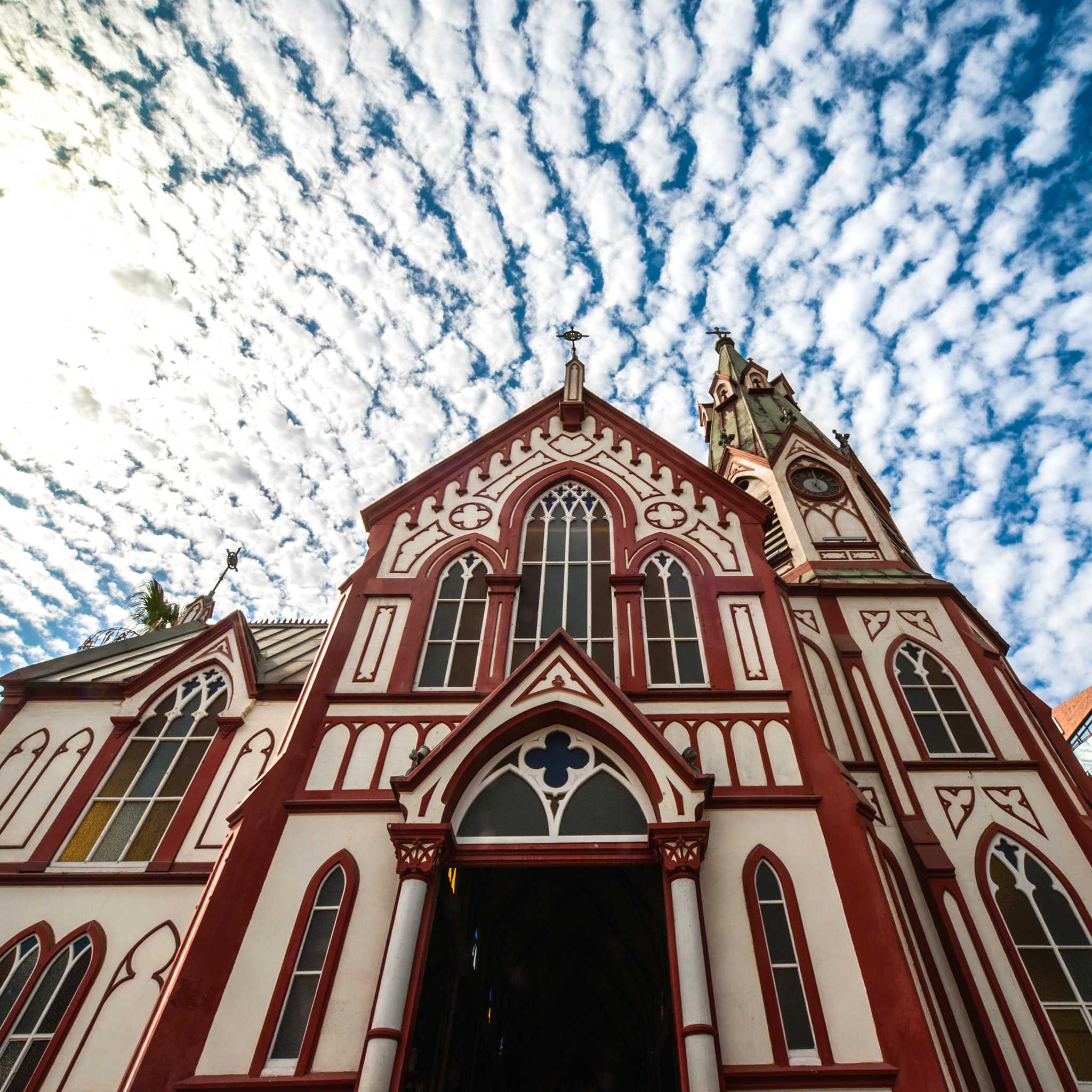
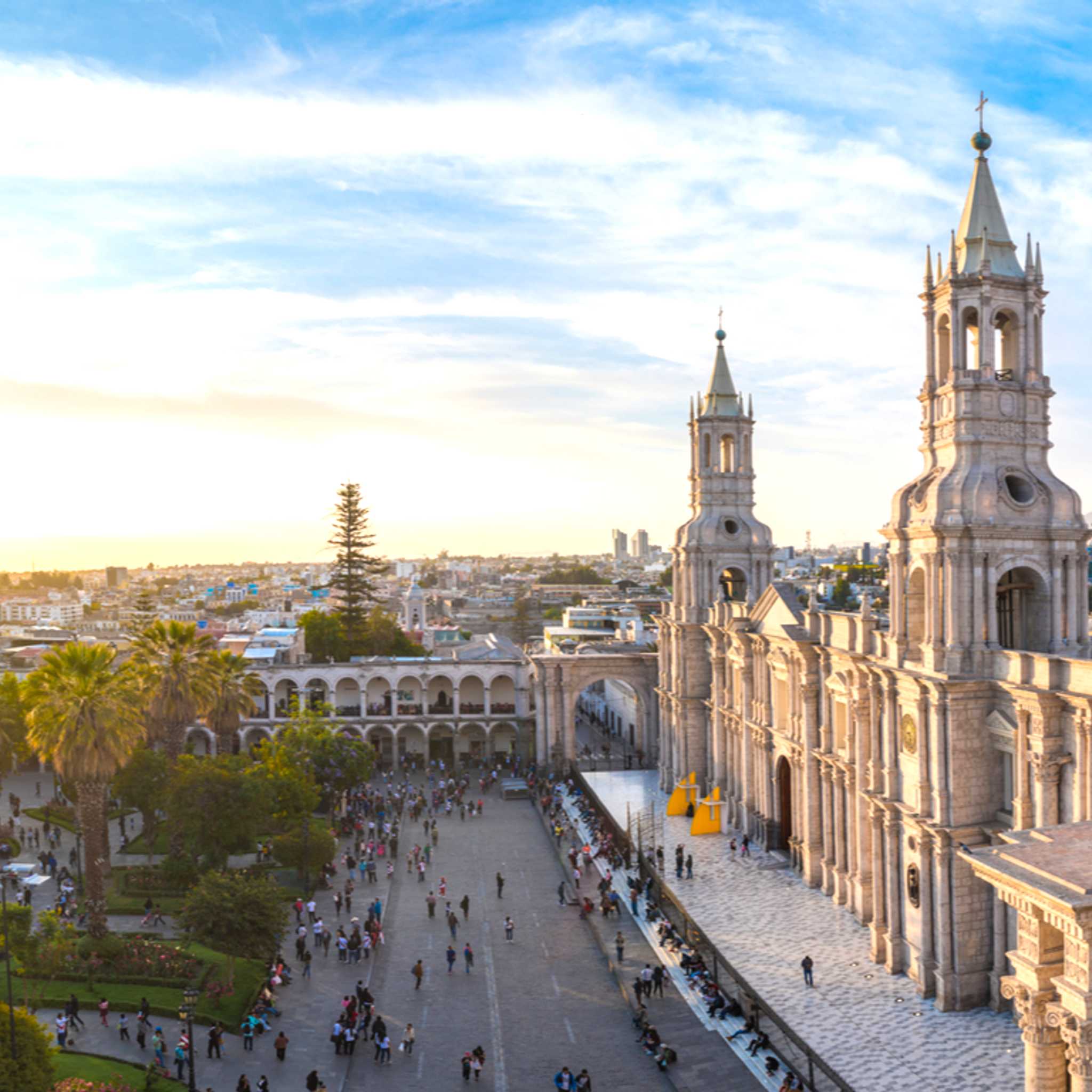
San Marcos Cathedral is one of Arica's most distinctive buildings, and its origin is genuinely unusual. The structure was prefabricated by the Eiffel company — the same firm behind the Eiffel Tower — and shipped to Arica after an 1868 earthquake destroyed much of the city. The neoclassical design features a colorful, asymmetric facade and beautiful interior stained glass windows. It stands today as both a functioning place of worship and a quiet monument to the city's resilience and rebuilding after one of the most destructive earthquakes in the region's recorded history.
Arica earns its place on any northern Chile route through a rare combination of history, natural drama, and coastal ease. The city traces its origins to 16th-century Spanish colonizers who used it as the primary export port for Bolivian silver, and that layered past is still visible in landmarks like the San Marcos Cathedral — designed by the Eiffel company and featuring a striking asymmetric facade with original stained glass — and El Morro, a 130-meter rock outcrop rising sharply above the Pacific coastline. Add long sandy beaches, near-constant sunshine, and a compact city center that rewards slow exploration, and Arica delivers far more than a transit stopover.