Much of central Badajoz is flat and walkable, with pedestrian-friendly plazas and riverside paths that work well for strollers. The historic old town and the climb up to the Alcazaba involve some cobbled streets and slopes that can be bumpy for wheelchairs. Overall, the city is fairly easy to explore on foot at a relaxed, comfortable pace.
Badajoz is considered a safe, easygoing city, and Spain in general is a safe destination for visitors. Serious crime is uncommon, though, as in any city, it is wise to watch for pickpockets in busy areas and keep valuables secure. Walking around the center and old town in the evening is generally very pleasant for families and solo travelers alike.
Tipping is not required in Spain and tends to be modest. Prices generally include service, but it is common to leave small change or round up the bill for good service. At restaurants, a euro or two, or roughly 5 to 10 percent for a special meal, is a friendly gesture. Tipping is appreciated but never expected, so tip as you wish.
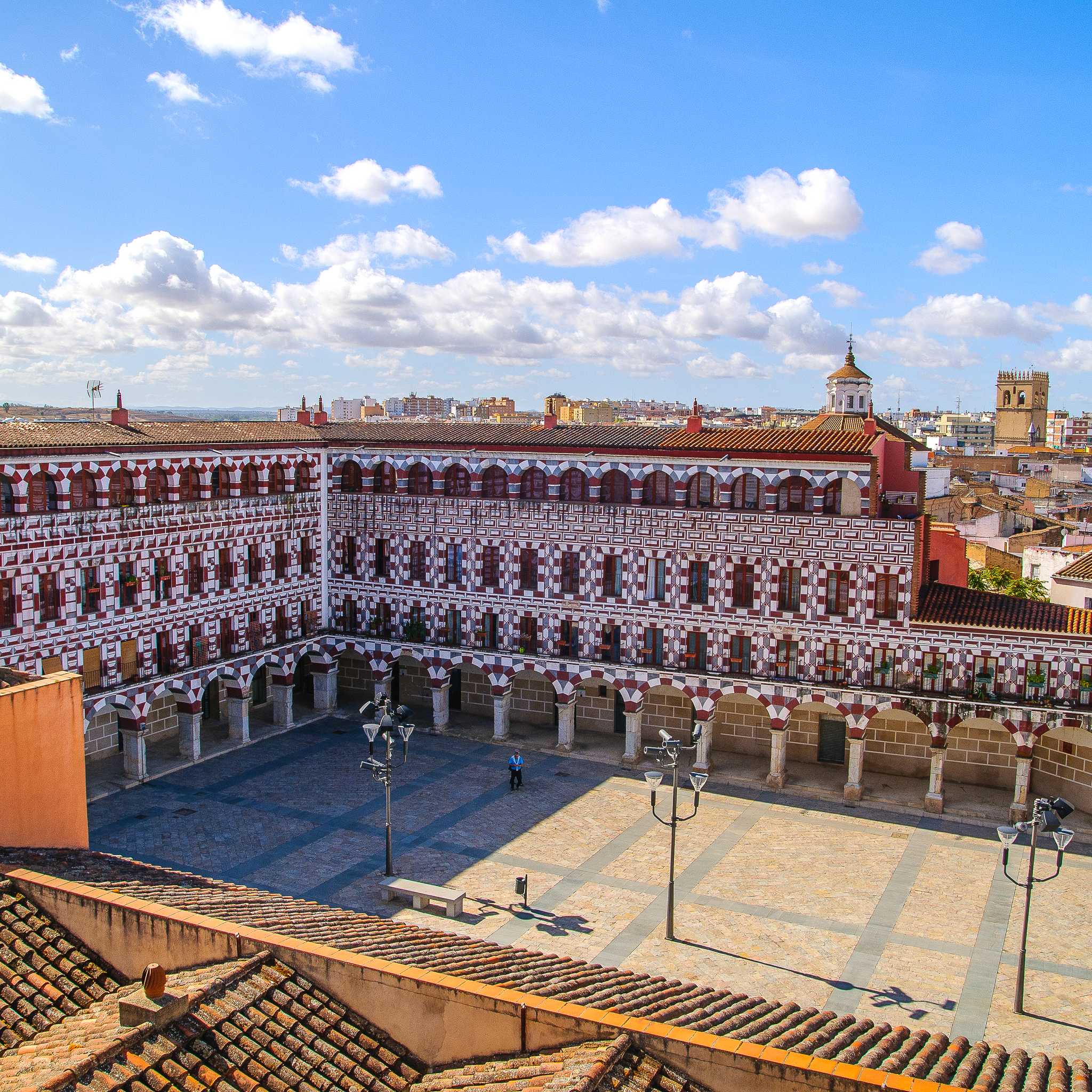
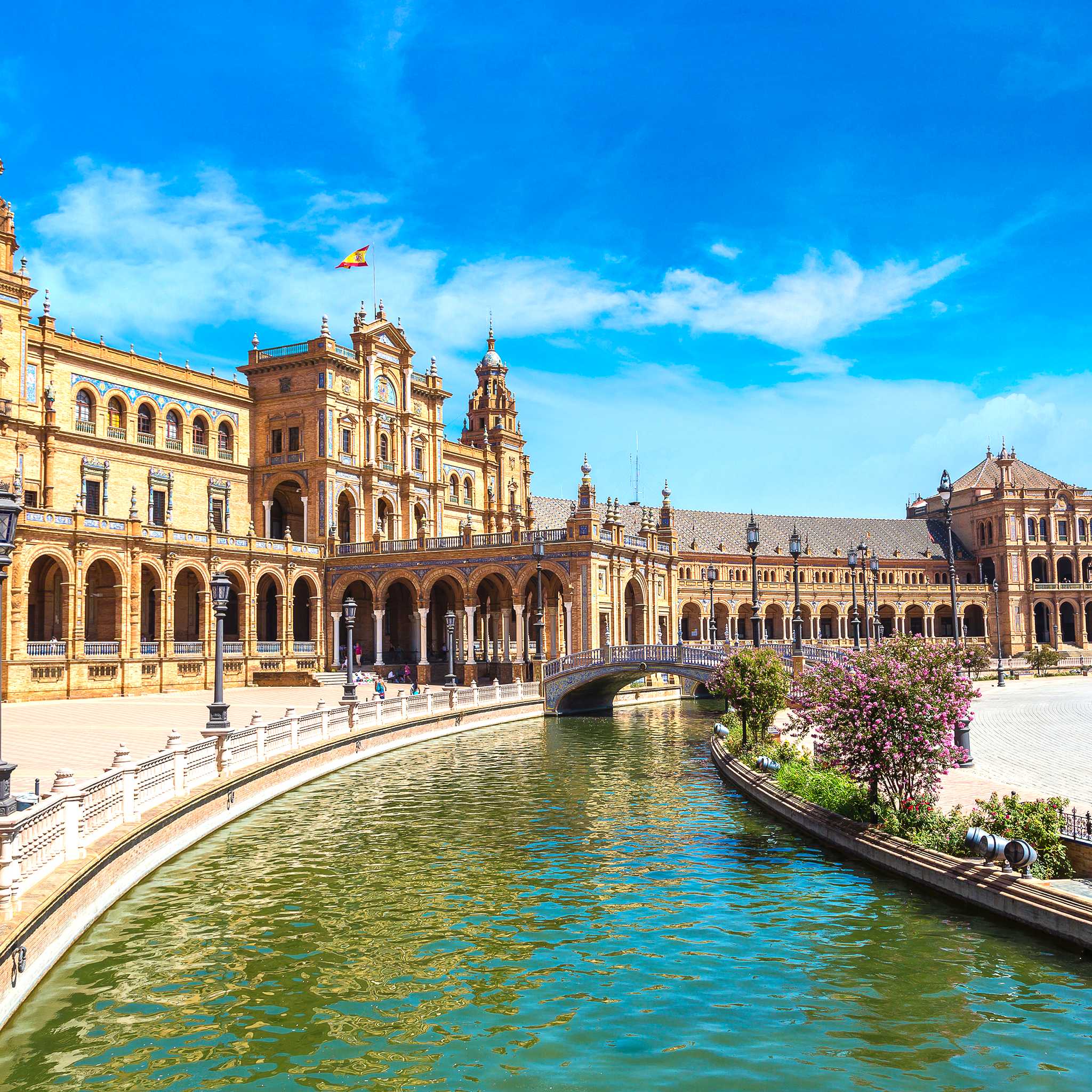
The unmissable highlight is the Alcazaba, a vast Moorish citadel with panoramic views over the Guadiana River and the Torre Espantaperros tower. Explore the colorful Plaza Alta, the fortress-like San Juan Bautista Cathedral and the lively Plaza de Espana. The city's art museums are worth a visit, and Portugal's historic town of Elvas is a short drive across the border.
Spain uses the euro (EUR). In Badajoz, cards and contactless payments are accepted in most shops, restaurants and hotels, and ATMs are easy to find around the city. It is still useful to carry a little cash for small cafes, market stalls or tapas bars in the old town, where some smaller, family-run spots may prefer cash.
The official language is Spanish. In Badajoz, close to the Portuguese border, you may hear some Portuguese too, and English is spoken in larger hotels and restaurants, though less widely than in major tourist cities. A few Spanish phrases goes a long way and are always appreciated by locals.
Extremadura is famous for its cured meats, especially jamon iberico from acorn-fed black pigs. Try local cheeses like Torta del Casar, hearty stews, migas, and dishes featuring pork and lamb. The region produces excellent wines, so pair your meal with a bold Extremaduran red. Tapas culture is strong here, making it easy to sample many flavors at once.
Spring, from April to June, and autumn, in September and October, are the best times to visit, offering mild, pleasant weather for sightseeing. Summers in Extremadura can be very hot, so mornings and evenings are best for exploring then. Winters are cool but generally comfortable. Visiting during a local festival adds plenty of color and lively atmosphere.