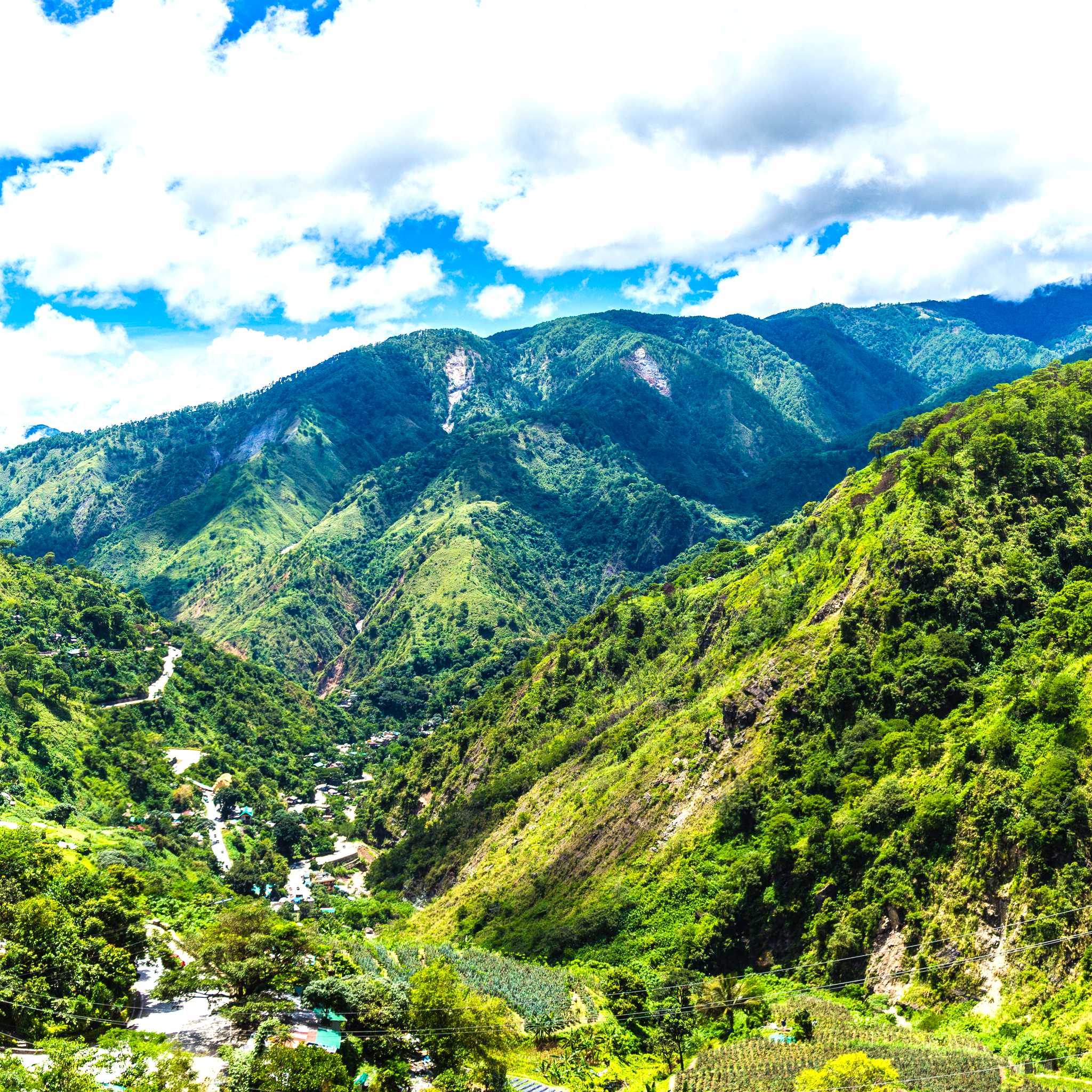
Baguio is hilly, with steep, winding streets and many stairs, which can be challenging for strollers and wheelchairs. Flatter, easier areas include Burnham Park and some mall districts. Sidewalks are uneven in places, and crowds build during peak season. Comfortable shoes are a must, and planning routes around the slopes helps.
Baguio is generally safe and popular with families, with a friendly atmosphere. Watch your belongings in crowded markets, on jeepneys and during festivals, where pickpocketing can occur. Roads are steep and winding, so take care as a pedestrian. During the rainy season, stay alert for landslides and follow local weather advisories.
Tipping is appreciated but modest in the Philippines. Many restaurants add a 10% service charge; if not, leaving around 10% is a kind gesture. Small tips for drivers, hotel staff and guides are welcome. Rounding up the bill or leaving loose change is common at casual spots and with street vendors.
Rent a boat at Burnham Park, walk bustling Session Road and take in the views at Mines View Park. Explore the BenCab Museum for Cordillera art, wander the Botanical Garden and visit Camp John Hay. Do not miss the public market for fresh strawberries, vegetables, woven goods and local crafts.
The Philippines uses the Philippine peso (PHP). In Baguio, malls, hotels and larger restaurants accept cards, but cash is essential at the public market, on jeepneys, and at street food stalls and small shops. ATMs are plentiful in the city center around Session Road. Carry smaller bills, as vendors may not always have change.
The Philippines has two official languages: Filipino, which is based on Tagalog, and English. English is widely spoken and used on signs, menus and in business, so visitors rarely face a language barrier. In Baguio you may also hear Ilocano and local Cordillera languages. Communicating in English is easy almost everywhere.
Baguio is famous for fresh strawberries, often served as strawberry taho (warm tofu with syrup) or in shakes. Try ube (purple yam) jam, sweet treats from Good Shepherd, and Cordillera dishes like pinikpikan. Warm up with locally brewed coffee and longganisa, a regional sausage, from the lively public market.
The dry season from November through May offers the most reliable weather and cool mountain air. February is especially popular for the Panagbenga flower festival, but expect big crowds and higher prices. The rainy months from June to October bring heavy downpours and possible typhoons, though the landscapes turn lush and green.