Banos is one of the safer towns in Ecuador, with a steady stream of international visitors and a relaxed atmosphere. Petty theft can occur in crowded areas, so keep an eye on your belongings. The bigger considerations are activity-related: only book adventure tours with reputable operators that provide quality safety gear. Tungurahua volcano is monitored, and authorities issue alerts when needed.
Central Banos is compact and easy to walk, with most restaurants, hot springs, and tour offices within a few blocks of the main square. However, sidewalks are narrow and uneven in places, and the town sits on a slope, which can make strollers and wheelchairs more challenging. Many adventure activities and waterfall trails involve stairs or rough terrain, not suitable for everyone.
Tipping in Ecuador is appreciated but modest. Restaurants often add a 10 percent service charge to the bill; if not, leaving 10 percent is the norm. Tour guides and adventure activity instructors typically receive 5 to 10 dollars per person for a half- or full-day tour. Hotel housekeepers welcome 1 to 2 dollars per night, and round up taxi fares to the nearest dollar.
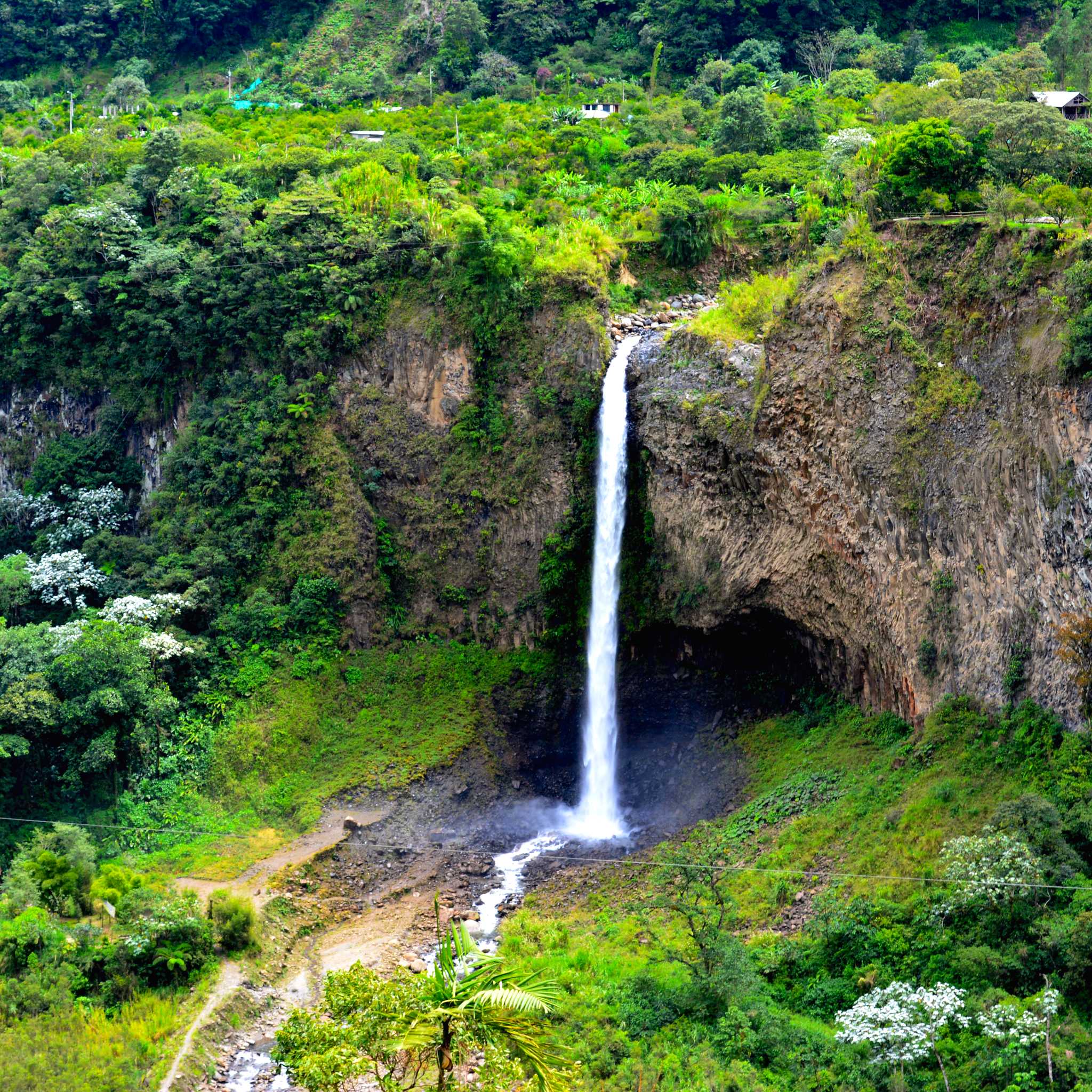
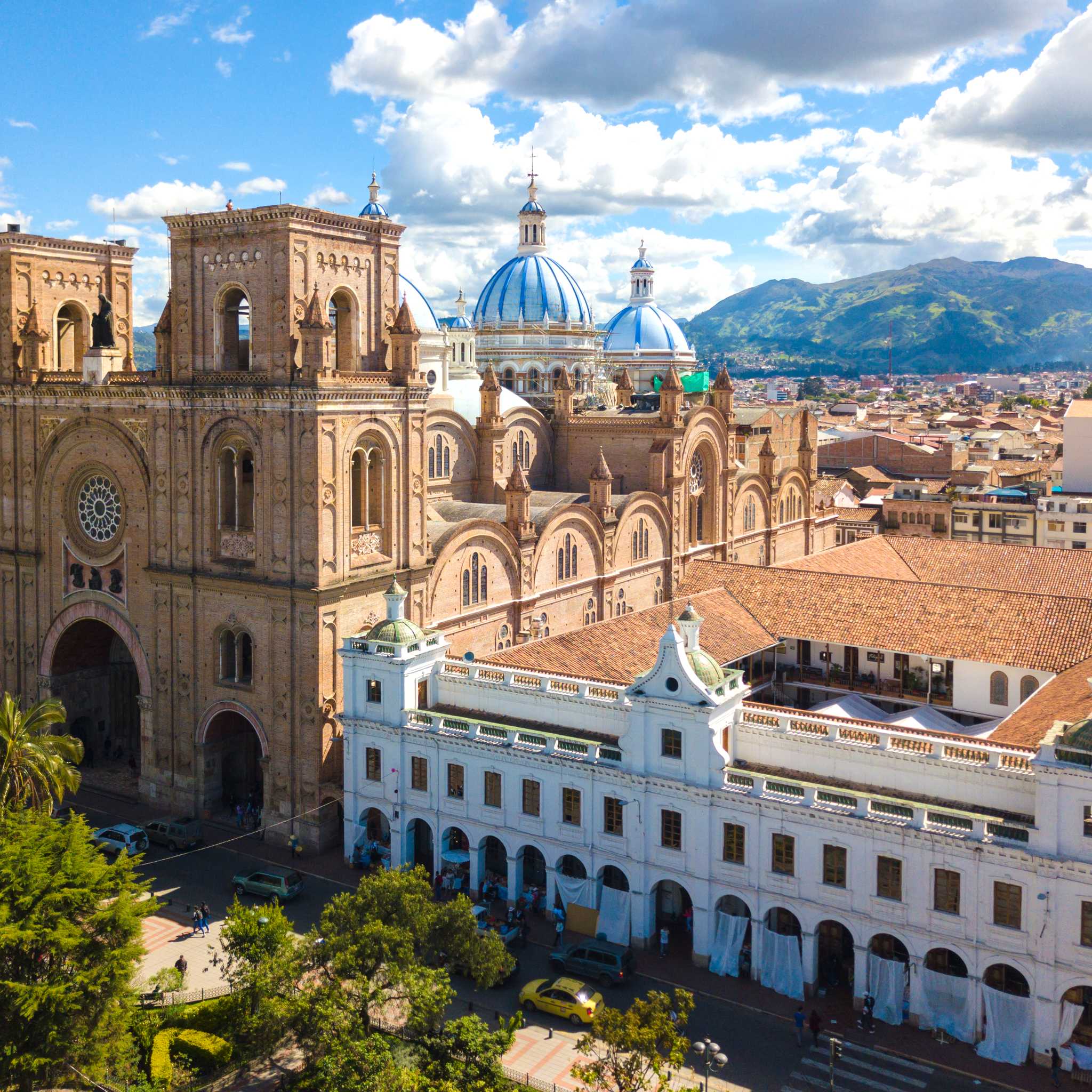
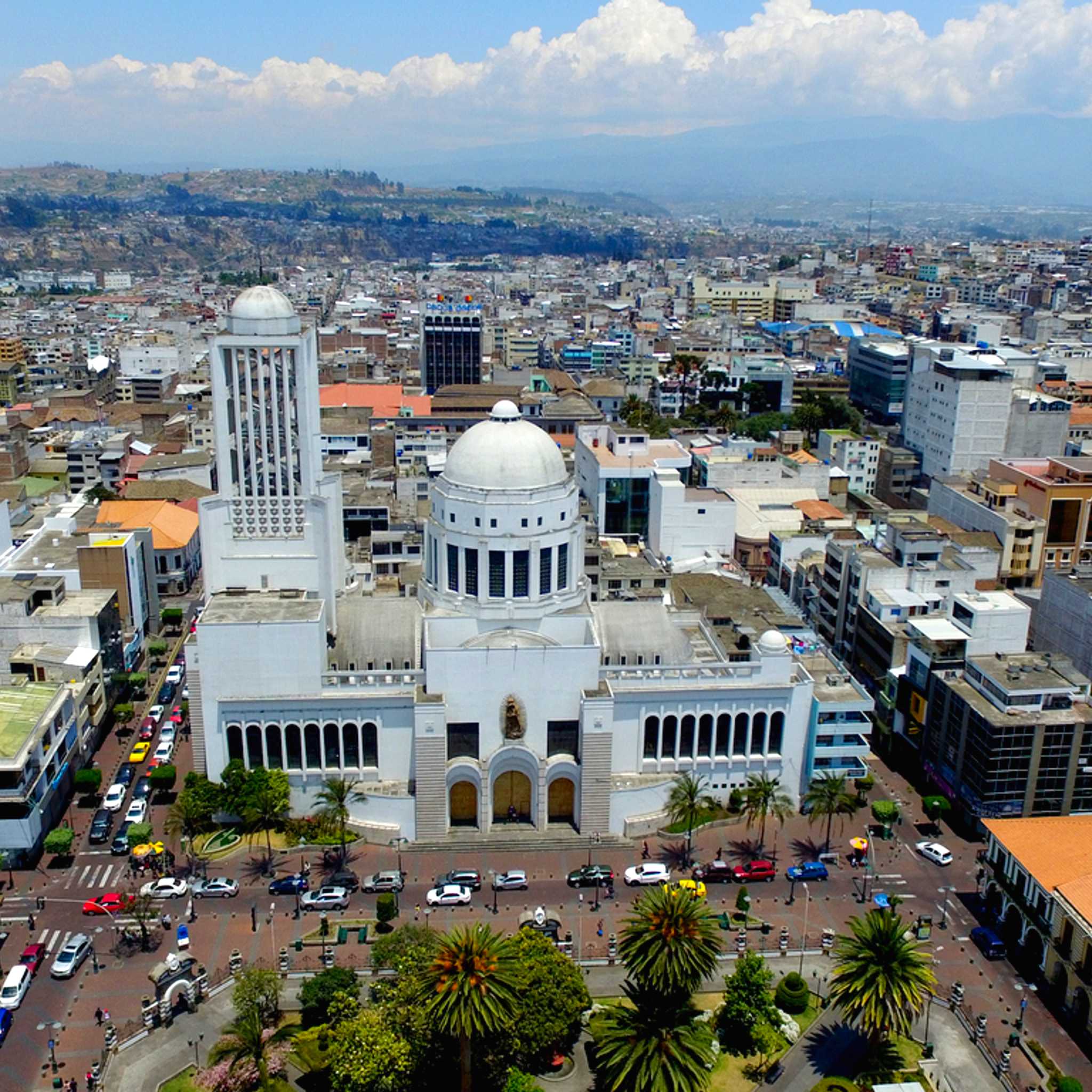
Banos is Ecuador's adventure capital. Don't miss the Casa del Arbol swing with its volcano view, the thundering Pailon del Diablo waterfall, and a soak in the hot springs at Termas de la Virgen. Cycle the Ruta de las Cascadas, raft the Pastaza River, zip-line over canyons, or take a chiva (party bus) up to the Tungurahua viewpoint at night. The Basilica is a peaceful contrast.
Ecuador officially uses the U.S. dollar (USD) as its currency, which makes things simple for many international travelers. Small Ecuadorian centavo coins circulate alongside U.S. coins. Bring smaller bills, as 50 and 100 dollar notes can be hard to break. Credit cards are accepted at hotels and larger restaurants, but cash is essential for small businesses, markets, and bus fares around Banos.
Spanish is the official language of Ecuador, and what you'll hear throughout Banos. Quechua and other Indigenous languages are also recognized and spoken in highland and Amazonian communities. English is common in tour agencies, hotels, and adventure outfitters in Banos, since the town is popular with international travelers. Outside these spots, basic Spanish phrases are very helpful and warmly appreciated by locals.
Try Ecuadorian classics like locro de papa (potato and cheese soup), llapingachos (potato patties with peanut sauce), and hornado (slow-roasted pork). Banos is famous for melcocha, a soft taffy candy that vendors stretch and pull right in shop windows. Sample fresh sugarcane juice, empanadas de viento, and tropical fruits from the nearby jungle. The town also has international cafes catering to travelers' tastes.