Service is typically included in French restaurant bills (service compris). Tipping is not obligatory but appreciated for good service. Leaving 5-10% or rounding up the bill is a common courtesy for excellent experiences. In cafes, leaving small change is customary but not required.
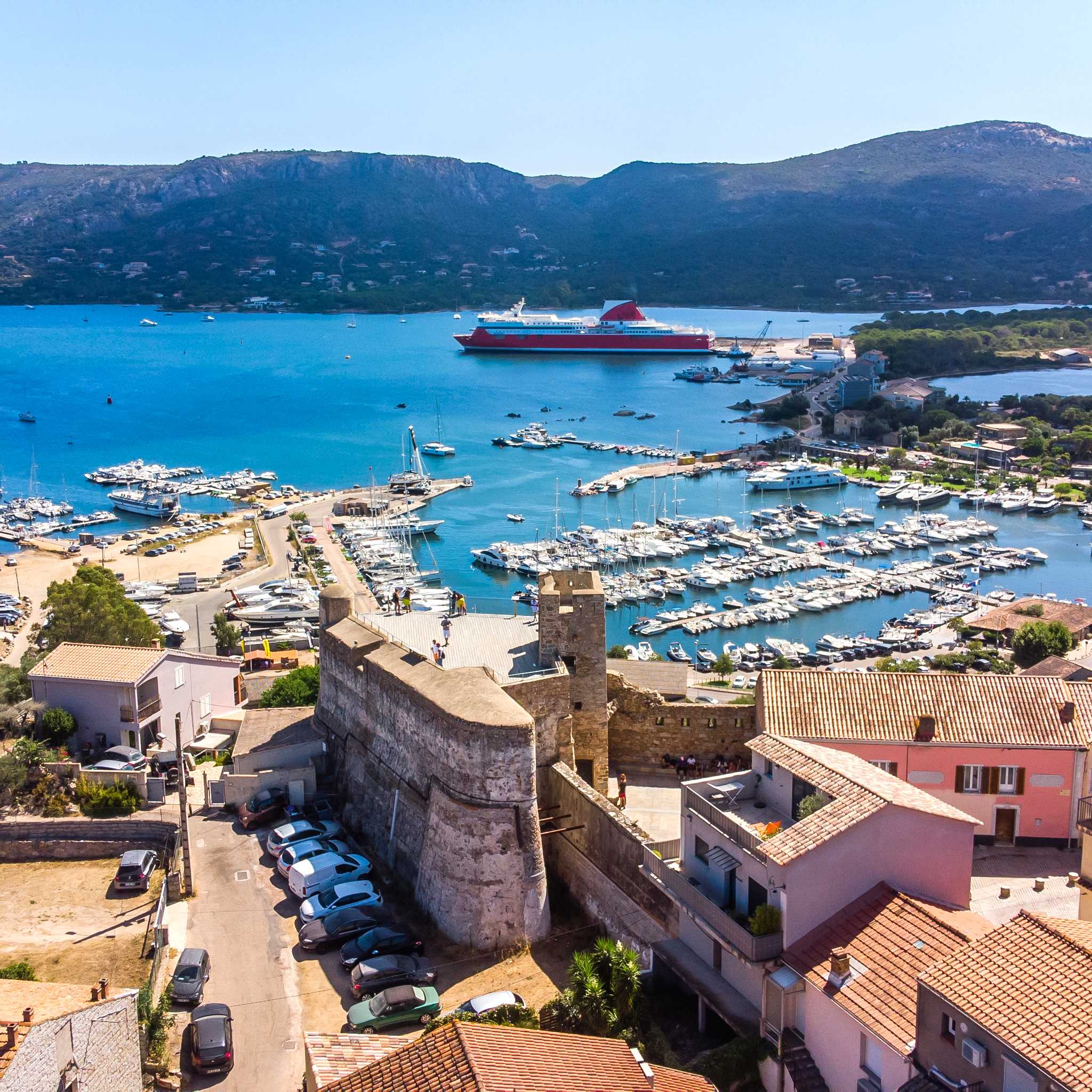
The citadel sits on a steep hill, though a modern elevator connects the lower city with Terra Nova above, making it easier for those with mobility challenges. The old town has many stairs and uneven cobblestone streets that can be difficult for wheelchairs and strollers. The waterfront and modern areas are more accessible.
Bastia is generally safe for travelers. As France's second-busiest passenger port, standard urban precautions apply: watch belongings in crowded areas, especially around the ports and markets. The old town's narrow streets are well-lit and regularly patrolled. Pickpocketing is rare but can occur in busy tourist zones.
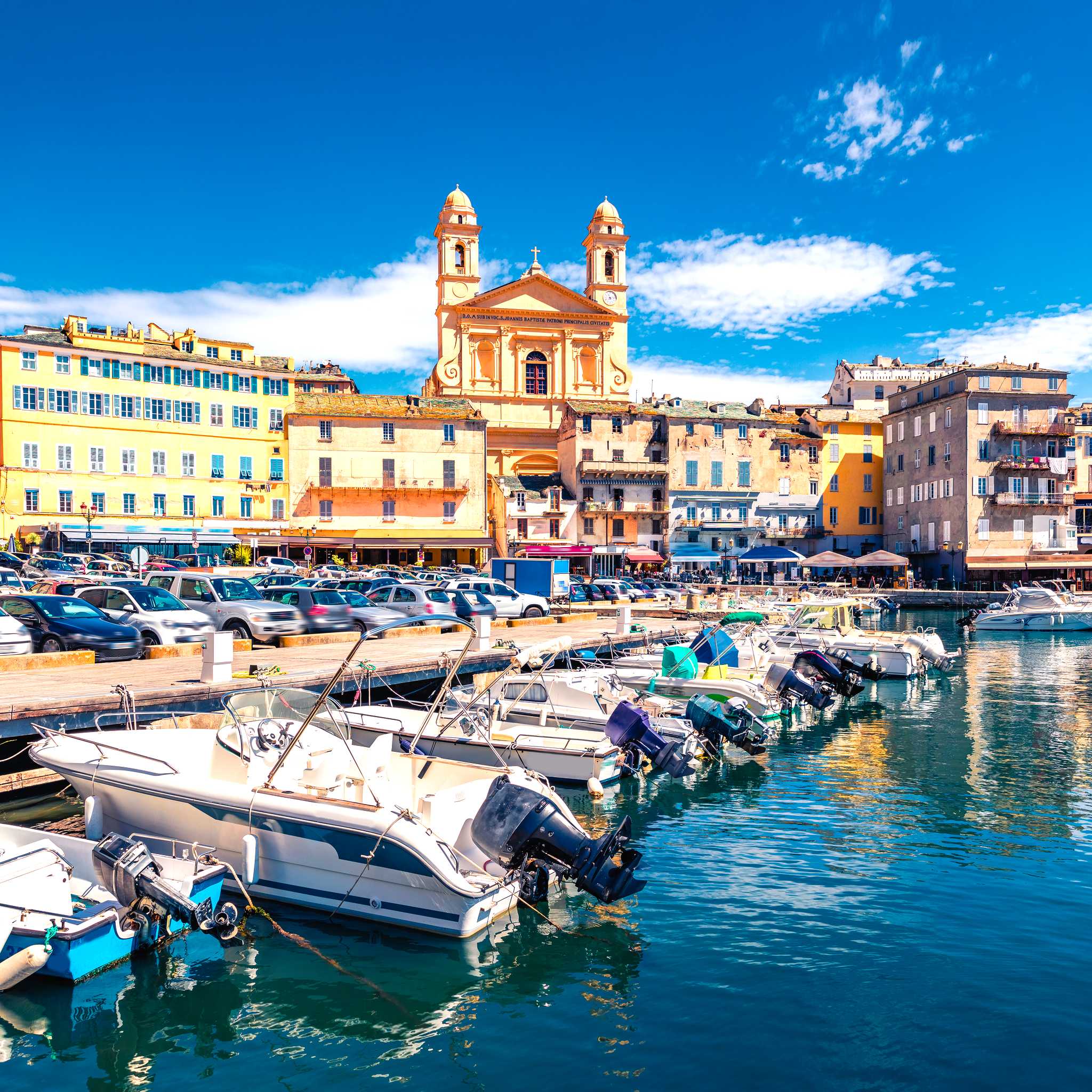
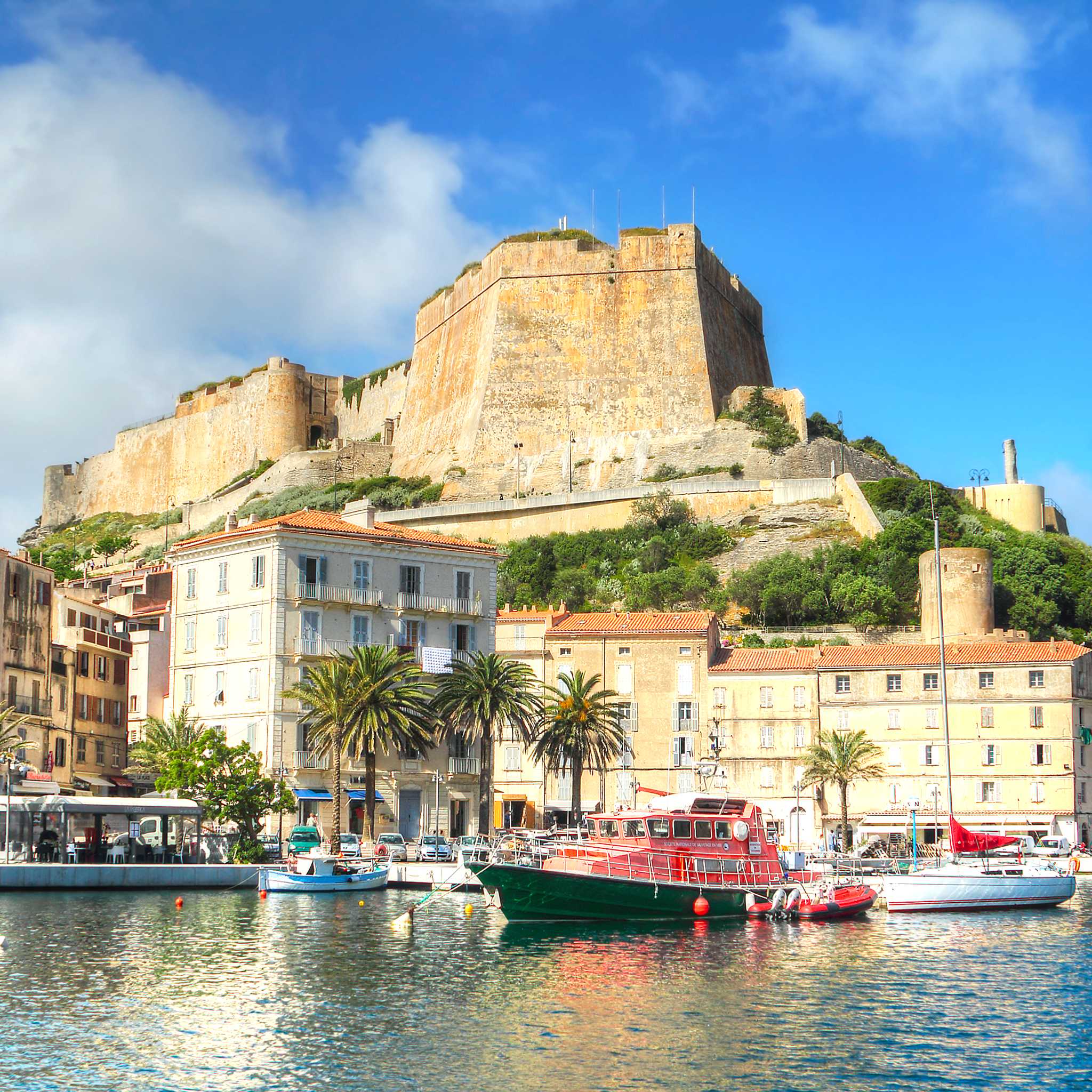
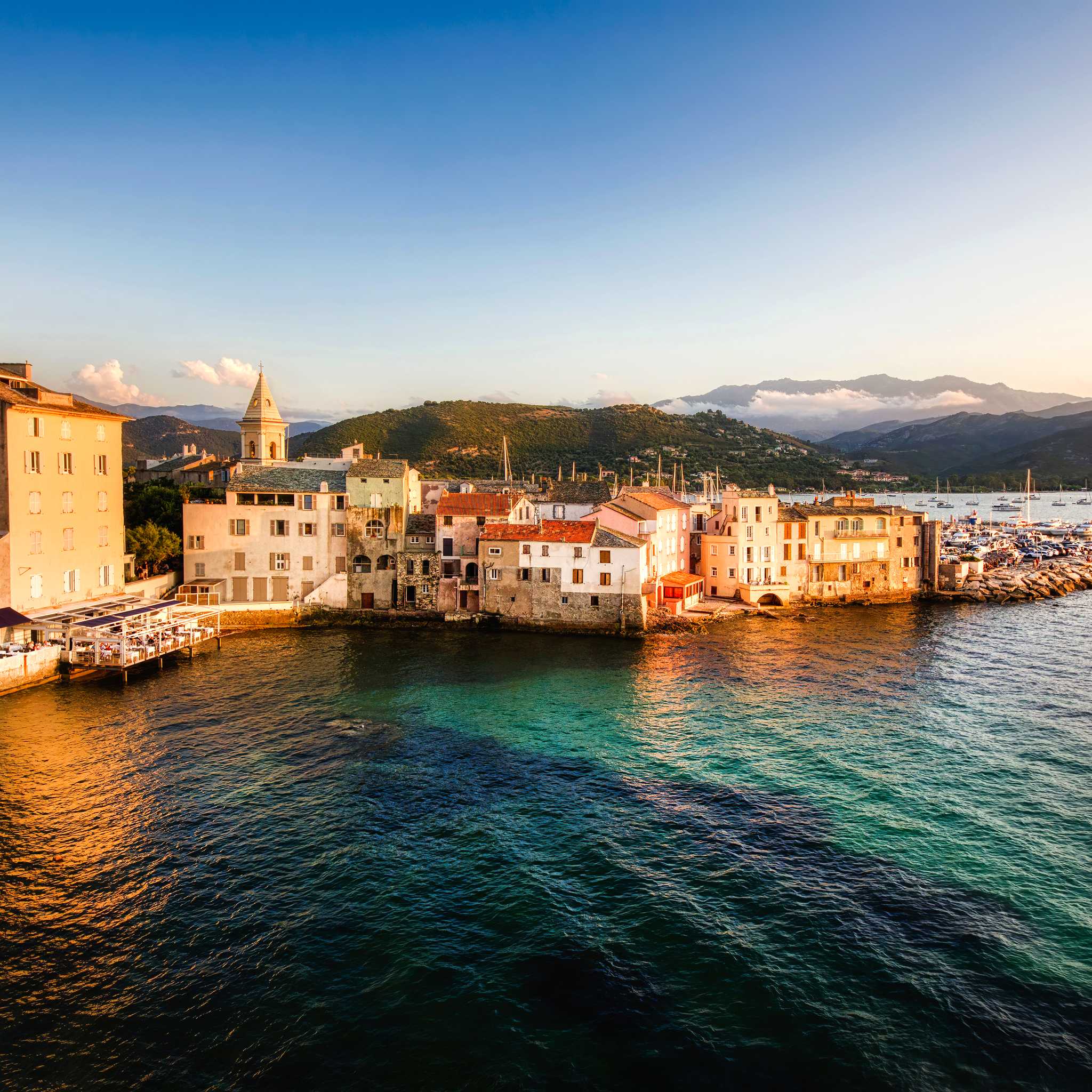
The old port (Vieux Port) is the heart of the city, overlooked by pastel buildings and the Church of Saint John the Baptist. The hilltop citadel houses the Governor's Palace and baroque churches. Place Saint-Nicolas, one of Europe's largest squares, offers cafes and Mediterranean atmosphere. The Terra Vecchia old quarter features winding medieval streets.
France uses the euro (EUR). Bastia has numerous ATMs throughout the city center, old port area, and near Place Saint-Nicolas. Credit cards are widely accepted in hotels, restaurants, and shops. Some smaller vendors and markets may prefer cash, so keep some euros on hand.
French is the official language in Corsica. Many Corsicans also speak Corsu, the traditional Corsican language. In Bastia's tourism areas, you'll find English speakers, particularly at hotels and major restaurants. Italian is sometimes understood due to historical and geographical connections.
Corsican cuisine blends French and Italian influences. Try local specialties like Bastian anchovies, pasta with lobster or cured fish roe, and charcuterie including coppa and lonzu. Brocciu cheese appears in many dishes. Fresh seafood dominates restaurant menus. Local wines and chestnut-based products reflect the island's agricultural heritage.
Late spring (May to June) and early autumn (September to October) offer pleasant weather and manageable crowds. Summer (July-August) brings warm temperatures ideal for beaches, but more visitors. Winter is mild but quieter, with some attractions having reduced hours.