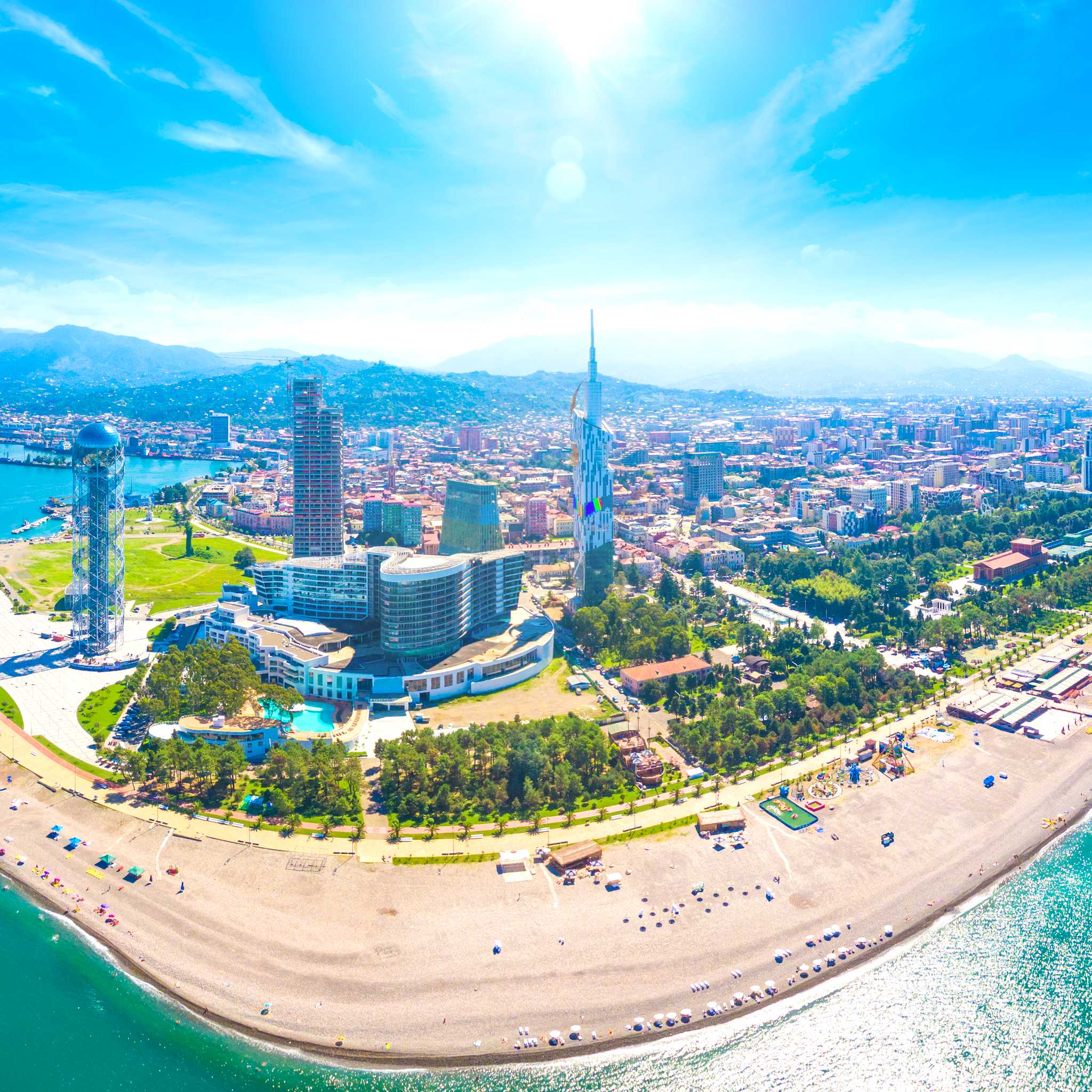
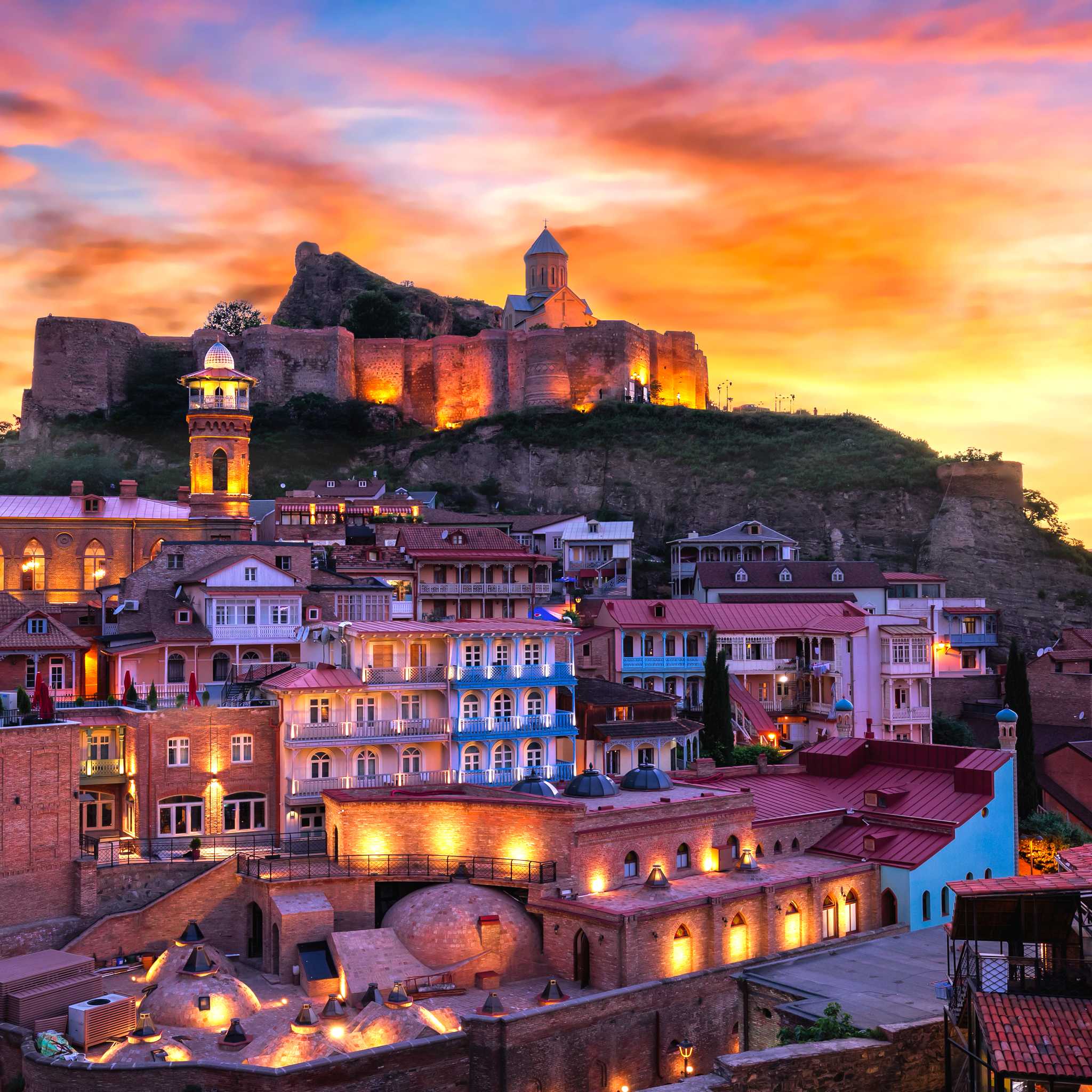
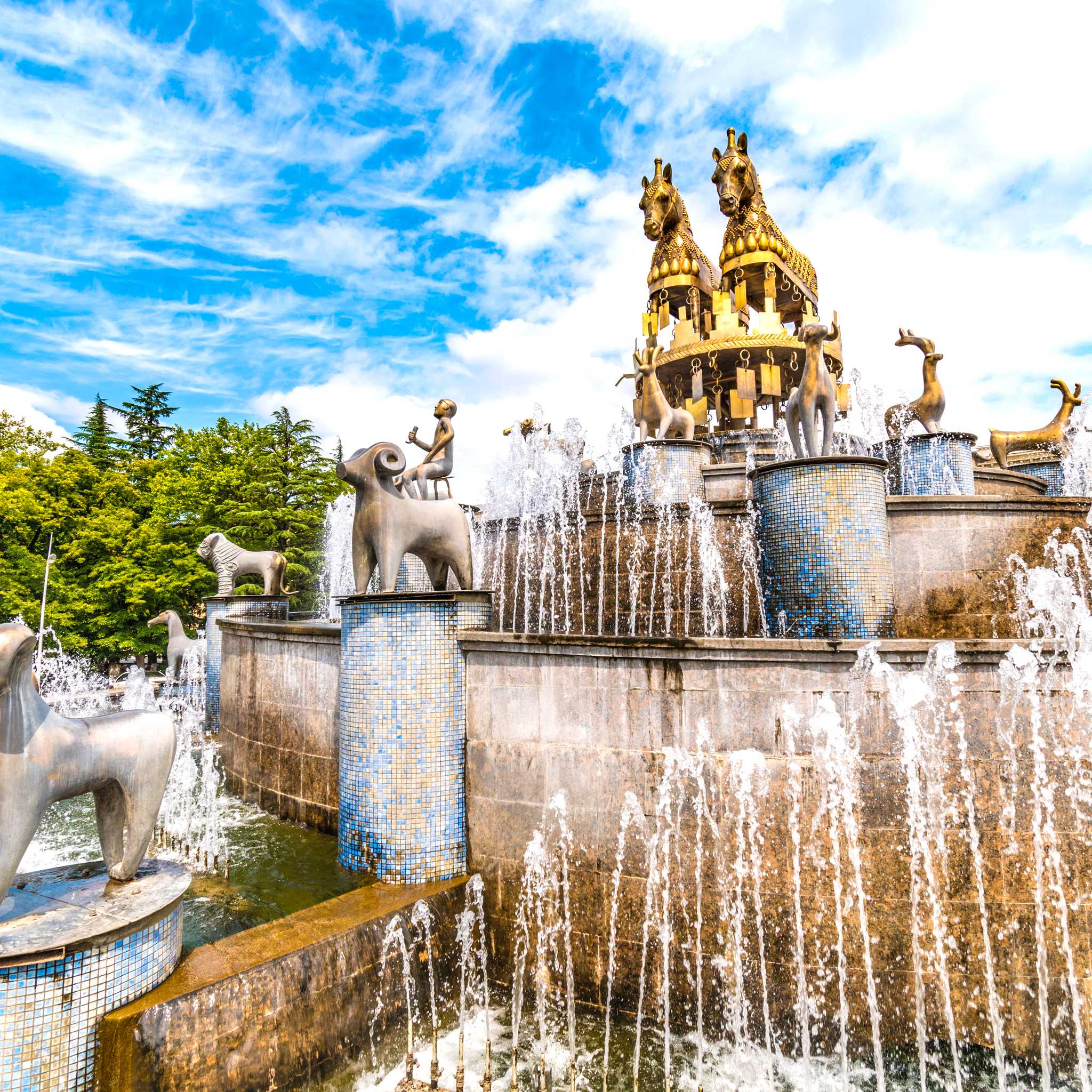
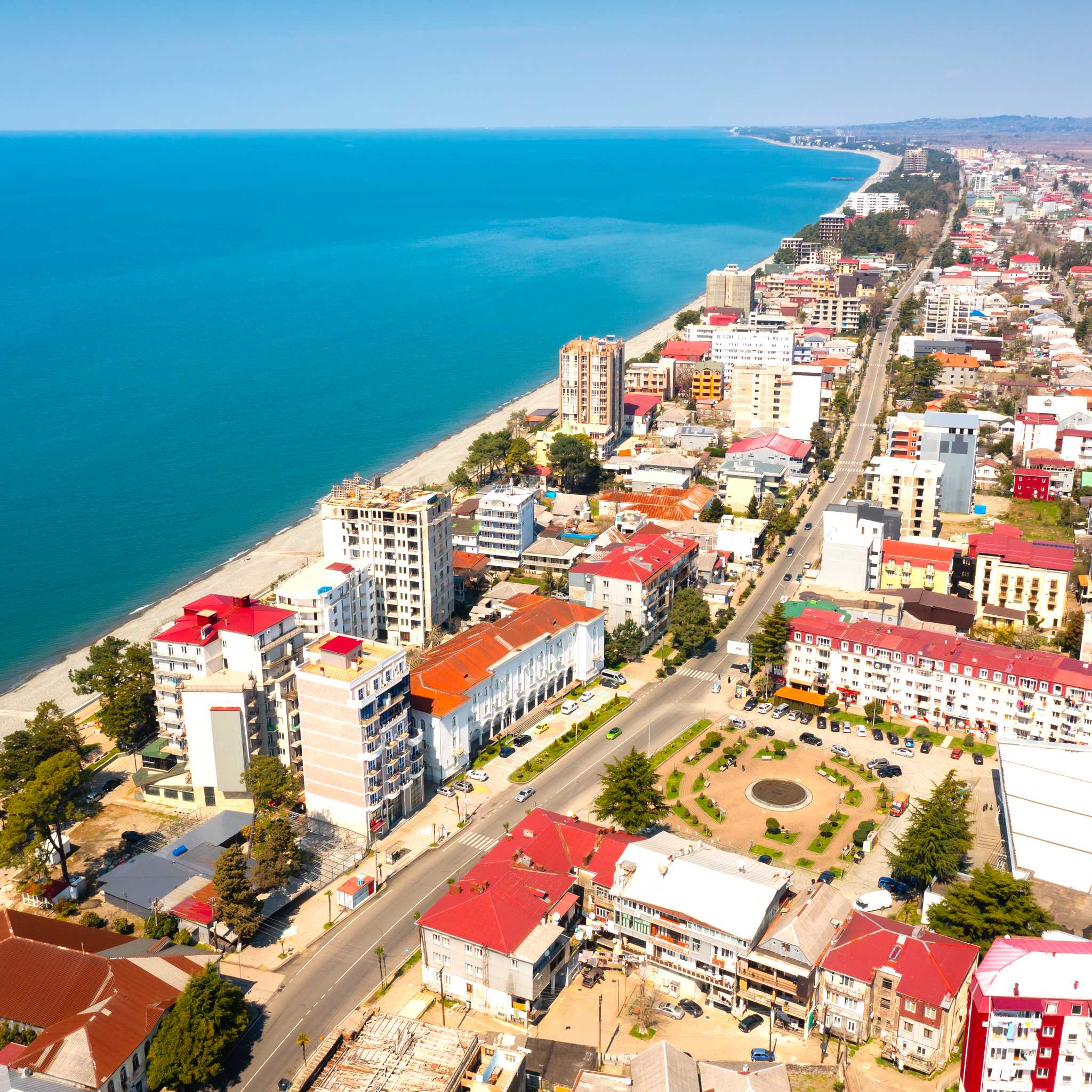
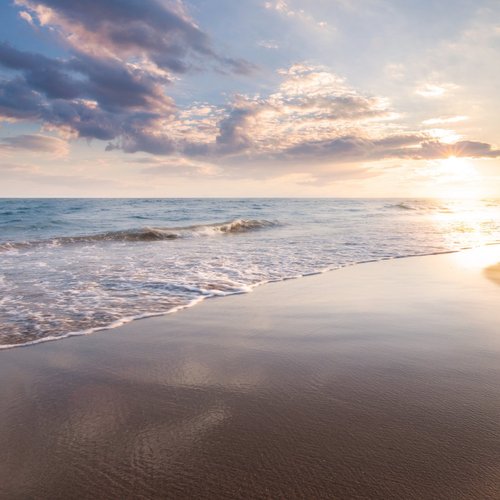
Absolutely. While Batumi is famous for its Black Sea beach and summer resort vibe, the city offers much more year-round. You'll find unique modern architecture, vibrant cafe culture, museums, street art, lush botanical gardens, and excellent Adjarian cuisine. Nearby mountains and national parks offer hiking, rafting, and cable car rides. Spring, autumn, and even winter visits reveal a quieter, more local side of the city.
Yes, Batumi is generally safe for travelers, with low rates of violent crime and a welcoming local culture. Like any seaside resort, petty theft can occur in crowded areas and on the beach, so keep valuables secure. Roads can be chaotic and driving habits aggressive, so take extra care when crossing streets. Solo travelers, including women, typically find Batumi comfortable to explore.
Yes, central Batumi is very walkable. The seaside Boulevard, Old Town, Europe Square, and most major sights are flat and within easy reach on foot. Sidewalks are generally wide, and the Boulevard has dedicated cycling and walking paths. For longer distances, taxis and ride-hailing apps like Bolt are inexpensive. Some older streets have uneven pavement, which may be tricky for strollers and wheelchairs.
Highlights include strolling Batumi Boulevard, a 7-kilometer seaside promenade, watching the moving Ali and Nino statue, and riding the Argo Cable Car for panoramic Black Sea views. Visit the Alphabet Tower, Europe Square, the Batumi Botanical Garden, and relax on Batumi Beach. Venture inland to see Mtirala National Park, Makhuntseti Waterfall, and the ancient stone bridges of Adjara.
Georgia's currency is the Georgian lari. Credit cards are widely accepted in Batumi's hotels, restaurants, and shops, though cash is useful for markets, bakeries, and taxis. ATMs are easy to find. Georgian is the official language, written in its own distinctive alphabet. Russian is commonly spoken, and English is increasingly used in the travel industry. Locally in Adjara, a regional dialect is also spoken.
Batumi is an ideal base for exploring western Georgia. Popular day trips include the Batumi Botanical Garden, Gonio Apsaros Fortress, Mtirala National Park for hiking and waterfalls, and the scenic Machakhela Valley with its stone bridges. Wine lovers head to the Ajarian Wine House near Makhuntseti, while adventure seekers enjoy canyoning and white-water rafting. The cave town of Vardzia is further but possible as a long day trip.
The best time to visit Batumi is from late May to early September, when the Black Sea coast is warm and sunny, ideal for beach days and outdoor activities. July and August are the busiest months with the liveliest atmosphere. Late April to June and September to October are excellent shoulder seasons with pleasant weather, fewer crowds, and lower prices. Winters are mild but rainy.
Batumi is the heartland of Adjarian khachapuri, a boat-shaped bread filled with melted cheese, butter, and a runny egg on top. It is unmissable. Also try khinkali soup dumplings, mtsvadi grilled skewers, lobio bean stew, and pkhali vegetable pastes. Fresh Black Sea seafood is widely available, and Georgian wine and chacha, a strong grape spirit, are essential to the local dining experience.