Bayreuth has a compact, largely flat old town that is easy to explore on foot, with a pedestrianized main street, making it fairly comfortable for strollers and wheelchairs. Some historic buildings and cobbled sections can be uneven. A few sights, like the Hermitage gardens and the Festival Theatre, sit outside the center and are best reached by car or local bus.
Germany is a safe country, and Bayreuth is a calm, welcoming city with low crime. You can comfortably explore the old town and parks on foot, even in the evening. As anywhere, basic common sense applies, like keeping an eye on belongings in crowded areas, especially during the busy festival season. Families and solo travelers generally feel very at ease here.
Tipping is customary in Germany but modest. In restaurants and cafes, it is common to round up the bill or add around 5 to 10 percent for good service. Rather than leaving coins on the table, you usually tell the server the total amount you wish to pay when settling up. Small tips for taxis and other services are also appreciated.
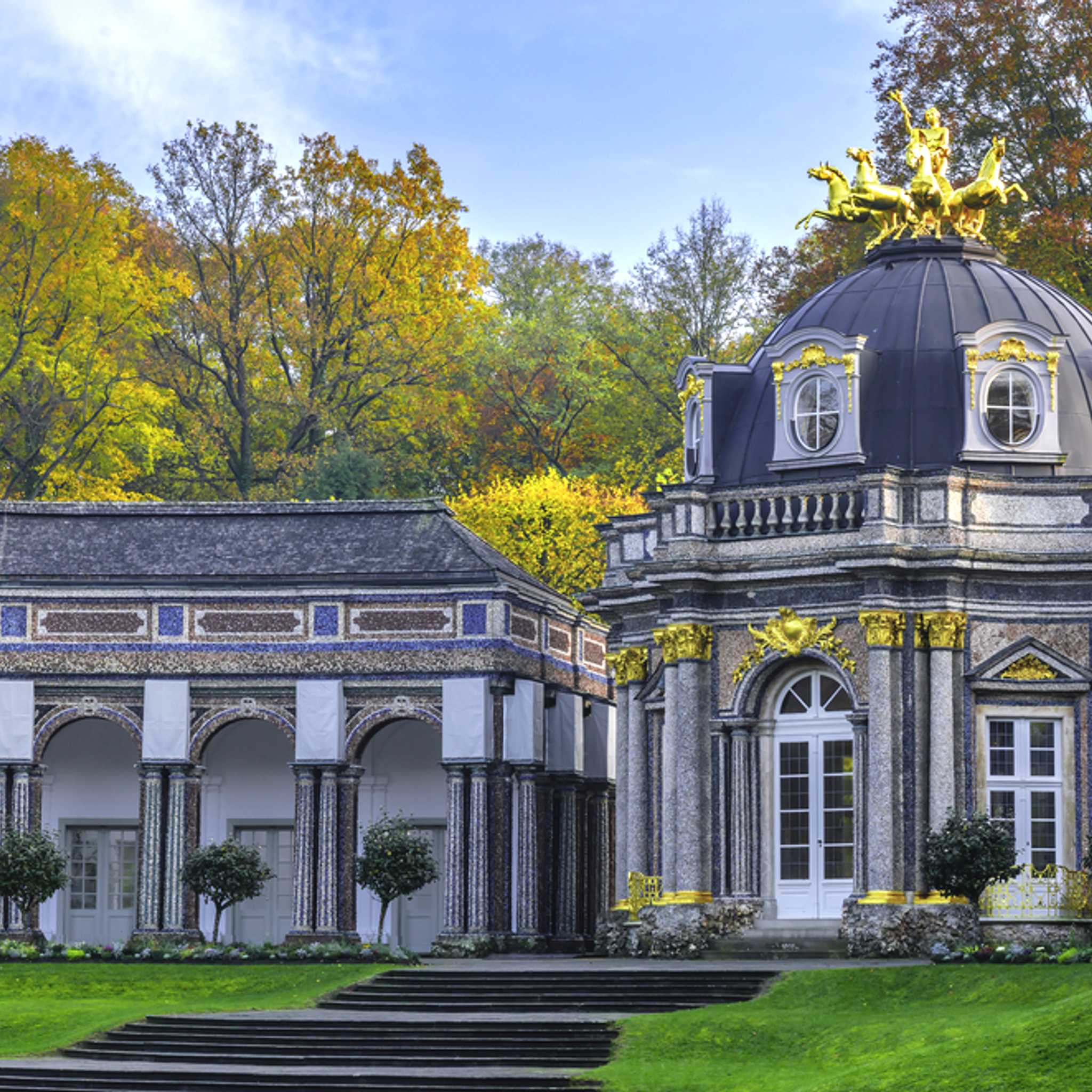
The crown jewel is the UNESCO-listed Margravial Opera House, a stunning baroque theater. Visit the Wagner Museum at Villa Wahnfried, the elegant New Palace and the historic Festival Theatre on the Green Hill. Stroll the Hermitage, a beautiful park with fountains and palaces just outside town, and explore the compact old town along the pedestrian-friendly Maximilianstrasse.
Germany uses the euro (EUR). In Bayreuth, cards are accepted in most hotels, larger shops and restaurants, though Germany still has a strong cash culture, so smaller cafes, bakeries, market stalls and some local spots may prefer cash. ATMs are easy to find around the city center. It is wise to carry some euros for small day-to-day purchases.
The official language is German. In Bayreuth, many people working in hotels, restaurants and shops speak some English, especially around the cultural sites and during the festival season, though it is appreciated if you learn a few German phrases.
Bayreuth sits in Franconia, known for hearty Bavarian fare. Try bratwurst and roast pork with dumplings and sauerkraut, and sample Weisswurst, a white sausage, with sweet mustard and pretzels. The region takes its beer seriously, so pair your meal with a local Franconian brew. Save room for German cakes and pastries at a cozy cafe in the old town.
Late spring through early autumn, roughly May to September, is the most pleasant time to visit Bayreuth, with warm weather ideal for exploring the palaces, gardens and old town. The famous Wagner festival fills the city each summer, so book well ahead if visiting then. Spring and fall bring fewer crowds, while winter is cold but quiet and atmospheric.