Bran and the wider Transylvania region are generally safe for visitors. The area around the castle is well set up for tourism with clear signage and plenty of visitor services. Standard travel precautions apply, such as keeping an eye on belongings in crowded areas. Roads in the region can be narrow and winding, which is worth noting for those driving independently.
The castle involves many narrow staircases, uneven stone floors, and tight corridors, making it largely inaccessible for those with significant mobility challenges. The lower courtyard and surrounding grounds are somewhat more manageable. The open-air museum at the base of the hill is generally more accessible and worth visiting even if the interior route is not feasible.
The castle has 57 rooms spread across four floors, connected by narrow staircases and secret passages. Exhibits cover Queen Marie of Romania's art collection and personal furniture, Romanian royal history, Transylvanian folklore and legends, and a section on Vlad the Impaler and the Dracula myth. There is also an open-air village museum at the base of the hill with traditional Romanian peasant structures.
Romania uses the Romanian leu (RON). While some larger hotels and shops may accept euros, it is best to pay in local currency. ATMs are available in nearby Brasov. Romanian is the official language. English is understood by younger generations and those working in hospitality, particularly around popular destinations like Bran.
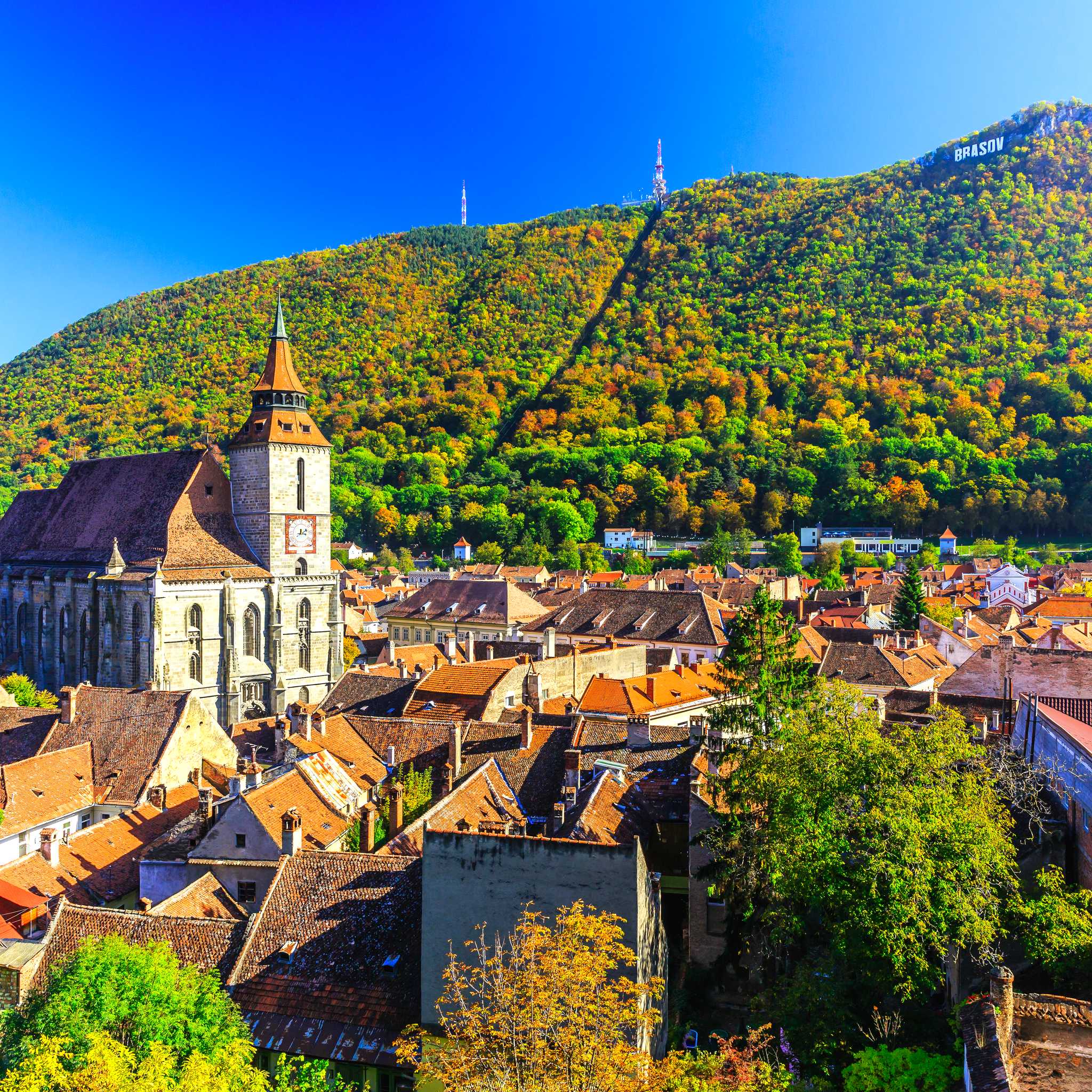
The nearby Rasnov Fortress, a 13th-century hilltop citadel, is an impressive sight just a short drive away. Brasov, the closest major city, has a beautifully preserved medieval old town, the Gothic Black Church, and lively restaurants and cafes. For wildlife enthusiasts, the Libearty Bear Sanctuary near Zarnesti is about 8 miles from Bran and is the largest brown bear sanctuary in Europe.
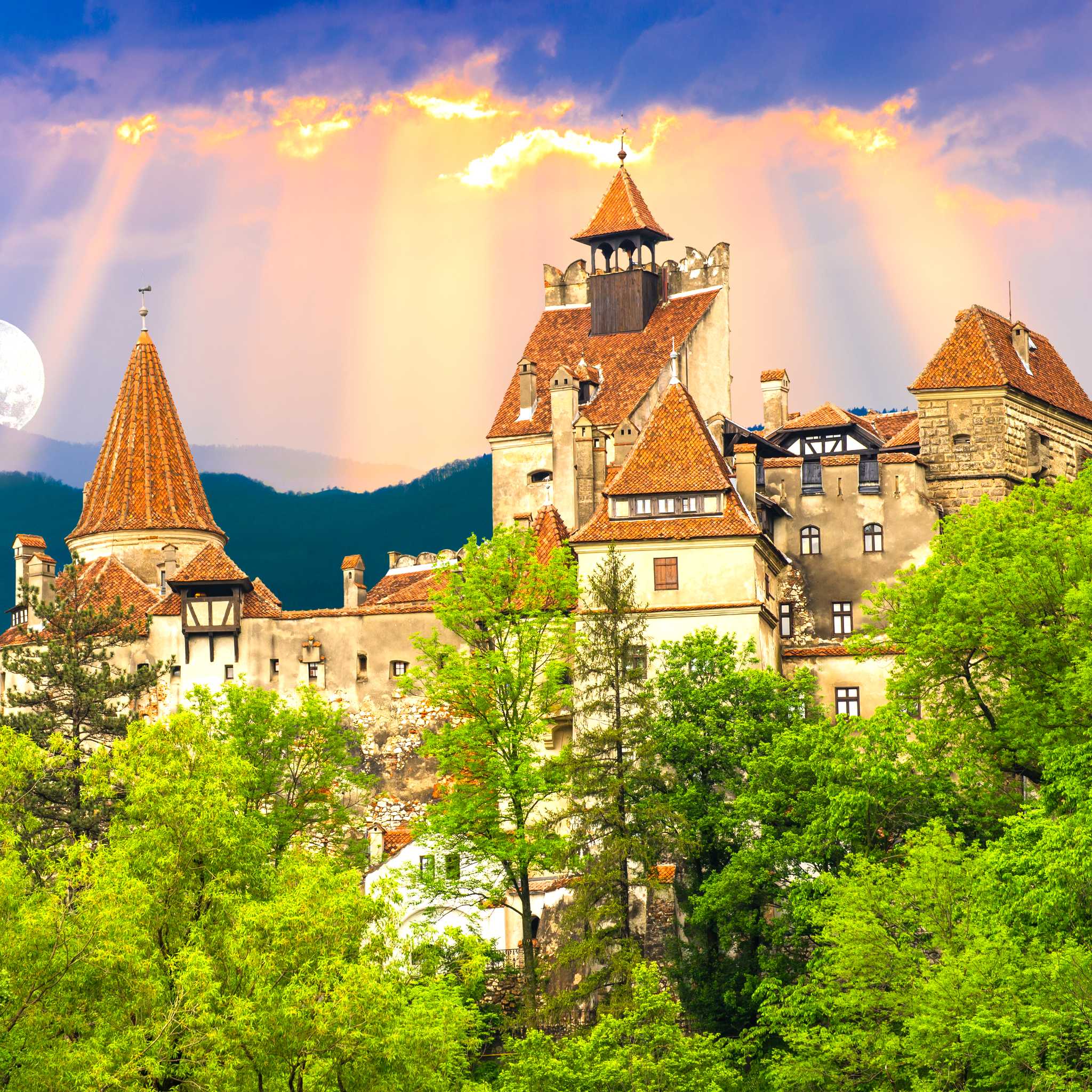
Bran Castle is a medieval fortress built between 1377 and 1388 on a rocky cliff at the border between Transylvania and Wallachia. While it is marketed as Dracula's Castle, historians agree that Vlad the Impaler, the historical figure who inspired Bram Stoker's Dracula, almost certainly never lived there. The association is largely a product of modern tourism, though the castle's dramatic Gothic appearance fits the legend perfectly.
Near Bran, look out for sarmale (cabbage rolls stuffed with meat and rice), mamaliga (a cornmeal porridge similar to polenta), mici (grilled minced meat rolls), and ciorba de burta (a sour tripe soup beloved by locals). Many restaurants near the castle serve hearty Transylvanian dishes. Local cheese and smoked meats sold at roadside stalls near the castle are also worth sampling.
Spring and early autumn offer the most pleasant weather and fewer crowds than the busy summer months. The castle is open year-round, with summer being the most popular and most crowded season. Halloween is a special time to visit, as the castle hosts themed night tours and events. Those seeking a quieter experience should plan for weekday mornings during the shoulder season.