The city center of Brest is modern and relatively flat, as much of it was rebuilt after World War II, which makes it more accessible than many older French cities. The main streets and newer districts are generally stroller-friendly and have good pavement. Oceanopolis is accessible for wheelchairs and strollers. The natural coastal areas and island excursions may involve uneven terrain, so it's worth checking specific sites in advance.
Tipping is not required in France, since a 15% service charge is included by law in all restaurant prices. French diners rarely leave significant tips, though rounding up the bill or leaving a euro or two for excellent service is a friendly gesture. In upscale restaurants, leaving around 5% is considered generous. Tips should be left in cash rather than added to a card payment.
Brest is an excellent base for exploring the wild beauty of Finistere. The Crozon Peninsula, with its dramatic cliffs and beaches, is just 40 km (25 miles) away. The medieval village of Locronan, listed as one of France's most beautiful villages, is about 55 minutes by car. Ferries run from Brest to the wild island of Ouessant, a stunning Atlantic retreat. Quimper, with its cathedral and Breton culture, is also an easy and rewarding day trip about an hour's drive south.
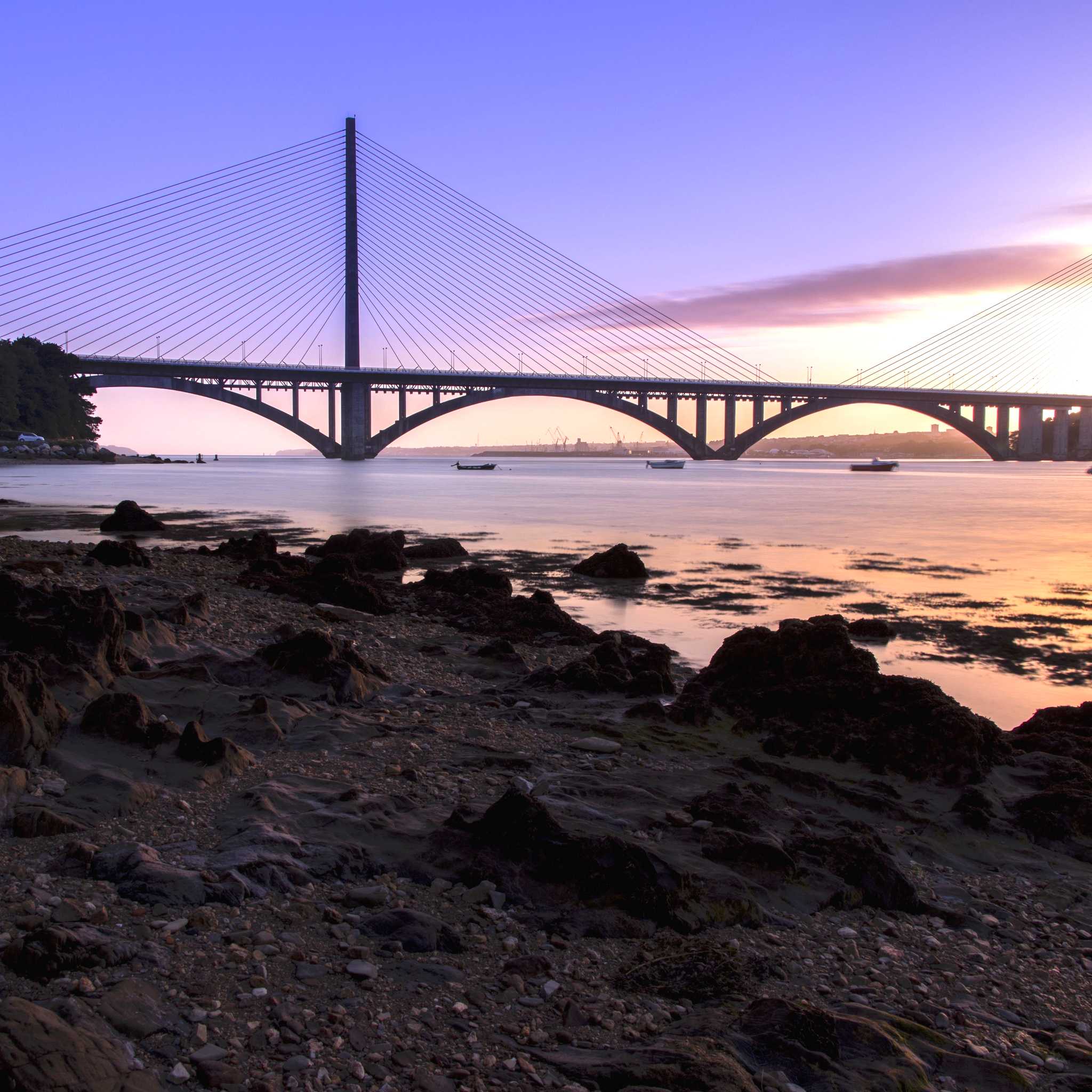
Brest's top attraction is Oceanopolis, one of Europe's largest aquariums, with more than 10,000 marine animals across 77 tanks. The Brest Castle and National Maritime Museum are also essential visits. Stroll the waterfront along the Penfeld River, visit the National Botanical Conservatory with its collection of endangered plant species, and cross the Pont de Recouvrance bridge for great views of the harbor. The nearby Petit Minou lighthouse is a scenic coastal stop.
France uses the euro (EUR). Cards are widely accepted in Brest's shops, restaurants, and major attractions. It's a good idea to carry some cash for smaller cafes, street market stalls, and ferry tickets to nearby islands. ATMs are easy to find throughout the city center.
The best time to visit Brest is from May to September, when the weather is milder and the city hosts a full calendar of festivals and outdoor events. July and August are warmest, though rain is possible year-round given Brest's Atlantic location. The city's legendary maritime festival, Fetes Maritimes de Brest (held every four years), draws enormous crowds and is well worth timing a visit around. Spring and early fall offer a good balance of pleasant weather and fewer visitors.
French is the official language of France, and the Breton language also has a presence in this part of the country. In Brest, English is spoken in hotels, larger restaurants, and at main attractions like Oceanopolis. Outside of these settings, French is predominant. Starting any interaction with a friendly "bonjour" and attempting a few words in French is always welcomed and will typically result in a warmer response.
Brittany is one of France's great culinary regions. In Brest, don't miss galettes (savory buckwheat crepes traditionally filled with egg, ham, and cheese) and sweet crepes for dessert. Fresh seafood is everywhere: try Breton oysters, moules mariniere (mussels in white wine), lobster, and the local kouign-amann, a rich, caramelized butter cake that originated in Brittany and is one of the region's most beloved treats.