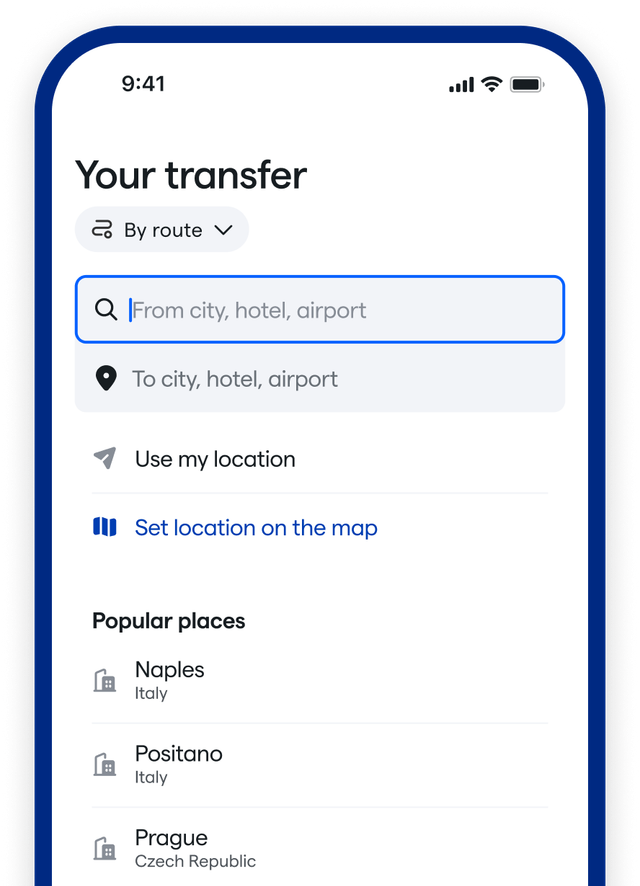
Yes, and the geography makes this straightforward. The Lot valley surrounding Cahors contains several compelling stops — the hilltop village of Saint-Cirq-Lapopie, often listed among the most beautiful villages in France, is around 30 km (19 miles) east of Cahors. Rocamadour, the dramatic cliff-side pilgrimage town, is roughly 60 km (37 miles) to the north. With a Daytrip private transfer, you can request sightseeing stops along the route and your driver will work them into the journey, so you see more without renting a car or organizing separate logistics.
Cahors sits in the Lot valley in southwest France, roughly 110 km (68 miles) north of Toulouse and around 220 km (137 miles) southeast of Bordeaux. A private transfer is the most direct option — your driver takes you door to door without navigating connections or timetables, and the drive through the Lot valley is scenic in its own right. Many travelers also use a Cahors day trip as a stopover on a longer route between Toulouse and the Dordogne region, turning transit time into sightseeing.
A full day is ideal. The Pont Valentré and cathedral each deserve an hour, and wandering the medieval quarter between them fills the middle of the day naturally. If you add the garden and time for a glass of Cahors wine at a local café, you will want the whole day. Half a day is workable if you prioritize, but you will leave feeling like you rushed.
Absolutely. Cahors packs an unusual amount of history and character into a compact old town that is easy to explore on foot. You get a UNESCO-listed medieval bridge with a genuine legend behind it, a Romanesque cathedral that predates most of France's famous Gothic churches, a thriving wine culture older than Bordeaux, and cobbled streets that feel genuinely lived-in rather than tourist-polished. Most visitors find a full day gives them enough time to see the highlights without rushing.
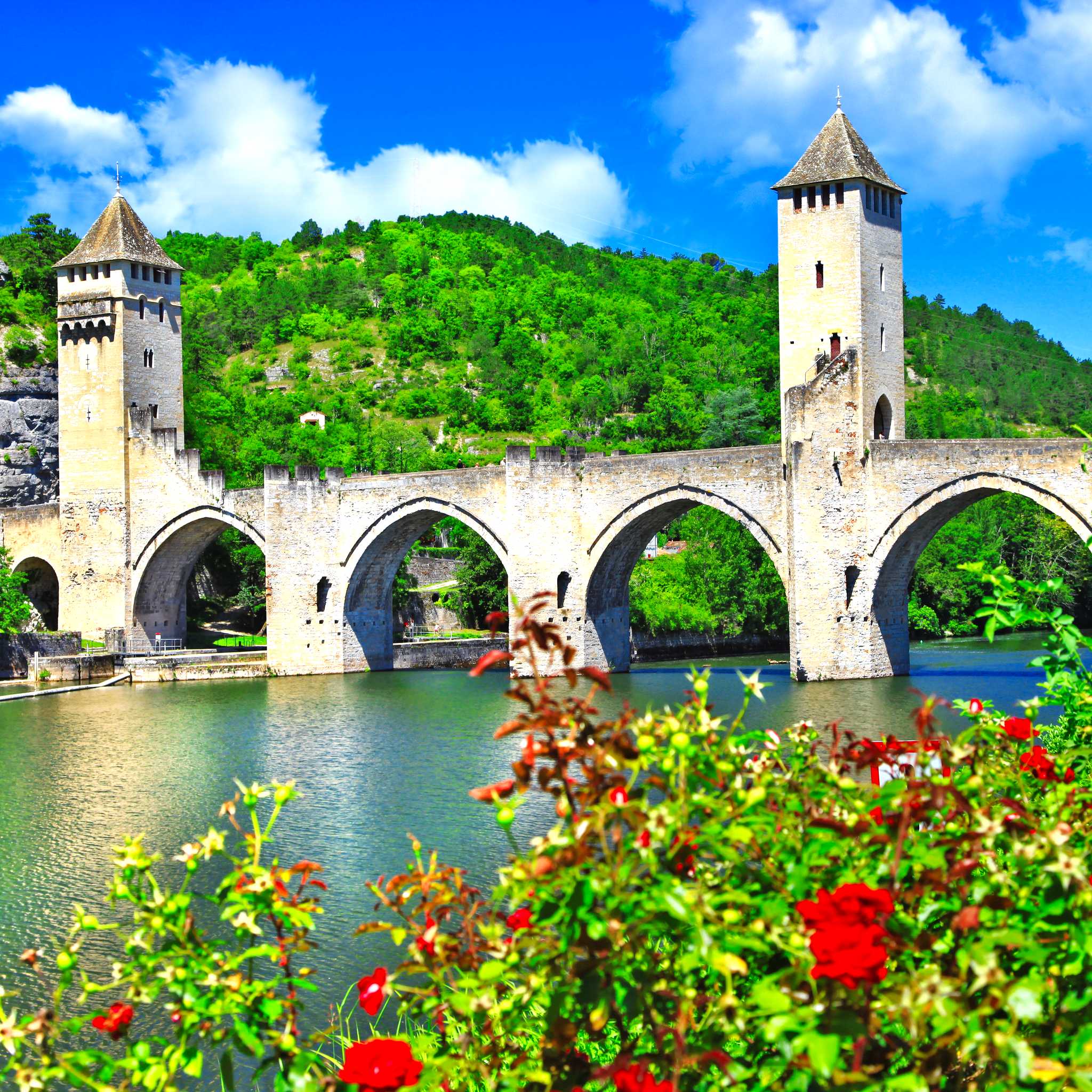
The Pont Valentré is the obvious starting point — a 14th-century fortified bridge with three towers and a story involving a deal with the devil that locals have kept alive for centuries. From there, the Saint-Étienne Cathedral in the old town is one of the earliest domed Romanesque churches in France, with carved cloisters worth slowing down for. The Olivier-de-Magny garden, bordered by Renaissance mansions, is a quieter stop that most day-trippers overlook but rewards those who find it.
Cahors wine has been produced here since before Bordeaux established its wine industry — a fact locals are quietly proud of. The appellation is built around the Malbec grape (called Côt locally), producing deep, tannic red wines quite different from what you find in better-known French regions. Trying a glass in Cahors itself, in the region where the grape has been grown for centuries, is a distinctly different experience from ordering the same wine elsewhere. It is a practical reason on its own to make the trip.