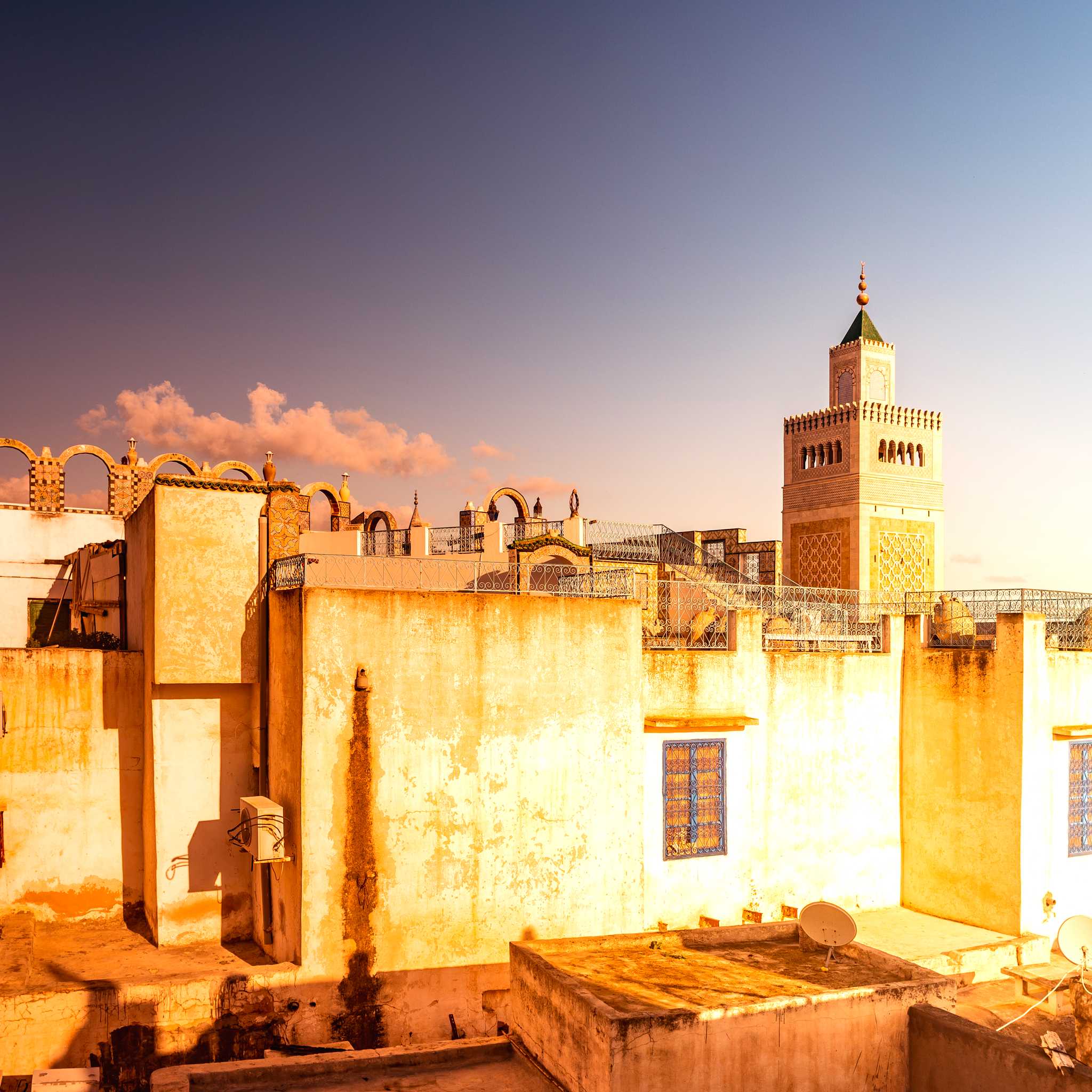
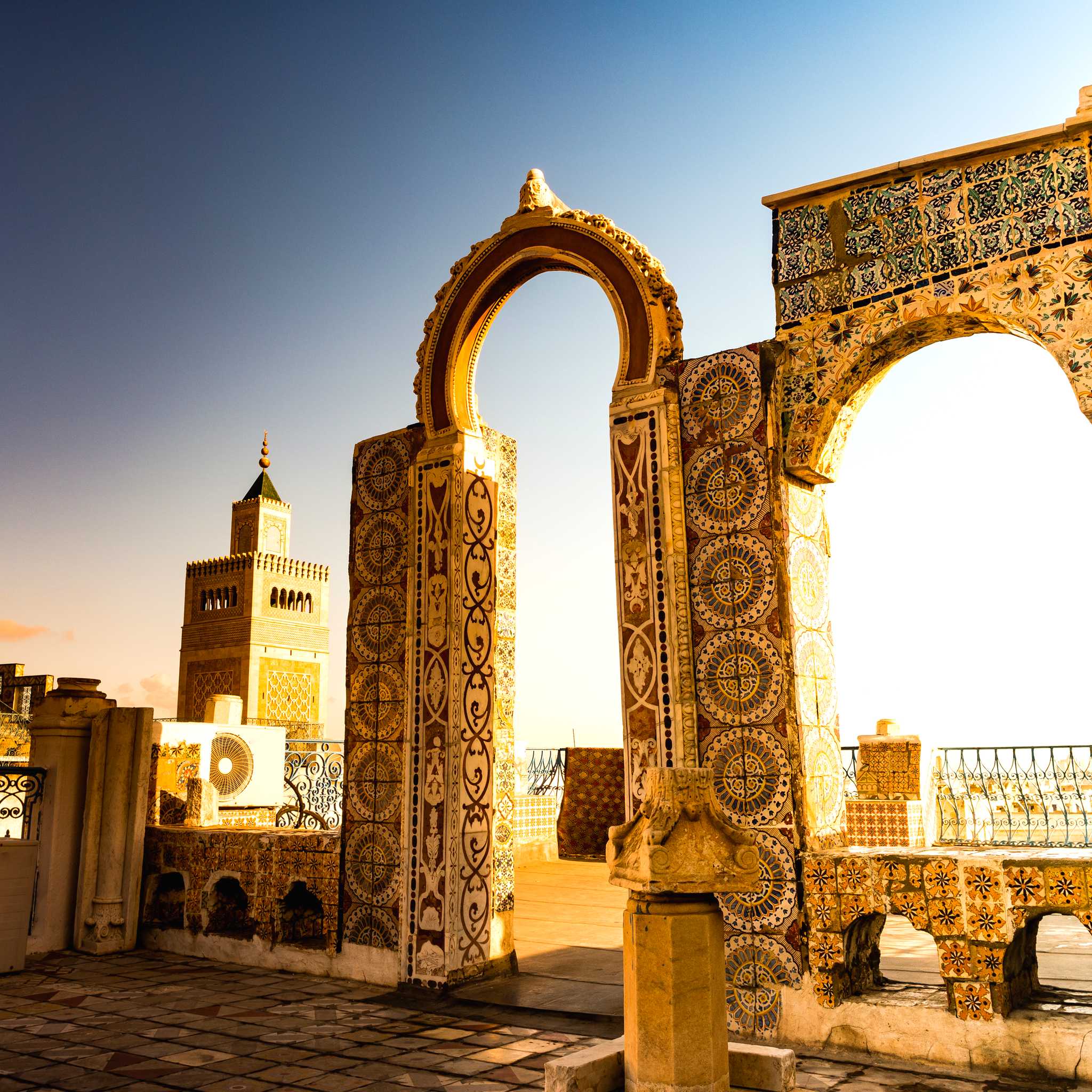
Yes, and it pairs naturally with Sidi Bou Said, the iconic blue-and-white clifftop village that sits just 2 km (1.2 miles) further along the coast from Carthage. Many travelers visit both in a single day. With a Daytrip private transfer, you can build that combination into your itinerary from the start — your driver knows the area and can take you between sites without you needing to arrange separate transport or backtrack to Tunis in between.
Carthage sits approximately 15 km (9 miles) northeast of central Tunis. The drive typically takes around 20 to 30 minutes depending on traffic, making it one of the most accessible ancient sites anywhere in the world. With a private transfer, your driver drops you directly at the entrance and is ready when you are done — no schedules, no transfers, no guesswork.
Plan for a full day if you want to do it justice. The archaeological zone is not a single compact site — it is a collection of distinct ruins spread across several areas, each worth its own time. The Tophet, the Antonine Baths, the theatre, the Punic ports, Byrsa Hill, and the museum are all separate stops. Three to four hours is the minimum for a meaningful visit; a relaxed full day lets you move at your own pace and soak in the atmosphere.
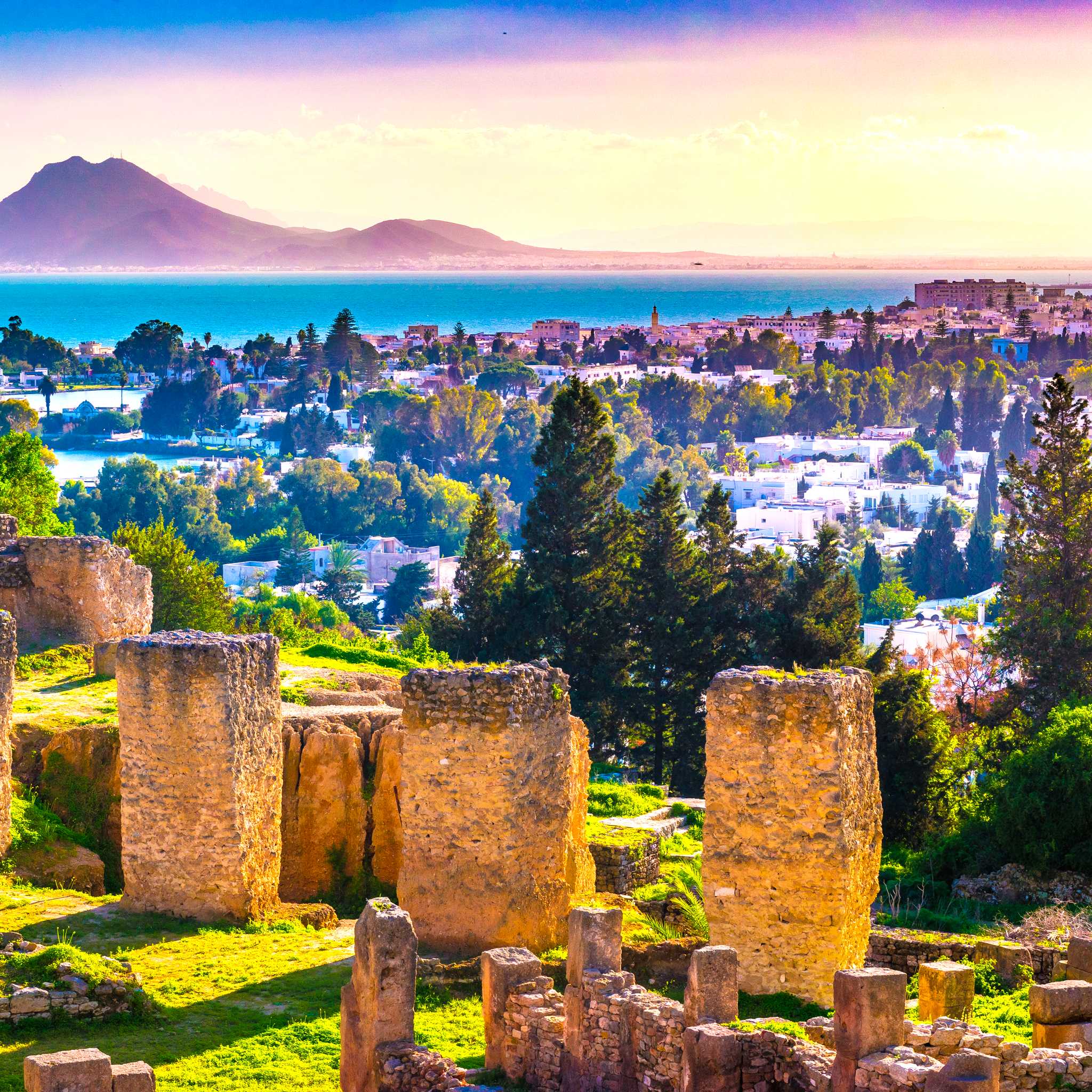
Absolutely. Carthage is one of the most historically loaded sites in the Mediterranean world, and a day is the right amount of time to take it all in without feeling rushed. The ruins are spread across a pleasant coastal hillside just outside Tunis, so you spend your time exploring rather than traveling. From the haunting Tophet sanctuary to the sweeping Roman baths and hilltop theatre, there is enough here to fill a full day and leave a lasting impression.
The Tophet is unlike anything else in the ancient world — a Phoenician religious sanctuary where archaeological evidence suggests children were sacrificed, with burial urns still on site. The Antonine Baths rank among the largest Roman bath complexes ever built. The Byrsa Hill theatre offers panoramic views over the Gulf of Tunis. Finish at the National Archaeological Museum on Byrsa Hill to give context to everything you have seen and view the finest artefacts recovered from the site.
Most ancient ruins belong to one civilization. Carthage belongs to at least three. You are walking through the remains of a Phoenician trading empire that once rivaled Rome, then a Roman city that became the most important in North Africa, then a site deliberately erased by Arab conquest in 692. That layering means the site tells a story spanning over 1,500 years in a single place. The fragment believed to be the burial niche of Dido — the legendary founder of Carthage — adds a mythological dimension that few ruins anywhere can match.