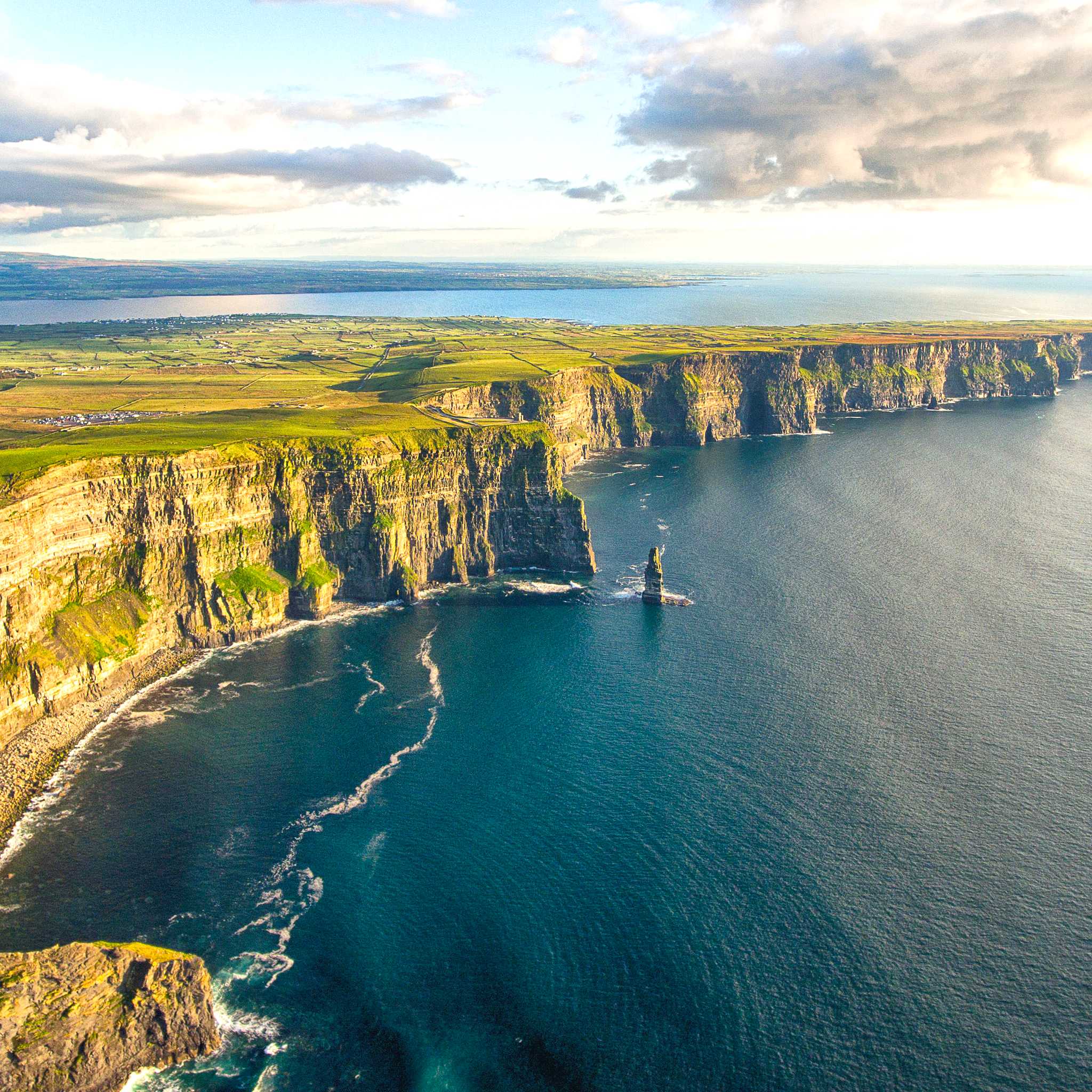
The main viewing areas near the visitor center are wheelchair accessible, with paved paths, ramps, and a golf cart available to reach specific viewpoints. Accessible parking is also provided. However, the more remote sections of the clifftop trail involve uneven terrain that may be difficult to navigate with a wheelchair or stroller.
Yes, an entry fee is charged at the official visitor center, which includes access to the cliffs, viewing platforms, interactive exhibitions, cafes, and parking. Booking online in advance is recommended, especially during peak summer months, as the site can get very busy. Children under 16 enter free of charge.
Yes, walking along the designated clifftop paths is generally safe. Stick to the marked trails at all times and heed safety signage, as the cliff edges are unfenced in many areas. The terrain can be uneven and slippery when wet, so sturdy footwear is strongly recommended. Winds can be surprisingly strong, so hold on to hats and keep children close.
The surrounding area has plenty to offer. The village of Doolin is a short drive away and is famous for traditional Irish music sessions in its pubs. The Burren, a unique limestone landscape, is nearby and great for walking. The Aran Islands are visible from the cliffs on clear days and are accessible by ferry from Doolin.
Ireland uses the euro (EUR). Credit and debit cards are widely accepted across the country, but it's always a good idea to carry some cash for smaller shops, cafes, and parking. ATMs are readily available in nearby towns like Ennistymon and Lahinch if you need to withdraw cash before heading to the cliffs.
Spring (April to June) and early fall (September to October) offer the best conditions for a visit. The weather is mild, the crowds are smaller than in summer, and the wildflowers along the clifftops are in bloom in spring. Summer is the busiest season but remains popular. The cliffs are open year-round, though winter visits can be cold and windy.
English is the primary language spoken throughout Ireland. Irish (Gaelic) is the country's other official language and you'll see it on road signs alongside English. In the areas around the Cliffs of Moher, nearly everyone speaks English, so communication is easy for international visitors.
Dress in layers and always bring a waterproof jacket, even in summer. The cliffs are almost always windy and Ireland's weather can change quickly. Wear sturdy, closed-toe shoes suitable for walking on uneven ground. Binoculars are a great addition for spotting puffins and other seabirds nesting on the rock stacks between April and July.