Tipping around 10% to 15% is customary in Uruguayan restaurants when a service charge is not already included. It's polite to check your bill first. For taxis and other services, rounding up the fare is a common and appreciated gesture.
Yes, the historic center is very compact and walkable. Most major attractions are within a short stroll of each other. The streets are cobblestone, which can be uneven and challenging for strollers or wheelchairs, so comfortable, sturdy footwear is recommended.
Colonia del Sacramento is considered one of the safer destinations in Uruguay. As with any travel, it's smart to stay aware of your surroundings, secure your belongings, and avoid poorly lit areas at night. The historic quarter is generally very relaxed and welcoming.
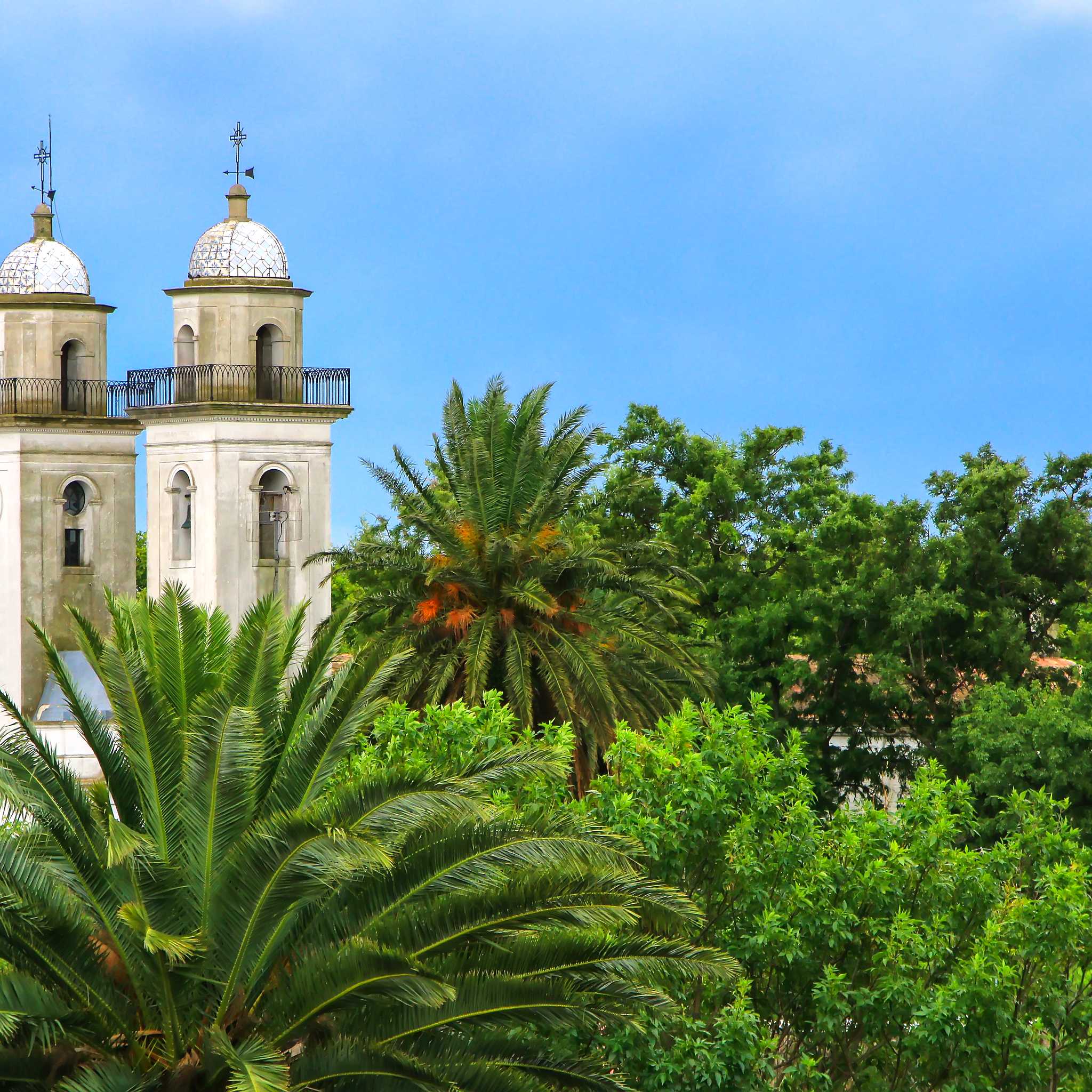
The Barrio Historico (Historic Quarter) is the heart of the city. Highlights include the Street of Sighs, the 19th-century lighthouse with panoramic views, the Basilica of the Holy Sacrament, and the riverside Rambla. One museum ticket covers entry to several of the town's key museums.
Uruguay's official currency is the Uruguayan peso (UYU). U.S. dollars are widely accepted in many shops, restaurants, and hotels, especially in tourist-frequented areas. It's still a good idea to carry some local currency for smaller purchases, markets, and street food vendors.
Spanish is the official language of Uruguay. In popular visitor destinations like Colonia del Sacramento, you'll find that some restaurant and hotel staff speak basic English, but learning a few Spanish phrases goes a long way and is always appreciated by locals.
Uruguay is famous for its grilled meats (asado), and you'll find excellent parrilla restaurants throughout town. Don't miss trying mate (a traditional herbal drink), Tannat wine (Uruguay's signature grape), and local cheeses, which are regional specialties worth seeking out.
Spring (September to November) and autumn (March to May) offer the most pleasant conditions, with comfortable temperatures and fewer crowds. Summer (December to February) is busier, as many Argentinian visitors flock to the area, which can drive up accommodation prices.