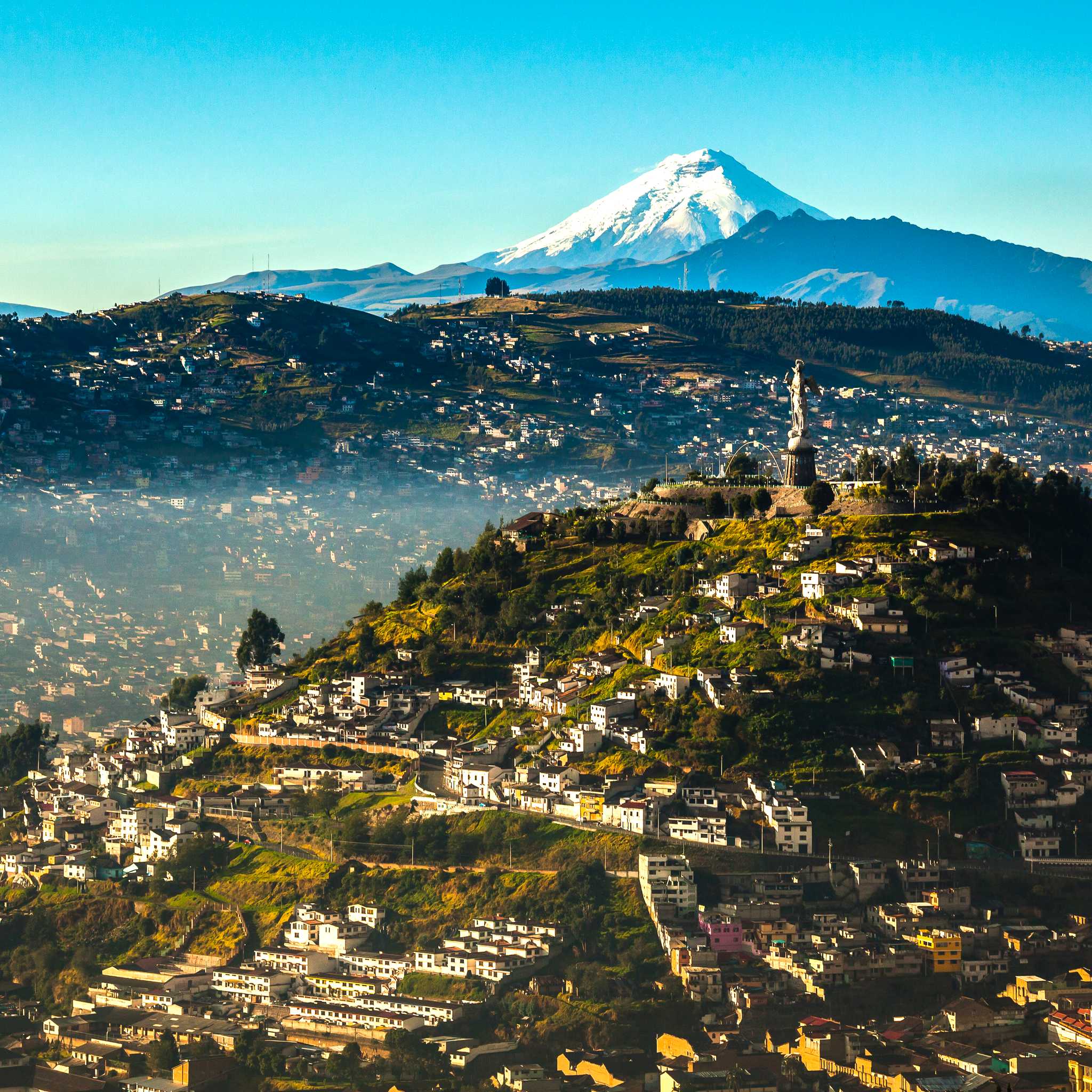
Cotopaxi National Park is approximately 60 km (37 miles) south of Quito, making it one of the most accessible major natural attractions in Ecuador. The drive takes roughly 1.5 to 2 hours depending on traffic and road conditions. Having a private driver means you travel directly from your accommodation — no waiting for group shuttles or navigating unfamiliar mountain roads on your own.
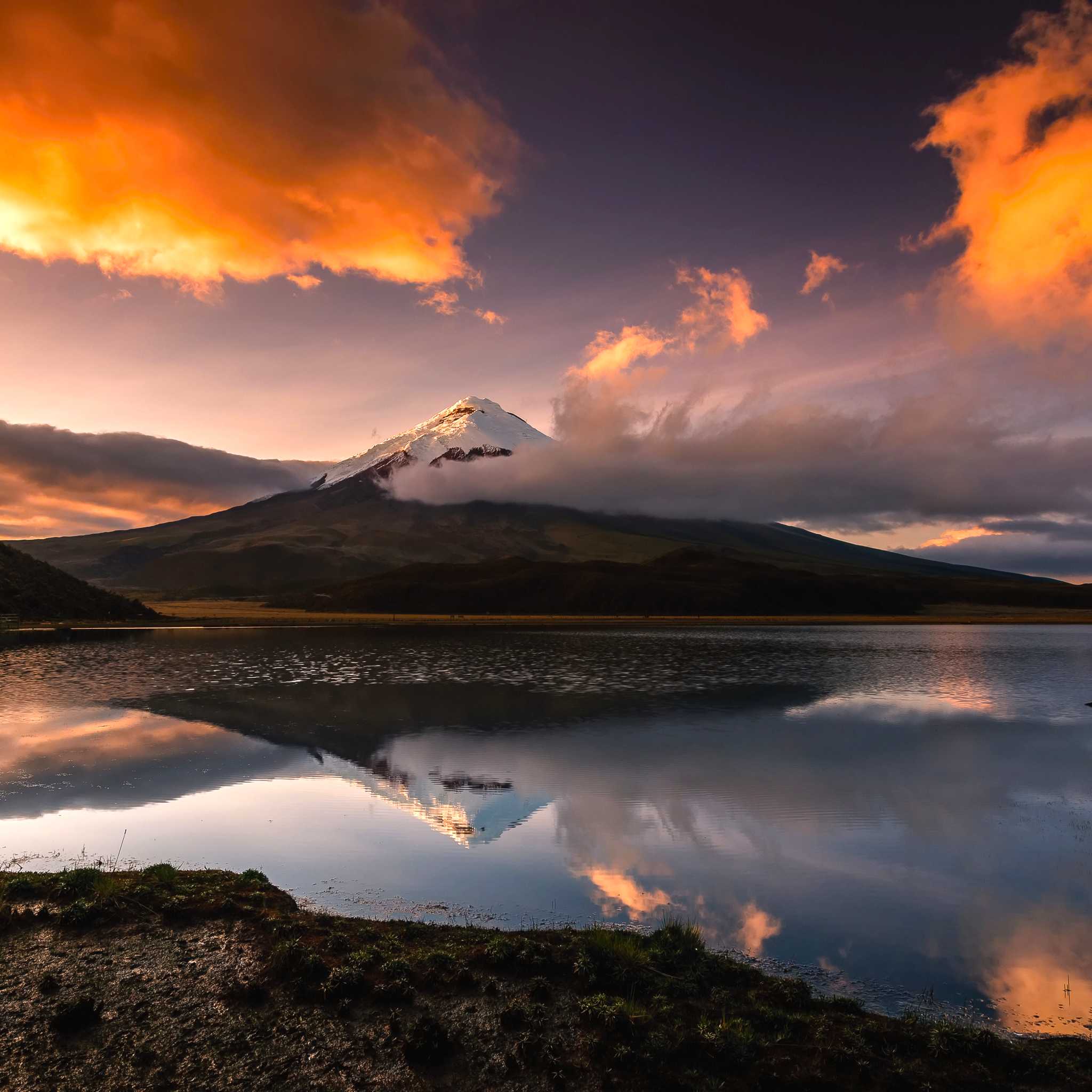
A full day is the sweet spot. Most visitors spend around 4 to 6 hours inside the park itself. The walk around Laguna de Limpiopungo, a flat 3 km (1.9 miles) loop with no significant elevation gain, takes about 90 minutes and delivers the iconic volcano reflection shot. Add time for the museum, the drive up toward the José Ribas Refuge at 4,864 m, and a proper lunch stop, and a full day fills naturally without feeling rushed.
Yes. The most popular route — the loop around Laguna de Limpiopungo — is flat, paved in places, and takes under two hours at a relaxed pace. It is genuinely one of the most accessible high-altitude landscapes in South America. For those who want to go even easier on the legs, horseback riding tours are available inside the park and require no prior riding experience. The drive up toward the refuge is itself a dramatic experience, with glaciated slopes filling the windshield as you ascend. You do not need to be an alpinist to leave this place feeling like you experienced something extraordinary.
At 5,897 m, Cotopaxi is one of the highest active volcanoes on Earth — and one of the few places in Ecuador where you can touch actual snow. But the park offers more than a single dramatic view. The Limpiopungo lagoon creates a mirror reflection of the peak on calm days. Wild horses roam the high-altitude grasslands. You can explore on horseback, join a mountain bike descent from the upper slopes, or ride an e-bike if you want to cover more ground with less effort. It is a genuinely varied landscape that changes with every hour you spend in it.
The weather changes fast at this altitude and the wind at the lagoon and refuge can be biting even on a sunny morning. Bring warm, waterproof layers regardless of what the Quito forecast says. Sturdy, closed-toe shoes are essential — the terrain is uneven and the ground can be wet. Sunscreen is equally important; UV exposure is intense at high altitude even when it feels cold. Pack a small bag with snacks and water since facilities inside the park are limited.
The park entrance sits at around 3,400 m (11,155 ft), and the upper refuge area reaches nearly 4,900 m (16,076 ft). Altitude affects people differently, but headaches, fatigue, and shortness of breath are common at these elevations, especially for visitors who have just arrived in Ecuador. Spending a day or two in Quito first — which itself sits at 2,850 m (9,350 ft) — helps significantly. Stay well hydrated, avoid alcohol the night before, and take the ascent slowly. The Limpiopungo lake loop is flat and manageable for most people even without full acclimatization.