Daegu has a distinctly local, less commercialized atmosphere than Seoul or Busan, making it a great choice for visitors who want to experience everyday Korean life. It is more compact, generally more affordable, and far less crowded at major attractions. Its position on the KTX high-speed rail line also makes it easy to combine with Seoul or Busan in one trip.
Yes. Daegu has a reliable metro system with four lines, an extensive bus network, and a hop-on, hop-off tourist bus that hits major attractions. Taxis are affordable and widely available. The city center is walkable, though some mountain parks and outer attractions are better reached by transit or private vehicle.
Tipping is not customary in South Korea and is generally unnecessary. In many cases, offering a tip can cause confusion or mild embarrassment, as good service is considered a standard expectation rather than something that warrants extra payment. A sincere thank-you is always appreciated.
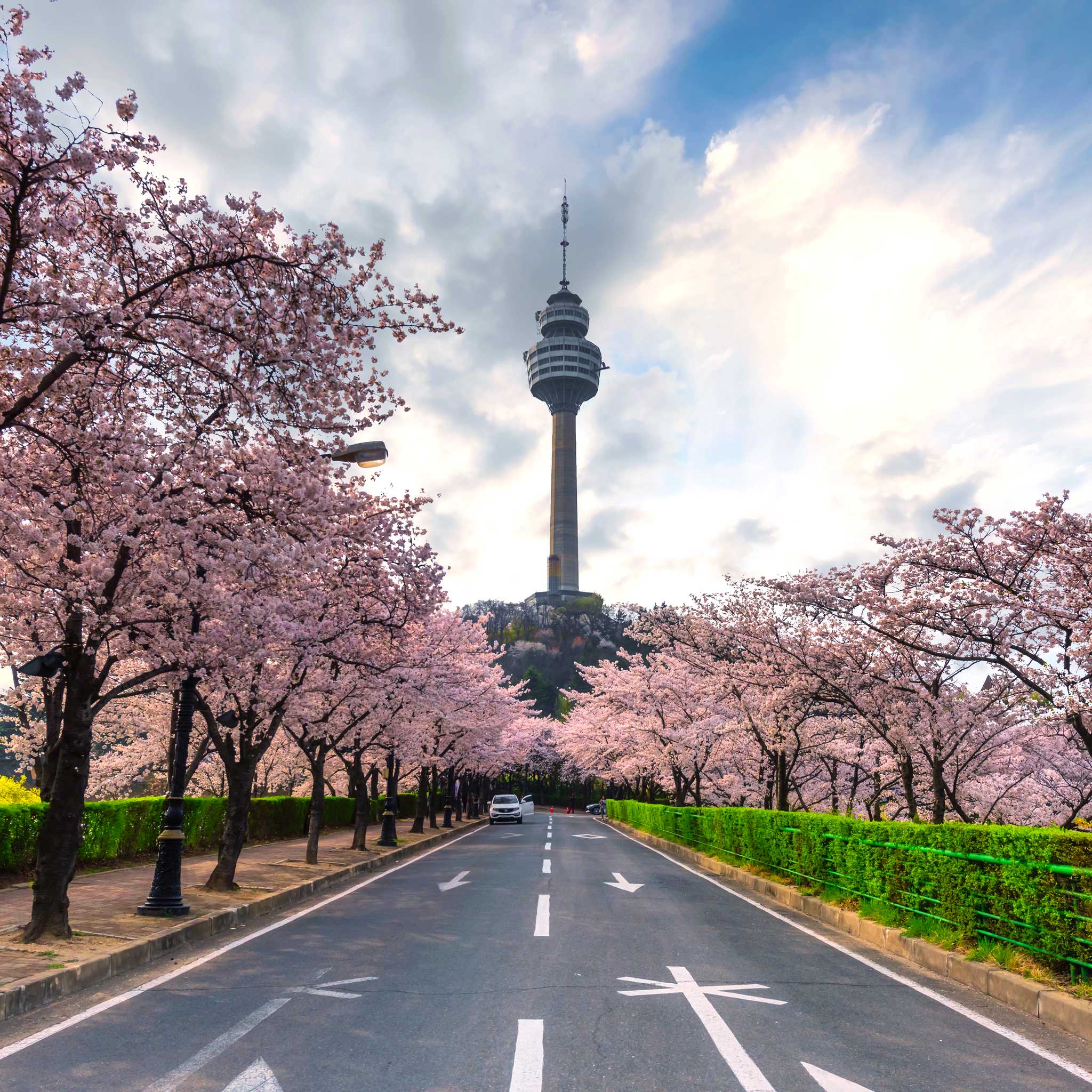
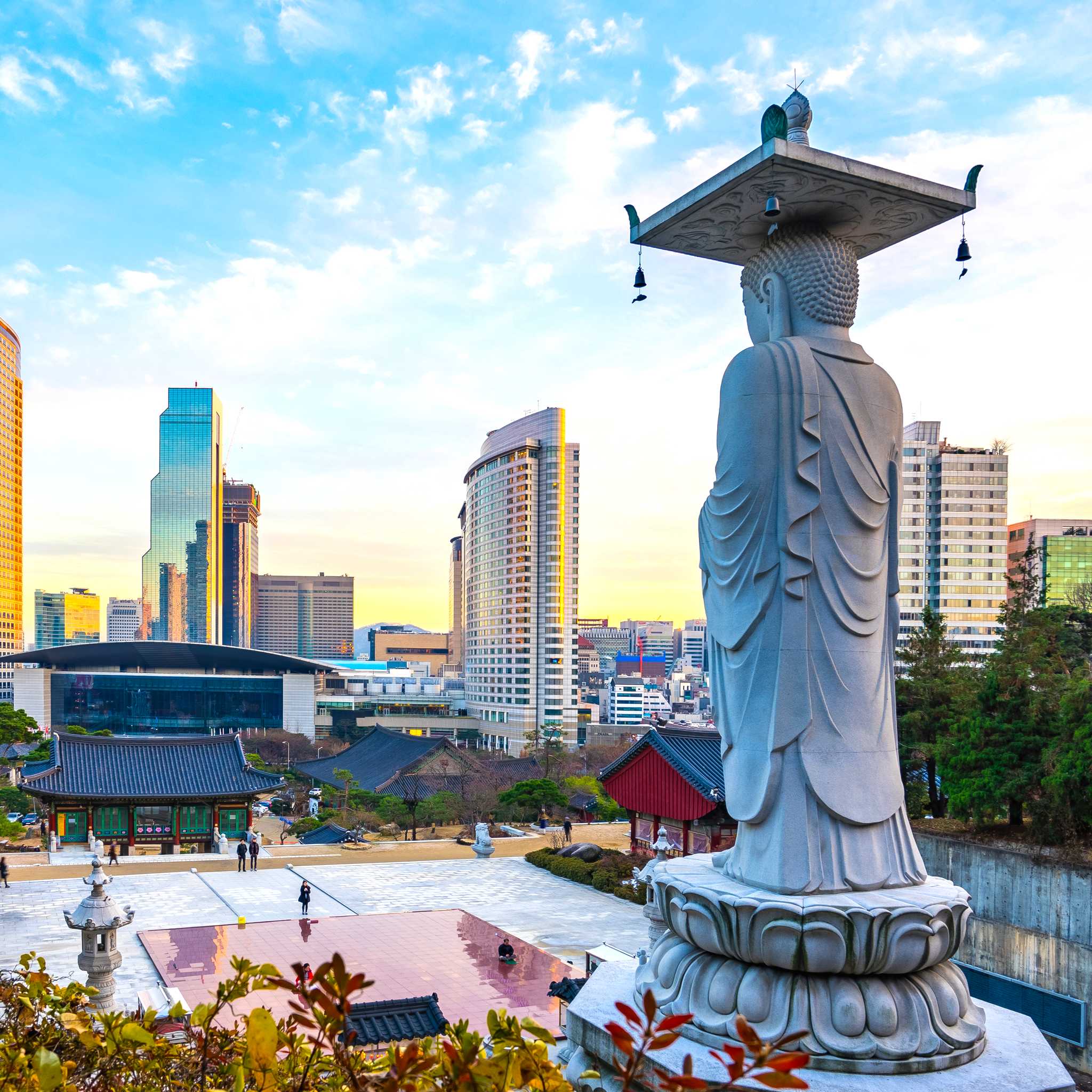
Highlights include the Kim Kwangseok Street mural alley, the historic Seomun Market, Apsan Mountain Park, and the scenic Suseongmot Lake. The 83 Tower offers panoramic views over the city, and the Daegu Modern History Streets give visitors a fascinating look at the city's late 19th- and early 20th-century architecture.
The official currency is the South Korean Won (KRW). US dollars and other foreign currencies are not accepted for everyday purchases, so plan to exchange money or use local ATMs on arrival. Currency exchange desks are available at airports, banks, and authorized exchange offices throughout the city.
Korean is the official language. English signage is common in major cities, and many younger Koreans, especially in hospitality and retail, speak conversational English. Learning a few basic Korean phrases goes a long way with locals.
Daegu is famous for its bold, spicy flavors. Must-try dishes include makchang (grilled intestines, a local specialty), ttarogukbap (beef and rice soup), and flat dumplings known as napjak mandu. The city's food alleys and traditional markets are great places to eat like a local without spending much.
Spring (late March to May) is especially beautiful, when cherry blossom trees line the streets and parks across the city. Fall (September to November) also brings gorgeous foliage and comfortable temperatures. Summers are hot and humid, while winters are cold and dry. The Chimac ("Chicken and Beer") Festival in July draws large crowds if you enjoy lively cultural events.