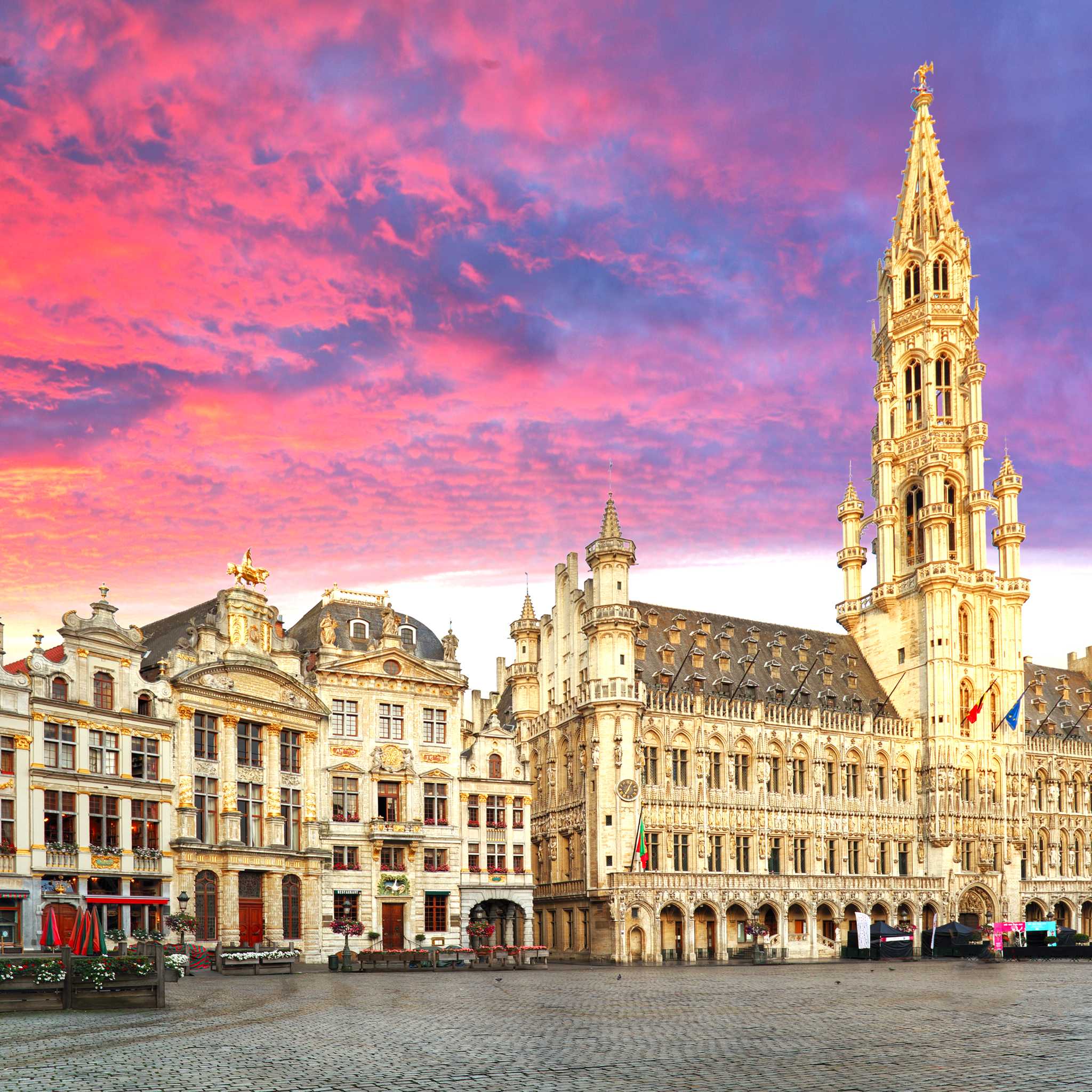
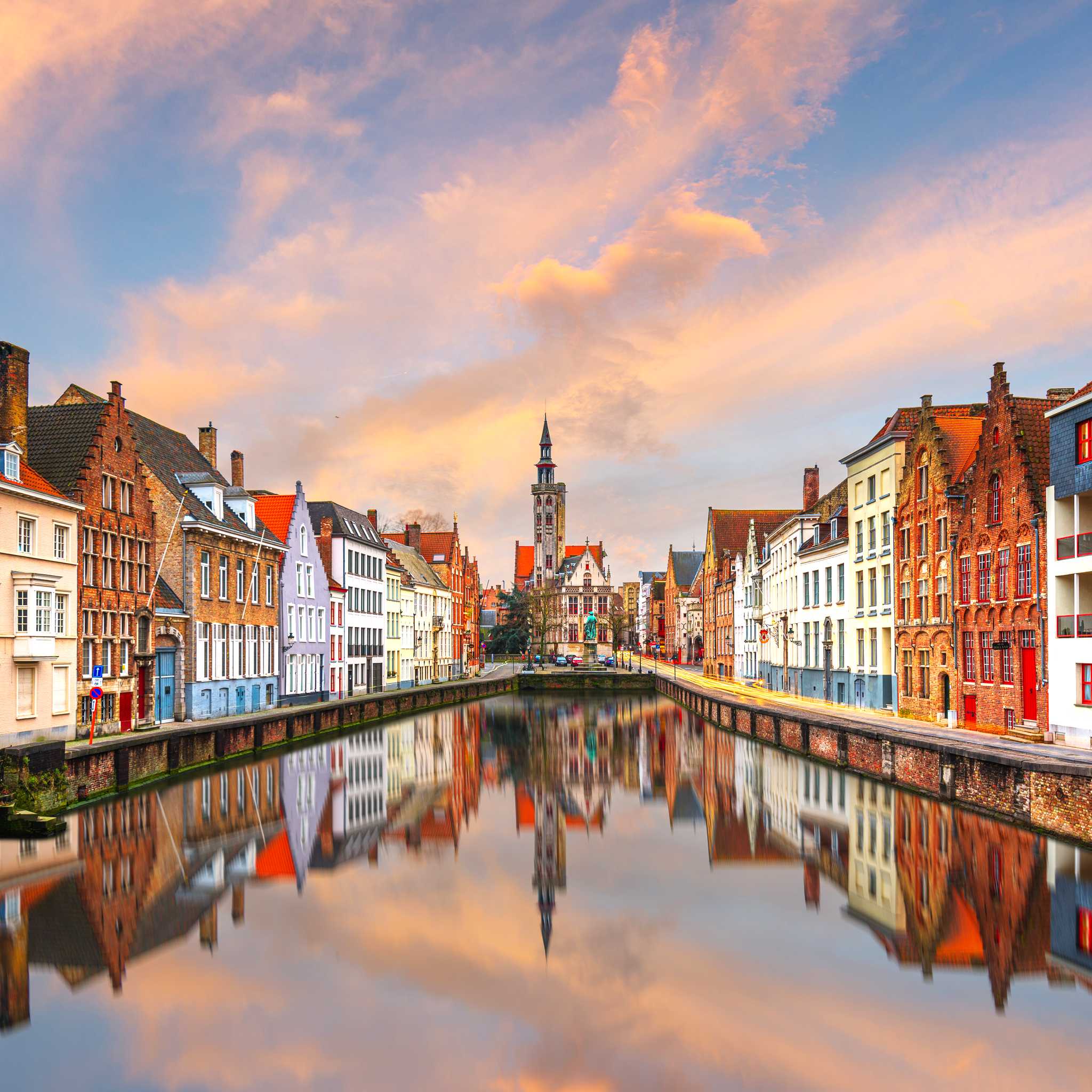
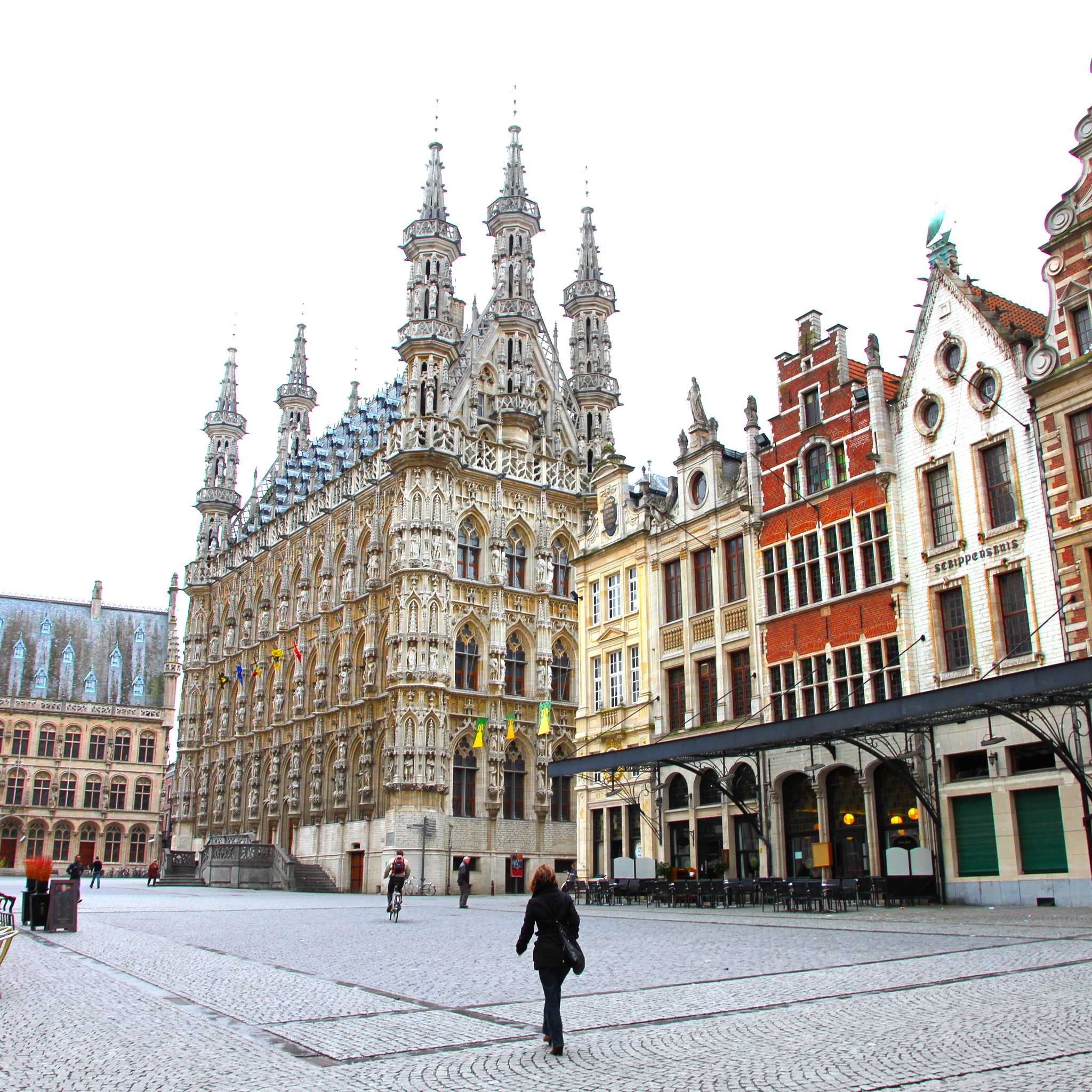
Yes, and this is where Daytrip's model works particularly well for the region. The route between Brussels and Dinant passes through the Wallonian countryside and several smaller towns worth slowing down for. When booking, you can add optional stops — a village, a viewpoint, a local landmark — and your driver will plan the route accordingly. This turns a straightforward transfer into a curated day out without requiring you to hire a separate tour guide or rent a car.
Trains to Dinant require at least one connection and leave you dependent on Belgian rail schedules for the return journey. A Daytrip private transfer picks you up directly from your accommodation and drops you at the citadel entrance, the Adolphe Sax House, or wherever you want to begin — no luggage storage, no timetables, no platform changes. The journey time is comparable, but the experience is entirely different: your driver waits while you explore, so you leave when you are ready rather than when the next train departs.
A focused visit covering the citadel and the Adolphe Sax House takes around three to four hours. Adding a walk along the Meuse riverfront, a look inside the Collegiate Church, and time to cross the saxophone bridge comfortably brings that to a full day. Because a Daytrip transfer gives you a flexible departure window rather than a fixed return ticket, you can make that call on the ground — leave after a half-day if the weather turns, or linger into the late afternoon if the visit warrants it.
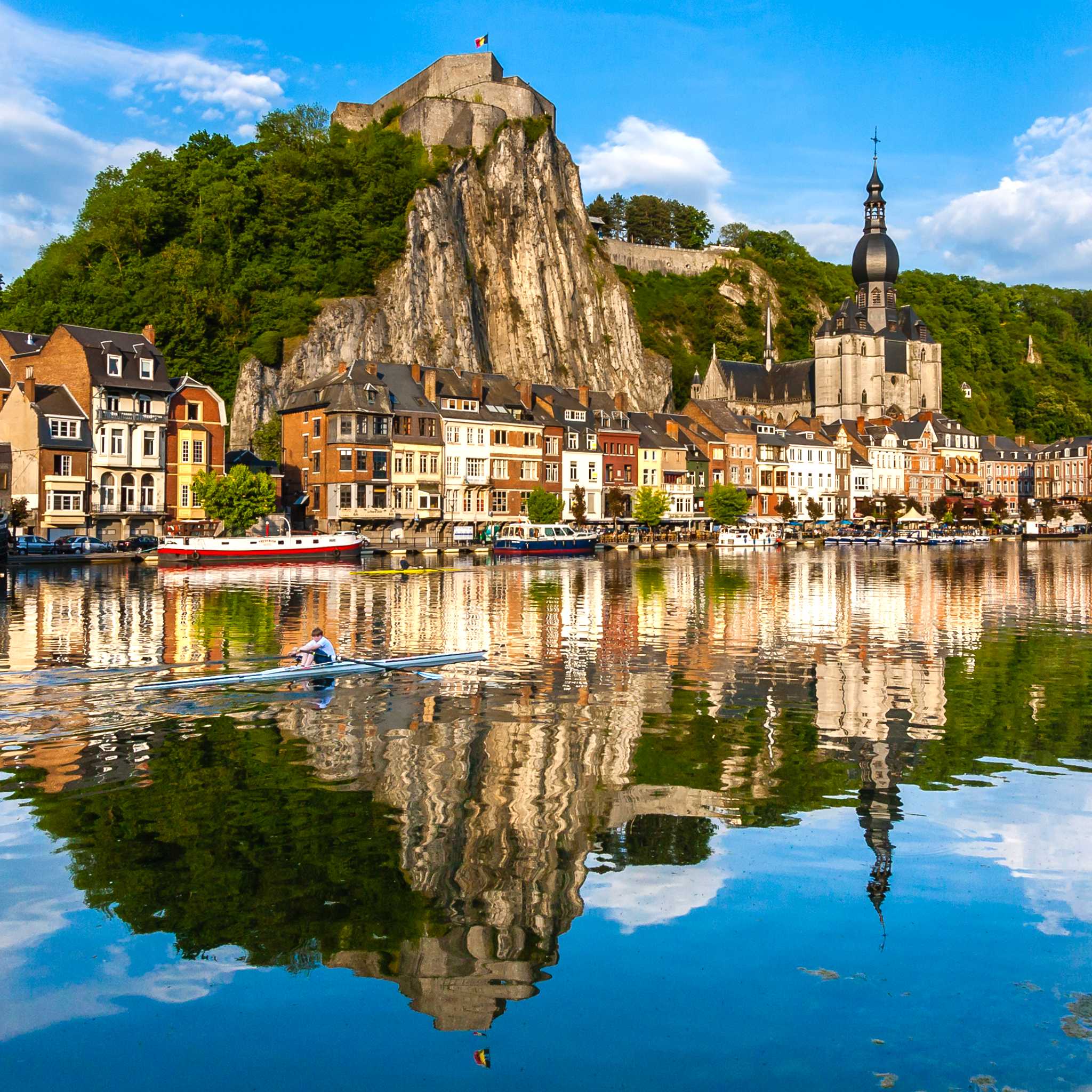
Once inside, the citadel divides into several distinct areas: a weapons museum tracing Belgian military history, reconstructed period rooms including kitchens and officers' quarters, and access to the dungeon levels carved into the cliff itself. The outdoor terrace delivers the view most visitors come for — the Meuse winding between forested hills with the church dome directly below. Most visitors allow around 90 minutes to two hours to move through the citadel at a relaxed pace, though the site rewards slower exploration if you have the time.
Dinant packs an unusual amount of history, architecture, and culture into a compact riverside setting. The medieval citadel looms over the Meuse from a dramatic cliff face, offering sweeping views once you reach the top — accessible by cable car or stairs. Below it sits the Collegiate Church of Our Lady, instantly recognizable by its distinctive onion-domed tower, a silhouette unlike almost anything else in Belgium. Add in the Adolphe Sax House museum, dedicated to Dinant's most famous son and his world-changing invention, and you have a day that moves between military history, religious architecture, and musical heritage without ever feeling rushed.
Adolphe Sax was born in Dinant in 1814 and went on to invent the saxophone — an instrument that reshaped jazz, classical, and popular music worldwide. The town has leaned into this legacy enthusiastically: the bridge across the Meuse is lined with brightly painted saxophone sculptures, making it one of the more photographed spots in the city. The museum at his birthplace covers both his biography and the evolution of the instrument he created, with exhibits that appeal to music lovers and casual visitors alike. The saxophone connection gives Dinant a cultural identity that sets it apart from other medieval Belgian towns.