Domodossola is a quiet, safe Alpine town with very low crime rates. Standard precautions, like keeping an eye on your belongings at the busy Saturday market and at the train station, are usually enough. The greater concerns are practical: mountain weather changes quickly, so check forecasts before hiking, and bring layers in any season. Roads in the surrounding valleys can be narrow and winding.
Domodossola's compact historic center is mostly walkable, with the main piazza and shopping streets on relatively flat ground. However, the cobblestones and arcaded sidewalks can be uneven, which makes pushing strollers or wheelchairs trickier. The path up to Sacro Monte Calvario is steep and not accessible. The international train station is modern and equipped with elevators and ramps.
Tipping in Italy is modest compared with North America. Many restaurants add a coperto (cover charge) to the bill, so additional tipping isn't required, though leaving a euro or two for good service is appreciated. For taxis, round up to the nearest euro. Hotel porters typically receive a euro or two per bag. Cafe baristas don't expect tips for a quick espresso at the bar.
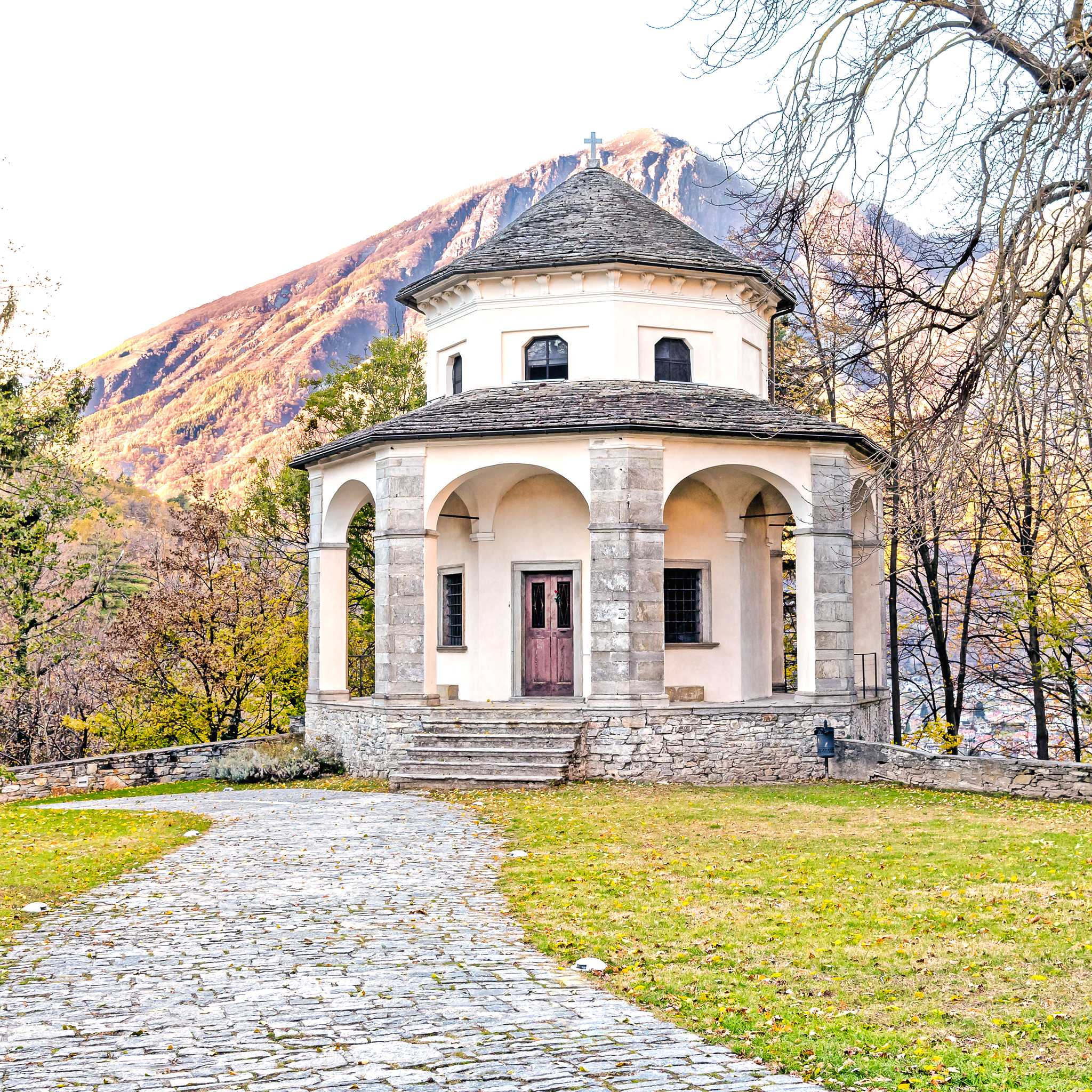
Domodossola's medieval Piazza del Mercato is the lively heart of town, home to a famous Saturday market dating back centuries. Climb the Sacro Monte Calvario, a UNESCO World Heritage Site with chapels and panoramic views, and visit Palazzo Silva for local history. The town is also the gateway to the spectacular Centovalli Railway to Locarno, Switzerland, one of Europe's most scenic train rides.
Italy uses the euro (EUR), divided into 100 cents. Credit and debit cards are widely accepted in Domodossola's shops, restaurants, and hotels, with contactless payment common. ATMs are easy to find around the town center. It's a good idea to carry some cash for small purchases at the Saturday market, mountain refuges, and rural villages in the surrounding Ossola Valley.
Italian is the official language of Italy, and what you'll hear in Domodossola. Because the town is right on the Swiss border and a major rail crossing, German and French are also commonly heard, especially around the international station. English is spoken at hotels and main restaurants but less so in smaller businesses, so a few Italian phrases come in handy and are warmly received.
The Ossola Valley has a hearty Alpine cuisine. Try gnocchi all'ossolana, polenta with local cheeses like Bettelmatt, and stinco di maiale (slow-roasted pork shank). Cured meats like violino di capra (goat ham) and mocetta are local specialties, paired beautifully with rye breads. Don't miss Prunent, the valley's distinctive red wine, and stop at Officina del Cioccolato for handcrafted chocolate.