Dorgali is about 38 km (24 miles) east of Nuoro, a drive of roughly 40 minutes. From Cagliari it is approximately 192 km (119 miles), with journey times typically in the range of 3 to 3.5 hours by road. From Olbia in the north it is roughly 85 km (53 miles), taking around 1.5 hours. The roads through this part of Sardinia are scenic but winding, so a comfortable private transfer makes the journey part of the experience rather than a chore.
A full day is ideal. The archaeological site at Serra Orrios takes about an hour, and the Dorgali Archaeological Museum pairs well with a Serra Orrios visit — check locally for any combined entry options. If you head to Cala Gonone — the coastal village just 10 km (6 miles) away — you can add a boat excursion to the Bue Marino Cave, which runs about an hour on the water. Gorropu Canyon requires a half-day commitment on its own, so pick your focus in advance. Arriving by mid-morning gives you enough time to combine at least two major highlights without rushing.
Public transport connections to Dorgali are limited and typically require a bus via Nuoro, with journey times from Cagliari stretching well beyond 4 hours each way and connections that typically require changes. Once in Dorgali, getting between the town, Cala Gonone, and outlying sites like Gorropu or Tiscali without a vehicle is impractical. A private transfer solves this directly: your driver brings you to the door, waits or returns on your schedule, and can route through scenic viewpoints along the SS125 — one of Sardinia's most dramatic coastal roads — at no extra hassle to you.
Gola Su Gorropu is one of the deepest gorges in Europe, with limestone walls rising up to 400 meters. The canyon floor — filled with massive boulders, wild oleander, and rare flora — is genuinely unlike anything else in Italy. The entry section of the gorge is accessible to reasonably fit visitors without technical hiking experience, typically requiring 1.5 to 2 hours of walking each way from the main access point. For a deeper exploration the canyon can take a full day and benefits from a local guide. Sturdy footwear is essential.
Tiscali is a Bronze Age settlement hidden inside the crater of a collapsed mountain cave — a location so remote it was only fully rediscovered in the 19th century. The ancient Nuragic people built an entire village inside this natural shelter, with hut foundations still visible today. Reaching it involves a trek of around 90 minutes through maquis scrubland, which makes arriving feel like a genuine discovery. It is one of the most evocative archaeological sites in all of Sardinia, and its combination of landscape and prehistory is the kind of thing that stays with you.
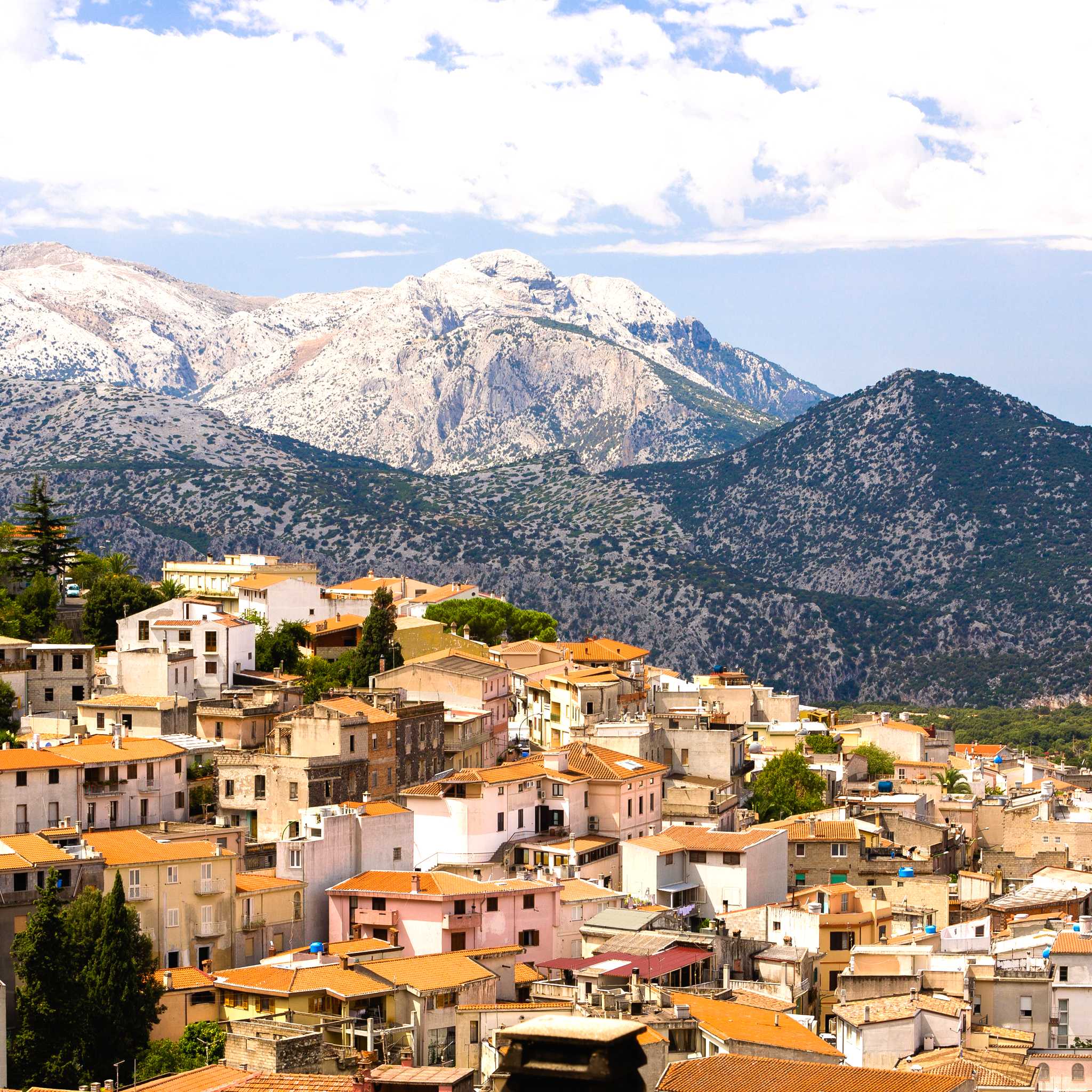
Dorgali sits at the crossroads of two of Sardinia's most dramatic landscapes: the rugged Supramonte mountain massif and the crystalline Gulf of Orosei coastline. In a single day you can walk through one of Europe's deepest canyons at Gola Su Gorropu, explore a Bronze Age village frozen in time at Serra Orrios, or take a short boat ride to the Grotta del Bue Marino — a sea cave once sheltering the last Mediterranean monk seals. Few places in Sardinia pack this much natural and historical variety into one territory.