Dover's compact town center is fairly flat and walkable, suiting strollers and wheelchairs reasonably well. However, the White Cliffs involve steep, uneven clifftop paths, and Dover Castle sits on a hill with some sloping, historic ground, which can be challenging. There is a wheelchair-friendly viewing path at the cliffs. Comfortable shoes are recommended, and a car or taxi helps reach the hilltop sights.
The United Kingdom is generally a safe destination, and Dover is a welcoming town where serious crime is uncommon. As in any town, use normal common sense, keep valuables secure and stay aware in busier areas at night. On the cliffs, stick to marked paths and keep well back from the edge, as they can be unstable. Most visitors feel very comfortable here.
Tipping is appreciated but not obligatory in the UK. In restaurants, a tip of around 10 to 12 percent is customary for good table service, though many add a service charge, so check the bill first. Tipping is not expected in pubs when ordering at the bar, or for taxis, where rounding up is common. Tip as you feel is fair.
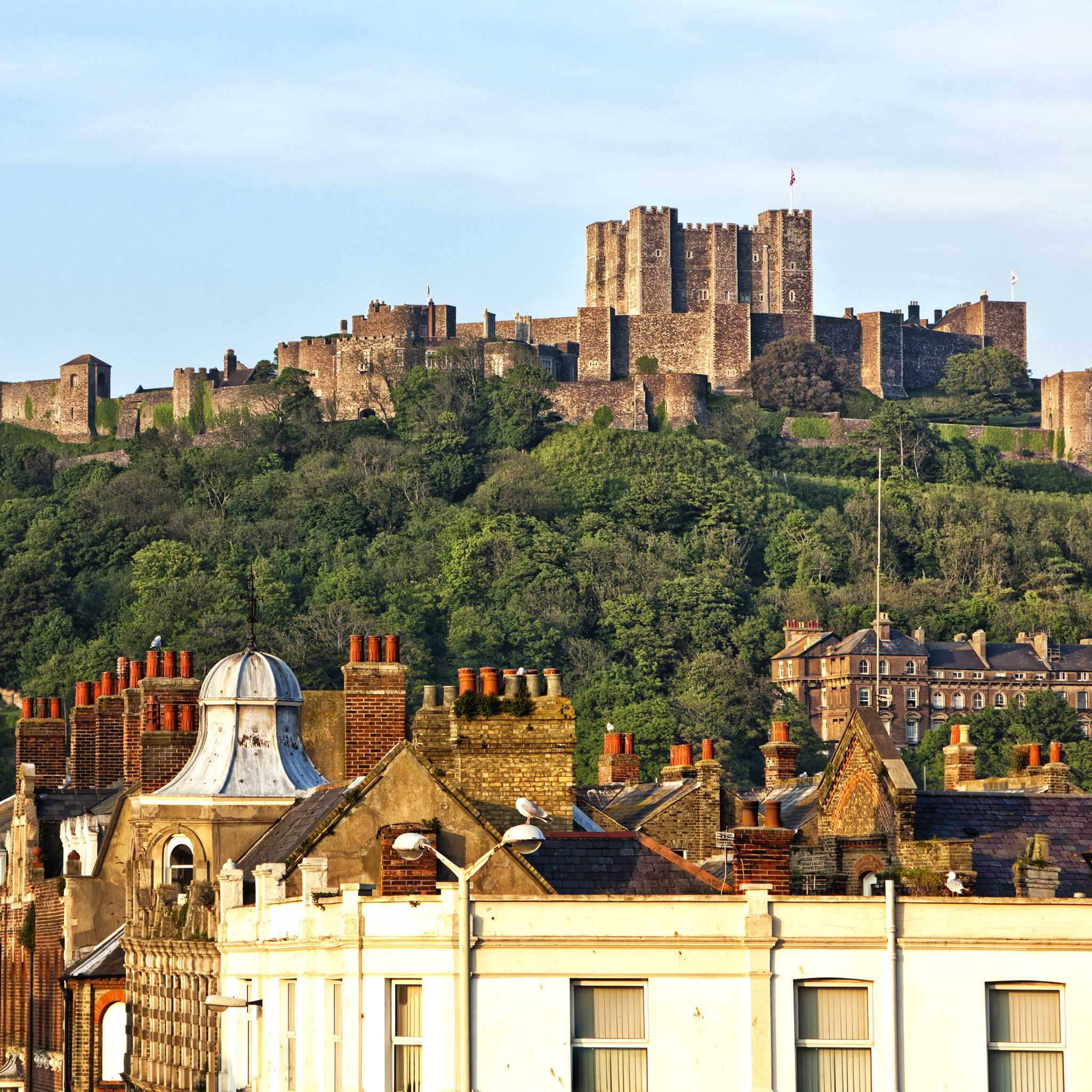
The star attractions are the famous White Cliffs of Dover, with scenic walks to South Foreland Lighthouse, and Dover Castle, England's largest castle, home to a Great Tower and secret wartime tunnels. Explore Dover Museum and its ancient Bronze Age boat, the restored Maison Dieu, and the Roman Painted House. Nearby, historic Canterbury and the Kent coast are within easy reach.
The United Kingdom uses the British pound sterling (GBP). In Dover, cards and contactless payments are accepted almost everywhere, from shops and restaurants to attractions and buses, and ATMs are easy to find. The UK is largely cashless, so you rarely need notes, though carrying a little cash can be handy for small purchases, markets or tips.
The main language is English, spoken everywhere in Dover and across the United Kingdom. As a major port and gateway town welcoming international visitors, Dover is easy to navigate for English speakers, with clear signage at attractions and transport hubs. You will also hear a range of accents and languages, reflecting the area's role as a busy cross-Channel hub.
On the Kent coast, fresh seafood is a highlight, including locally caught fish and the famous Dover sole. Enjoy classic British fare like fish and chips by the sea, a hearty pub lunch, or a traditional afternoon tea with scones. Kent is known as the Garden of England, so look for local apples, cider, ales and seasonal produce at markets and pubs.
Late spring through early autumn, roughly May to September, is the best time to visit Dover, with milder, drier weather and the least rainfall, perfect for clifftop walks and exploring the castle. July and August are warmest and busiest. The UK weather is changeable year-round, so pack layers and a waterproof jacket whatever the season, and bring sturdy shoes for the cliffs.