Dublin is an excellent base for exploring Ireland's highlights. Popular day trips include the Wicklow Mountains and Glendalough's ancient monastic ruins, medieval Kilkenny and its castle, the Boyne Valley with Newgrange passage tomb, and the rugged Cliffs of Moher on the Wild Atlantic Way. The compact Irish road network makes many iconic destinations reachable within an hour or two.
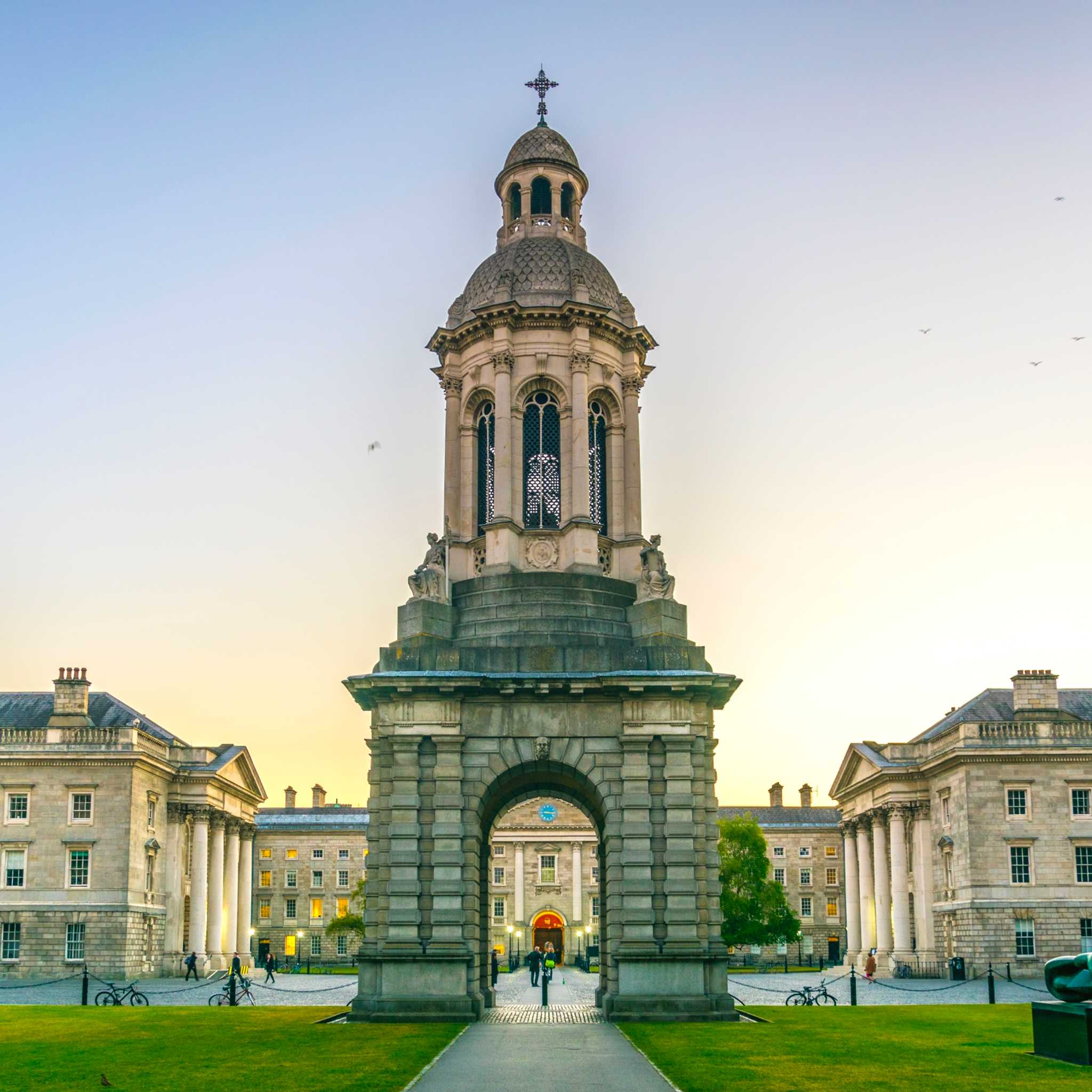
Yes, Dublin's city center is very walkable. Most of the major landmarks, including Trinity College, Dublin Castle, St. Patrick's Cathedral, and the Guinness Storehouse, are within comfortable walking distance of each other. The compact city center rewards slow exploration on foot, and flat terrain makes it accessible for most visitors.
Top sights include the Guinness Storehouse, Trinity College and the Book of Kells, Dublin Castle, Christ Church Cathedral, and Kilmainham Gaol. The lively Temple Bar district is a hub for traditional Irish music, while the National Museum of Ireland and the National Gallery offer world-class collections that are free to enter.
Ireland uses the euro (EUR). Credit and debit cards, including Visa and Mastercard, are widely accepted throughout Dublin. American Express is less commonly accepted, so it is worth having an alternative card. Cash is handy for smaller purchases, traditional market stalls, and tipping street performers on Grafton Street.
Dublin can be visited year-round, but late spring and early summer (May to June) offer the best combination of mild weather, longer daylight hours, and vibrant atmosphere. St. Patrick's Day on March 17 draws large celebrations across the city. Summer months bring more visitors and higher prices, while autumn offers a pleasant shoulder season with cultural events and fewer crowds.
Tipping is not as deeply ingrained in Ireland as in some other countries, since service industry workers receive a minimum wage. At restaurants, a tip of 10 to 15 percent is appreciated when a service charge is not already included. Taxi drivers do not expect a tip, though rounding up the fare is a common courtesy. You are not expected to tip in pubs when ordering drinks at the bar.
English is the primary language spoken in Ireland and throughout Dublin. Irish (also known as Irish Gaelic) is the other official language of the country and appears on road signs alongside English, but visitors will have no difficulty communicating in English anywhere in the city.
A full Irish breakfast is a must, featuring eggs, bacon, sausages, black and white pudding, and soda bread. Look out for Irish stew, colcannon (mashed potato with cabbage), fresh Atlantic seafood, and of course a pint of Guinness poured in a traditional Dublin pub. The city's food scene has expanded considerably and now includes excellent international dining alongside classic Irish fare.