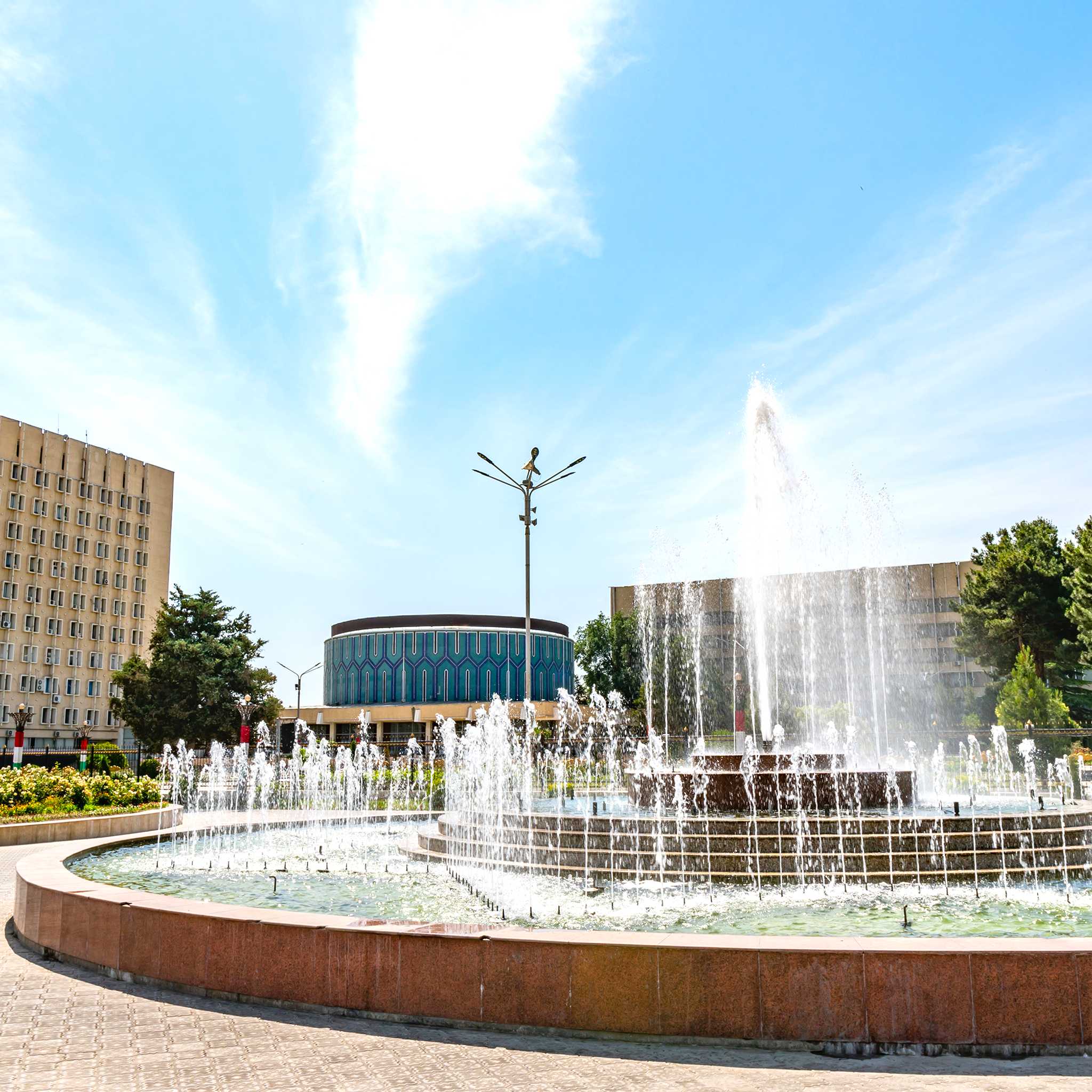
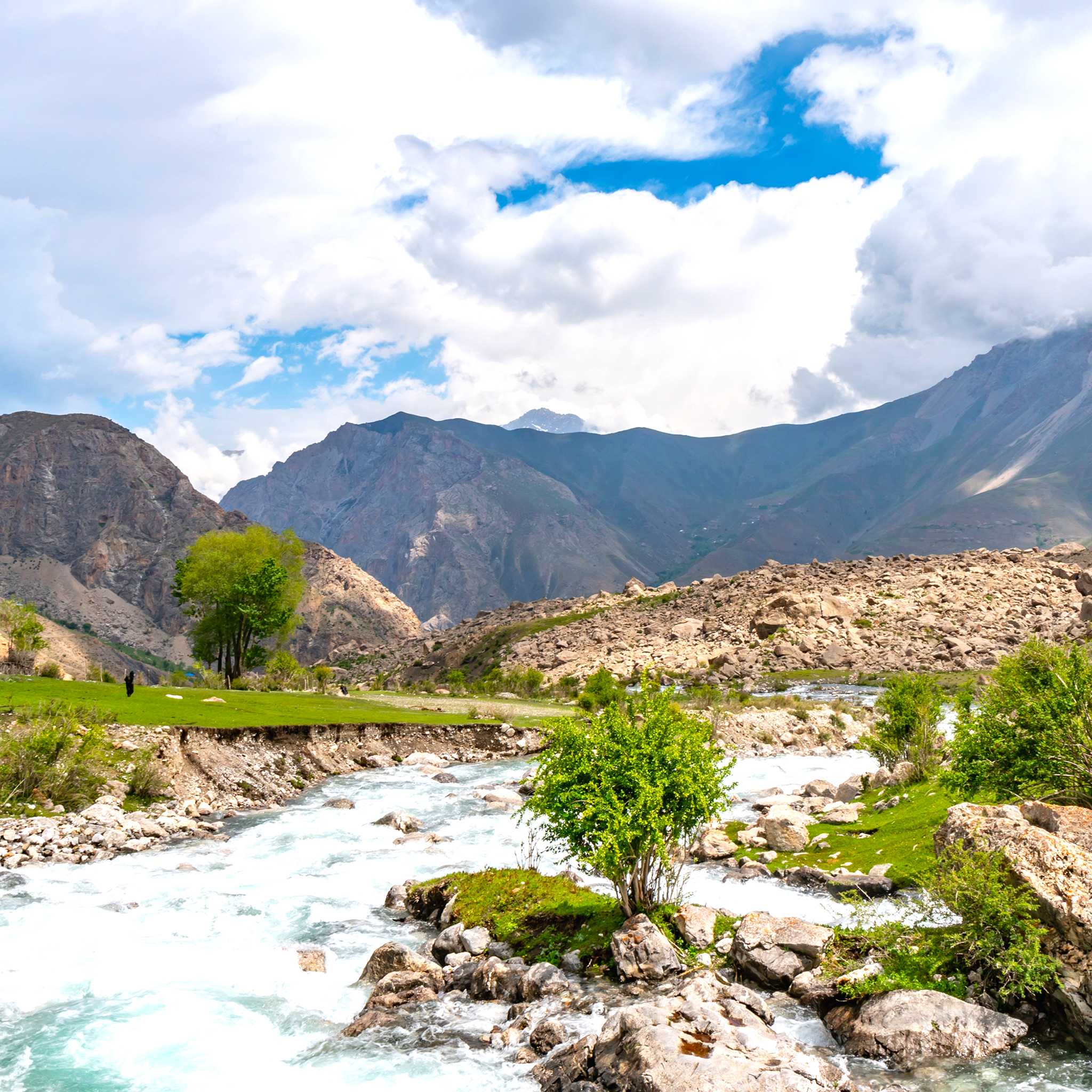
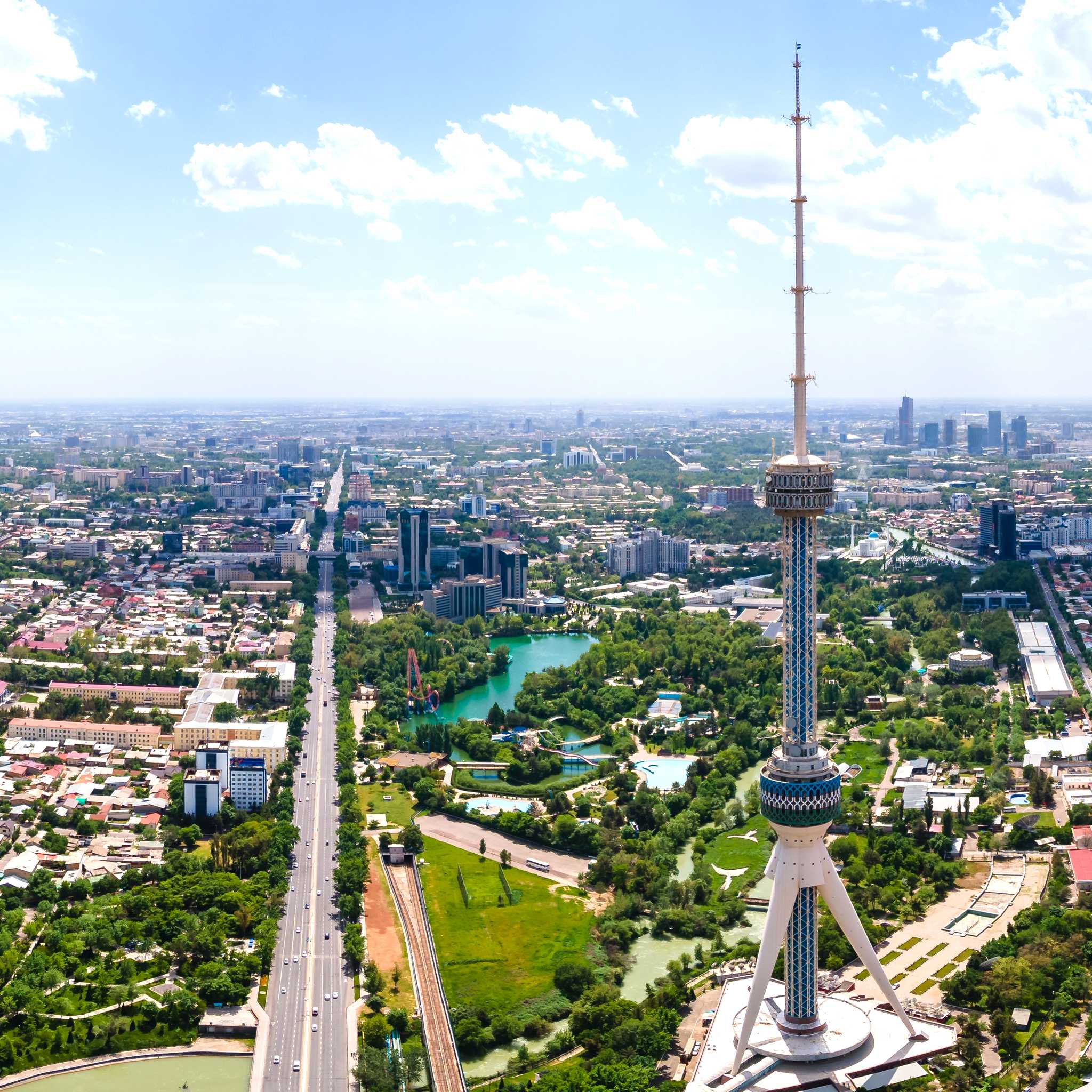
Central Dushanbe is relatively flat, with wide sidewalks and spacious parks that make the main areas reasonably walkable. That said, surfaces can be uneven in places, and accessibility features like ramps are limited, which can be challenging for strollers and wheelchairs. For longer distances, taxis are inexpensive and widely used. Exploring the mountains beyond the city generally requires a sturdy vehicle.
Tajikistan is generally considered safe for visitors, and Dushanbe is a calm, friendly capital where serious crime against travelers is uncommon. Normal precautions apply, like watching for pickpockets in busy markets and on public transport. It is wise to dress modestly, as the country is fairly conservative, and to respect local customs. Most travelers find Tajik hospitality genuinely warm and welcoming.
Tipping is not a strong tradition in Tajikistan, but it is increasingly welcomed, especially in Dushanbe. Rounding up the bill or leaving around 5 to 10 percent for good service in restaurants is a kind gesture. Small tips for guides and drivers, particularly on mountain trips, are appreciated. Since the country runs largely on cash, keeping small somoni notes makes tipping easy.
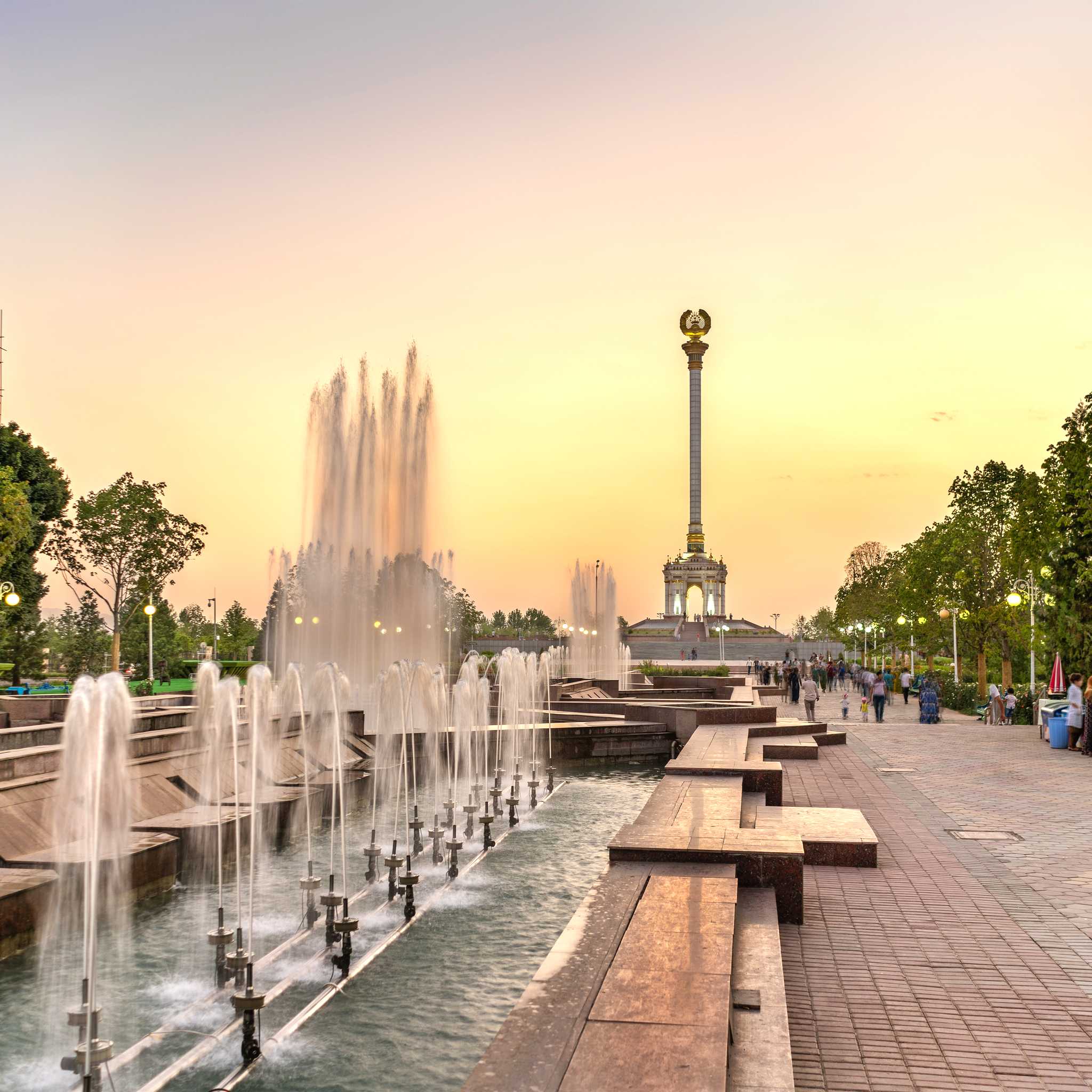
Stroll through leafy Rudaki Park and along the city's grand boulevards, and admire landmarks like the towering national flagpole and the Palace of Nations. Visit the National Museum of Tajikistan and the National Museum of Antiquities, home to a famous reclining Buddha. The lively Mehrgon and Korvon markets are great for local color, and the nearby Hissar Fortress makes a rewarding trip.
Tajikistan uses the Tajik somoni (TJS). The economy is largely cash-based, so while some hotels and larger restaurants in Dushanbe accept cards, you should plan to use cash for most things. ATMs are available in the capital but can be unreliable elsewhere, so withdraw or exchange enough before leaving the city. US dollars in good condition are the easiest currency to exchange.
The official language is Tajik, a variety of Persian. Russian is also widely spoken and useful across the country, while English is limited, mostly to hotels and travel businesses in Dushanbe. Learning a few Tajik or Russian phrases is helpful and appreciated. A translation app is a handy companion for getting around and connecting with the friendly local people.
Tajik cuisine reflects its Central Asian and Persian roots. The national dish is osh, also called plov, a hearty rice pilaf with meat, carrots and onions. Try laghman, hand-pulled noodles in a savory broth, grilled shashlik kebabs, and manti, steamed dumplings. Warm round non bread accompanies most meals, and a pot of green tea is the traditional way to round things off.
Spring, from April to June, and autumn, in September and October, are the best times to visit Dushanbe, with mild, pleasant weather ideal for sightseeing and onward mountain travel. Summers are hot in the city, while winters are cold and many high mountain roads close. For trekking in the Pamir and Fann mountains, the warmer summer months are the prime season.