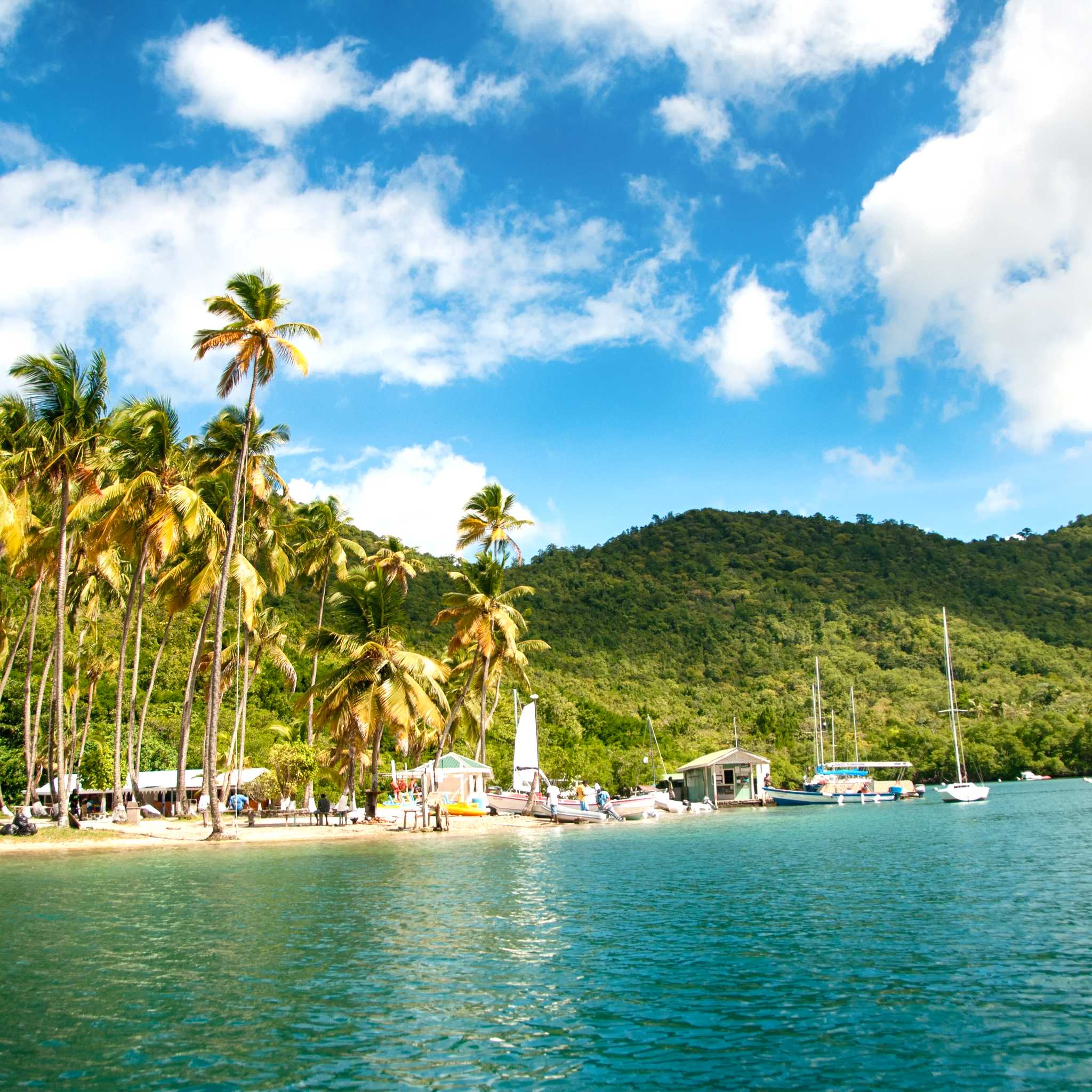
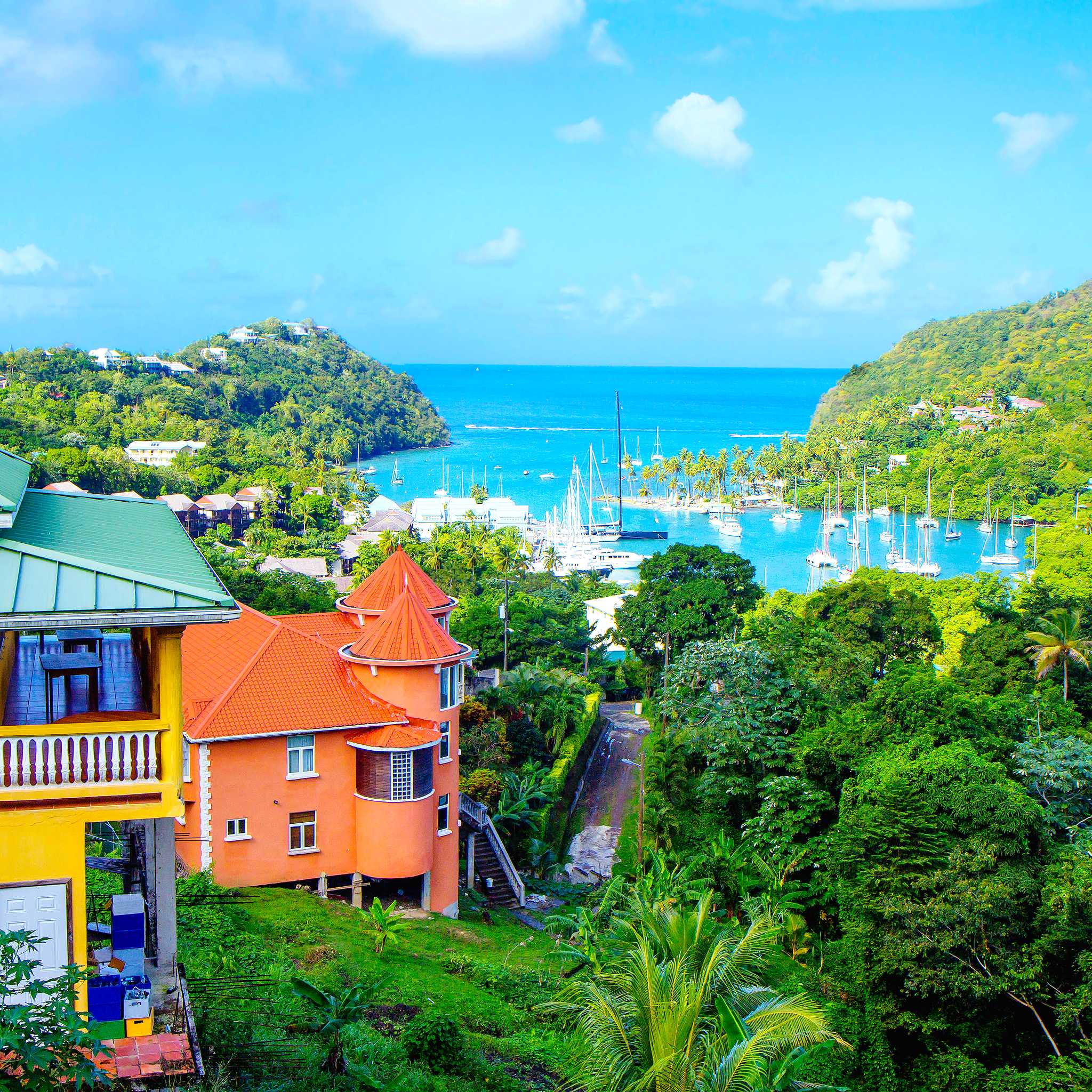
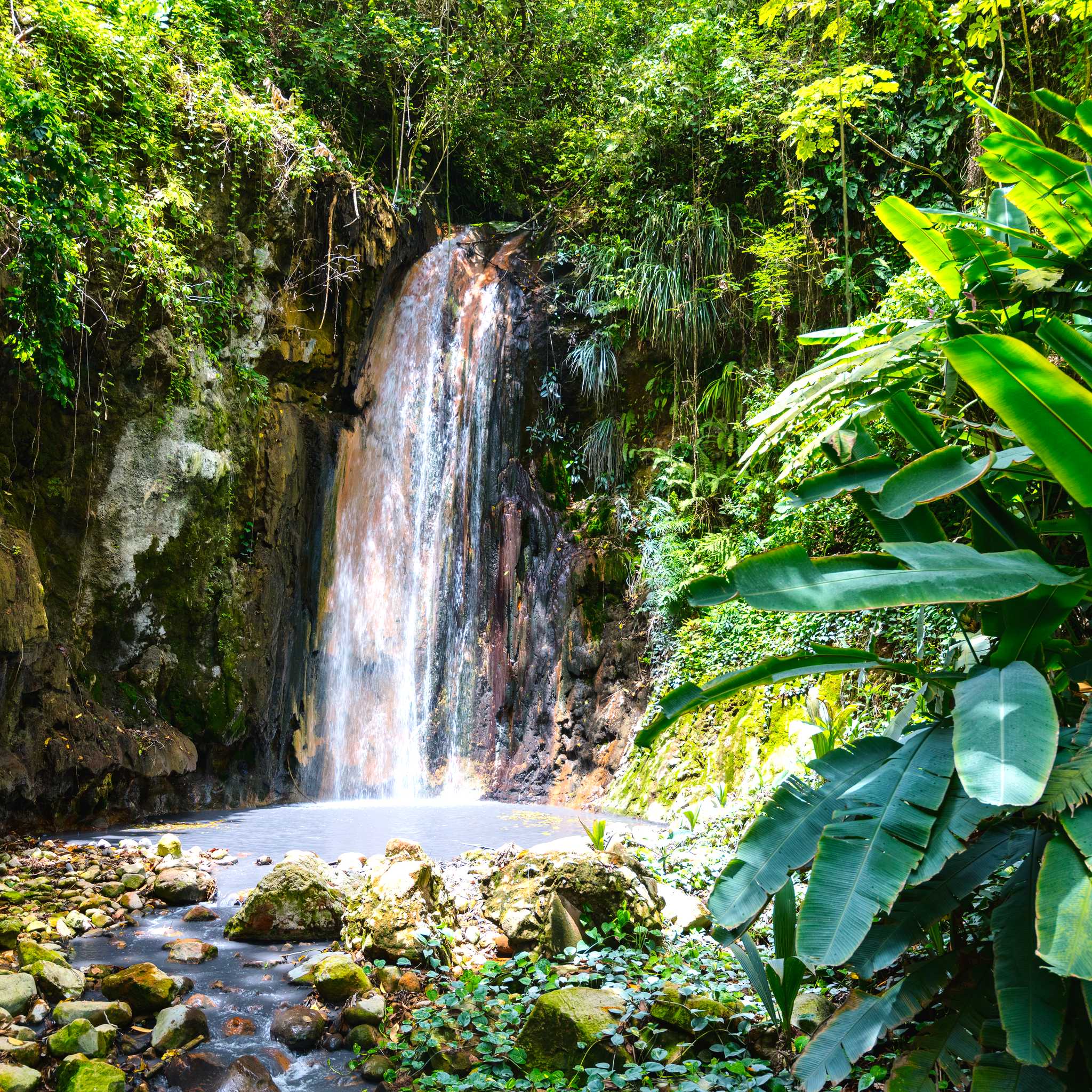
Yes. If your route heads toward Soufriere or elsewhere along the west coast, you can add stops such as Marigot Bay or scenic viewpoints along the way. Since the ride is arranged just for you, the stops and pace follow your plans rather than a fixed group schedule.
Many nationalities, including US, Canadian, UK, and EU citizens, don't need a visa for stays under 6 weeks. Requirements include a valid passport (valid for at least 6 months beyond your departure date), a return ticket, and proof of accommodation. Check specific requirements based on your nationality before traveling.
Eau Piquant sits about 3 km (2 miles) from Hewanorra International Airport (UVF), Saint Lucia's main gateway. That short distance means a smooth start or finish to your trip, with a driver ready to take you onward the moment you land instead of a long haul across the island first.
Soufriere is about 18 km (11 miles) from Vieux Fort as the crow flies, but the coastal road winds through hills and villages, so the drive typically runs 45 minutes to over an hour. A driver who knows every curve of that route turns a twisty trip into a relaxed one.
The airport is about 90 minutes by road to Castries in the north, where many resorts are located. Soufriere in the southwest is approximately 50 minutes away. Most hotels offer shuttle services. Taxis are available but expensive for long distances. Some travelers use helicopter transfers to reach northern destinations faster.
Rodney Bay and Castries sit at the island's northern tip, roughly 63 km (39 miles) from Eau Piquant and Hewanorra Airport. Expect about 1.5 hours or more, since the route crosses winding, hilly terrain rather than a straight highway. Going direct skips the waiting and transfers that come with shared shuttles on a trip this long.
Saint Lucia is generally safe for travelers. Exercise standard precautions: avoid isolated areas at night, don't display valuables, and use licensed taxis. The airport area and major tourist zones are well-maintained and secure. Petty theft can occur, so keep belongings secure and stay in well-traveled areas.
The Eastern Caribbean dollar (XCD or EC$) is the official currency. US dollars are widely accepted throughout Saint Lucia. ATMs at the airport and island-wide dispense EC dollars. Credit cards work at most establishments. The exchange rate is approximately 2.7 EC$ to 1 US$, though rates vary.
The airport offers duty-free shopping, currency exchange, ATMs, restaurants, cafes, and car rental services. A Saint Lucia Tourist Board desk provides information and assistance. The facility is relatively small compared to major international airports. Wi-Fi is available. Helicopter transfer services operate from the airport for quick connections to northern resorts.
English is the official language of Saint Lucia. Many locals also speak Saint Lucian Creole (Kweyol), a French-based patois. English is used in all tourism settings, making communication easy for English-speaking travelers throughout the island.
Taxis are available outside the terminal with fixed rates to major destinations (approximately EC$200 to Castries). Shared shuttle services offer more economical options. Many resorts provide transfers. Car rentals are available on-site, requiring a temporary Saint Lucia driver's permit (approximately EC$54). Public buses run along the main road but aren't convenient for airport transfers.
Vieux Fort town and the south coast beaches, including Sandy Beach at Anse de Sables, are just minutes away, and the Maria Islands nature reserve sits just offshore. One vehicle for the whole loop means you're not juggling separate taxis between stops.
December through April is high season, offering dry weather and very warm temperatures. May and June provide good weather with fewer crowds and lower prices. Hurricane season runs from June through November, with August to October seeing the most activity. Rainfall is higher but brief during wet months.
Saint Lucia's roads are narrow, steep, and full of hairpin turns, especially on the routes toward Soufriere or across the island's interior. For visitors unused to those conditions, self-driving can feel stressful, particularly after dark. Handing the wheel to a local driver lets you take in the scenery instead of watching the road.