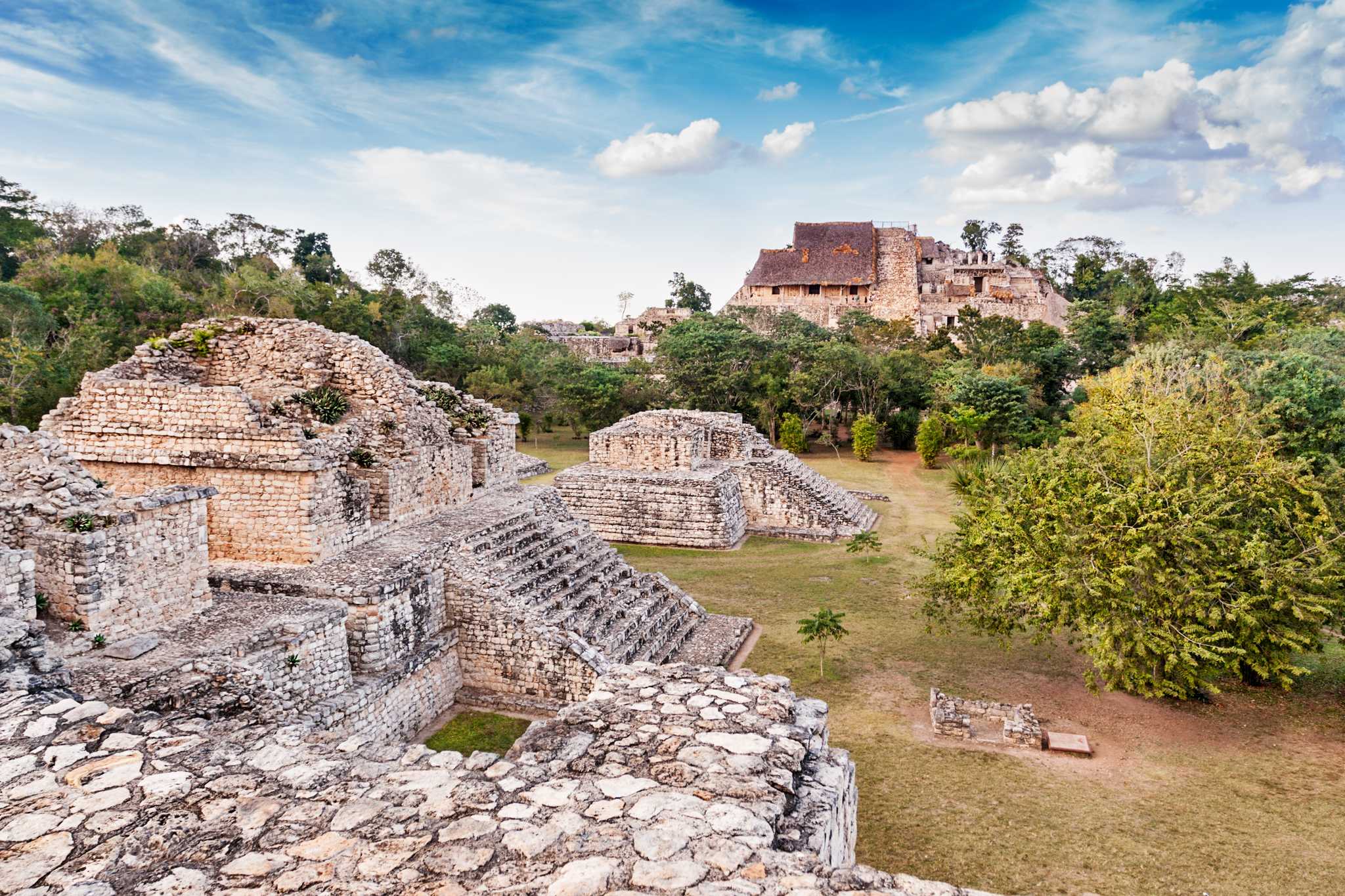
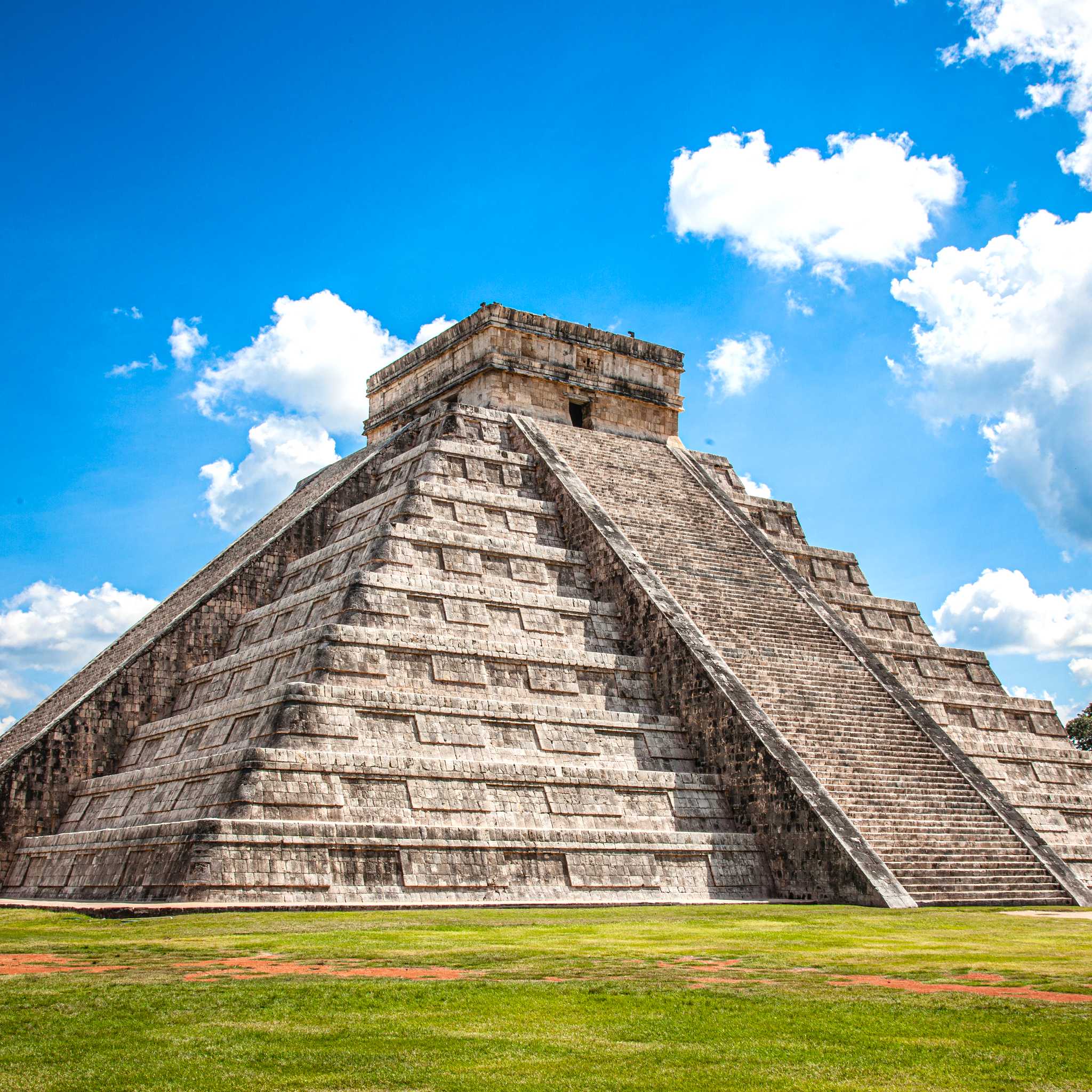
The main pyramid runs 150 meters (492 feet) long and rises 30 meters (98 feet), one of the largest Mayan structures in the Yucatan. It has long been one of the few major pyramids in the region visitors could still climb, unlike the closed pyramid at Chichen Itza, though access can change, so it's worth checking current site rules before you go. From the top, the view stretches out over unbroken jungle canopy.
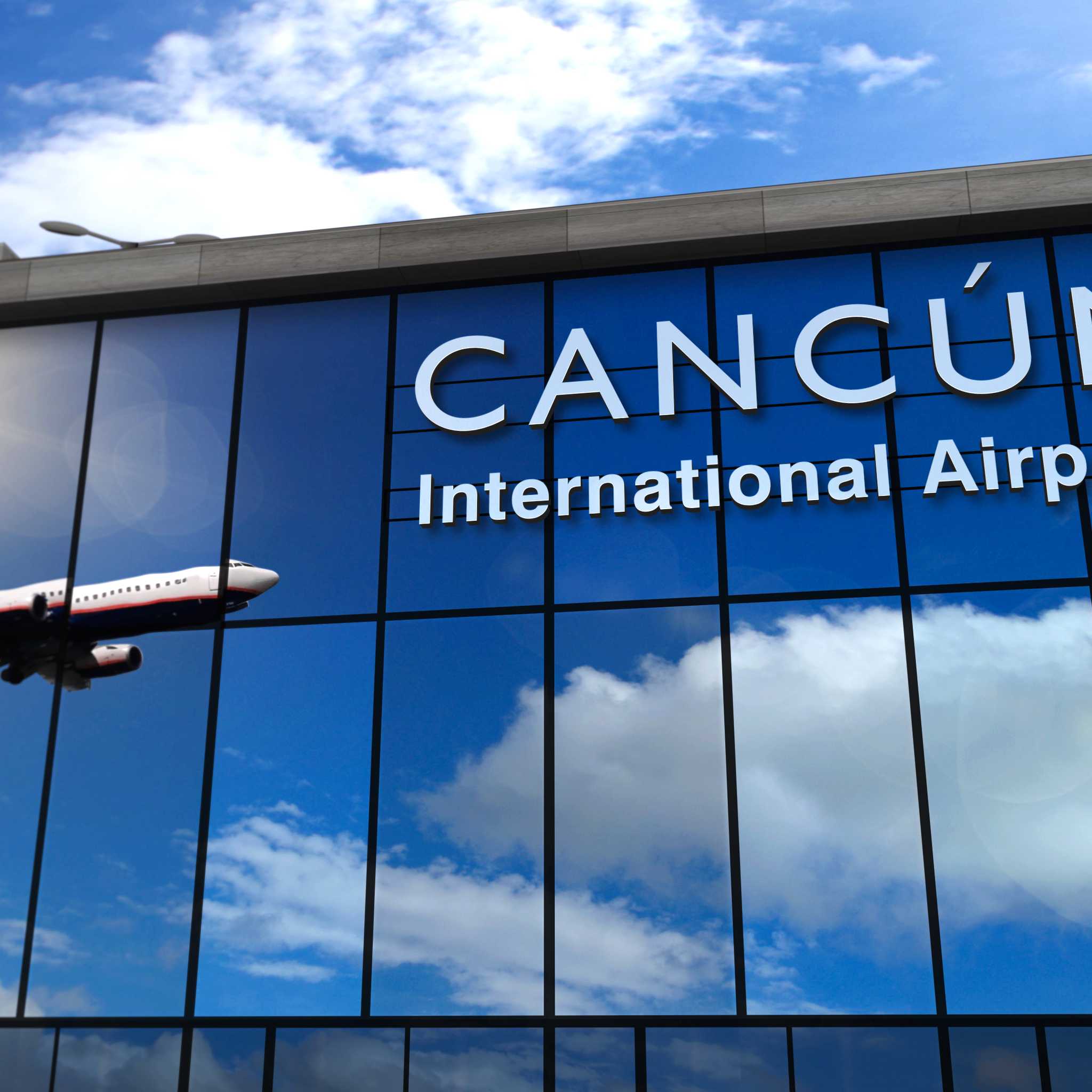
Ek Balam sits about 200 km (124 miles) from Cancun, roughly a 2.5 to 3 hour drive, and just 30 km (19 miles) north of Valladolid, about 30 minutes away. A private transfer covers that distance on your own schedule, with a driver who takes you door to door instead of leaving you to work around a fixed departure time.
Most visitors spend around 1.5 to 2 hours on site, enough to climb the main pyramid, take in the jaguar tomb facade up close, and walk the smaller structures nearby. The site is compact compared to Chichen Itza, so you won't need a full day here, which leaves room to pair it with another stop.
X'Canche sits just outside the ruins and makes a natural add-on, a freshwater cenote to cool off in after climbing in the sun. Swimming and activities like ziplining are typically available on site. Pairing the two gives a day both history and a swim, without adding much extra travel.
Partway up the main pyramid sits the tomb of ruler Ukit Kan Lek Tok, its facade shaped like the open mouth of a jaguar, an image found nowhere else in the region. The stucco figures and glyphs surrounding it are among the best preserved in the Yucatan. It's the detail most visitors remember long after leaving.
Most Mayan cities carved their decoration directly into stone. Ek Balam's artisans molded theirs in plaster instead, producing some of the most intricate motifs found anywhere in the Yucatan. Once a regional capital dating back to the 1st millennium BC, the city remained inhabited until the Spanish arrived in the 16th century. Today around 45 structures survive, many built between the 8th and 11th centuries, and the site sees far fewer visitors than the region's famous ruins.