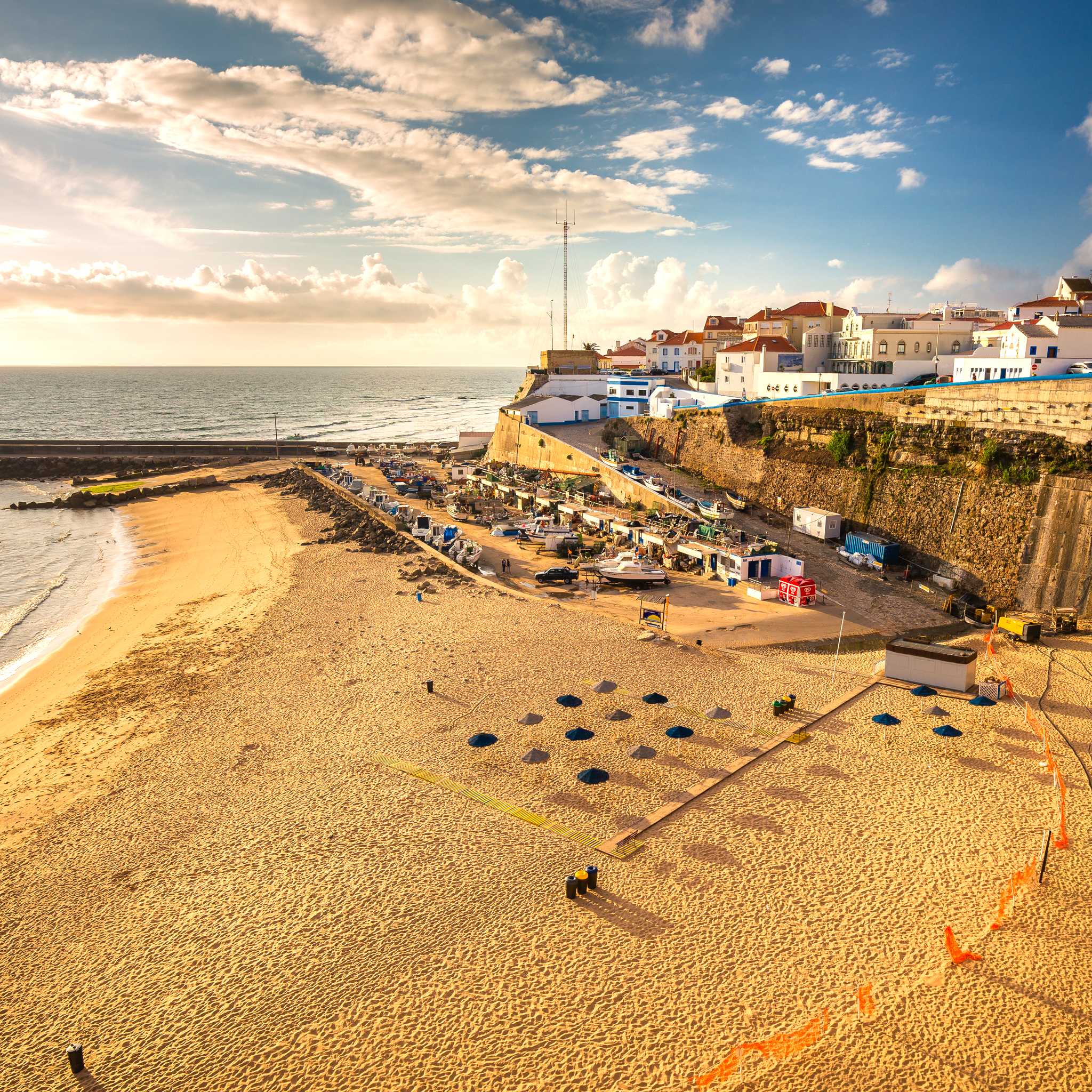
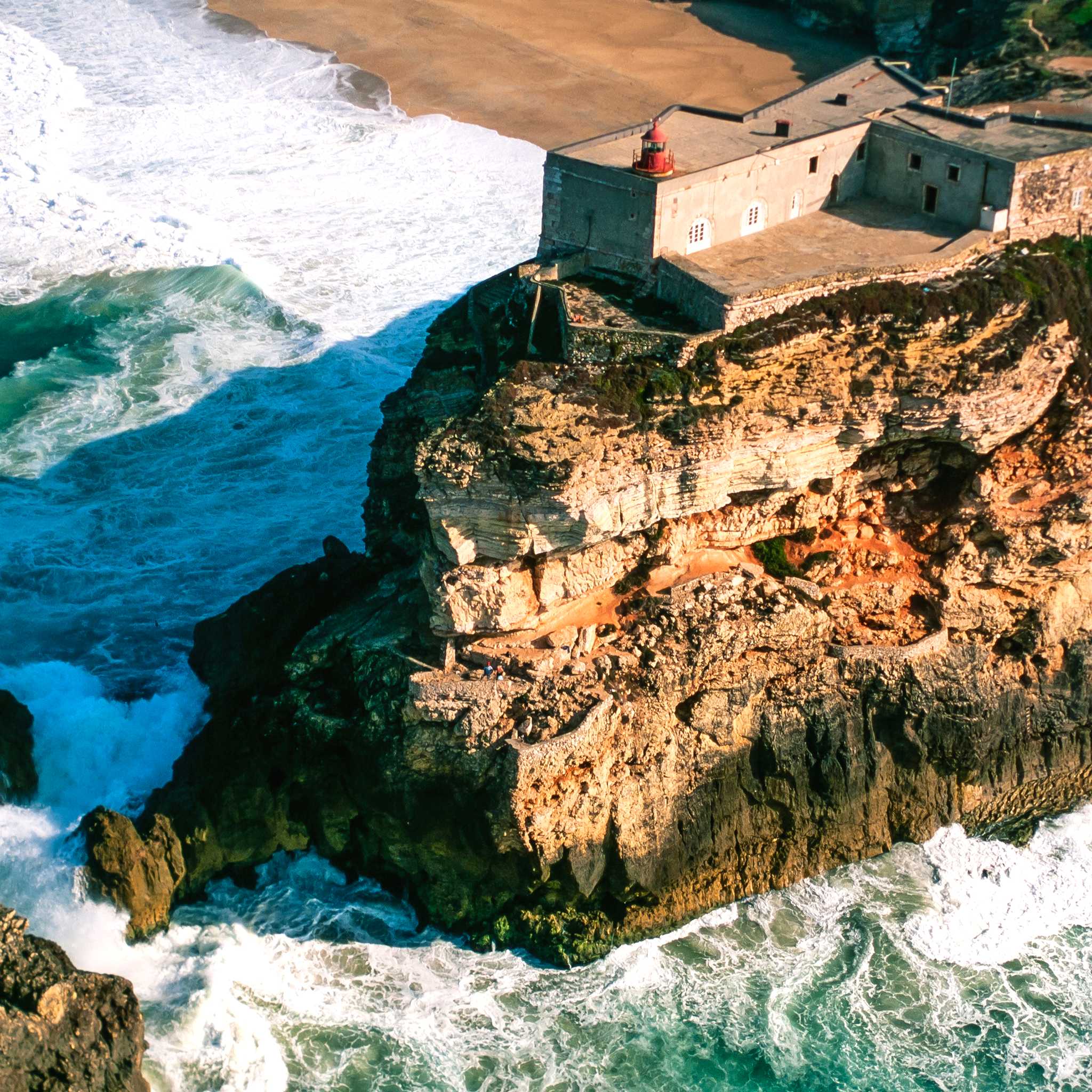
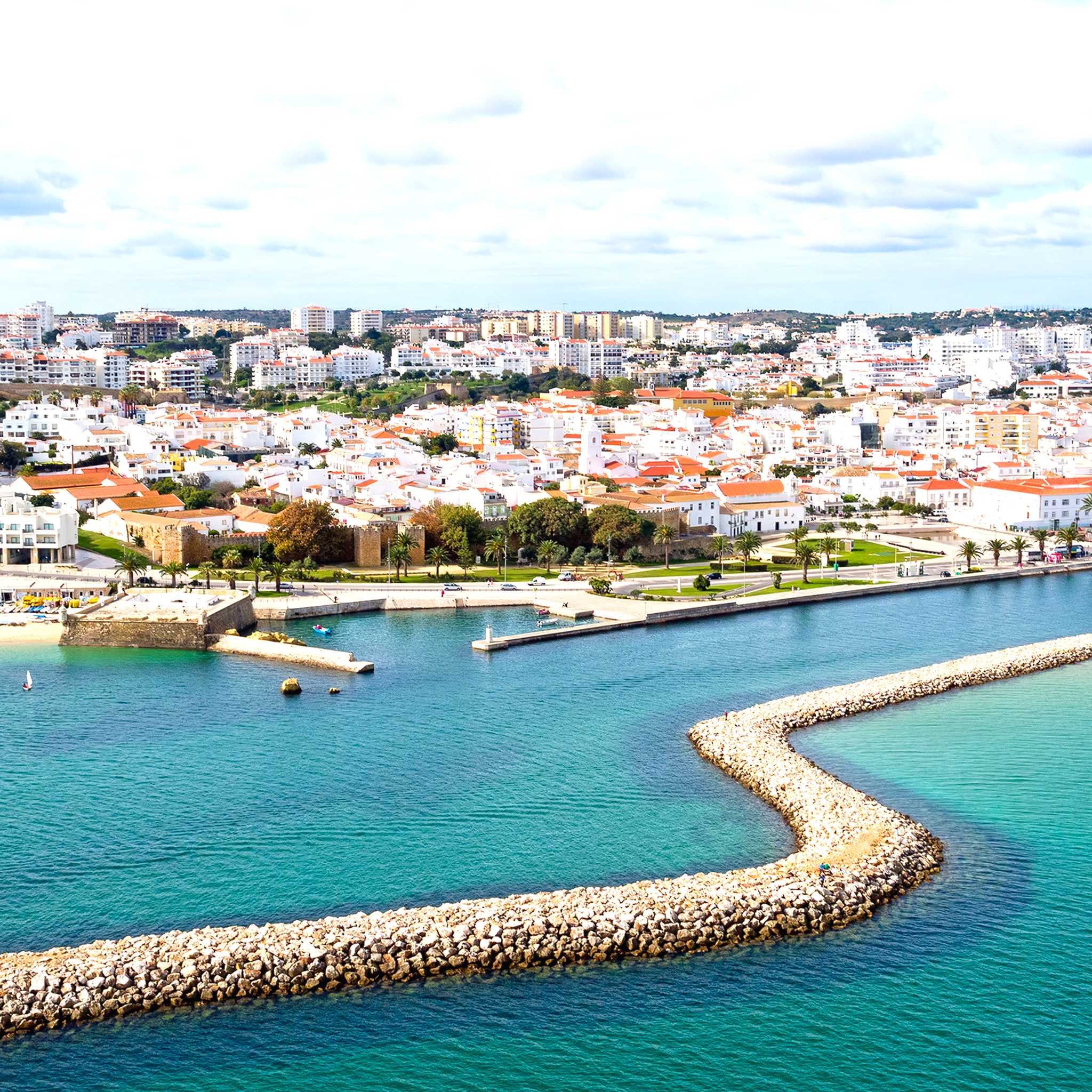
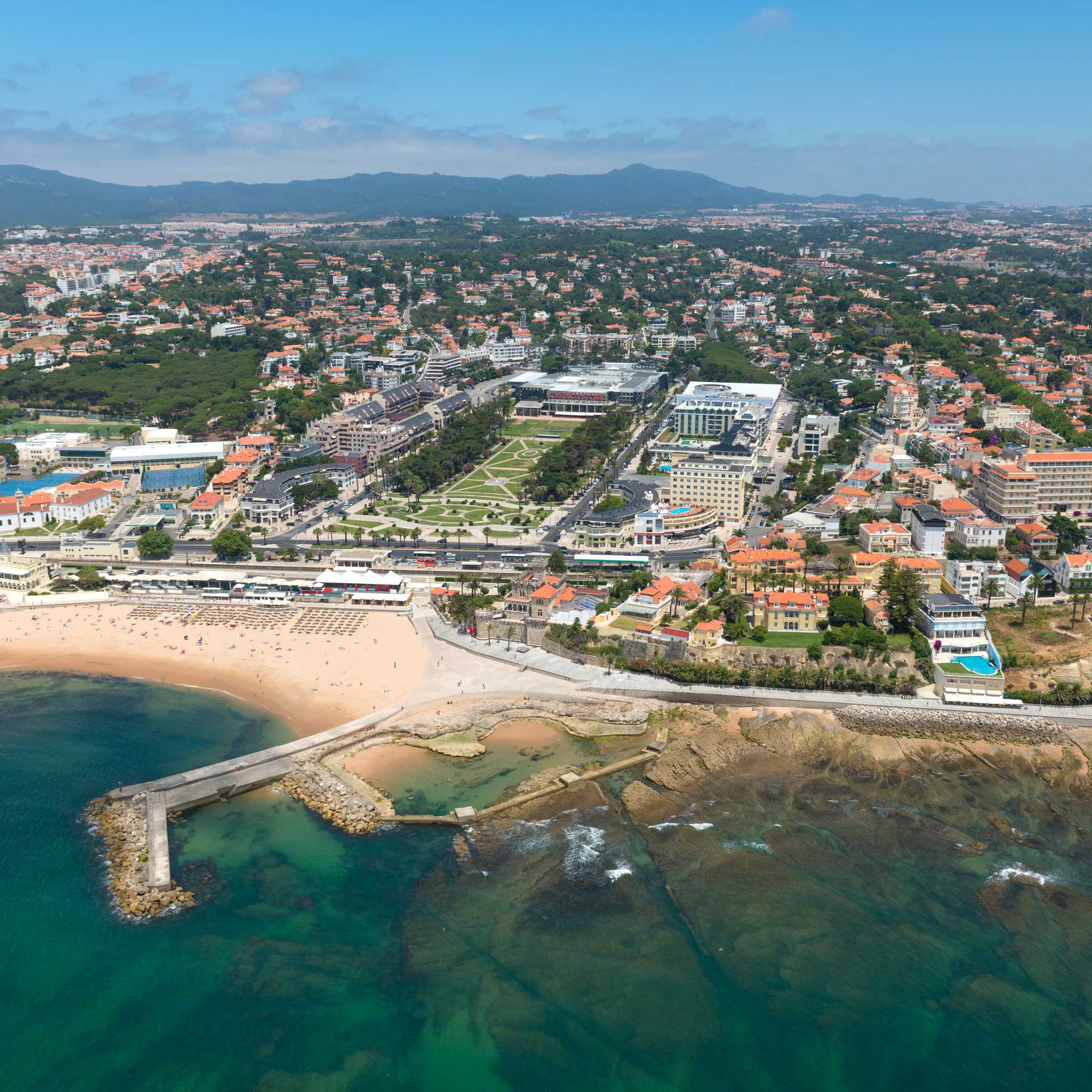
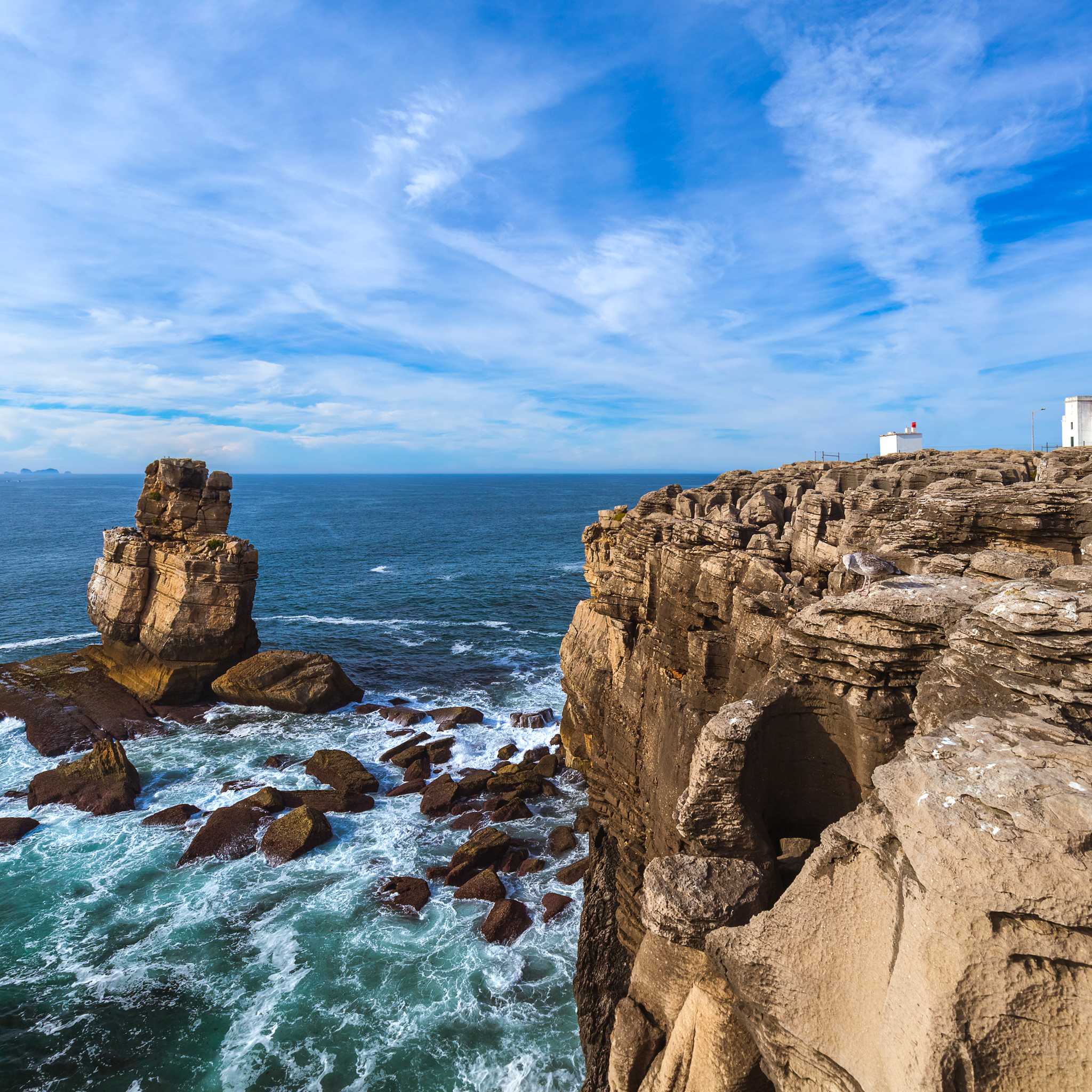
The historic town center is compact, flat, and very walkable, with beaches, restaurants, and the harbor all within easy reach on foot. The clifftop walking trails to nearby beaches such as Ribeira d'Ilhas and Foz do Lizandro are accessible but involve some uneven terrain. For reaching beaches and attractions outside the center, a car or e-scooter rental is helpful.
Ericeira is a very safe and relaxed destination. Serious crime is extremely rare. The main things to be mindful of are strong Atlantic currents and waves at some beaches, particularly outside the official bathing season (mid-June to mid-September) when lifeguards are on duty. Always check local surf and sea conditions before entering the water, especially at the reserve's more exposed breaks.
Tipping is not obligatory in Portugal but is a welcome gesture for good service. Rounding up the bill or leaving around 5% to 10% in restaurants is common practice. For taxis, rounding up to the nearest euro is standard. No tip is expected for coffee or snacks at a cafe counter.
Must-dos include watching or joining the surf at Ribeira d'Ilhas beach, walking the dramatic clifftop coastal trails, exploring the cobbled streets and colorful town center, visiting the nearby Mafra National Palace (one of Europe's grandest royal palaces), and enjoying sunset views over the Atlantic from the clifftop benches with a glass of local wine.
Portugal uses the euro (EUR). Cards are widely accepted in Ericeira's restaurants, shops, and hotels, with Visa and Mastercard being the most reliable options. Smaller local cafes, bakeries, and markets may prefer cash, so carrying some euros is advisable. Stick to bank-affiliated ATMs for the best rates and lowest fees.
The official language is Portuguese. In Ericeira, English is spoken comfortably at most restaurants, surf schools, and visitor-facing businesses, particularly given the town's strong international surf community. Learning a few words of Portuguese is always warmly received.
Ericeira's seafood is exceptional. Fresh fish, grilled octopus, and percebes (goose barnacles, a local delicacy) are highlights at harbor-side restaurants. Pastel de nata (custard tarts) are a staple at local bakeries for breakfast. When dining out, note that bread, olives, or cheese brought to the table automatically will be added to your bill unless you decline them.
Late spring and early autumn (April to June and September to October) are ideal for most visitors: warm and sunny without the summer crowds. July and August bring the peak beach season with plenty of life in the town. Surfers visit year-round, as autumn and winter deliver the region's most powerful and consistent Atlantic swells.