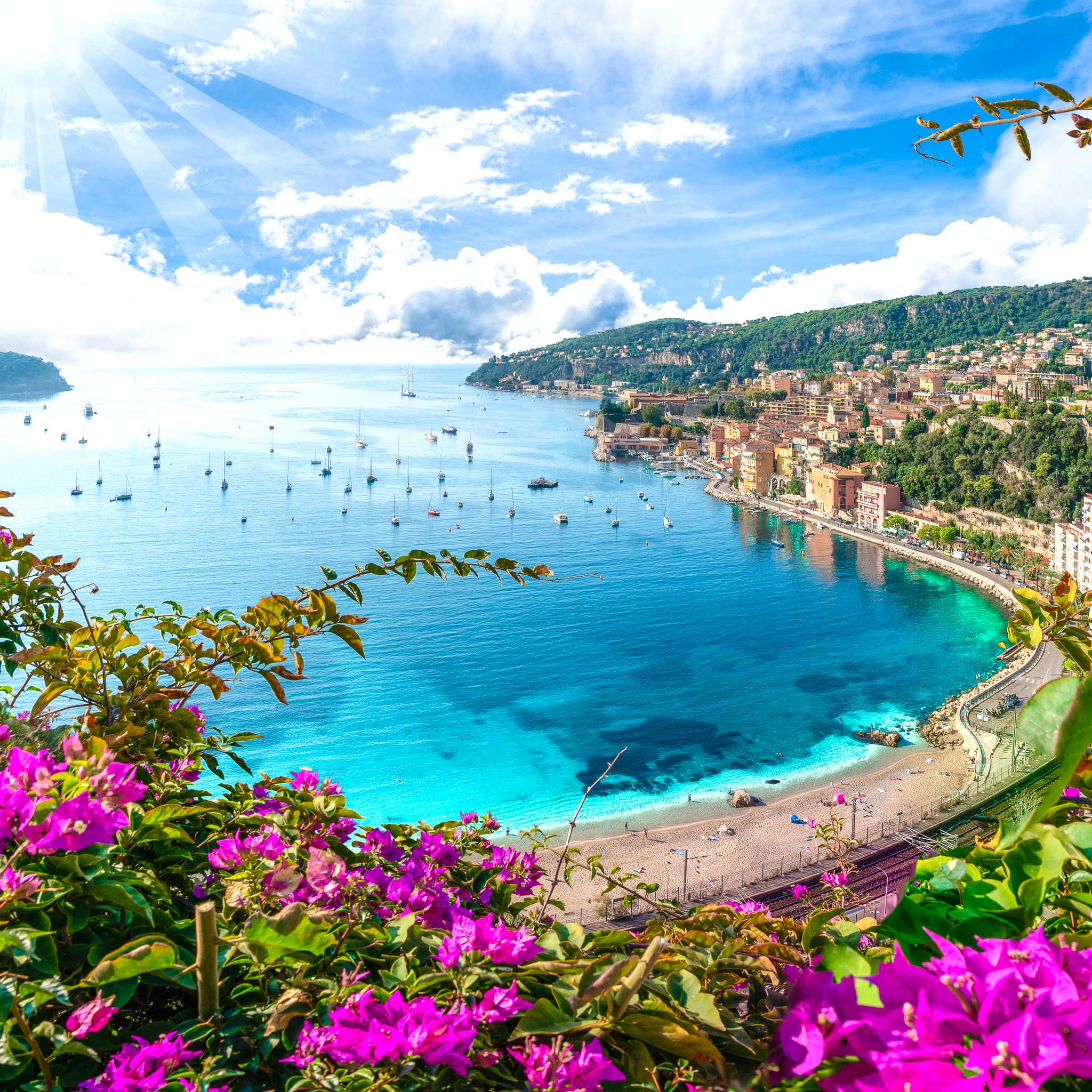
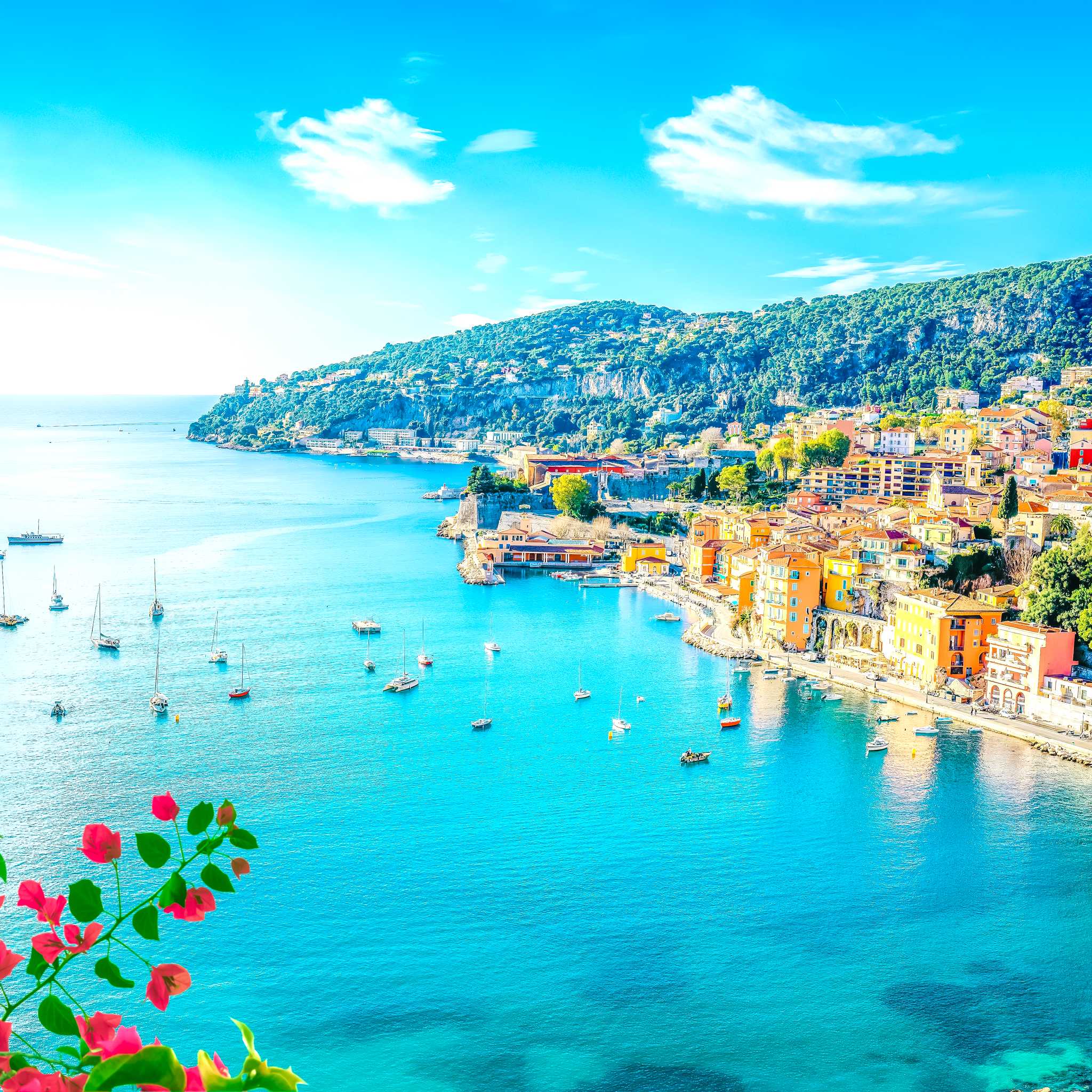
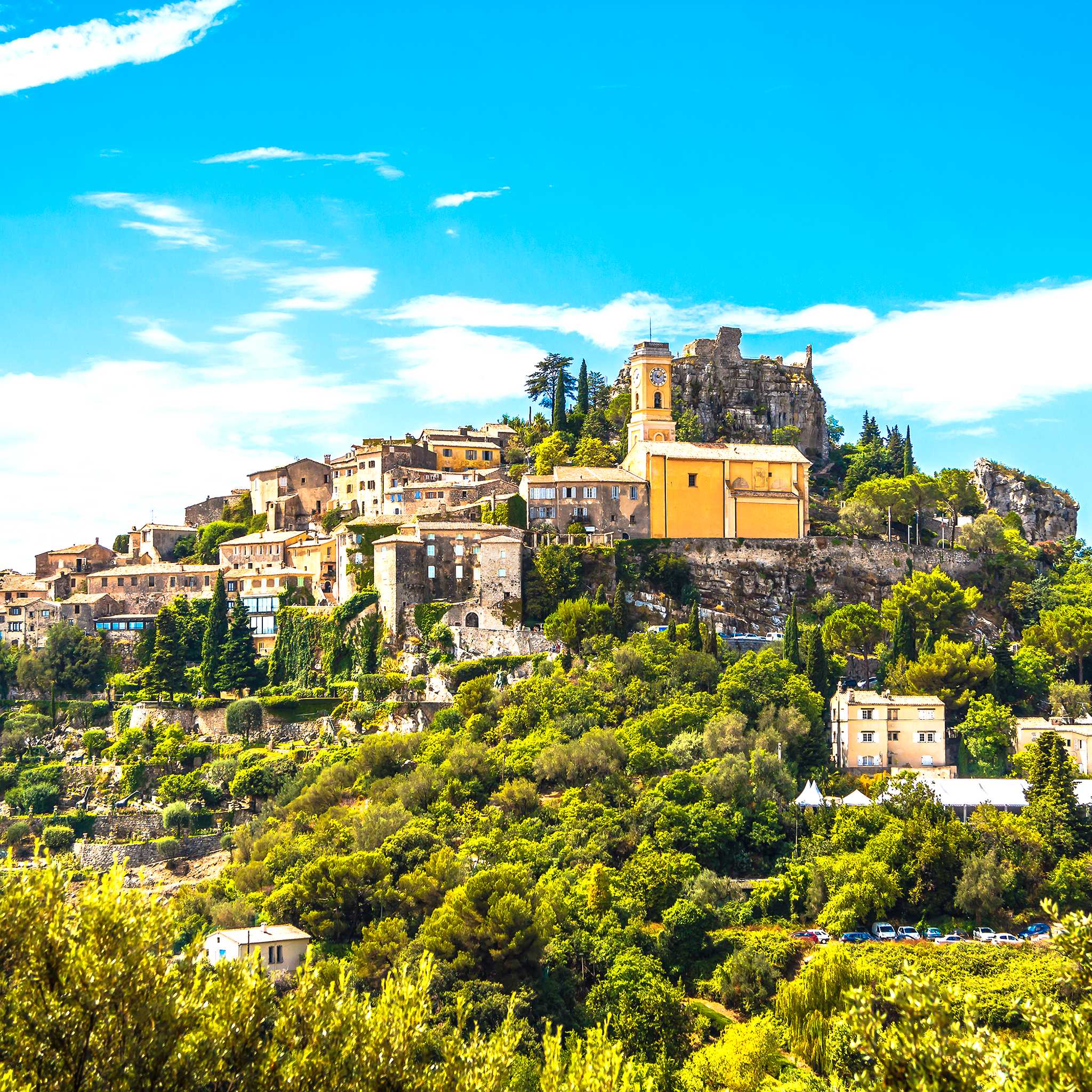
Yes, Frejus is ideally located for exploring the French Riviera. Popular day trips include Saint-Raphael next door, the glamorous harbors of Cannes and Saint-Tropez, the hilltop village of Mougins, and the perfume town of Grasse. Nature lovers can head into the Esterel Massif for hiking among red rocks, or visit the Gorges du Verdon, often called the Grand Canyon of Europe.
Yes, Frejus is a family-friendly destination on the Cote d'Azur. Its sandy, gently sloping beaches suit young swimmers, and attractions like Aqualand, Luna Park, and the Frejus zoo keep kids entertained. The Esterel Massif offers easy walking trails, while the Roman sites provide a hands-on history lesson. Many hotels and campsites are set up specifically with families in mind.
The historic center of Frejus is compact and very walkable, with pedestrian streets, Roman ruins, and cafes all within easy reach. However, the old town, Frejus Plage, and Frejus Port are spread out, so many visitors use a car, bus, or bicycle to move between them. The old town has some cobblestones and steps, which can be challenging for strollers and wheelchairs.
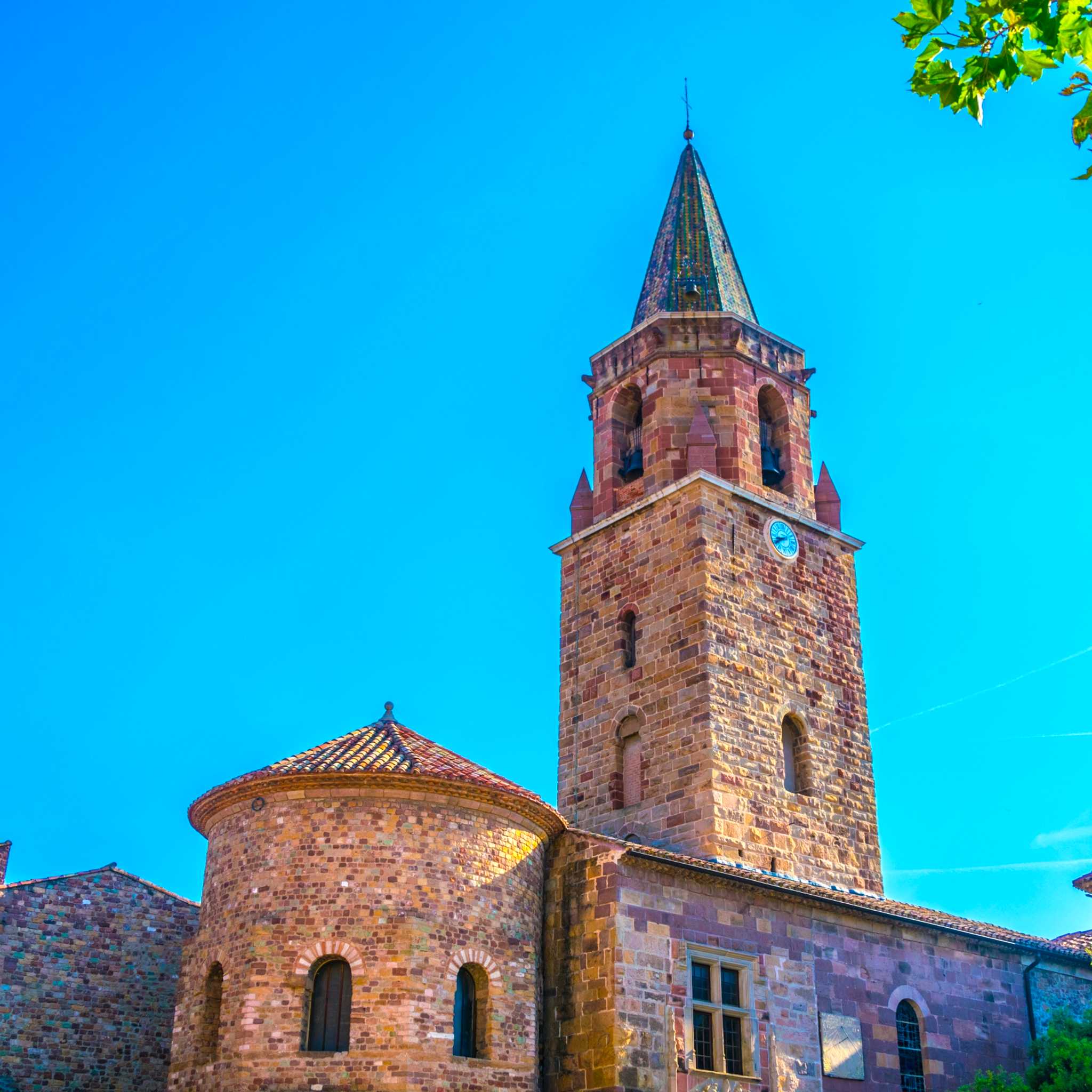
Highlights include exploring the well-preserved Roman amphitheater and theater, the Episcopal Group featuring the Cathedral of Saint-Leonce and its fifth-century baptistery, and the pastel-hued Port Frejus. Beach lovers enjoy Plage de Frejus and Plage de Saint-Aygulf, while outdoor enthusiasts can hike or bike in the red-rocked Esterel Massif. Families often head to Aqualand or the zoo.
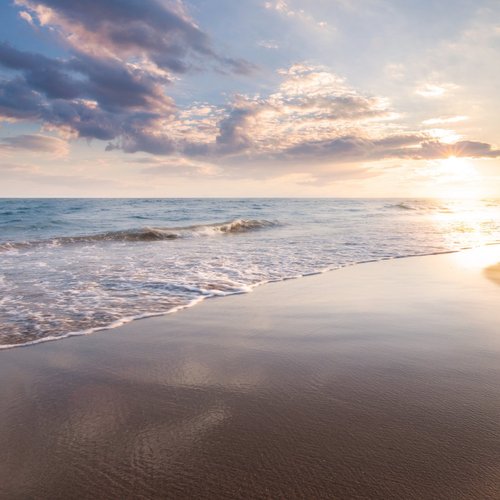
Frejus has a long stretch of beaches along the Mediterranean. Plage de Frejus is a popular sandy beach near the port with a palm-lined promenade and amenities. Plage de Saint-Aygulf offers a wider sandy area popular with families, windsurfers, and kitesurfers. Smaller coves along the Esterel corniche road between Frejus and Cannes are ideal for a more secluded, scenic beach day.
France uses the euro, and credit cards are accepted almost everywhere in Frejus, including shops, restaurants, and hotels. Carrying small amounts of cash is still useful for local markets and smaller cafes. French is the official language. In Frejus and along the Cote d'Azur, many people working in travel, hospitality, and dining speak English, especially in the port and beach areas.
The best time to visit Frejus is from May to September, when warm Mediterranean weather makes the beaches and port ideal for swimming, sunbathing, and water sports. July and August are the liveliest but also the busiest and most expensive. For a quieter experience with pleasant temperatures, aim for late May, early June, or September, when the sea is still warm and crowds thin out.
Frejus and the Cote d'Azur offer classic Provencal cuisine. Try bouillabaisse, a rich Mediterranean fish stew, socca, a chickpea pancake, and ratatouille made with local vegetables. Tapenade, pissaladiere, and fresh seafood such as grilled sea bream are common on local menus. Pair your meal with a glass of crisp Provence rose wine, the signature wine of the region.