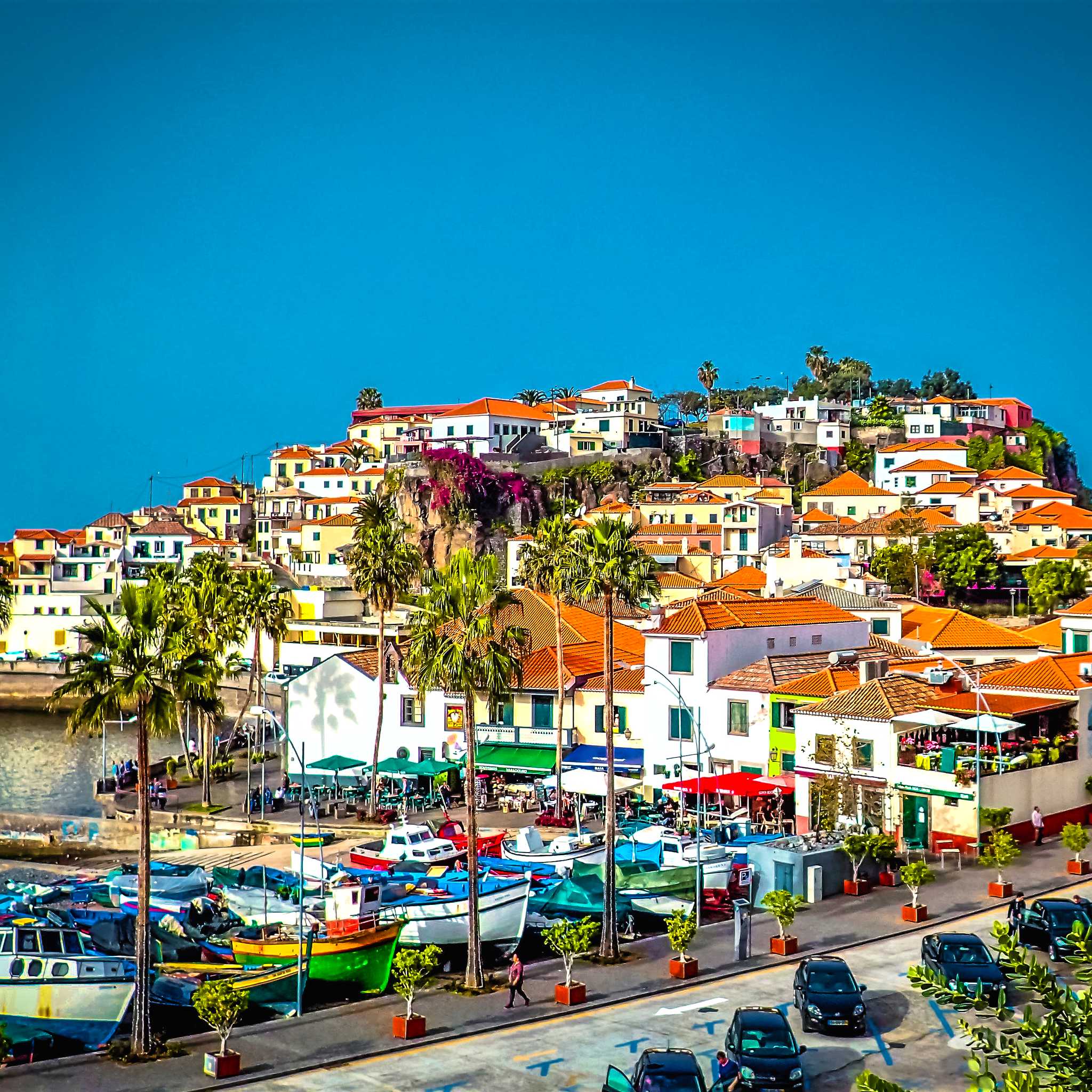
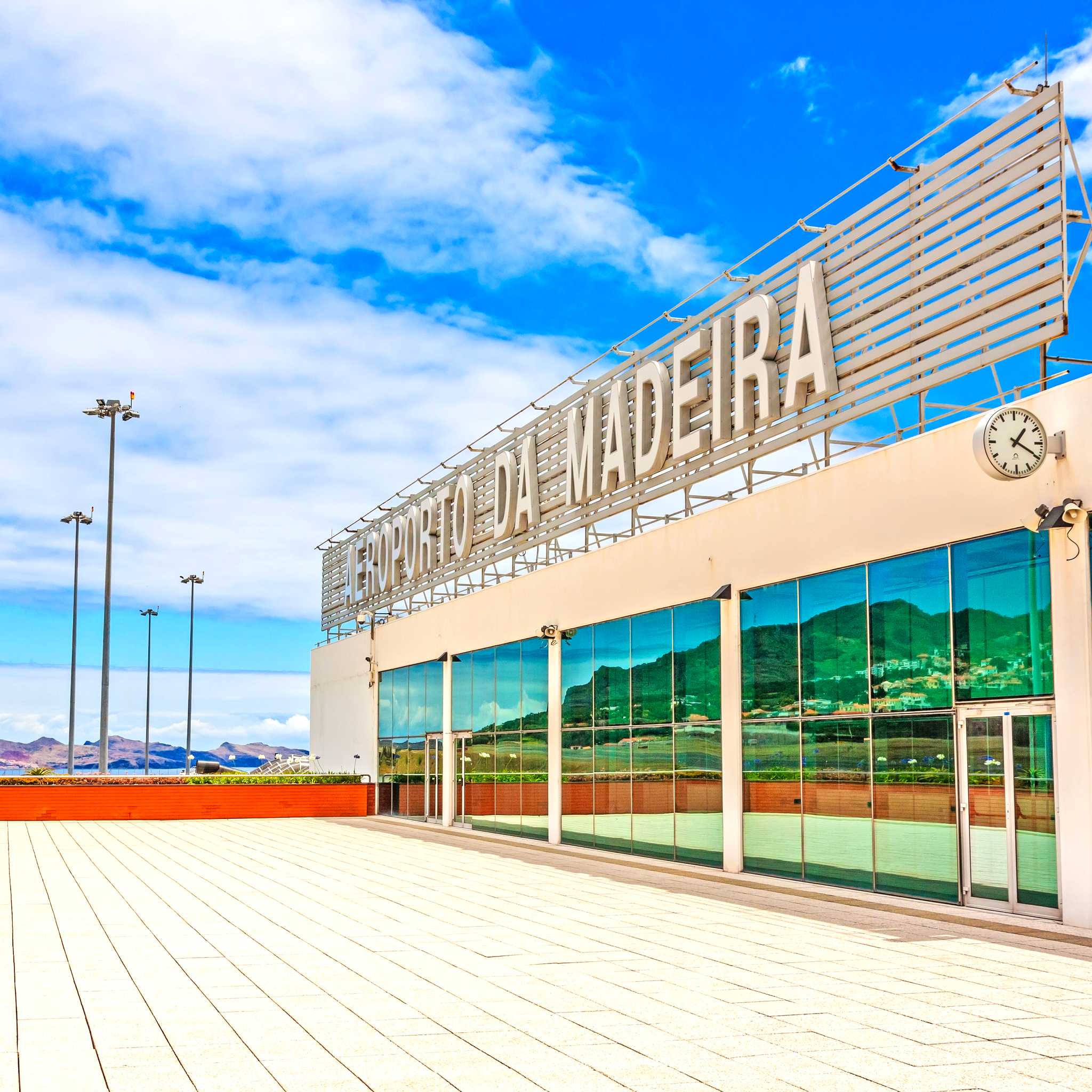
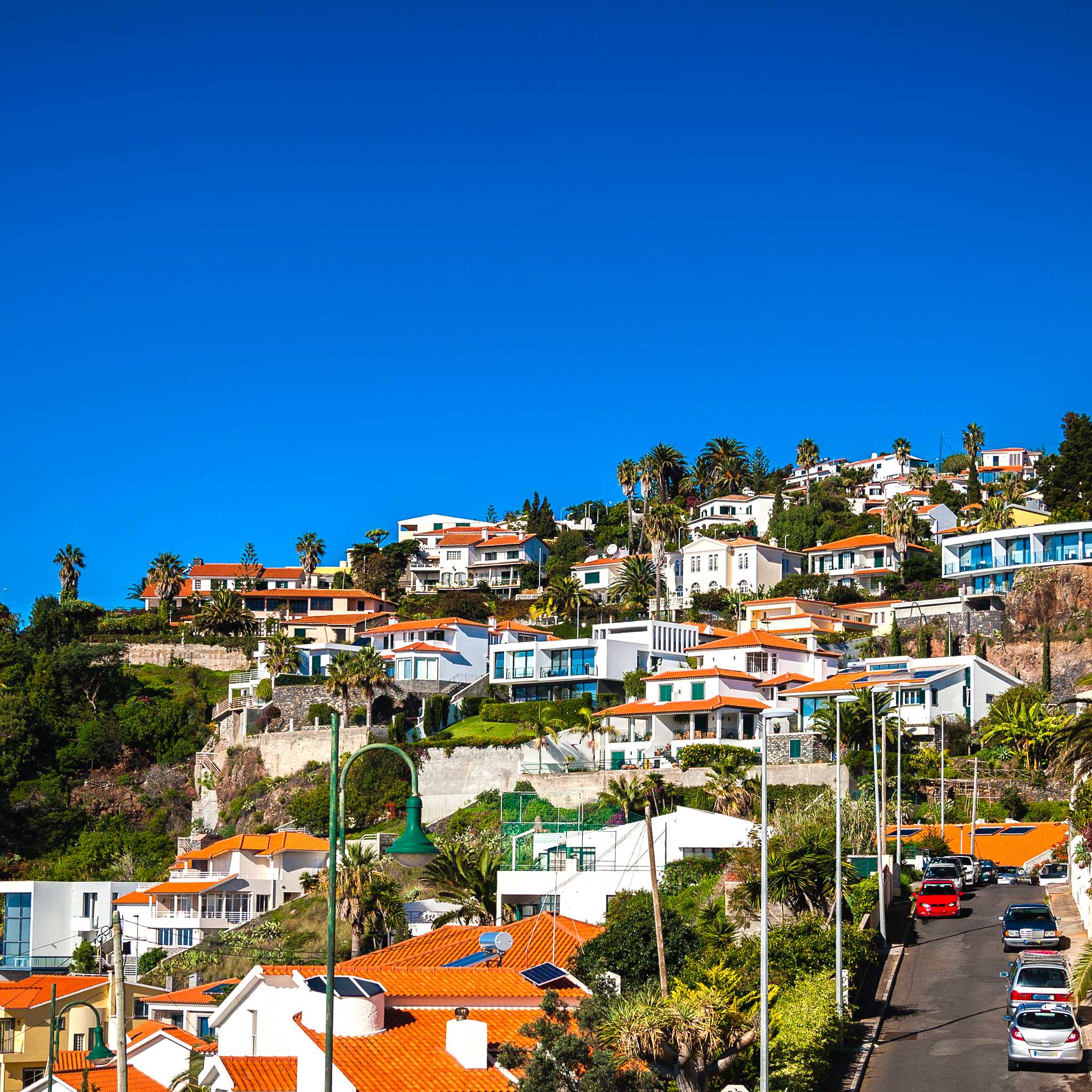
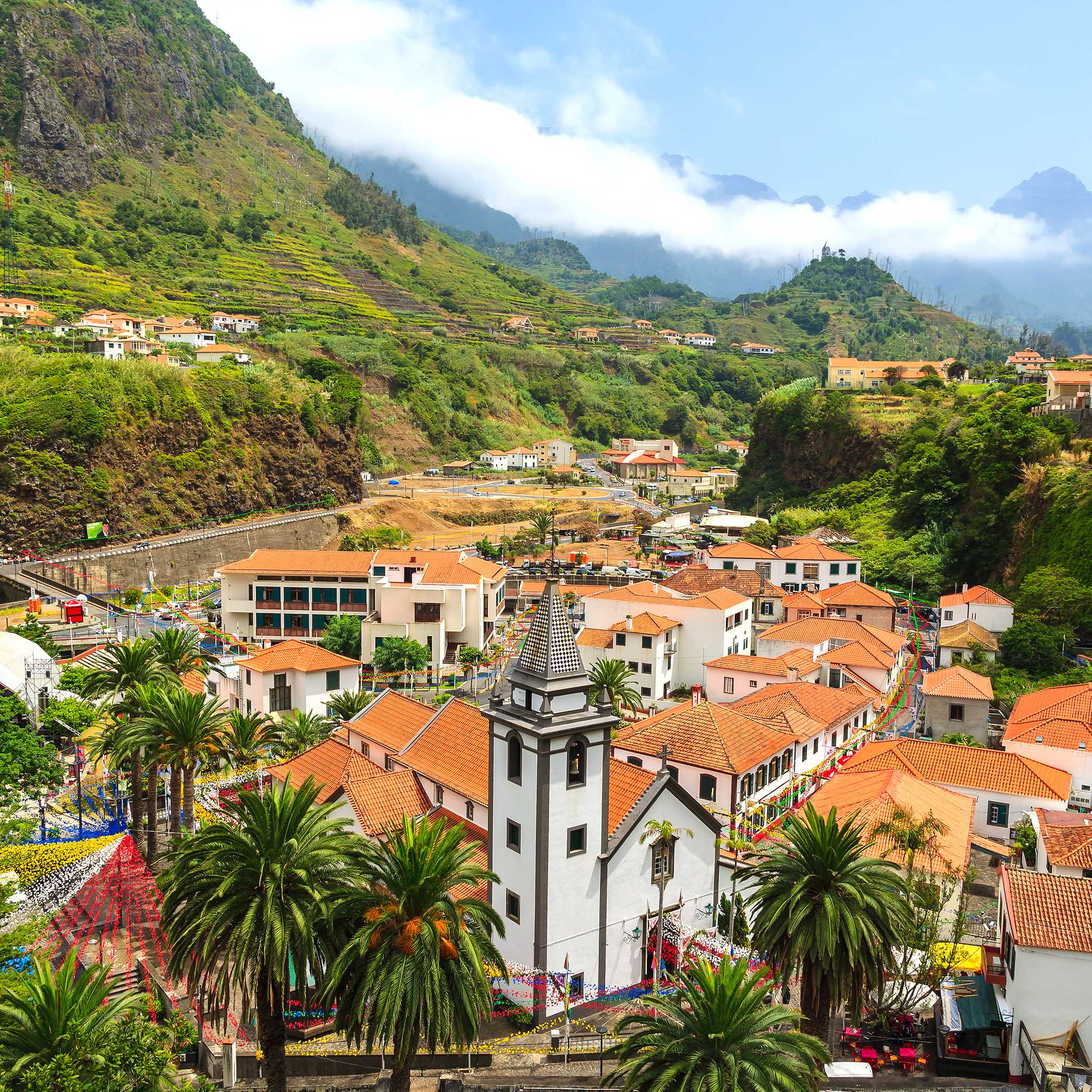
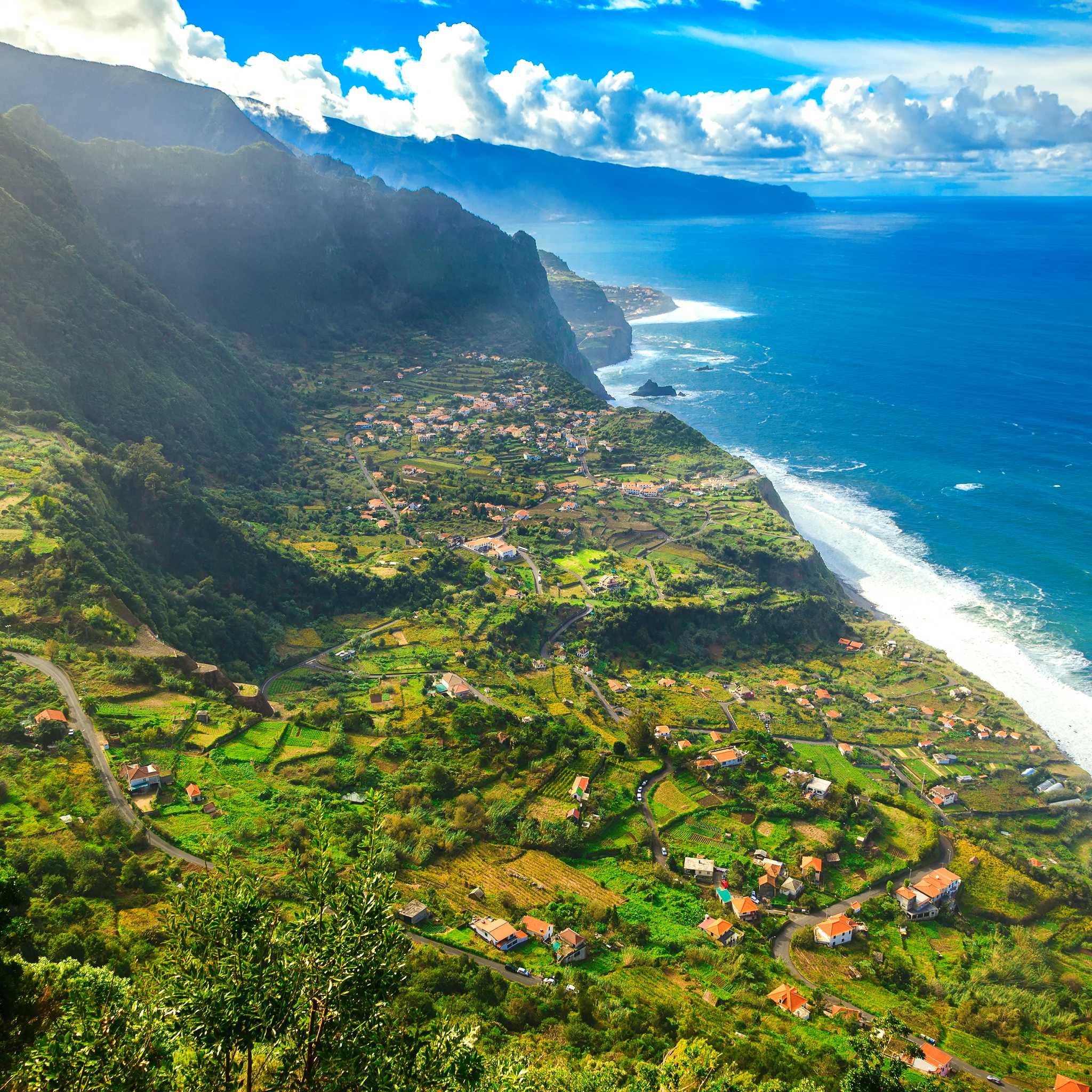
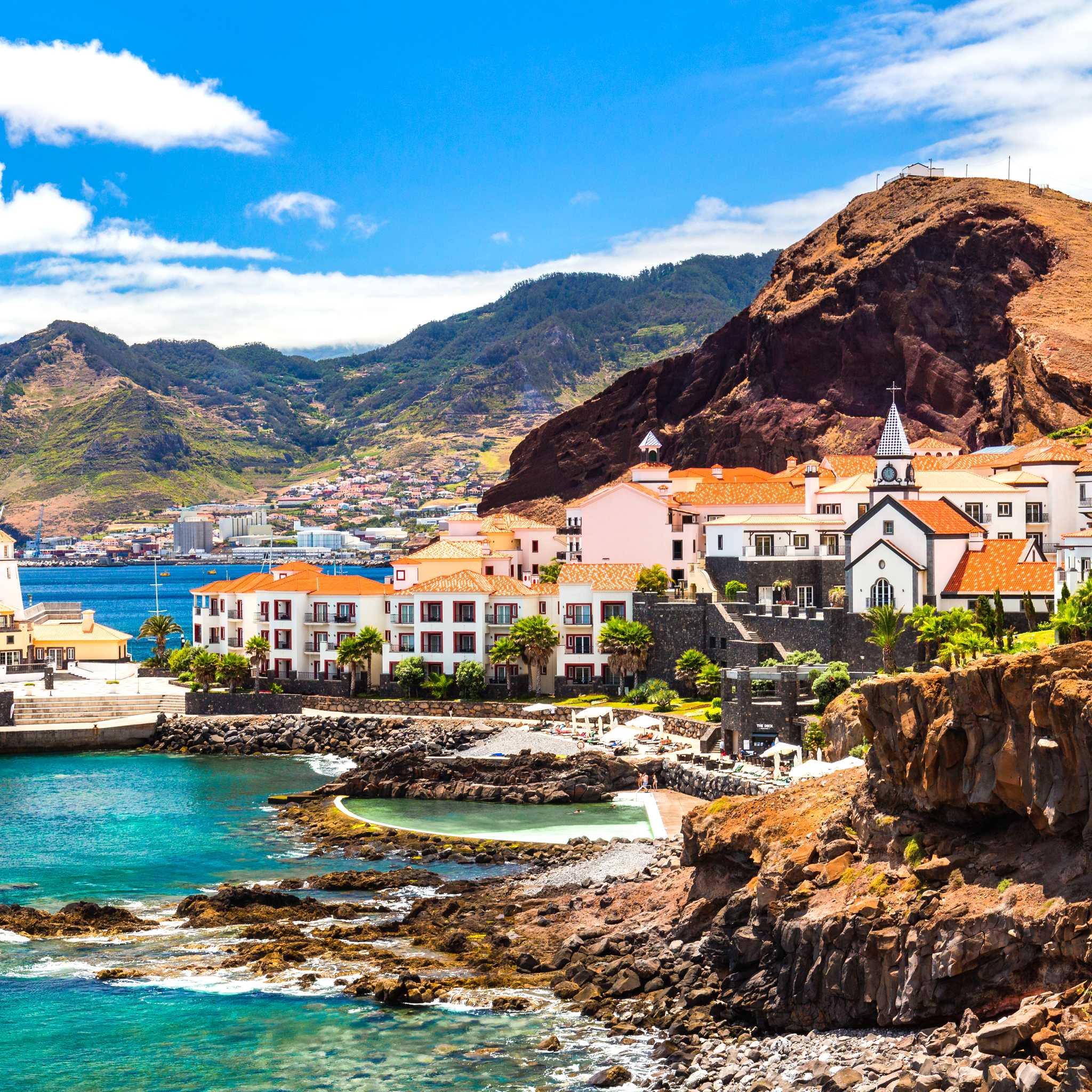
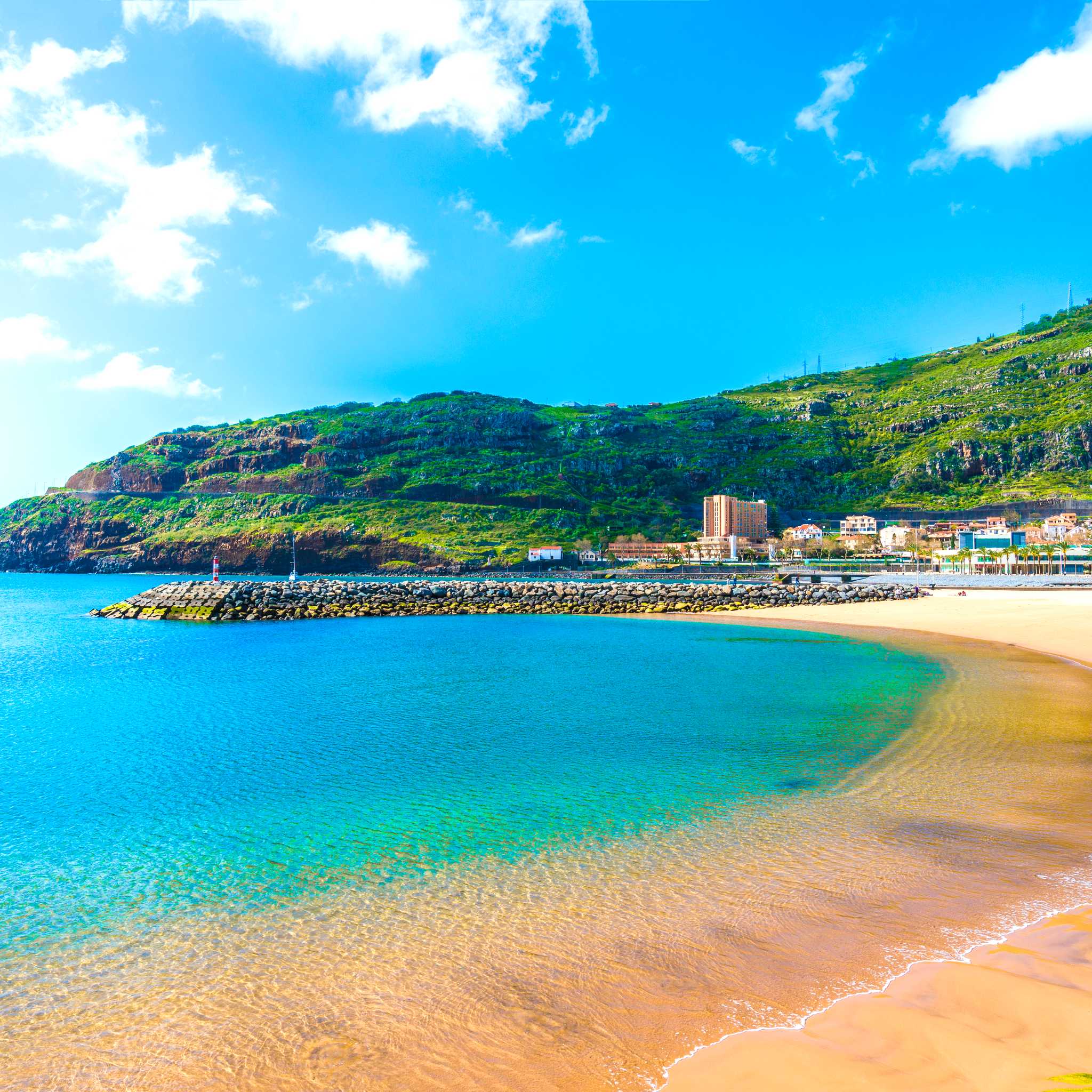
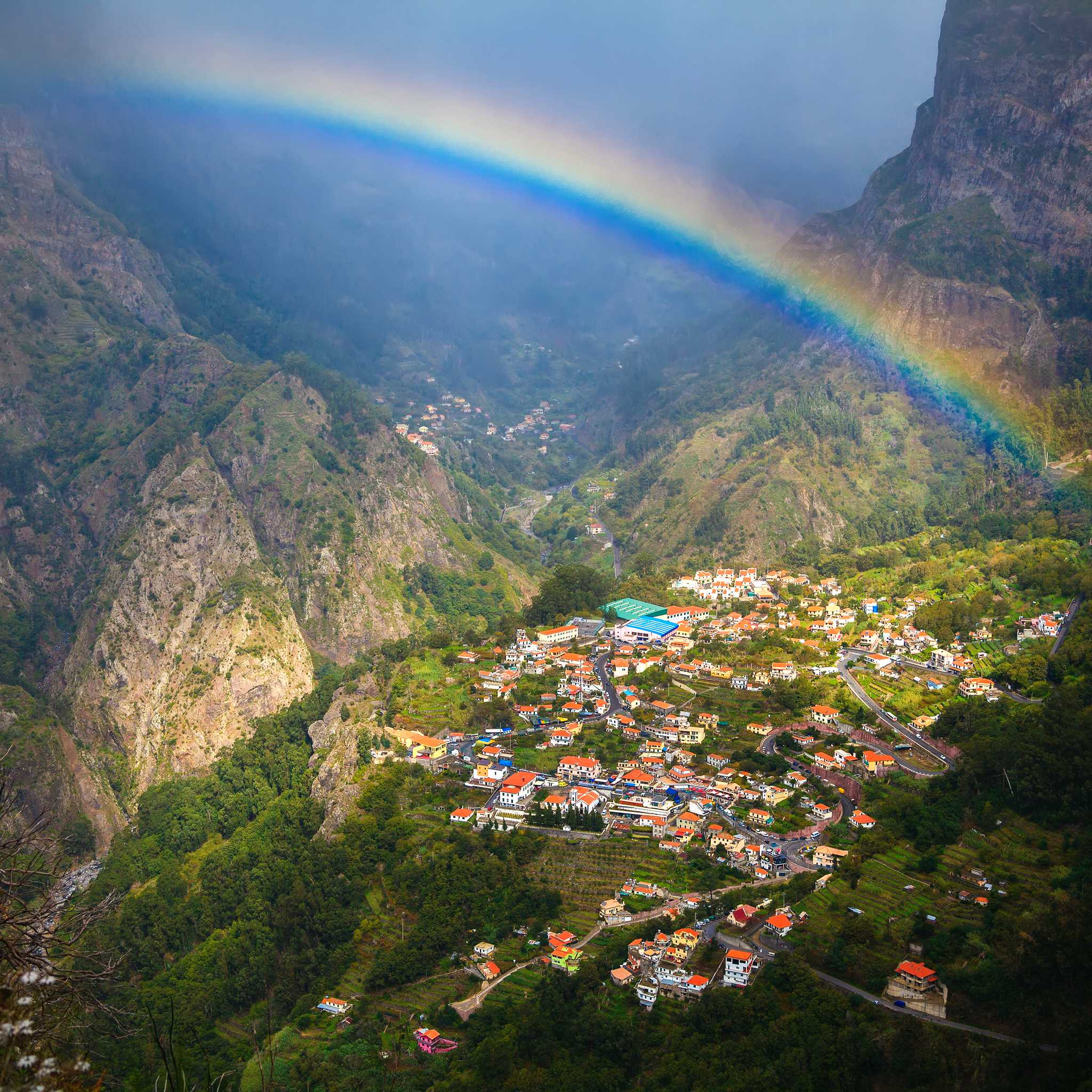
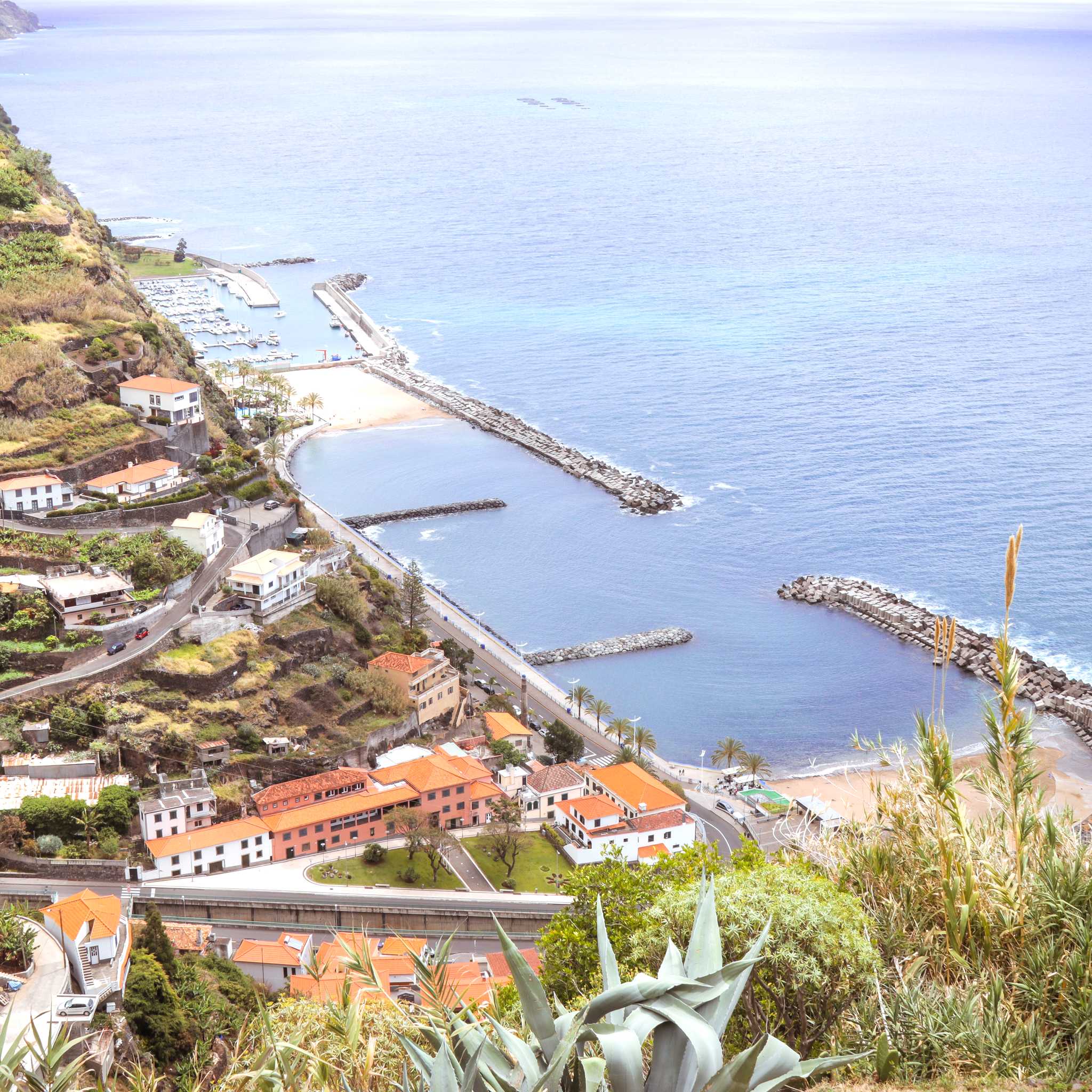
Yes, Funchal is the best base for exploring Madeira. It has the widest selection of accommodation, restaurants, and transport connections. The island is compact, with most highlights reachable in under an hour by car. Popular day trips from Funchal include the Pico do Arieiro to Pico Ruivo mountain ridge hike, the dramatic cliffs of Cabo Girao, the natural lava pools at Porto Moniz, and the eastern peninsula of Ponta de Sao Lourenco. Car rental is the most flexible way to explore the island.
Funchal is one of Portugal's safest cities and is consistently welcoming to international visitors. Crime is rare, the streets are well-lit, and the city is comfortable to explore on foot, including for solo travelers, families, and older visitors. The hilly terrain can be steep in parts, and some of Madeira's coastal hiking trails require care due to narrow paths and sheer drops, but the city itself presents no significant safety concerns.
Key highlights include the Mercado dos Lavradores (a vibrant market filled with exotic fruits, flowers, and fresh fish), the Monte Palace Tropical Garden (reached by cable car from the waterfront), the wicker toboggan ride down from Monte to the city below, and the historic Old Blandy Wine Lodge for a Madeira wine tasting. The Zona Velha (Old Town) is famous for its painted doors street art and lively restaurant scene. The Se Cathedral (15th century) and the Museu de Arte Sacra are also worth a visit.
Portugal uses the euro (EUR), and this applies to Madeira as an autonomous region of Portugal. Cards are widely accepted across Funchal, including at restaurants, hotels, shops, and most attractions. Smaller markets, local stalls, and some taxi drivers may prefer cash, so it's handy to have some euros on hand.
Portuguese is the official language of Portugal and Madeira. English is widely spoken in Funchal's hotels, restaurants, and tourist-facing businesses, reflecting the city's long history as an international destination. Outside the main tourist areas, English is less common, and a few words of Portuguese will always be warmly received.
Madeira is an outdoor enthusiast's destination. Levada walks, hikes along the island's historic irrigation channel network -- are accessible from Funchal and range from easy strolls to full-day mountain treks. The Monte Palace Gardens and Palheiro Gardens are ideal for scenic walks among exotic flora. Whale and dolphin watching tours depart from Funchal's marina year-round, and diving, kayaking, and surfing are all popular along the coast. The Pico do Arieiro summit drive offers one of the most dramatic high-altitude views in the Atlantic.
Madeiran cuisine has a distinct character shaped by the island's isolation. Must-tries include espetada (beef skewers traditionally cooked over laurel wood), filete de espada (scabbard fish served with banana, a classic Madeiran pairing), bolo do caco (a flat sweet potato bread, often served with garlic butter), and lapas (grilled limpets with butter and lemon). For drinks, sample poncha (a potent sugarcane spirit mixed with honey and citrus) and of course a glass of aged Madeira wine at one of the city's historic wine lodges.
Madeira's mild climate makes it a year-round destination. Spring (March through June) and autumn (September through November) are widely considered ideal, with comfortable temperatures, lush green landscapes from seasonal rains, and quieter conditions than summer. July and August bring the largest crowds and higher accommodation prices. The island's famous New Year's Eve fireworks display draws visitors from across Europe each December. The Flower Festival in May, featuring elaborate floral parades through Funchal, is a highlight of the spring calendar.