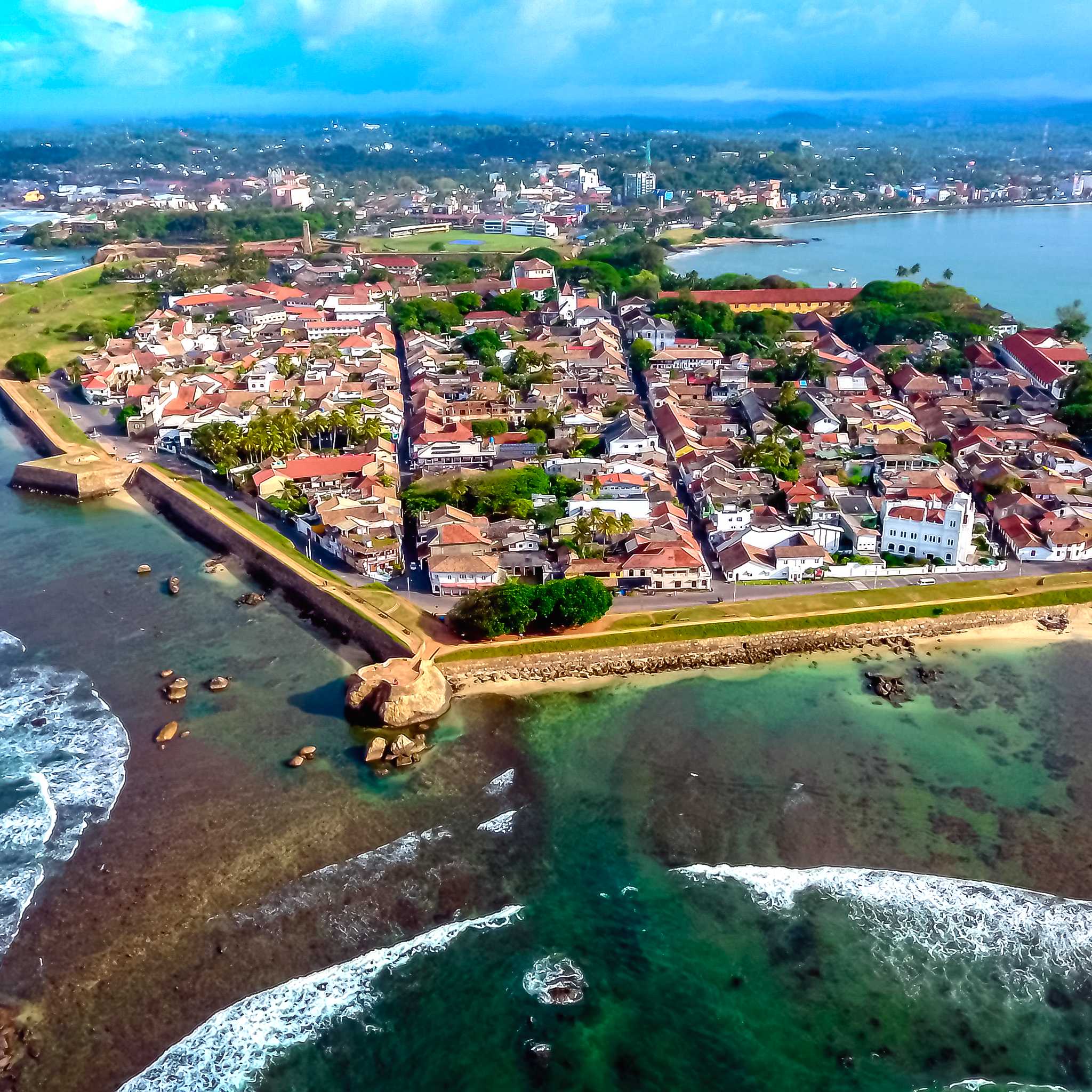
Galle Fort is compact and best explored on foot, with most sights within easy walking distance. The streets and ramparts are paved but uneven in places and partly cobbled, which can be bumpy for strollers and wheelchairs, and some rampart sections involve steps. Early morning or late afternoon walks are most comfortable, as the midday sun can feel very hot.
Galle is considered a safe and welcoming destination, and Sri Lanka is generally a safe country for visitors. Petty theft is uncommon but possible, so keep an eye on valuables in crowded spots. Take normal care swimming, as some beaches have strong currents. Friendly locals and a relaxed atmosphere mean families and solo travelers usually feel very comfortable here.
Tipping is appreciated in Sri Lanka and forms part of the culture, though it is not strictly required. Many restaurants add a 10 percent service charge, but leaving a little extra for good service is welcome. Small tips for drivers, guides and hotel staff are customary and warmly received. Carrying small rupee notes makes tipping easy as you go.
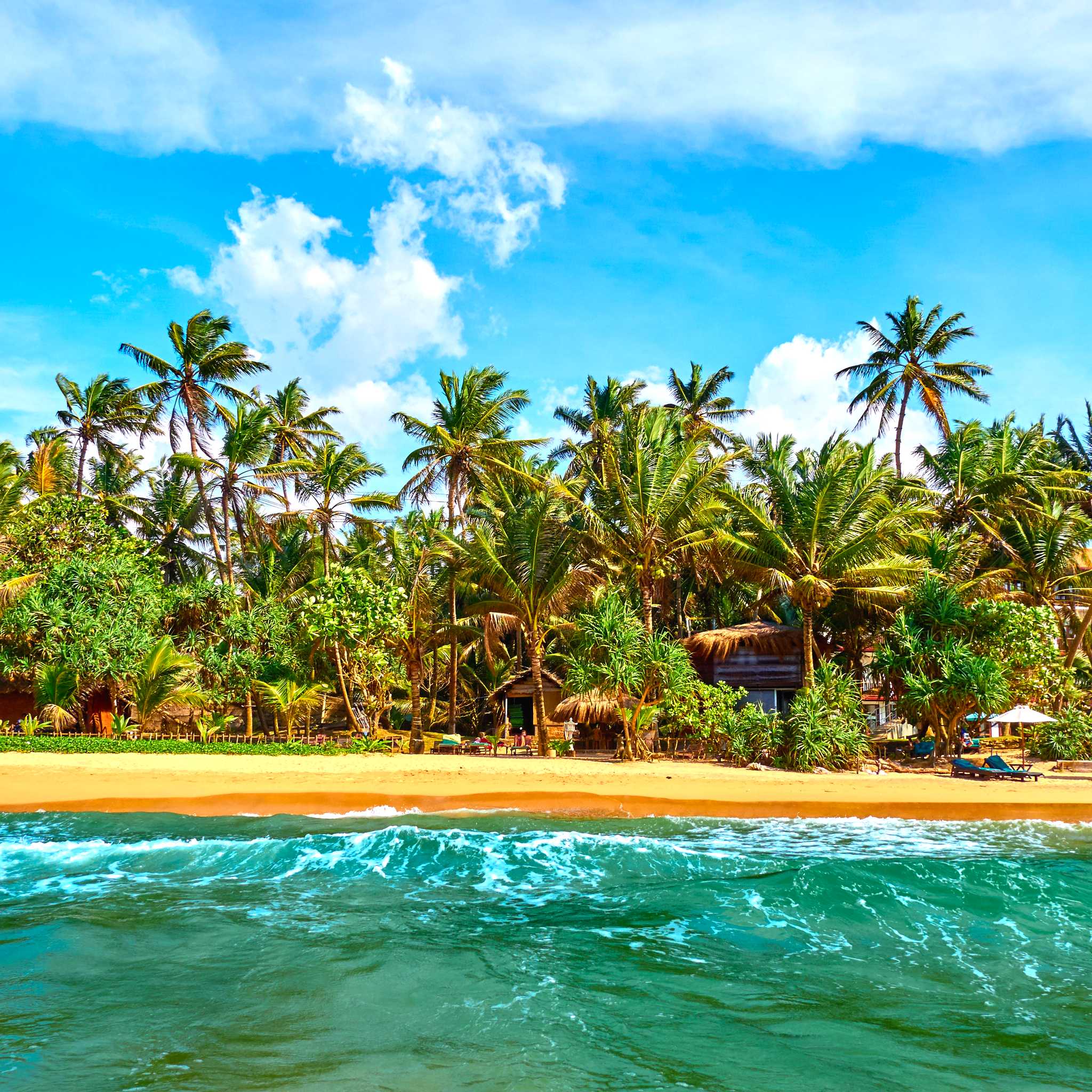
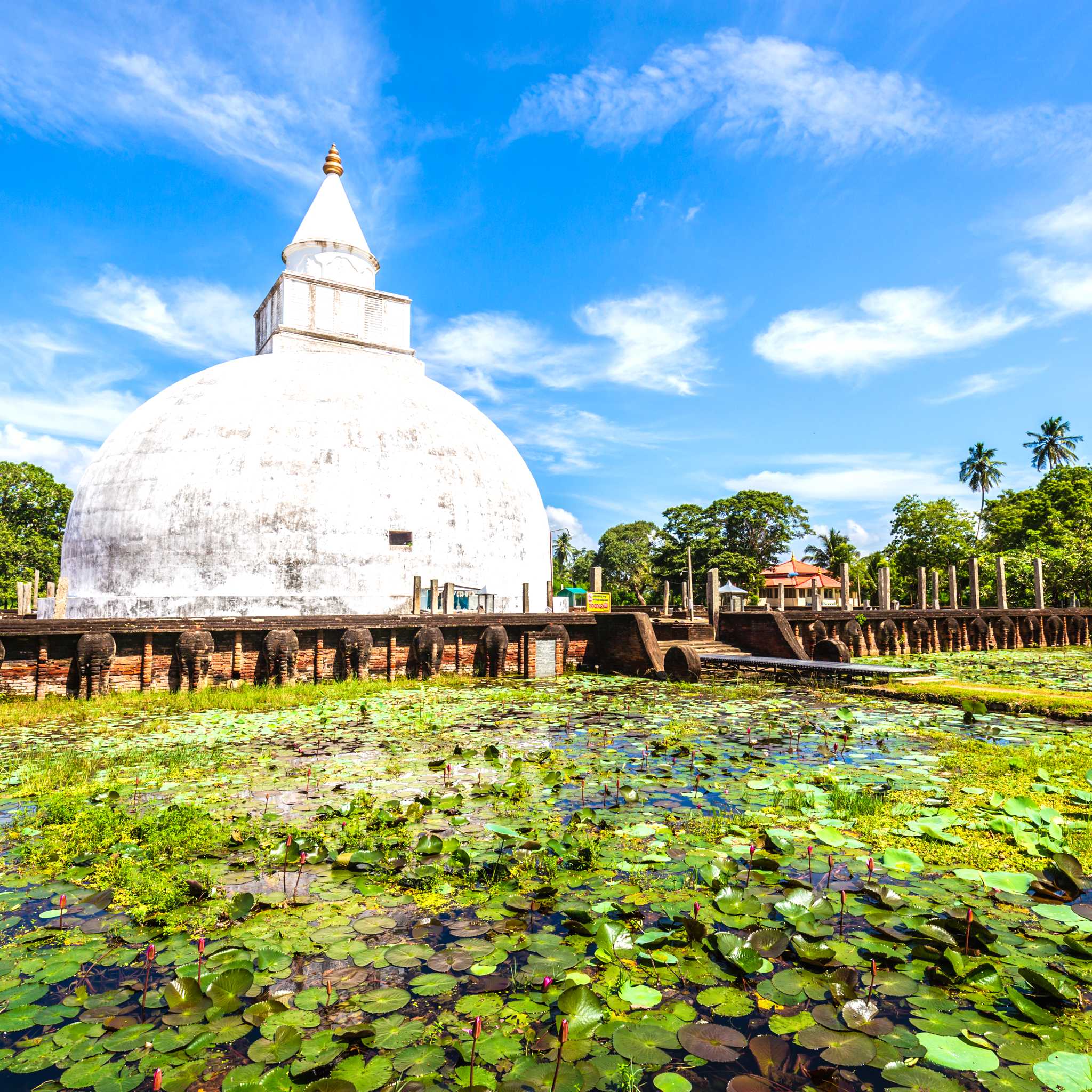
Galle Fort is the heart of any visit, with its historic ramparts, the iconic white lighthouse and Flag Rock, where sunsets are spectacular. Wander the colonial streets past the Dutch Reformed Church and the restored Dutch Hospital, now full of cafes and shops. Nearby, beaches like Unawatuna and Jungle Beach are a short drive away for a relaxed afternoon.
Sri Lanka uses the Sri Lankan rupee (LKR). Inside Galle Fort, many boutique hotels, restaurants and shops accept cards, but smaller cafes, tuk-tuk drivers and market vendors usually prefer cash. It is wise to carry rupees for day-to-day spending, and ATMs are available in Galle. Exchanging some money on arrival makes getting around much easier.
Sri Lanka has two official languages, Sinhala and Tamil, with Sinhala most widely spoken in the Galle area. English is commonly used in tourism, so you will find it spoken in many hotels, restaurants and shops. Learning a few Sinhala words, such as ayubowan for hello and istuti for thank you, is a friendly touch that locals appreciate.
Sri Lankan cuisine is full of flavor. Try rice and curry served with many small dishes, fresh seafood along the coast, and hoppers, bowl-shaped rice pancakes often topped with an egg. Sample kottu, chopped flatbread stir-fried with vegetables and spices, and cool down with fresh king coconut water. Spicy coconut sambol adds a tasty kick to many meals.
The best time to visit Galle is during the dry season, roughly December to March, when warm, sunny days are ideal for walking the fort and relaxing on the beaches. The southwest monsoon brings heavier rain from about May to September. The weather stays hot and tropical year-round, so light clothing and sun protection are always a good idea.