Glyfada is considered a safe and welcoming destination. As one of Athens' most affluent suburbs, it has a well-maintained environment and a noticeable local police presence. Standard city precautions apply: be mindful of your belongings in crowded shopping areas and public transport. Solo travelers, families, and first-time visitors to Greece consistently find Glyfada comfortable and approachable.
The main shopping streets and seafront promenade are largely flat and paved, making Glyfada reasonably accessible for strollers and wheelchairs. Some older side streets have uneven surfaces. Public beaches offer free-access areas that are easier to navigate than some organized beach clubs. The tram line from central Athens is a convenient and accessible way to reach the suburb.
Tipping in Greece is customary but not obligatory. In restaurants, leaving around 10 percent of the bill is a polite gesture for good service, typically left in cash on the table rather than added to a card payment. At cafes, rounding up the bill is common. Hotel housekeeping staff appreciate a small tip of one or two euros per day.
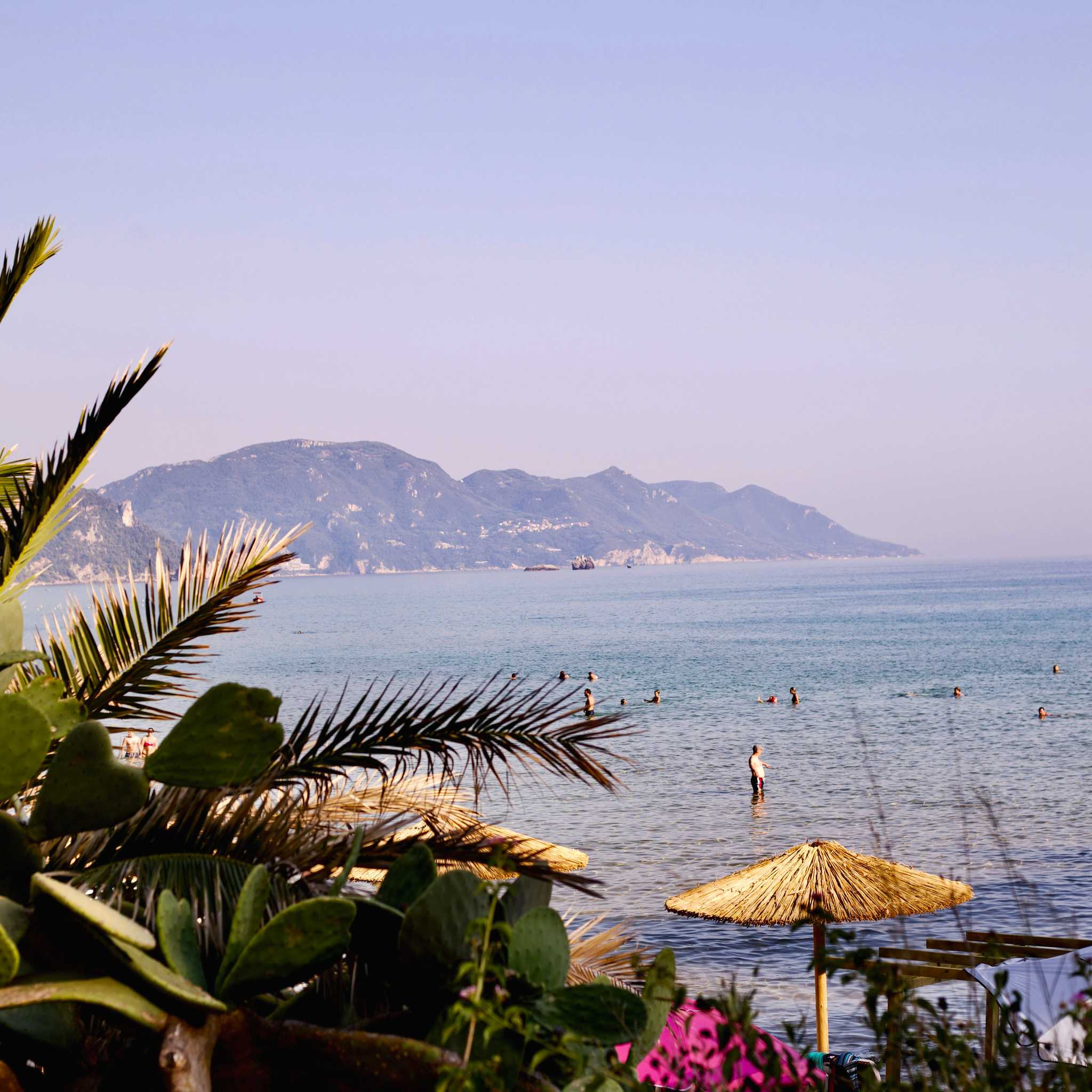
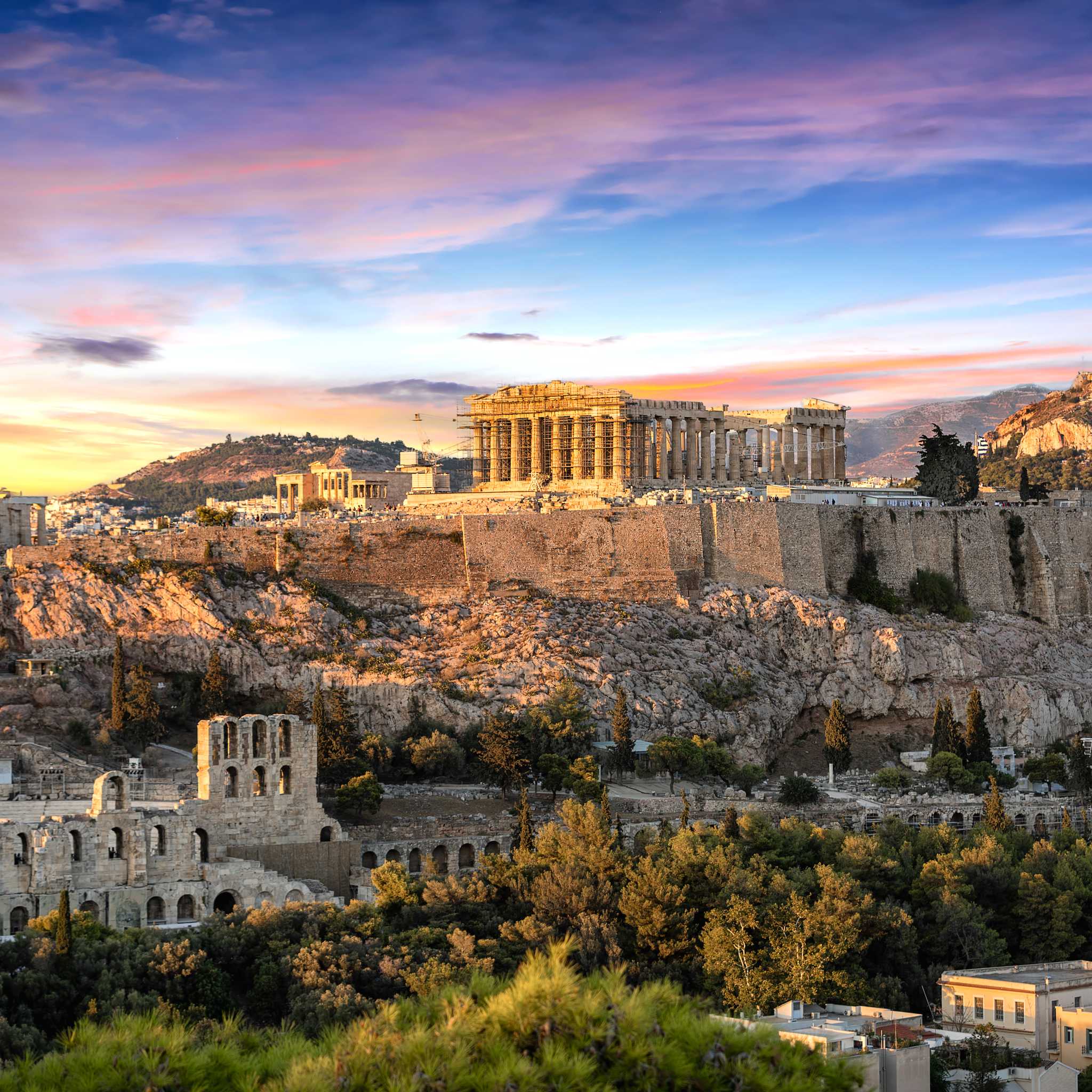
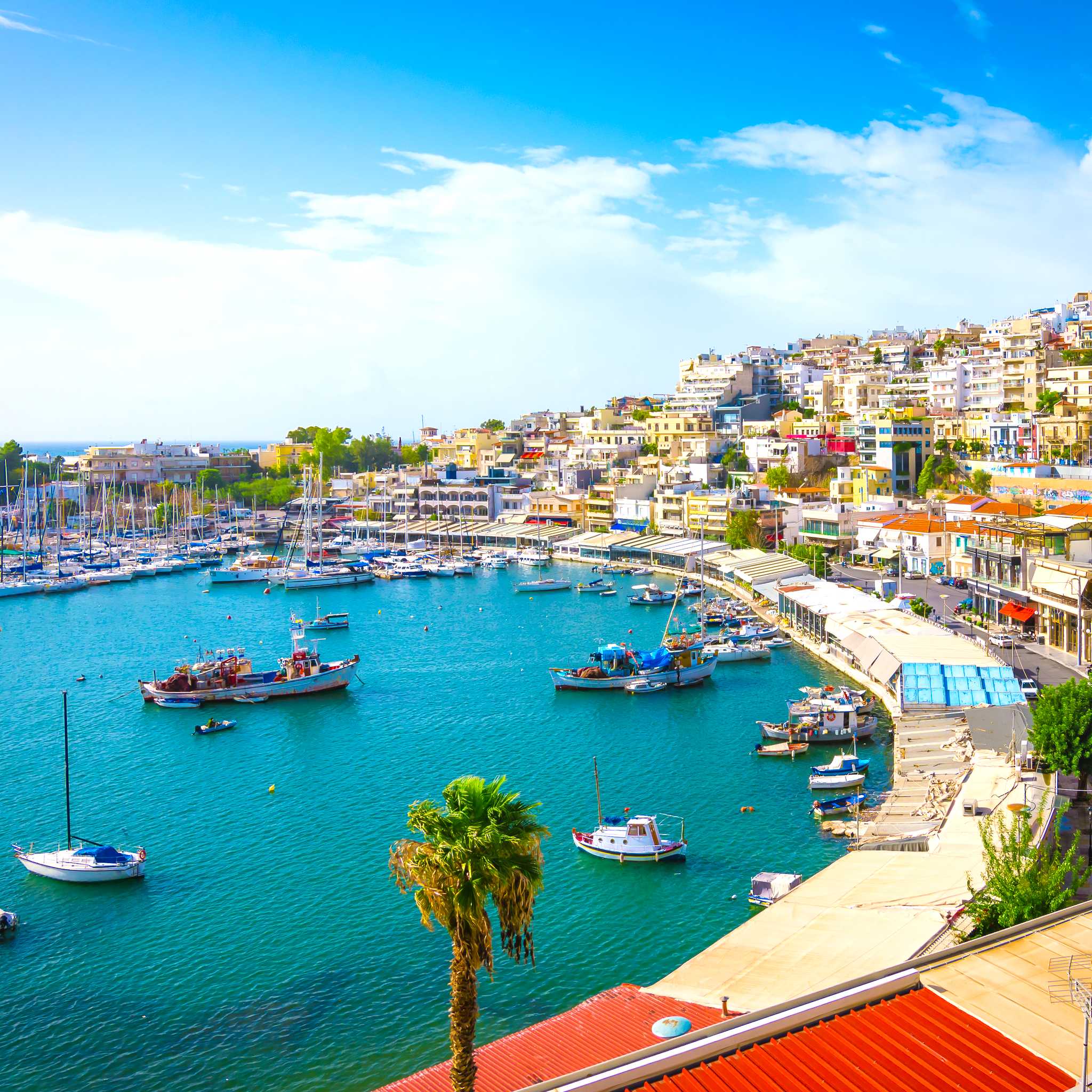
Highlights include Asteria Beach, one of the most iconic beach clubs on the Athens Riviera, the Archelon Sea Turtle Rescue Centre at the marina, and the weekly Thursday farmers market on Lazaraki Street. The suburb is also a great base for day trips to the Temple of Poseidon at Cape Sounion, the coastal villages of Vouliagmeni and Varkiza, and central Athens.
Greece uses the euro (EUR) as its official currency. Credit and debit cards are widely accepted at most restaurants, shops, and hotels in Glyfada. ATMs are readily available throughout the suburb. Carrying some cash is still helpful for local markets, small cafes, and the popular Thursday street market on Lazaraki Street.
Greek is the official language of Greece. In Glyfada, English is widely spoken thanks to the area's cosmopolitan character and long-standing international influence. Most hotel staff, shop owners, and restaurant servers communicate comfortably in English, making it one of the more visitor-friendly neighborhoods in the Athens area.
Glyfada has a vibrant food scene ranging from traditional tavernas to international restaurants. For classic Greek flavors, look for fresh seafood, grilled octopus, spanakopita (spinach and feta pastry), and souvlaki. Many waterfront restaurants serve mezedes, the Greek equivalent of tapas, which are ideal for sampling a variety of local flavors in one sitting.
Late spring (May and June) and early autumn (September and October) offer the best combination of warm weather, calm seas, and manageable crowds. Summer is lively but hot, with busy beaches and a buzzing social scene. Glyfada is enjoyable year-round thanks to its shopping and dining, but beach activities are best from May through October.