The Golden Triangle is a rural, spread-out area rather than a compact town, so a vehicle is the easiest way to reach the main sights. The riverside viewpoint area is flat and walkable, but temple visits often involve climbing steps. Wheelchair and stroller access is limited on uneven ground and at hilltop temples, so plan for some uneven terrain.
The Golden Triangle is a safe, welcoming area for visitors, and Thailand is generally a very safe country. Petty theft is rare but possible in crowded spots, so keep an eye on your belongings. Take normal care on boats and near the river. The nearby international borders are managed areas, so simply follow local guidance and signage.
Tipping is not traditionally required in Thailand, but it has become a kind and common gesture. Rounding up the bill or leaving small change at restaurants is appreciated, and larger restaurants may add a service charge. A small tip for friendly service is always welcome, though never demanded, so you can tip comfortably at your own discretion.
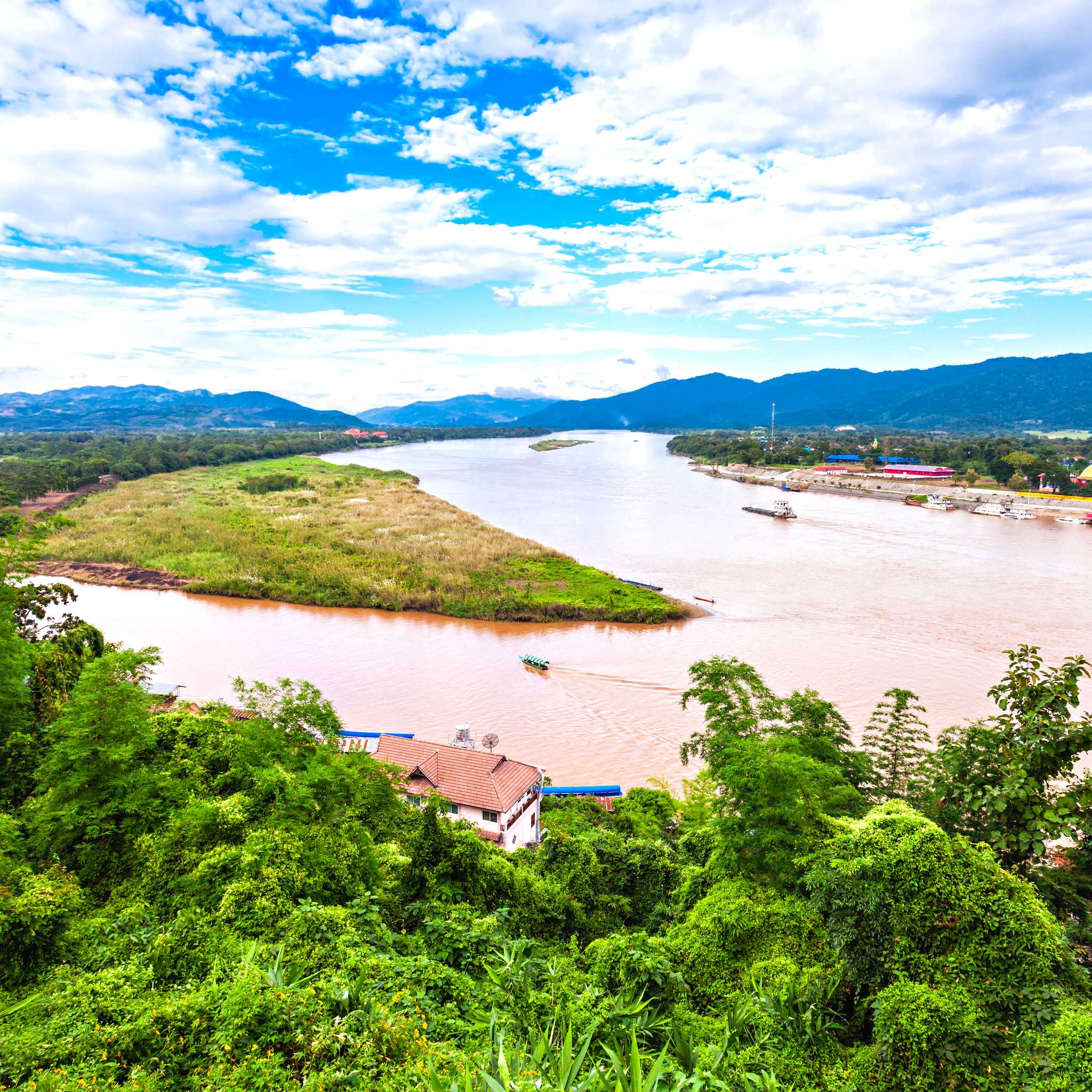
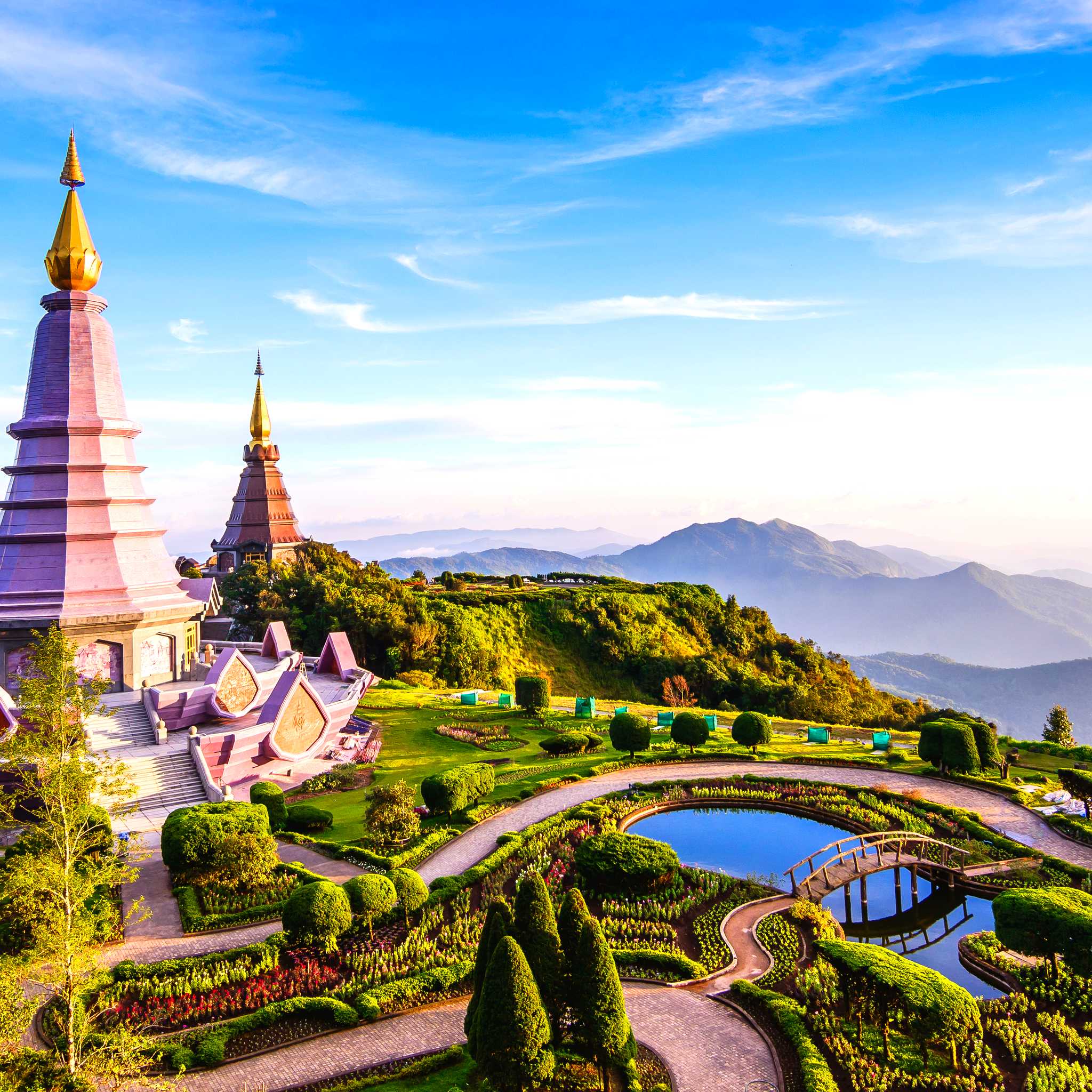
The main highlight is the viewpoint where Thailand, Laos and Myanmar meet at the river confluence, often marked by a giant golden Buddha. Take a longtail boat trip on the Mekong, climb to hilltop temples like Wat Phra That Pu Khao, and visit the Hall of Opium museum to learn the region's history. The Historic city of Chiang Saen is also nearby.
Thailand uses the Thai baht (THB). Cash is king in the rural Golden Triangle area, where many small vendors, markets and riverside stalls do not take cards. Larger hotels and restaurants may accept cards, but it is best to carry enough baht for the day. ATMs are available in nearby Chiang Saen and Chiang Rai city.
The official language is Thai. In the Golden Triangle and around Chiang Rai, English is spoken at hotels, museums and places used to welcoming visitors, but less so in small villages and markets. Learning a few Thai phrases is appreciated, and a translation app helps with daily interactions.
Northern Thai cuisine is the star here. Try khao soi, a rich curry noodle soup, sai ua, a herby grilled sausage, and nam prik ong, a tomato and pork dip. Sticky rice accompanies many dishes. Riverside restaurants serve fresh fish from the Mekong, and the wider region is also known for its locally grown tea and coffee.
The cool, dry season from November to February is the most comfortable time to visit, with pleasant weather ideal for river trips and sightseeing. March to May is hot, and the rainy season from June to October brings lush green scenery but frequent downpours. For clear river views and easy travel, the cool season is the favorite.