Gothenburg-Landvetter Airport sits about 15 miles, or 25 kilometers, southeast of the city center. By car or taxi the drive takes roughly 25 minutes via national road 40. The airport coach reaches the central Nils Ericson terminal in around 25 to 30 minutes, depending on traffic. It is an easy, quick connection into the city.
Gothenburg and Sweden generally are considered very safe, with low crime and a well-organized, reliable public transport system. Use the same common sense you would in any city: watch for pickpockets in crowded areas and keep an eye on belongings at the airport and stations. Emergency services can be reached by dialing 112.
Gothenburg is flat, compact, and very walkable, with an extensive tram and bus network that is largely accessible for wheelchairs and strollers. The airport and city transport are modern and step-free in most areas. Cobblestones in the historic Haga district can be a little bumpy, but overall the city is easy and comfortable to get around.
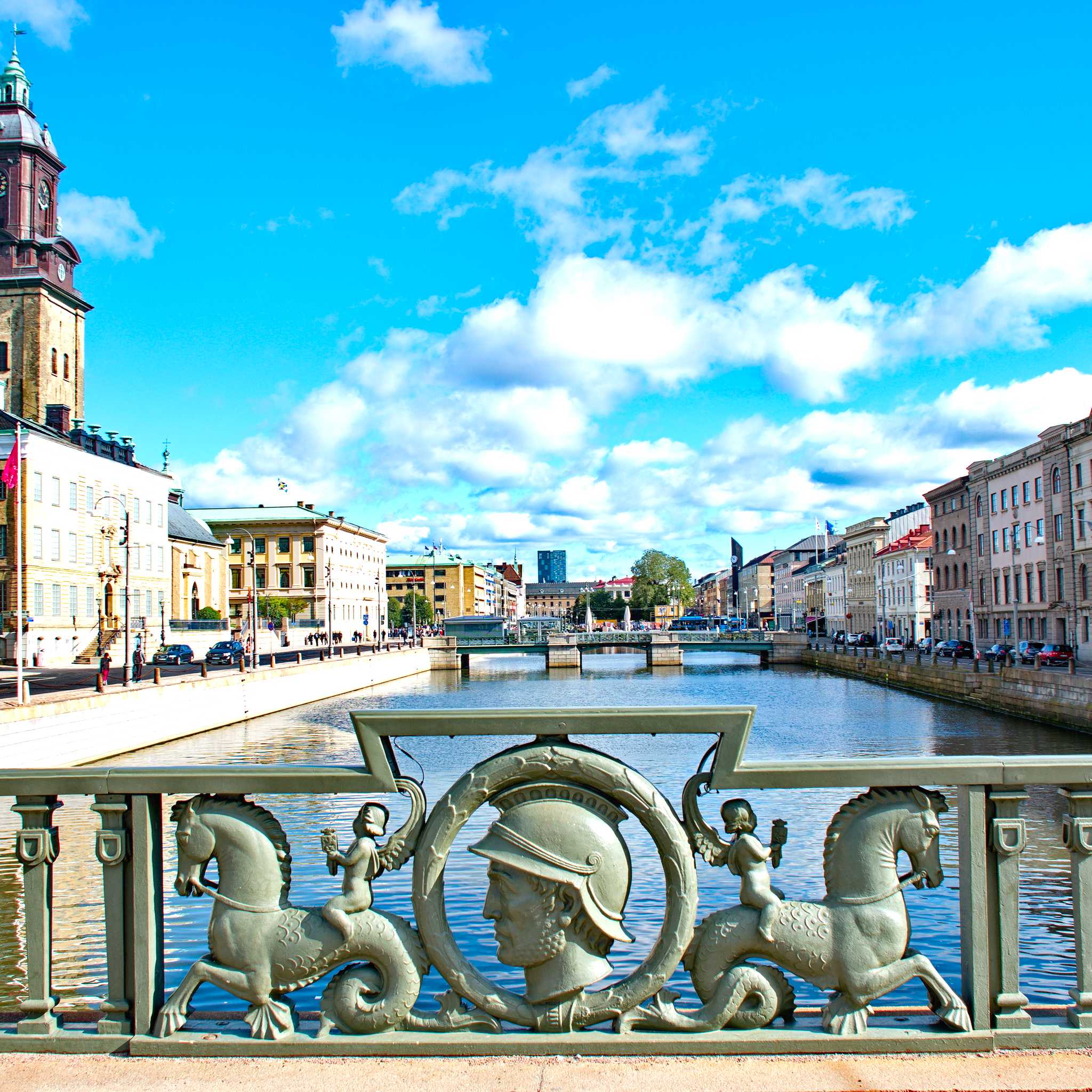
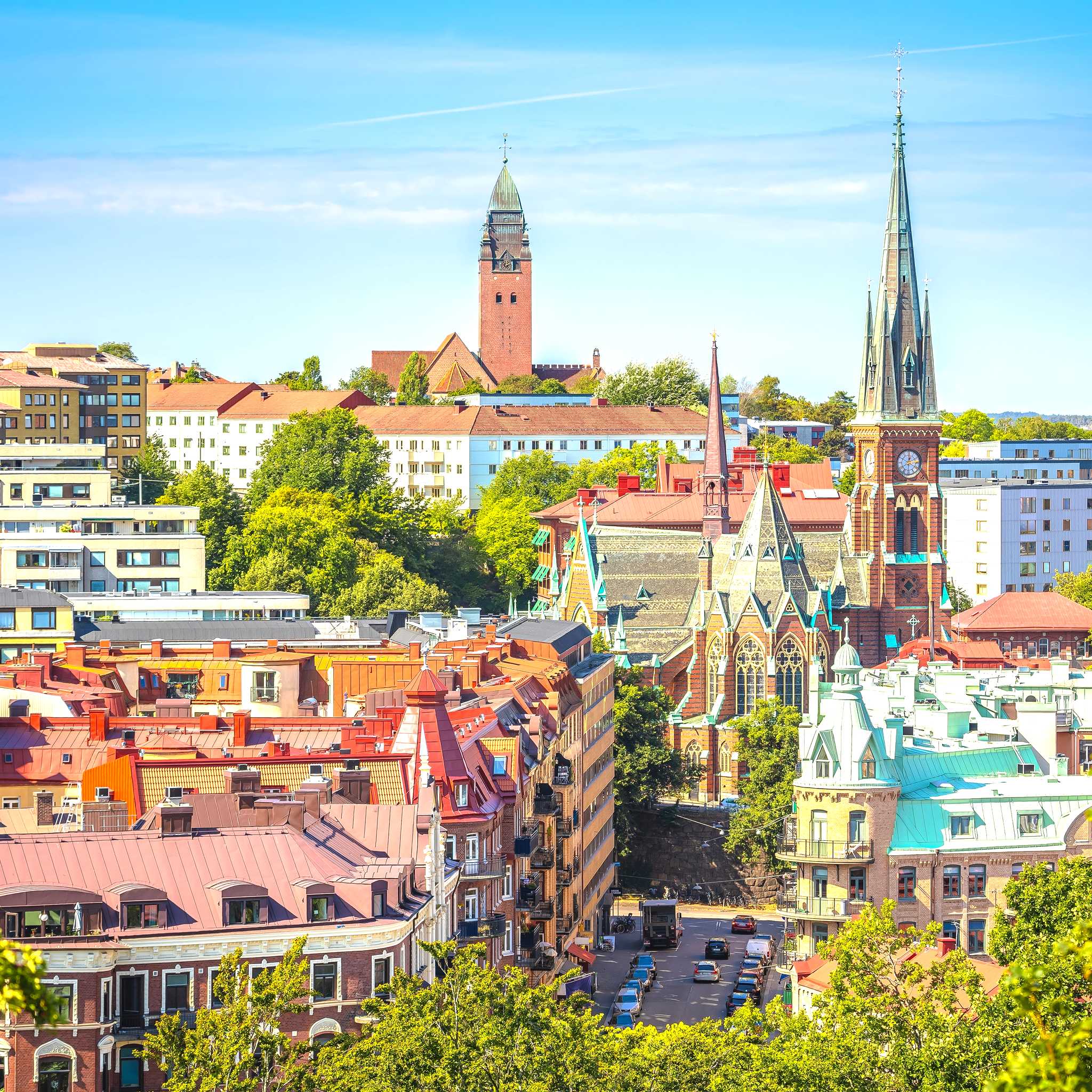
Stroll the grand Avenyn boulevard, ride a vintage tram, and explore the Haga district's wooden houses and cafes. Families enjoy Liseberg amusement park, while food lovers head to the Feskekorka fish market. Take a boat to the rugged southern archipelago for fresh sea air, seafood, and a relaxed island feel just offshore from the city.
Sweden uses the Swedish krona, abbreviated SEK. The country is largely cashless, so credit and debit cards, including contactless and mobile payment, are accepted almost everywhere, from the airport to city shops and restaurants. You rarely need cash. Avoid airport currency exchange, which often has poor rates, and simply pay by card instead.
Swedish is the official language of Sweden. English is very widely spoken, and most Swedes speak it fluently, so visitors rarely face a language barrier at the airport, in Gothenburg, or beyond. Signs and announcements are often in both Swedish and English, making travel straightforward for international visitors.
Sweden's west coast is known for seafood, so try fresh shrimp, mussels, and oysters. Sample Swedish classics like meatballs with lingonberry, gravlax, and herring, plus cinnamon buns during a "fika," the beloved coffee-and-pastry break. Gothenburg has a strong dining scene, from casual market stalls to award-winning restaurants featuring regional ingredients.
Late spring through summer, roughly May to August, is the most popular time, with long daylight hours, mild weather, and lively outdoor life. Summer brings festivals and full access to the archipelago. Autumn and winter are cooler and darker but atmospheric, with cozy cafes and Christmas markets. Pack layers, as weather on the west coast can be changeable.