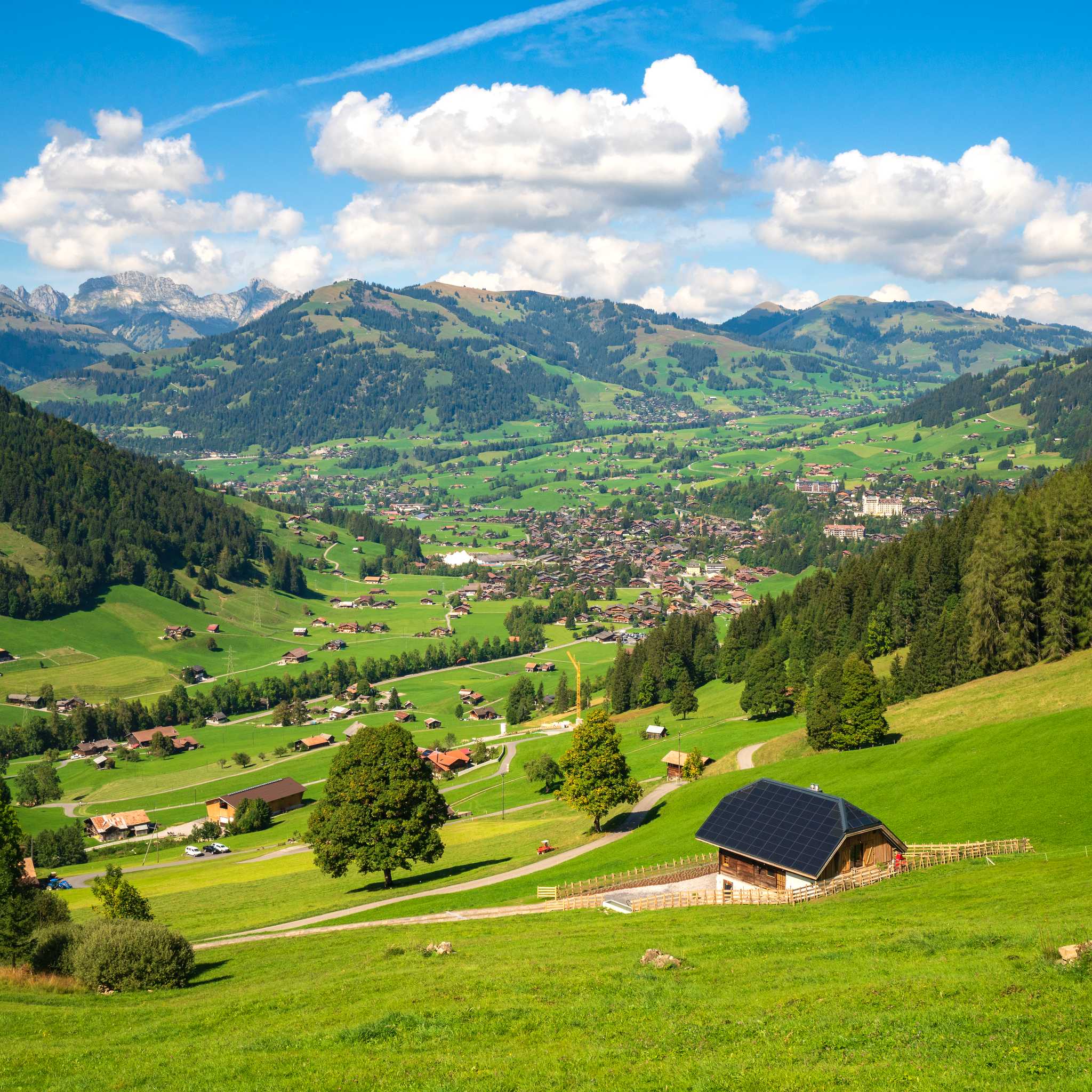
Gstaad has good accessibility infrastructure in main areas, with modern lifts and accommodations meeting accessibility standards. However, mountain terrain and some traditional buildings may present challenges. Many cable cars and hiking paths accommodate wheelchairs, but checking specific accessibility before visiting is advisable.
Gstaad is extremely safe with virtually no crime concerns for travelers. Standard mountain safety precautions apply for outdoor activities. Emergency services are excellent, and the resort infrastructure ensures visitor safety year-round with well-maintained facilities and clear signage.
Tipping in Switzerland is not mandatory as service charges are included in bills. However, rounding up restaurant bills or adding 5-10% for exceptional service is appreciated. Hotel porters and taxi drivers may receive small tips for helpful service, typically 2-5 francs.
Traditional dishes include fondue, raclette, rosti (potato dish), and alpine cheese varieties. Gstaad's restaurants serve both rustic mountain fare and haute cuisine. Local specialties include air-dried meats, fresh mountain trout, and decadent Swiss chocolate desserts.
Key attractions include the Glacier 3000 with its suspension bridge, Gstaad Palace hotel, luxury shopping, and numerous hiking trails. Winter brings skiing on four mountains, while summer offers alpine adventures, tennis tournaments, and the famous Menuhin Festival of classical music.
The official currency of Switzerland is the Swiss franc (CHF). Credit cards are widely accepted in Gstaad, though some smaller mountain huts prefer cash. ATMs are available, but Switzerland is generally expensive, so budget accordingly for this luxury destination.
Switzerland has four official languages: German, French, Italian, and Romansh. In Gstaad, Swiss German is predominant, but standard German, French, and English are commonly spoken in hotels, restaurants, and tourist services due to the international clientele.
Gstaad is a year-round destination. Winter (December-March) offers world-class skiing and snow sports. Summer (June-September) provides hiking, mountain biking, and festivals. Shoulder seasons offer fewer crowds and moderate weather for outdoor activities and sightseeing.