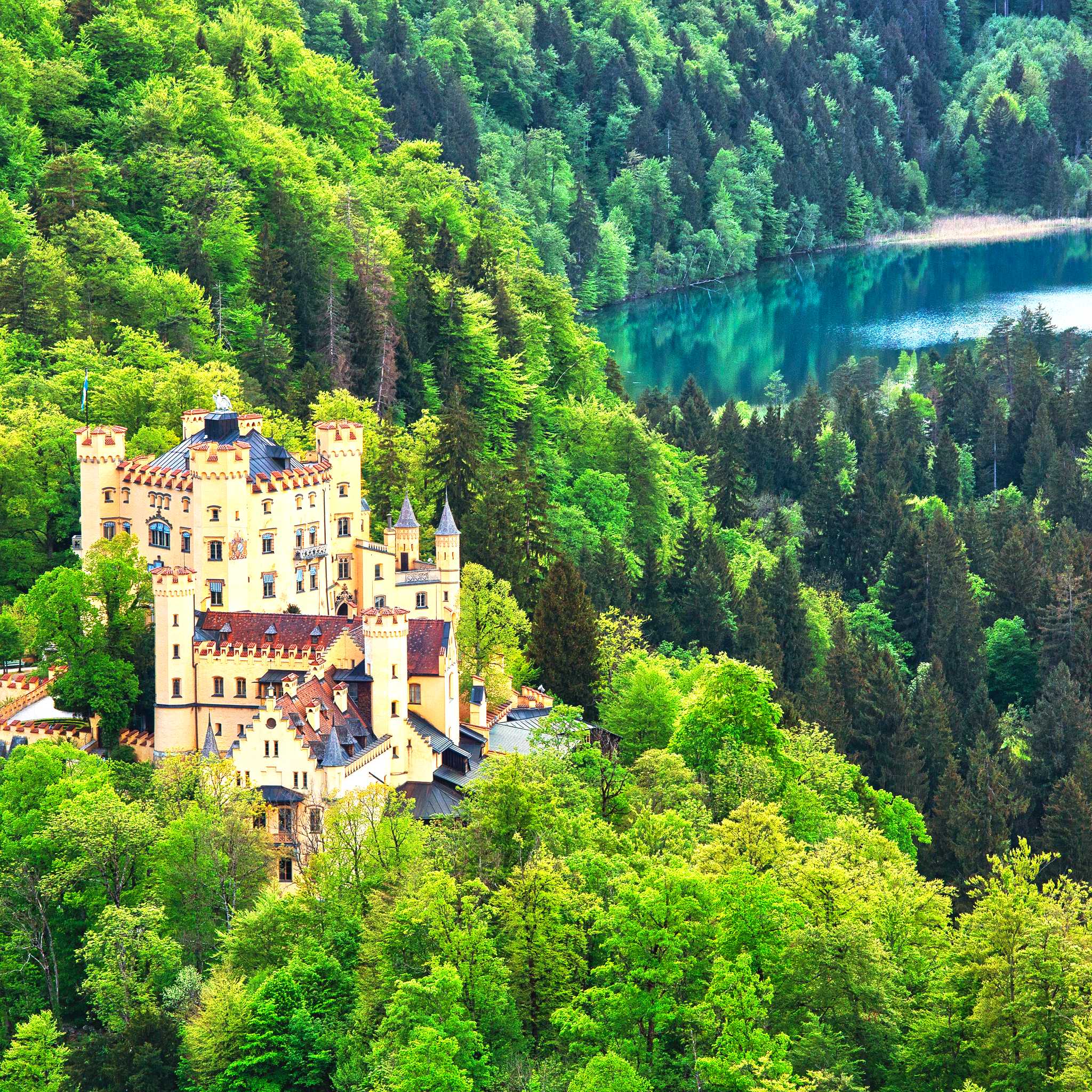
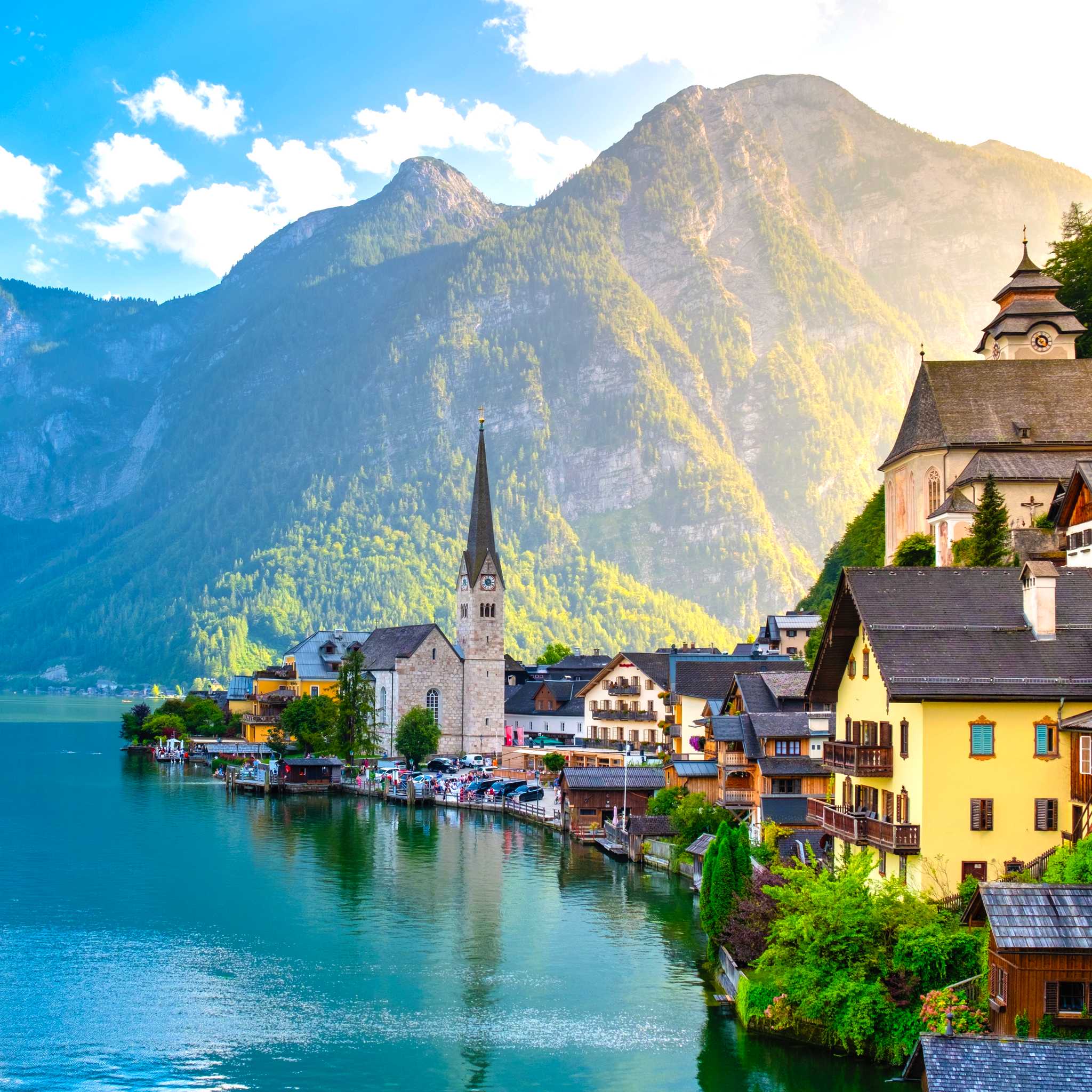
Yes, the area around Hohenschwangau is excellent for outdoor exploration. The Alpsee lake offers flat, easy walks along its shores and is perfect for families. The hike up to Marienbrucke (Queen Mary's Bridge) provides iconic views of Neuschwanstein. Mount Tegelberg offers a gondola ride and more challenging trails, while the surrounding Alpine countryside is popular with cyclists.
Yes, booking in advance is strongly recommended, especially between May and September. Tickets for both Hohenschwangau Castle and Neuschwanstein Castle sell out quickly, particularly on weekends and during school holidays. Timed entry tickets are available online through the official ticketing website. Walk-up tickets on the day are possible but not guaranteed, especially in summer.
Hohenschwangau is a wonderful destination for families. Children are often captivated by the fairy-tale setting of the castles, and the Alpsee lake is safe and calm for paddling or a lakeside picnic. Be aware that visiting both castles involves some uphill walking. The horse-drawn carriage ride up to Hohenschwangau Castle (when in operation) is a popular activity for families with young children.
Germany uses the euro (EUR). Credit and debit cards are widely accepted across most of Germany, though some smaller cafes, souvenir shops, and local vendors in rural areas like Hohenschwangau prefer cash. It is a good idea to carry some euros for smaller purchases, parking fees, and tips. ATMs are available in the nearby town of Fussen.
German is the official language of Germany. In Hohenschwangau and the surrounding area, many staff at major attractions, hotels, and restaurants speak English due to the high volume of international visitors. Castle tours are available in both German and English, and audio guides at the castles are offered in numerous languages.
Hohenschwangau is a small village, and the main attractions are relatively close together. However, the castles themselves sit uphill from the visitor center. You can walk up (allow 20-45 minutes depending on the castle), take a shuttle bus a bit closer (only a 10-15 walk from the stop) for a small fee. Unregistered private cars are not permitted through the historic center.
Bavaria has a rich culinary tradition. Look out for pretzels (Brezn), Weisswurst (white veal sausage traditionally eaten at breakfast), roast pork with crackling (Schweinebraten), hearty dumplings (Knoedel), and apple strudel. The village and nearby Fussen have several restaurants and beer gardens where you can enjoy these classics alongside a locally brewed Bavarian beer or refreshing Radler.
Spring (April to June) and autumn (September to October) are ideal times to visit. The weather is mild, the scenery is beautiful, and crowds are smaller than in peak summer. July and August are the busiest months, with long lines and higher prices. Winter visits offer a magical snowy atmosphere, though some outdoor attractions may be limited and the weather can be cold.