Respect is important in Korean culture. Remove your shoes when entering someone's home. Avoid sitting in designated priority seating on public transit. Greet people with a slight bow. It's polite to use both hands when giving or receiving items, and avoiding loud behavior in public is appreciated.
Modern areas like Songdo and the airport are well equipped with ramps and elevators, making them accessible. Older neighborhoods like Chinatown have narrower, sometimes uneven streets that can be more challenging. Jayu Park involves some hilly terrain. It's worth researching specific sites in advance if accessibility is a priority.
South Korea, including Incheon, is considered a very safe destination. Violent crime is rare, and the city is generally secure even late at night. Standard precautions apply: watch your belongings in crowded areas and stay aware of your surroundings, as you would in any major city.
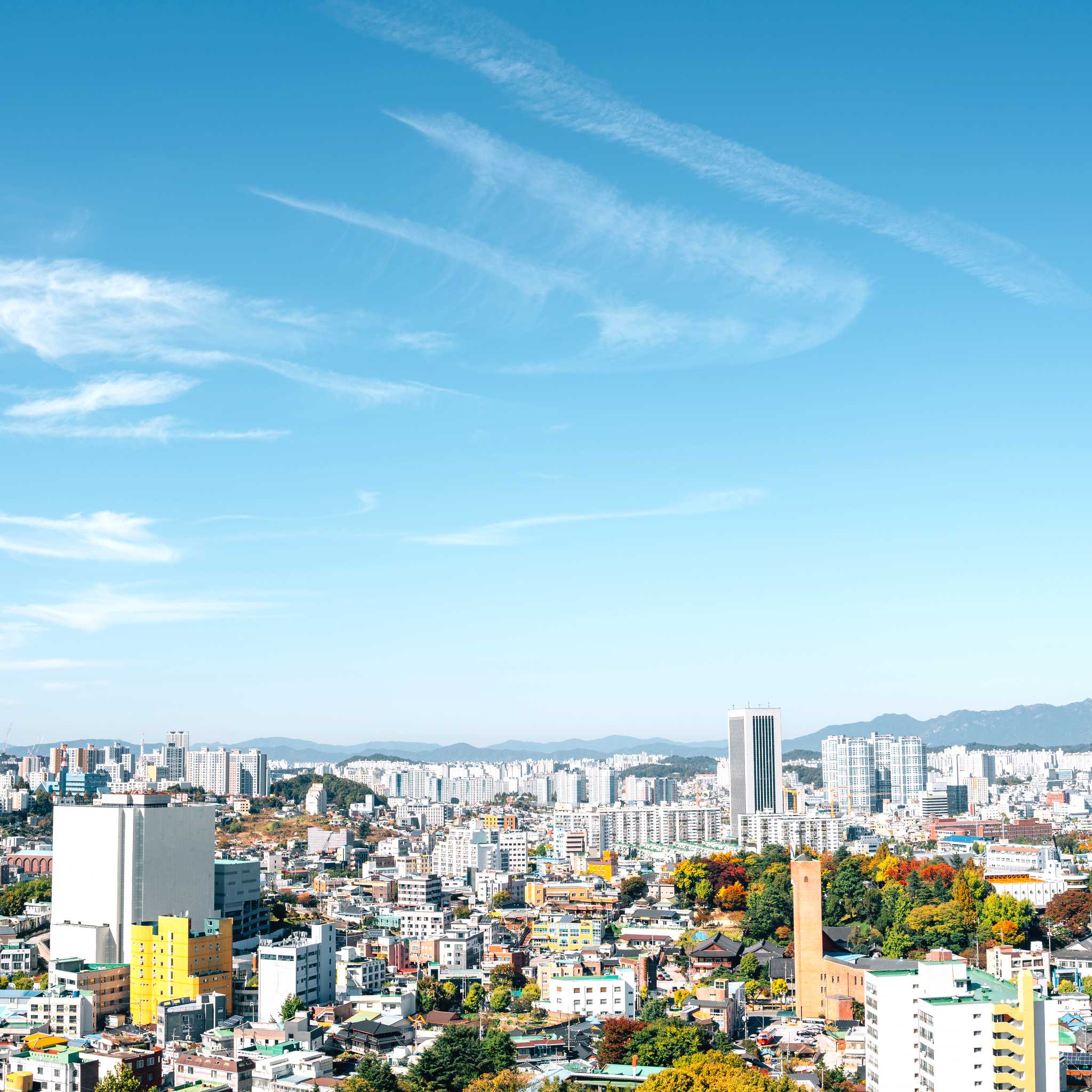
Key attractions include Incheon Chinatown (the only official one in Korea), Jayu (Freedom) Park with sweeping harbor views, Wolmido Island's seaside boardwalk, the Incheon Landing Operation Memorial Hall, Songdo Central Park, and Eurwangni Beach. Nearby Ganghwa Island is also worth a visit for its historic fortifications.
South Korea's currency is the Korean won (KRW). Credit cards are widely accepted in Incheon's hotels, restaurants, and shops. However, it's useful to carry some cash for smaller purchases, markets, and street food stalls. ATMs are readily available, including at Incheon International Airport.
Korean is the official language. In Incheon, airport and major attraction signage is often available in English, and some hospitality staff speak basic English. Outside tourist areas, English is less common, so downloading a translation app like Papago or Google Translate is very helpful.
Incheon is famous for jajangmyeon, a Korean-Chinese noodle dish in black bean sauce, which originated in the city's Chinatown. Also try dakgangjeong (sweet crispy chicken) at Sinpo International Market, fresh seafood at local pojangmacha (street stalls), and jjimdak (braised chicken). Korean street food in general is a highlight.
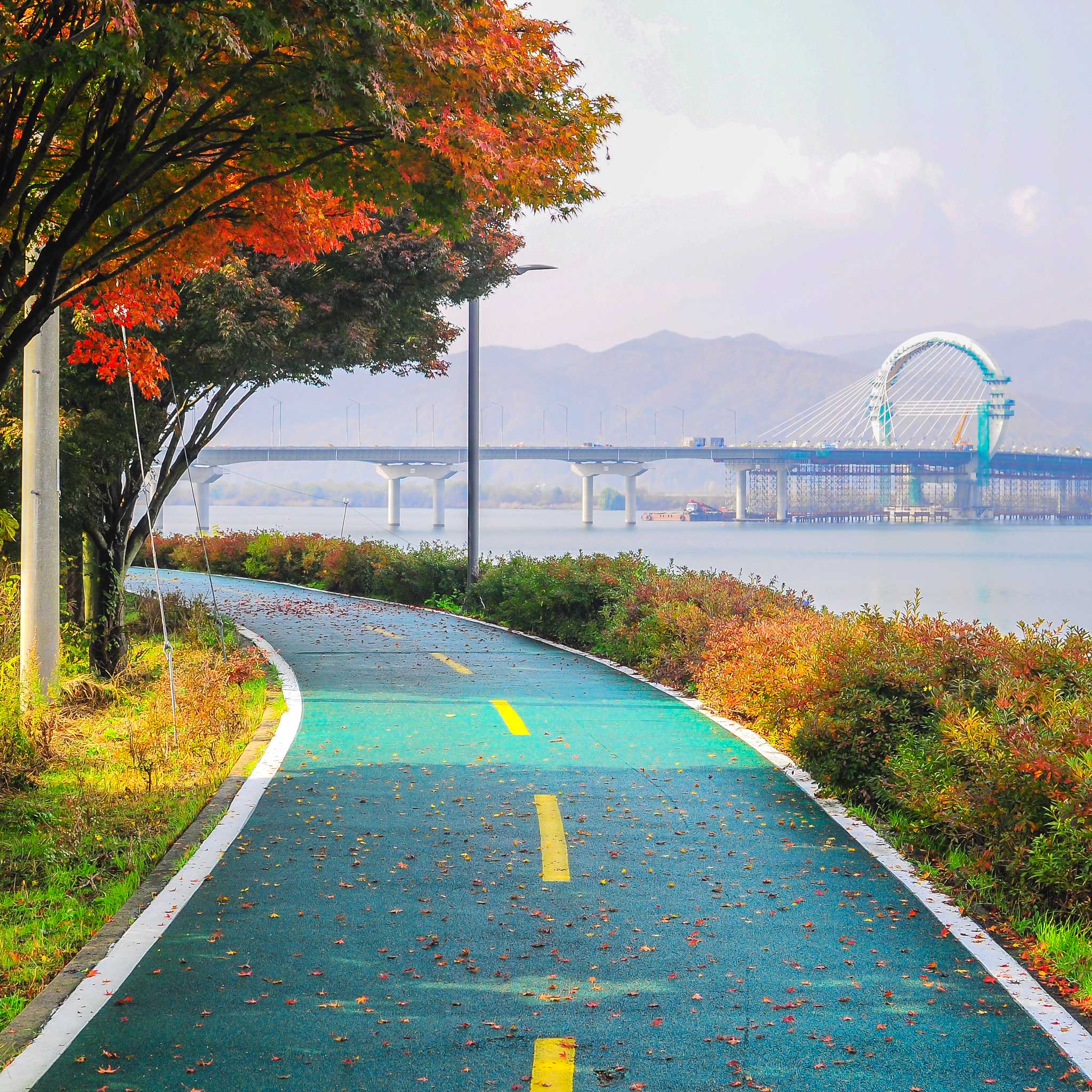
Spring (March to May) and autumn (September to November) are the most popular times to visit, offering mild weather and beautiful scenery. Summer brings warm but humid conditions and occasional rain. Winter is cold and dry. June and September are often cited as particularly pleasant months.