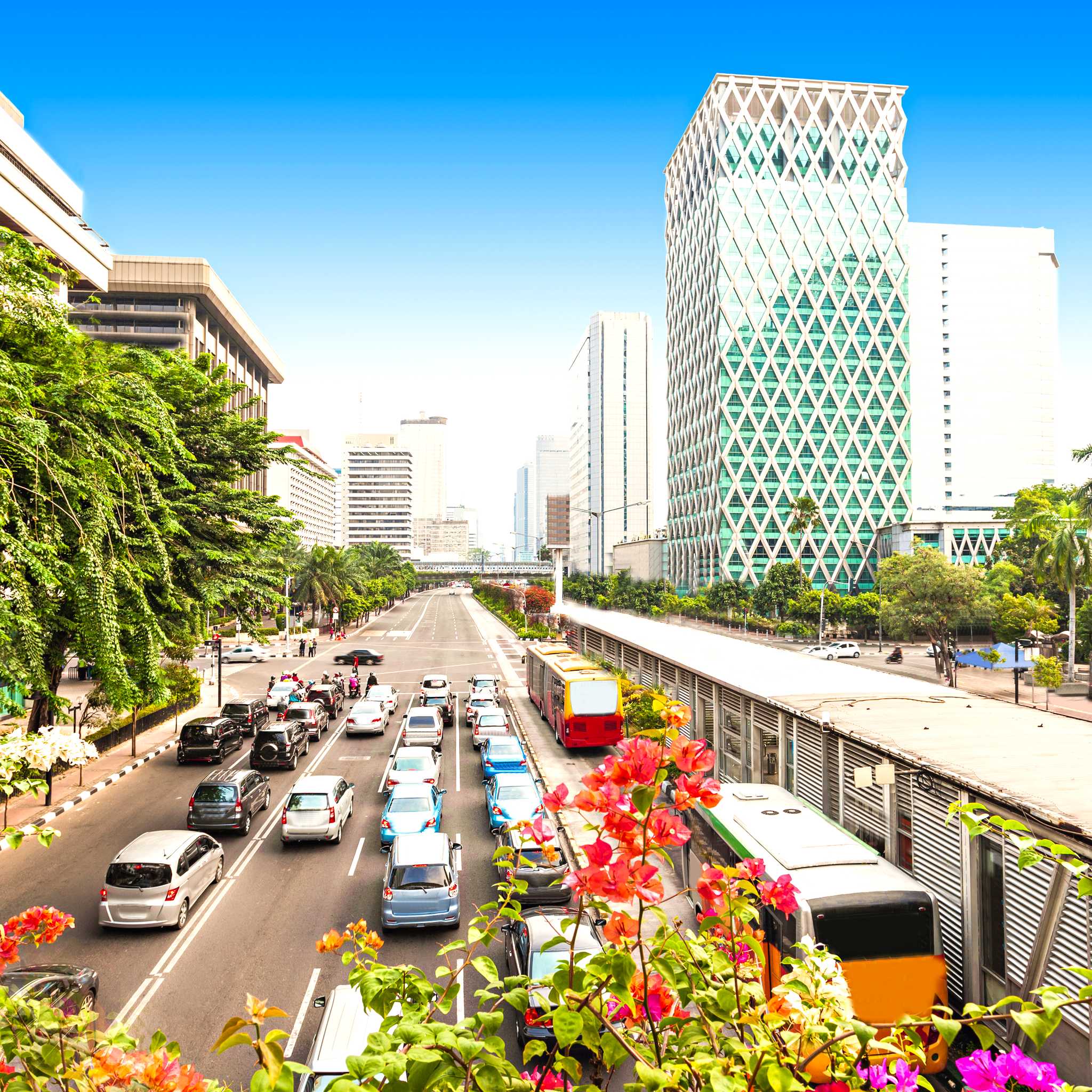
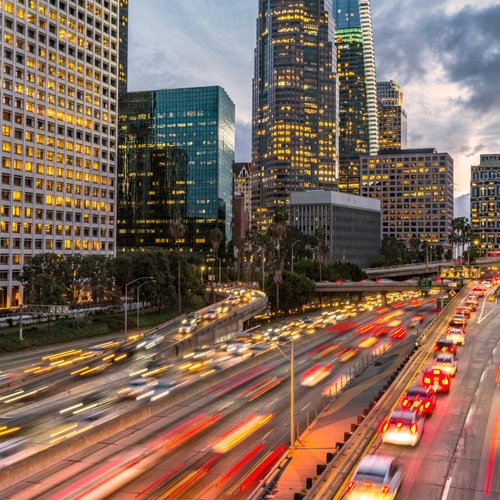
Jakarta is not a walkable city overall. Traffic is intense and sidewalks can be difficult to navigate in many areas. The exception is Kota Tua (Old Town), where much can be explored on foot. The MRT and TransJakarta bus network are reliable for central areas. Ride-hailing apps like Grab and Gojek are the most practical way to get around.
Tipping is not obligatory in Indonesia, but it is appreciated as a generous gesture in service settings. In restaurants, checking whether a service charge is already included is a good habit. When no service charge applies, rounding up or leaving a small extra amount for good service is a kind and welcome gesture.
Key attractions include the National Monument (Monas) and its panoramic views, the historic Kota Tua (Old Town) district, Istiqlal Mosque (the largest mosque in Southeast Asia), Jakarta Cathedral, Museum Nasional, the vibrant textile collections at Museum Tekstil, and Taman Mini Indonesia Indah for a broad overview of Indonesian culture.
Indonesia uses the Indonesian rupiah (IDR). Cash is essential for markets, street food stalls, and smaller local eateries, so always carry small denominations. Credit cards are accepted at malls, upscale hotels, and larger restaurants. Use ATMs located inside banks or hotel lobbies for the best security and most reliable rates.
The national language is Bahasa Indonesia. In Jakarta's hotels, major restaurants, shopping malls, and most visitor-facing businesses, English is widely spoken. Away from these areas, in traditional markets or local transport, Bahasa Indonesia is the norm. A few basic phrases are appreciated and go a long way.
Jakarta is generally safe in popular areas, central districts, and shopping malls. Petty theft and pickpocketing can occur in crowded places, so keep bags close and avoid displaying valuables. Use Grab, Gojek, or Blue Bird taxis rather than unmarked vehicles. Drink only bottled or purified water, and use reputable ATMs in banks or malls.
Jakarta is a paradise for food lovers. Must-tries include nasi goreng (fried rice), soto betawi (a rich beef and coconut milk soup), gado-gado (vegetables with peanut sauce), kerak telor (a traditional spiced omelette snack), satay skewers, and martabak manis (sweet stuffed pancake). Street food markets like Pecenongan are excellent for sampling a range of dishes.
The dry season from June to September offers the most reliable weather with clear skies and less humidity, making it the best time for sightseeing. The rainy season runs from October to May, with January and February being the wettest months.