Jūrmala sits about 25 km (16 miles) west of Riga city center, making it one of the most accessible day trips in the Baltics. A private transfer typically takes around 30 to 45 minutes depending on traffic, and your driver will take you directly to where you want to go rather than dropping you at a train station. That means more time on the beach and less time navigating connections.
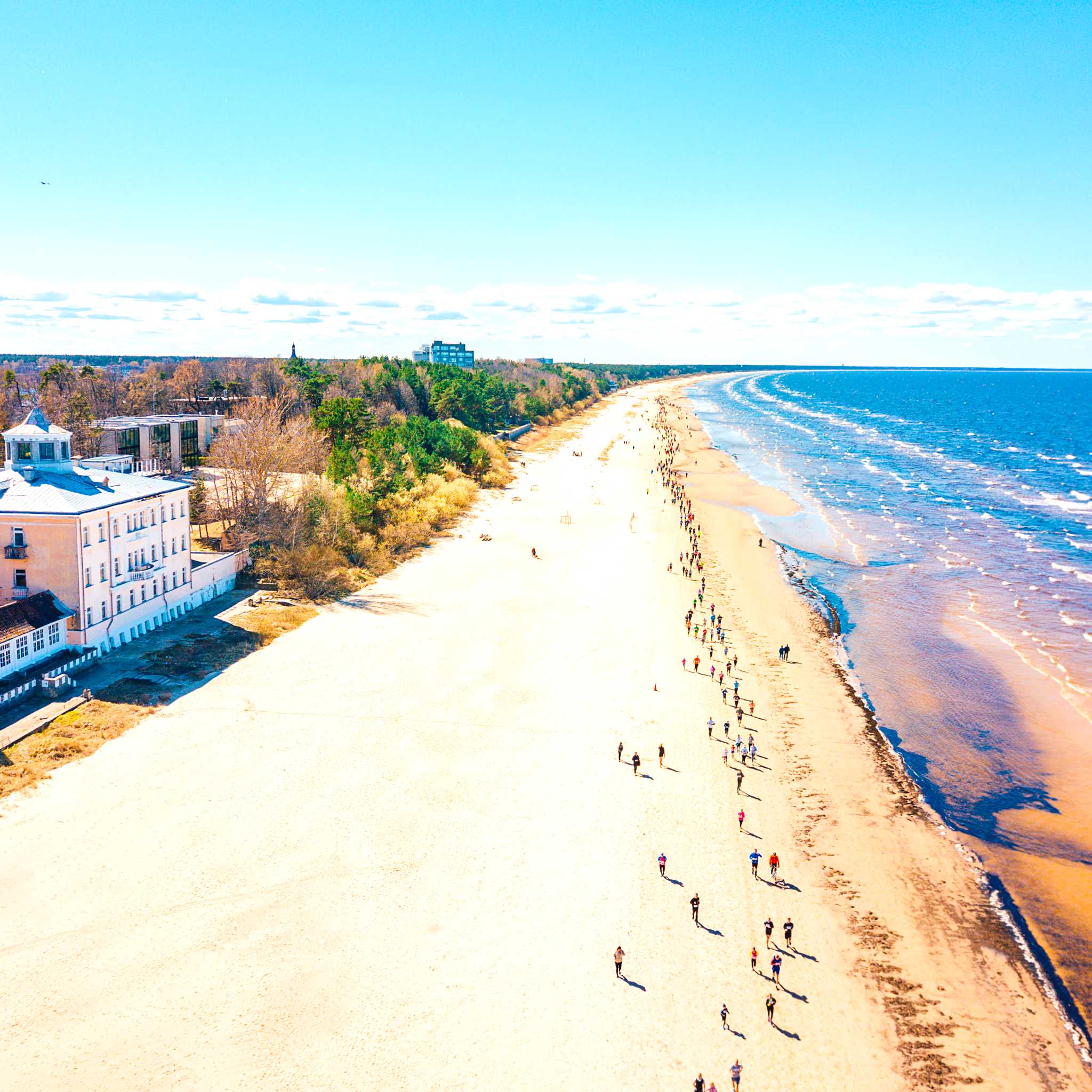
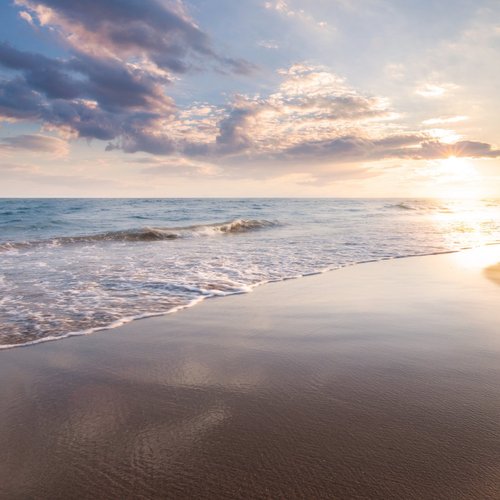
A full day is ideal. Spend the morning walking Jomas iela, Jūrmala's 1 km pedestrian street lined with ornate wooden villas, boutiques, and cafes. The afternoon opens up options: a long stroll along the 33 km (21 miles) of white sand beach, a visit to the Jūrmala Open-Air Museum, or simply settling into a seaside cafe. If you are arriving from Riga, a departure around mid-morning gives you six to seven comfortable hours before heading back.
Absolutely. The 33 km (21 miles) of coastline is the headline, but the real draw for many visitors is the architecture and atmosphere. Wandering Jomas iela on foot, spotting pastel-colored wooden villas tucked between pine trees, and stopping at a terrace cafe is a full half-day in itself. Dzintaru Forest Park adds walking and cycling paths through the pines. The city rewards slow exploration on foot, not just sunbathing.
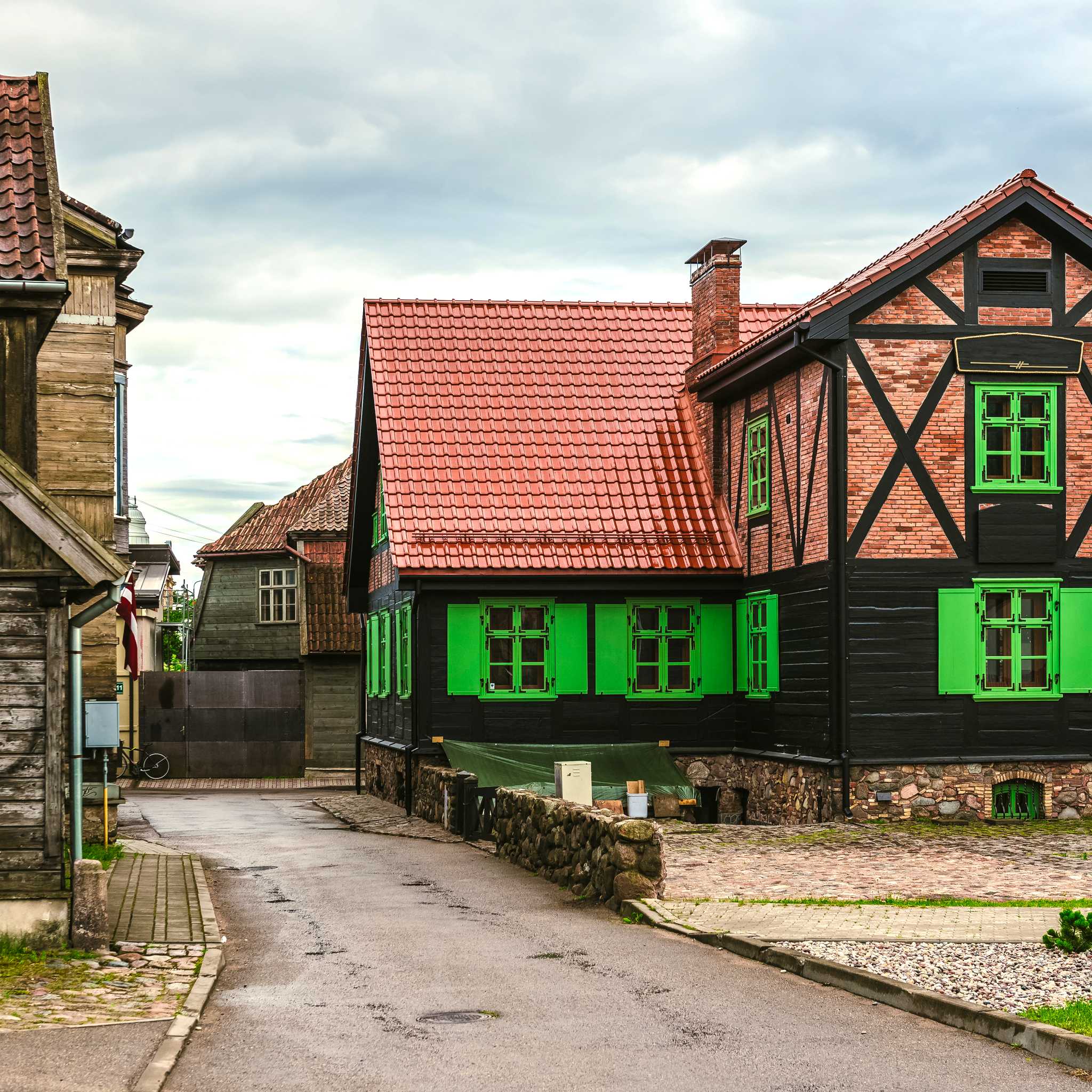
Yes, especially if you want to go beyond the typical beach resort experience. The museum, located in the Buļļuciems district, recreates a traditional Latvian fishing village from the late 19th and early 20th centuries, complete with authentic residential houses, netting huts, and fish-curing buildings. Its standout feature is Latvia's largest rope collection, paired with a hands-on rope-twisting workshop. It is a grounding counterpoint to the glamour of Jomas iela, showing what Jūrmala looked like before the wealthy arrived.
Jūrmala earned its "Northern Riviera" nickname not just for its coastline but for its extraordinary concentration of historic wooden architecture. The city is home to over 700 culturally significant buildings, from modest fishermen's cottages to grand Art Nouveau summer villas built by Russian nobility and Baltic-German architects in the 19th and early 20th centuries. It is a genuine open-air architectural museum, with the beach as a backdrop.
Public trains run from Riga Central Station and are a reasonable option if you are traveling light and alone. But if you are with family, carrying luggage, or want to stop somewhere along the way, a private transfer removes every friction point. Your driver picks you up at your door, there is no schedule to chase, and you can ask to stop at viewpoints or villages en route. For a day trip meant to feel like a break, how you travel sets the tone from the first minute.