Yes, and a private transfer makes this straightforward. Kawagoe pairs naturally with other stops in Saitama Prefecture, or you can build a route that begins or ends in Tokyo with a detour through the countryside in between. Because your driver and vehicle are dedicated to your group, you set the itinerary — adding a stop, adjusting timing, or changing the order of visits is a conversation with your driver, not a logistics puzzle involving multiple train schedules.
Kawagoe sits about 30 km (19 miles) northwest of central Tokyo. By train from Ikebukuro, the journey typically takes around 30 to 40 minutes. A private transfer gives you the flexibility to set your own departure time, travel door to door without navigating multiple train lines, and stop along the way if anything catches your interest.
Plan for at least 4 to 5 hours on the ground to do the town justice. That gives you time to walk the Kurazukuri warehouse district, browse Candy Alley, visit Hikawa Shrine, and linger over sweet potato dishes without feeling rushed. If you want to explore the Kawagoe City Museum or catch the Toki no Kane bell tower at one of its chiming hours, add another hour.
Absolutely. Kawagoe earns its "Little Edo" nickname with streets lined with 19th-century kurazukuri warehouse buildings that survived fires and earthquakes when most of Japan was rebuilding in concrete. You get the atmosphere of old Edo Japan without leaving the Tokyo day-trip circuit. Combine the historic warehouse district, Hikawa Shrine, and Candy Alley, and you have a genuinely full and memorable day.
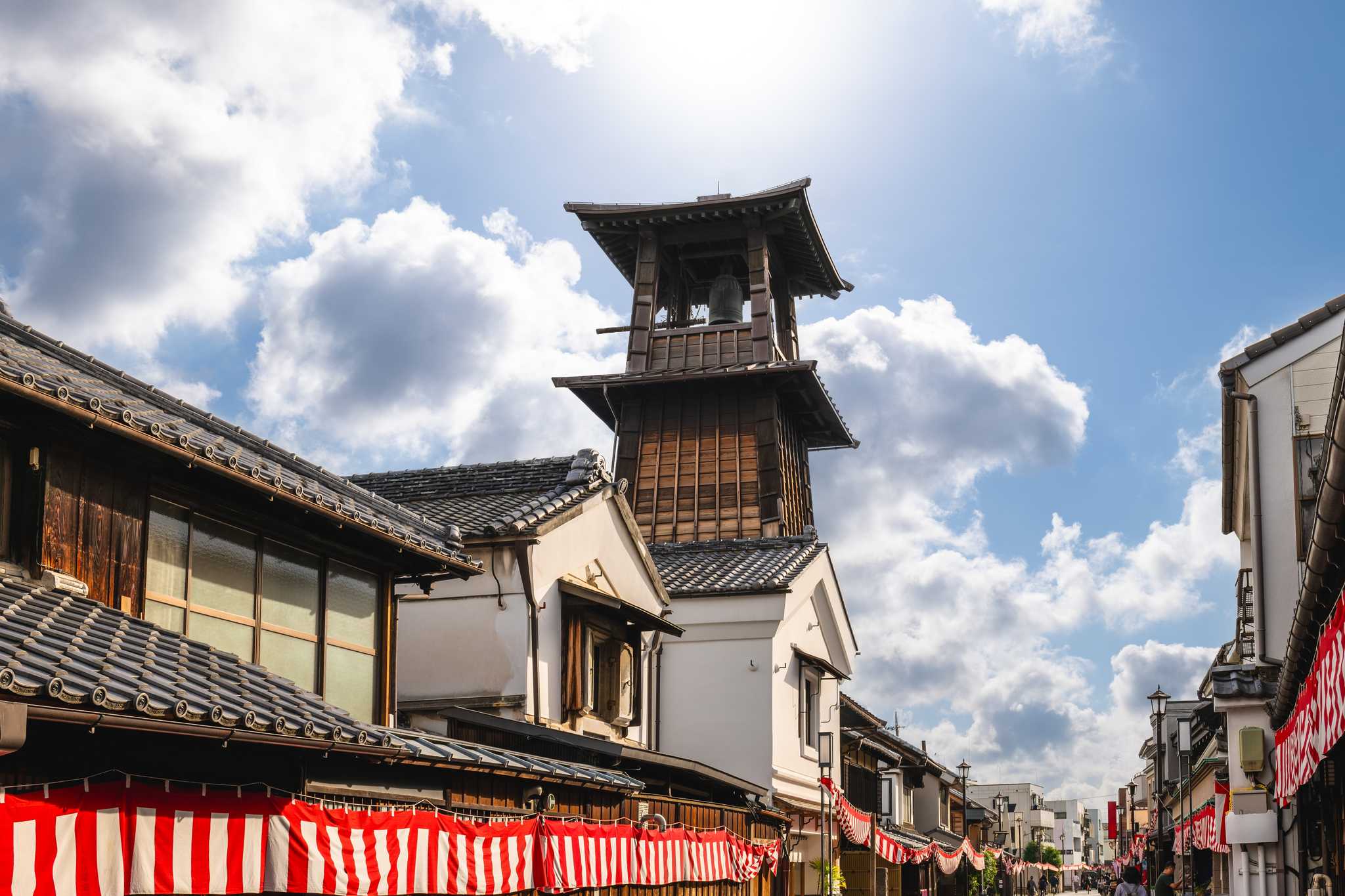
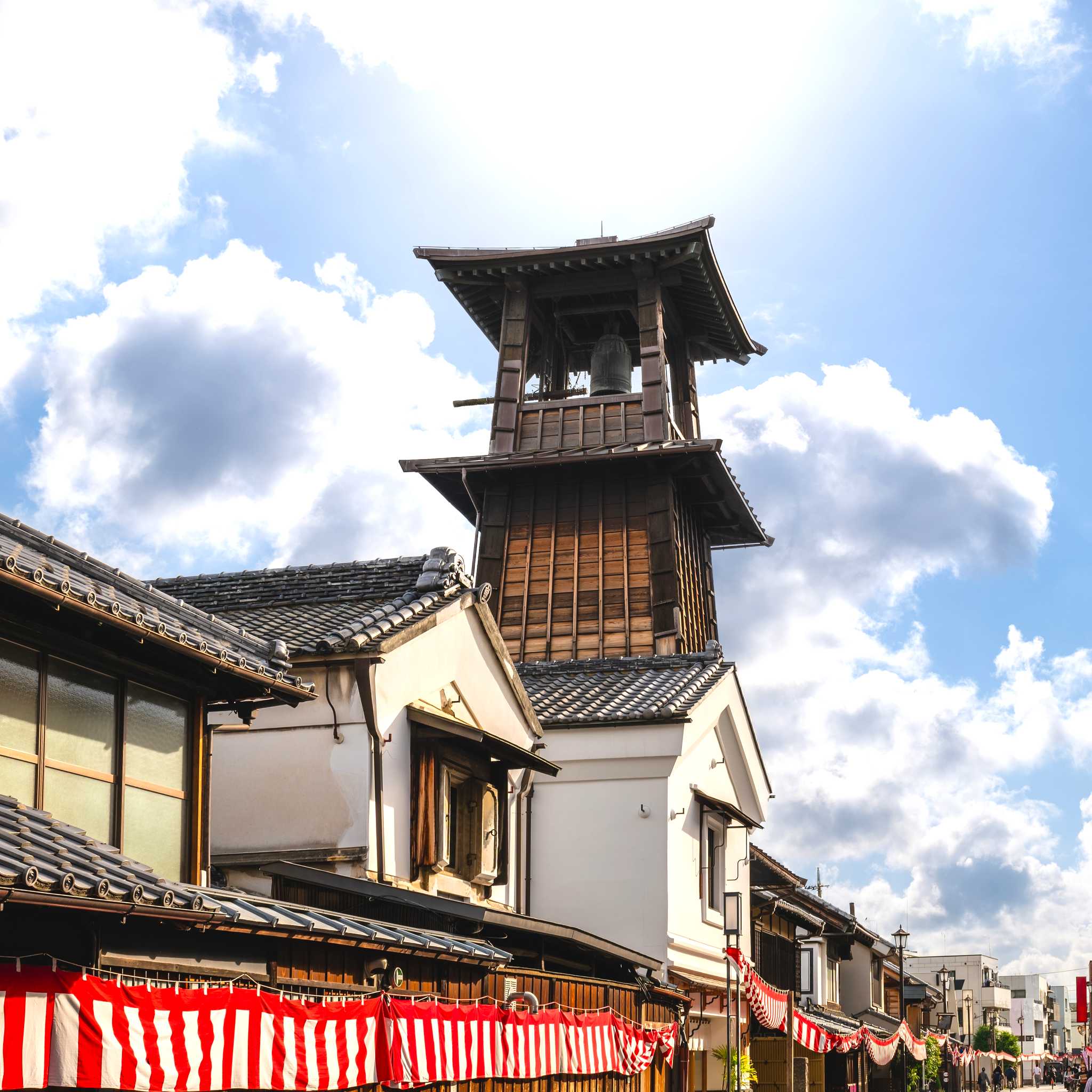
Kurazukuri Street is the heart of the visit — a preserved stretch of Edo-era clay-walled storehouses that feels genuinely different from anywhere else in the Tokyo region. Toki no Kane, the 16th-century bell tower, still rings four times a day and makes for a great photo stop. Hikawa Shrine is known for its colorful wind chime decorations and is popular with visitors year-round. Candy Alley rounds out the experience with its old-fashioned sweet shops selling traditional Japanese snacks in a narrow lane unchanged in character for over a century.
Kawagoe has built a local food identity around sweet potatoes, a crop the region has grown since the Edo period and one that sustained communities during wartime scarcity. Today you will find sweet potato worked into everything: soft-serve ice cream, cakes, croquettes, shochu, and even noodles. Beyond sweet potato, Candy Alley offers traditional Japanese sweets and nostalgic snacks worth picking up as edible souvenirs. Come with an appetite and plan to graze your way through the historic district.