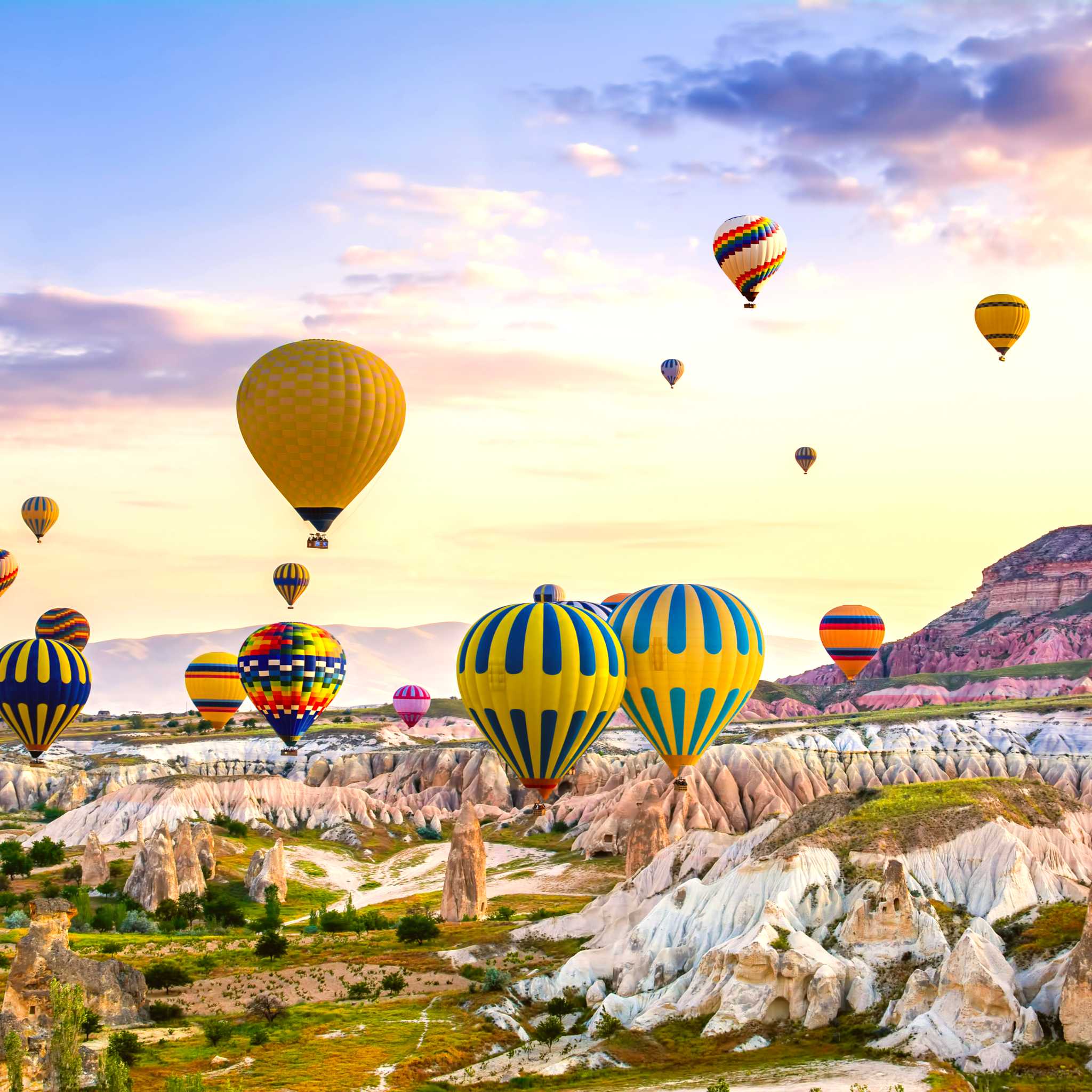
Kayseri sits just 75 km (47 miles) from the heart of Cappadocia, making the two destinations natural partners. Many travelers use Kayseri as a gateway: arrive, explore the city's Seljuk heritage, and then continue into Cappadocia's famous fairy chimneys and valleys the same day or the next. The drive between them takes roughly 1 to 1.5 hours depending on your exact destination in Cappadocia. A private transfer with a flexible itinerary is the most practical way to combine both without committing to rigid shuttle schedules.
A full day is the sweet spot. The historic core is concentrated enough that you can visit the castle, major Seljuk monuments, and the bazaar district comfortably in 6 to 8 hours without feeling rushed. If your interests lean toward Mount Erciyes — whether for skiing in winter or trekking in summer — factor in extra travel time to the mountain, which sits about 25 km (15 miles) from the city center. A private transfer lets you structure the day around your pace rather than a fixed tour schedule.
Kayseri's appeal is precisely the kind that benefits from flexibility. The Silk Road bazaars invite lingering; the castle views reward patience; and if you want to add Soganli Valley or drive up toward Mount Erciyes, that decision is best made on the day. A private transfer puts you in control of the pace, the stops, and the timing — so you are not waiting for a group to reassemble or skipping something interesting because the schedule moves on. For a city that mixes history, food culture, and dramatic mountain scenery, a private arrangement simply lets you get more out of the same hours.
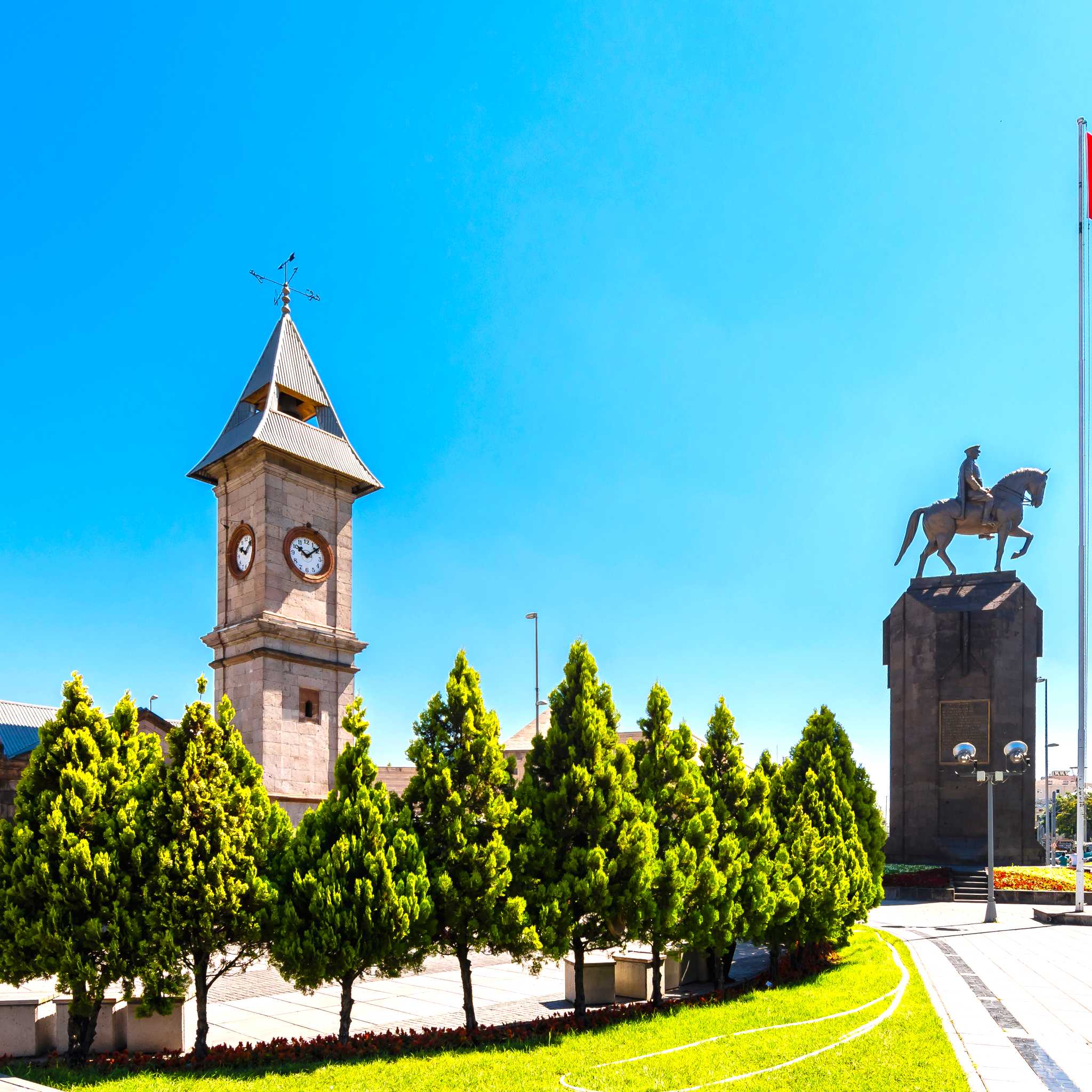
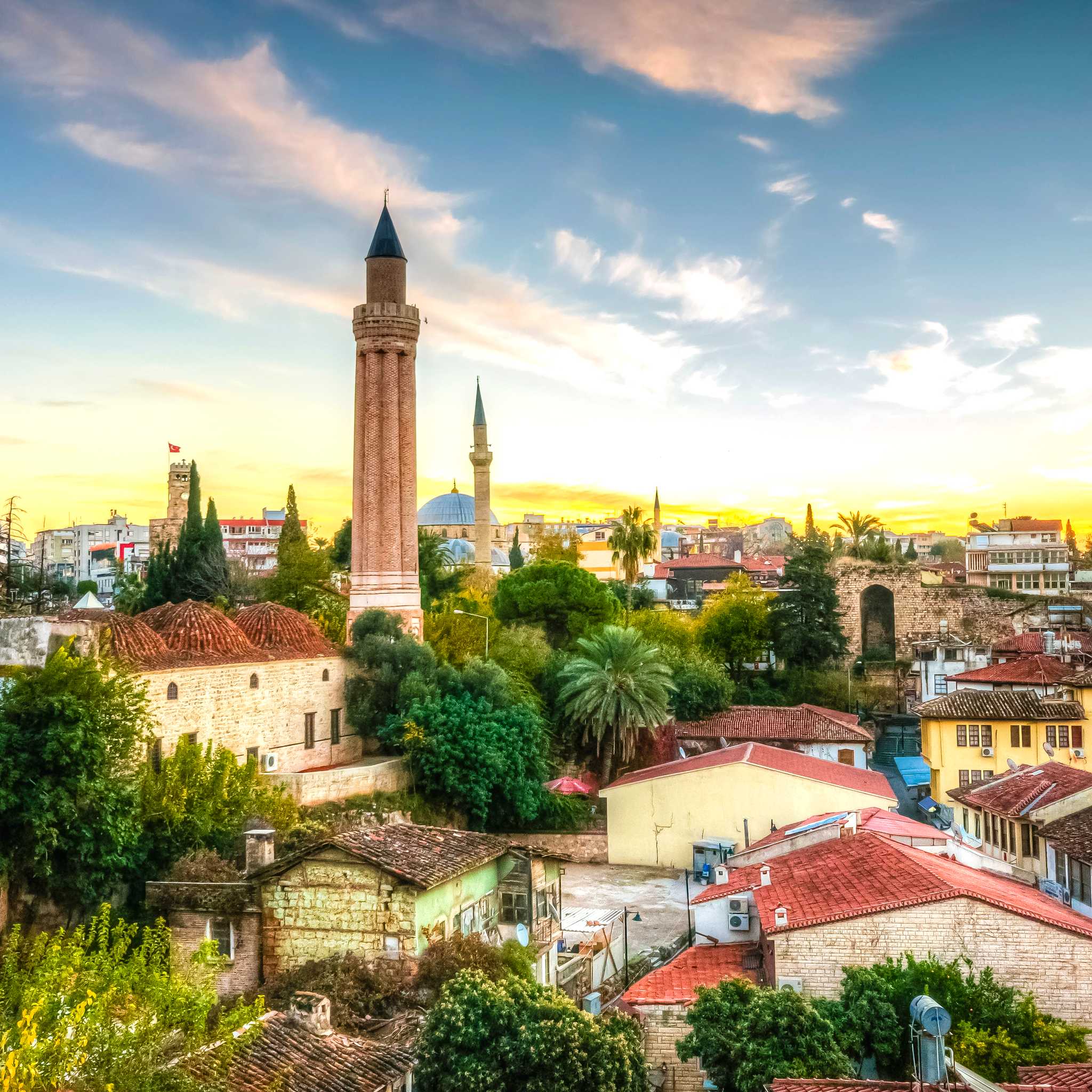
The historic center is compact and walkable, making it easy to cover a lot in a single day. The Hunat Hatun Complex, built in 1238, is considered one of the finest examples of Seljuk architecture in all of Anatolia and includes a mosque, madrasa, hamam, and tomb. Kayseri Castle is a striking fortress with roots going back to the 6th century. The Gevher Nesibe Medical Museum occupies one of the oldest hospitals ever built, filled with medieval Islamic medical instruments and texts. Rounding out the day, the covered bazaar is ideal for local spices, hand-woven textiles, and the city's famous pastirma cured meat.
Kayseri is one of Turkey's most historically rich cities, sitting at the foot of the imposing Mount Erciyes in Central Anatolia. It served as the second capital of the Seljuk Sultanate of Rum and was a major hub on the ancient Silk Road, leaving behind a remarkable concentration of 12th and 13th-century monuments. You get an authentic Turkish city experience — grand mosques, medieval bazaars, and world-class Seljuk architecture — without the tourist crowds of more famous destinations.
Where Cappadocia draws visitors for its landscape and Ankara for its political and museum scene, Kayseri occupies a distinct niche as Turkey's most intact Seljuk city. The Hunat Hatun Complex, the Sahabiye Medresesi, and the Ulu Camii represent some of the most ambitious stone-carving and monumental architecture from 13th-century Islamic civilization — and most visitors encounter them without queues. Add to that a genuinely local food culture built around manti dumplings and pastirma, and Kayseri rewards travelers who want depth over familiarity.