Iceland's weather can change rapidly at any time of year. Always check the Icelandic Met Office forecast and road conditions on road.is before heading out. Pack waterproof, windproof outerwear and layers regardless of the season. Weather delays are common, so build flexibility into your plans, especially in winter.
Iceland is one of the safest countries in the world for visitors. The main risks are environmental rather than criminal: unpredictable weather, deceptive ocean waves at black sand beaches, and unstable lava crusts near volcanic areas. Always follow posted safety signs, stick to marked trails, and register your travel plan on the safetravel.is website.
Keflavik town itself is relatively manageable for strollers, though Iceland's rugged natural landscapes, lava fields, and many outdoor attractions have uneven terrain that can be challenging for wheelchairs and strollers. The Blue Lagoon has accessible facilities. It is worth checking specific attraction accessibility in advance for your needs.
Tipping is not customary in Iceland. Service charges are generally built into prices at restaurants, cafes, and for tours and taxis. If you receive exceptional service, rounding up or leaving a small extra amount is appreciated but not expected at all.
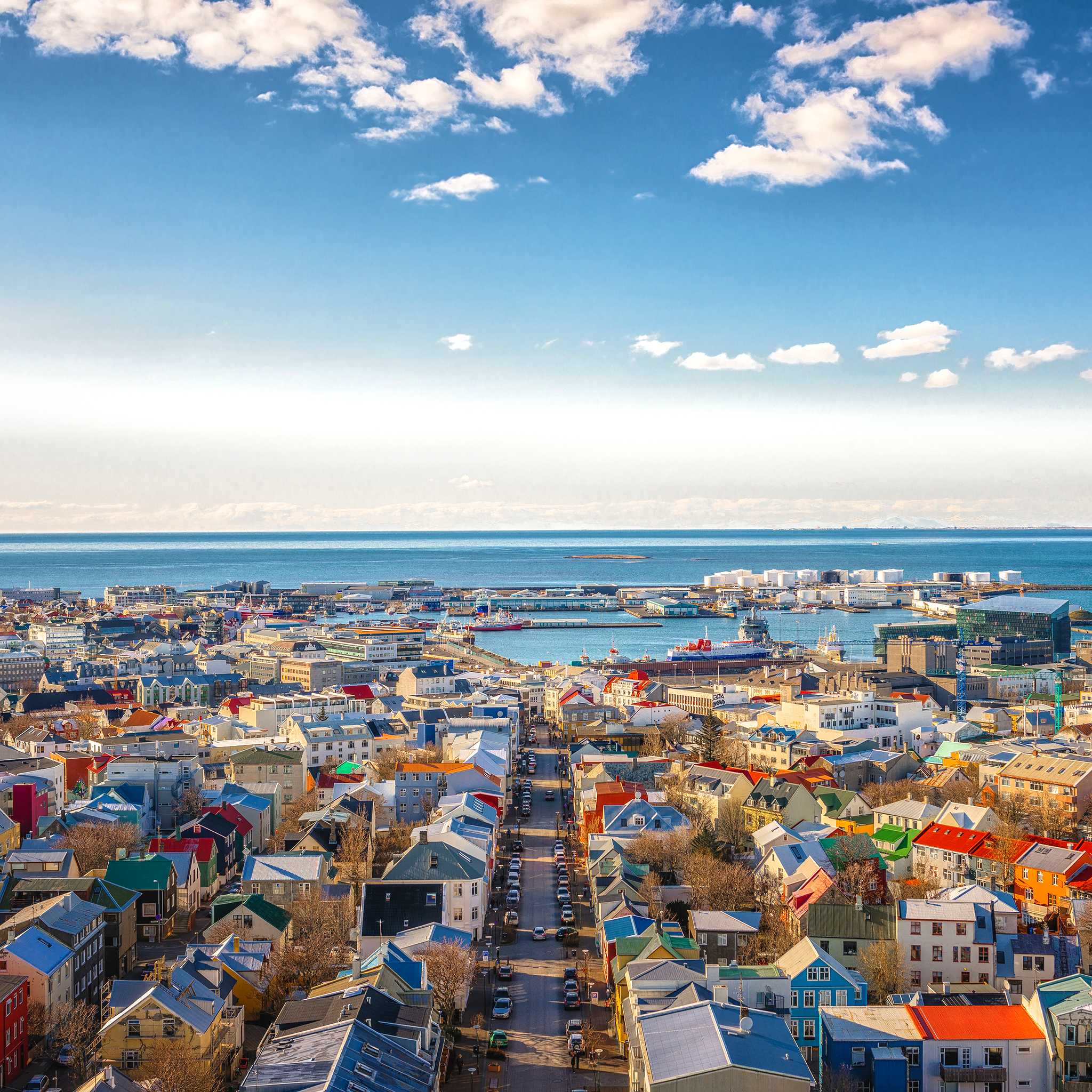
Top attractions include the Blue Lagoon geothermal spa (book well in advance), the Reykjanesviti Lighthouse, the Gardur Lighthouses with their stunning coastal views, the Giantess Cave waterfront attraction, and the dramatic lava fields of the Reykjanes Peninsula. Reykjavik is just 45 minutes away for culture, museums, and nightlife.
Iceland uses the Icelandic krona (ISK). The country is largely cashless, and credit and debit cards are accepted almost everywhere, including remote petrol stations, food trucks, and small shops. It is worth having a card with a chip and PIN, though many US chip-only cards also work without a PIN.
Fresh seafood, Icelandic lamb, and skyr (a thick, protein-rich dairy product similar to yogurt) are staples worth seeking out. Street hot dogs, known as pylsur, are an Icelandic institution. Local fish soup (fiskisupa) is warming and widely available, and Icelandic tap water, sourced from natural springs, is some of the cleanest in the world.
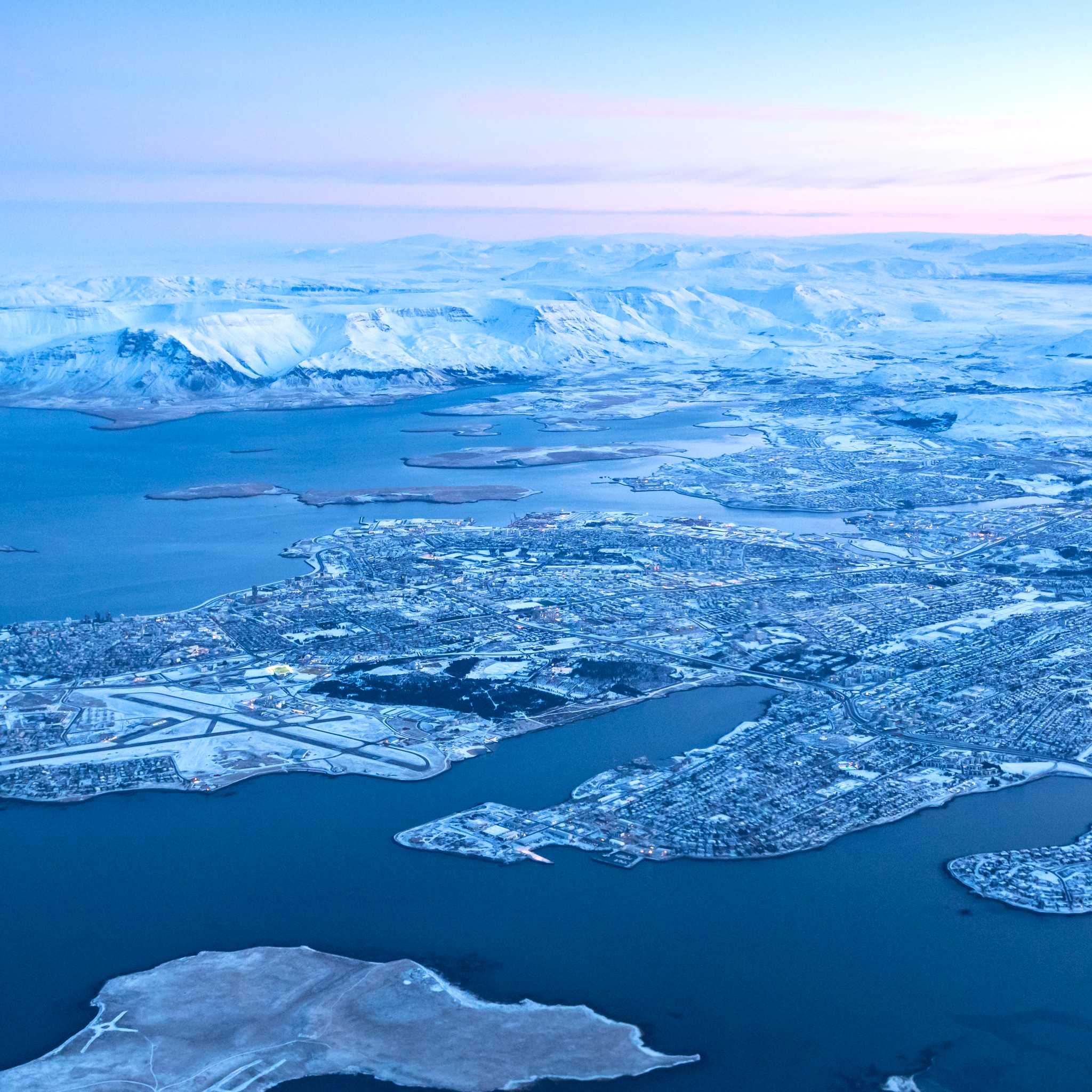
Summer (June to August) brings the famous midnight sun, long warm days, and the best conditions for exploring the Reykjanes Peninsula. For the northern lights, visit from September to March when nights are dark enough. Winter travel can be spectacular but requires careful planning around Iceland's unpredictable weather conditions.