Koblenz is a very safe destination. Germany has excellent public safety standards, and the city sees a large number of leisure visitors without significant issues. Standard precautions apply: keep an eye on belongings in crowded areas, particularly near the riverfront during summer events. The emergency number in Germany is 112, and English-speaking operators are available. Medical facilities in Koblenz are of a high standard should they be needed.
Tipping is appreciated but not mandatory in Germany. In restaurants, rounding up the bill or leaving 5 to 10% for good service is the norm. Tips are typically given directly to the server when paying rather than left on the table. In taxis, rounding up to the nearest euro or two is standard. A small tip is also a kind gesture for hotel porters and private drivers who provide attentive service.
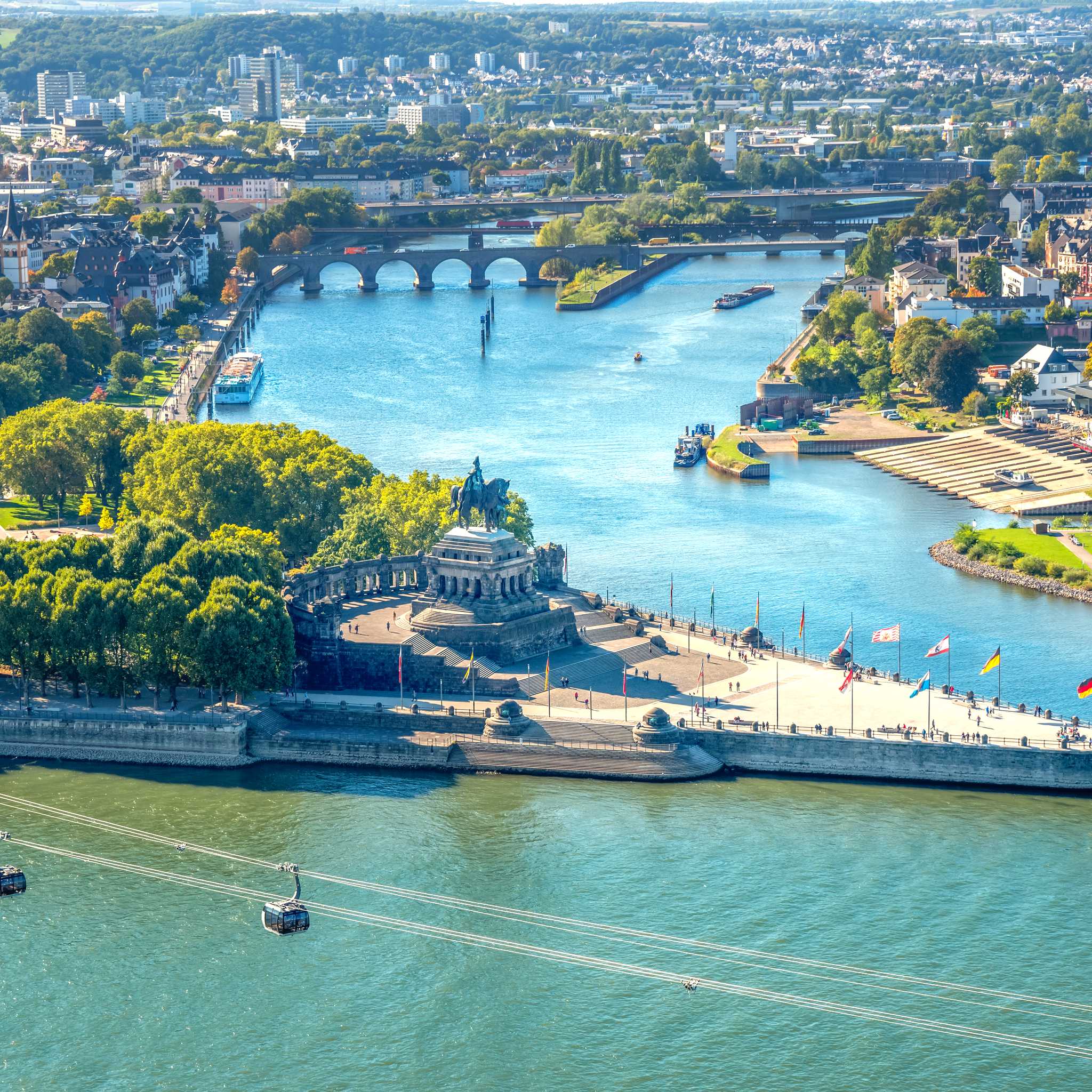
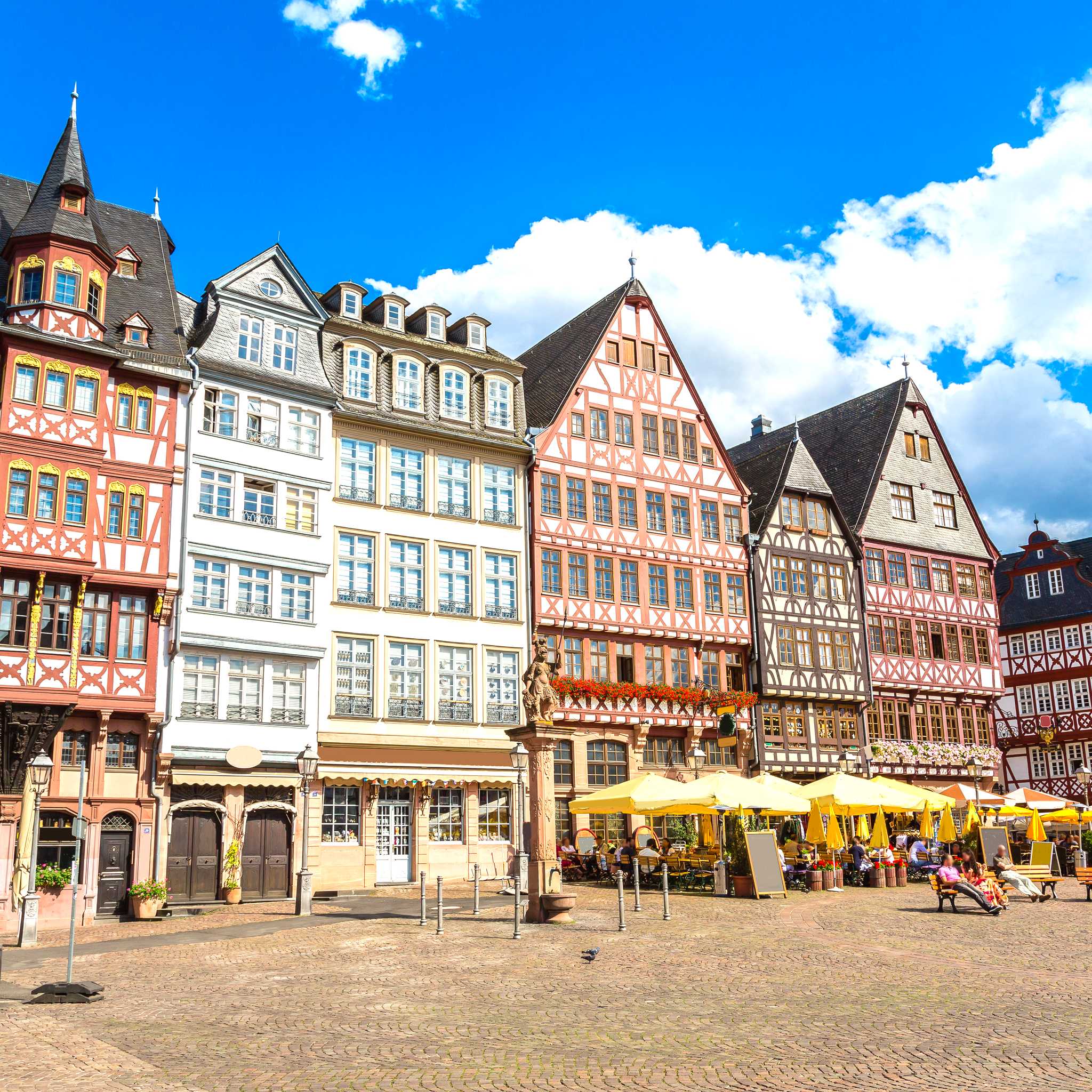
The Deutsches Eck promontory, where the two rivers dramatically merge beneath a towering equestrian monument, is the city's most iconic spot. Ehrenbreitstein Fortress, reached by cable car from the riverbank, is one of Europe's largest preserved fortifications and rewards visitors with sweeping views over both valleys. The reconstructed old town (Altstadt) with its historic squares and churches is excellent for a leisurely stroll.
Germany uses the euro (EUR). While card acceptance has improved significantly in recent years, Germany remains more cash-dependent than many visitors expect. Smaller shops, bakeries, markets, and some restaurants still prefer cash. Always carry some euros, particularly in smaller towns along the Rhine and Moselle. ATMs from major banks such as Deutsche Bank and Sparkasse are widely available and offer reliable service with lower fees than independent machines.
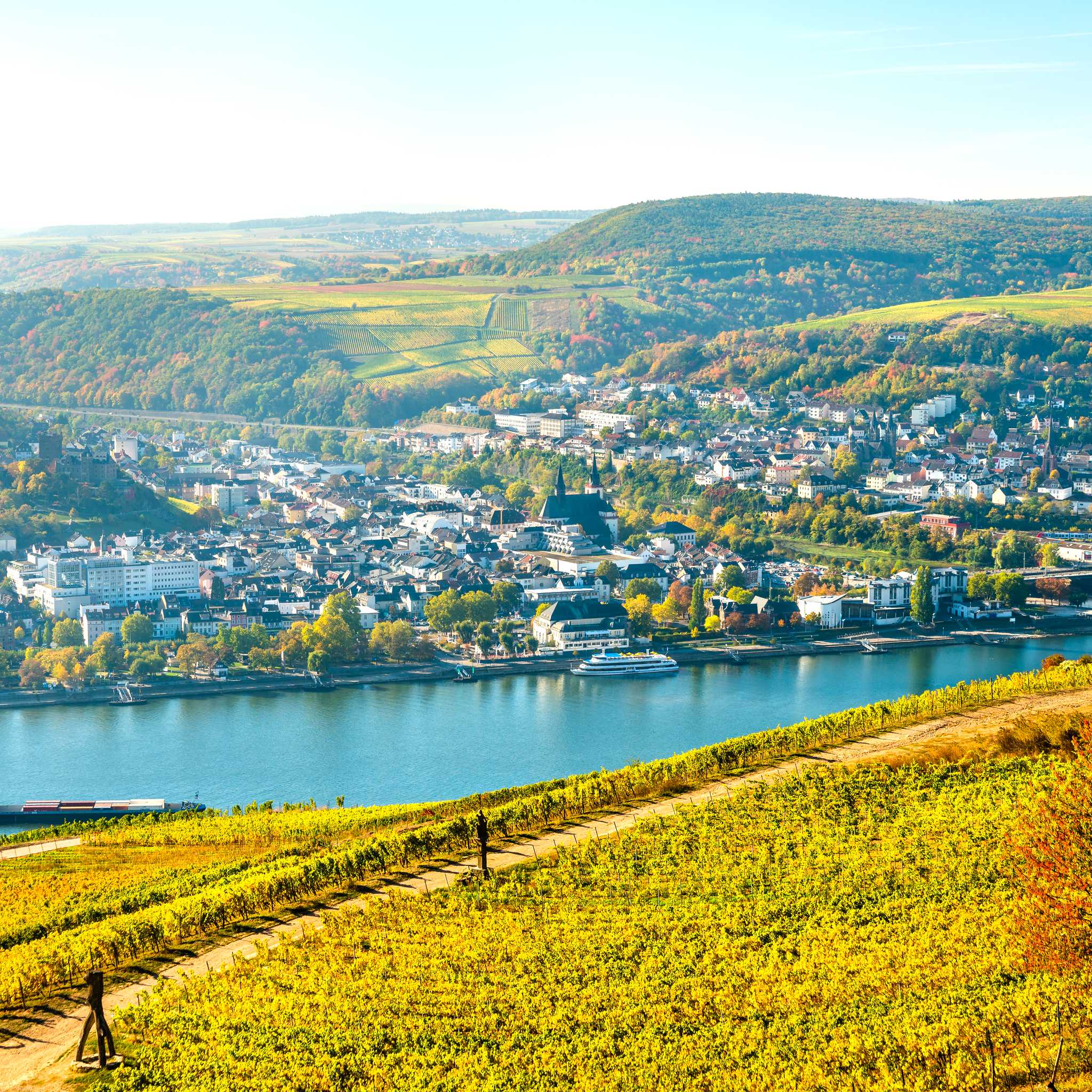
The Rhine Gorge to the south is lined with medieval castles and hilltop fortresses, making it one of Germany's most rewarding scenic drives or river cruise routes. The Moselle Valley offers picturesque wine villages such as Cochem, with its dramatically perched castle, and Beilstein, one of Germany's smallest and best-preserved medieval towns. The Roman city of Trier, with its UNESCO-listed ruins including a remarkably intact amphitheater, is roughly an hour away by car.
Late spring through early autumn is the most popular time to visit, when river cruises are in full swing, the Rhine and Moselle valleys are at their most scenic, and outdoor festivals are plentiful. The spectacular Rhein in Flammen fireworks display in mid-August draws visitors from across the region. Autumn brings wine harvest festivals and beautiful foliage along both rivers. Winter is quieter but rewarding, with Christmas markets in December adding a festive warmth.
German is the official language. In Koblenz, which sees a steady flow of river cruise passengers and leisure travelers, English is widely understood in hotels, restaurants, and at major attractions. Learning a few basic phrases such as danke (thank you), bitte (please), and entschuldigung (excuse me) is appreciated and can make interactions feel more natural. Younger residents and those in the hospitality industry are particularly likely to speak good English.
Koblenz sits in the heart of the Middle Rhine wine region, with the Moselle wine region also close by. Both are famous for crisp, aromatic Rieslings that pair beautifully with the local cuisine. Numerous family-owned wineries in the surrounding hills offer tastings and cellar tours. Traditional German pub food such as sauerbraten (marinated pot roast), hearty potato dishes, and locally brewed Konigsbacher beer are staples at the city's taverns and restaurants.