Yes, and the geography makes it straightforward. Kolymvari sits on the western Cretan coast road, so it pairs naturally with Falassarna beach to the west or a stop in the old town of Chania on the way back. With a private transfer, adding or adjusting stops is simply a conversation with your driver rather than a logistical puzzle. This is where the flexibility of a private transfer genuinely changes what you can do in a single day.
Kolymvari is approximately 24 km (15 miles) west of Chania, making it an easy half-day or full-day excursion. From Heraklion, the distance is around 160 km (99 miles). Public buses run from Chania but stop at the village center, leaving you to figure out local logistics on your own. A private transfer drops you door to door, so you can move at your own pace between the monastery, the beach, and the harbor without watching the clock for the next departure.
A focused visit to Kolymvari takes around 3 to 4 hours, covering the Gonia Monastery, a walk along the beach, and lunch at a taverna on the waterfront. If you want to explore the Rodopos Peninsula or combine Kolymvari with nearby Falassarna beach (roughly 30 km further west), plan for a full day. The flexibility to linger or push on is one of the real advantages of having private transport rather than being tied to a fixed bus schedule.
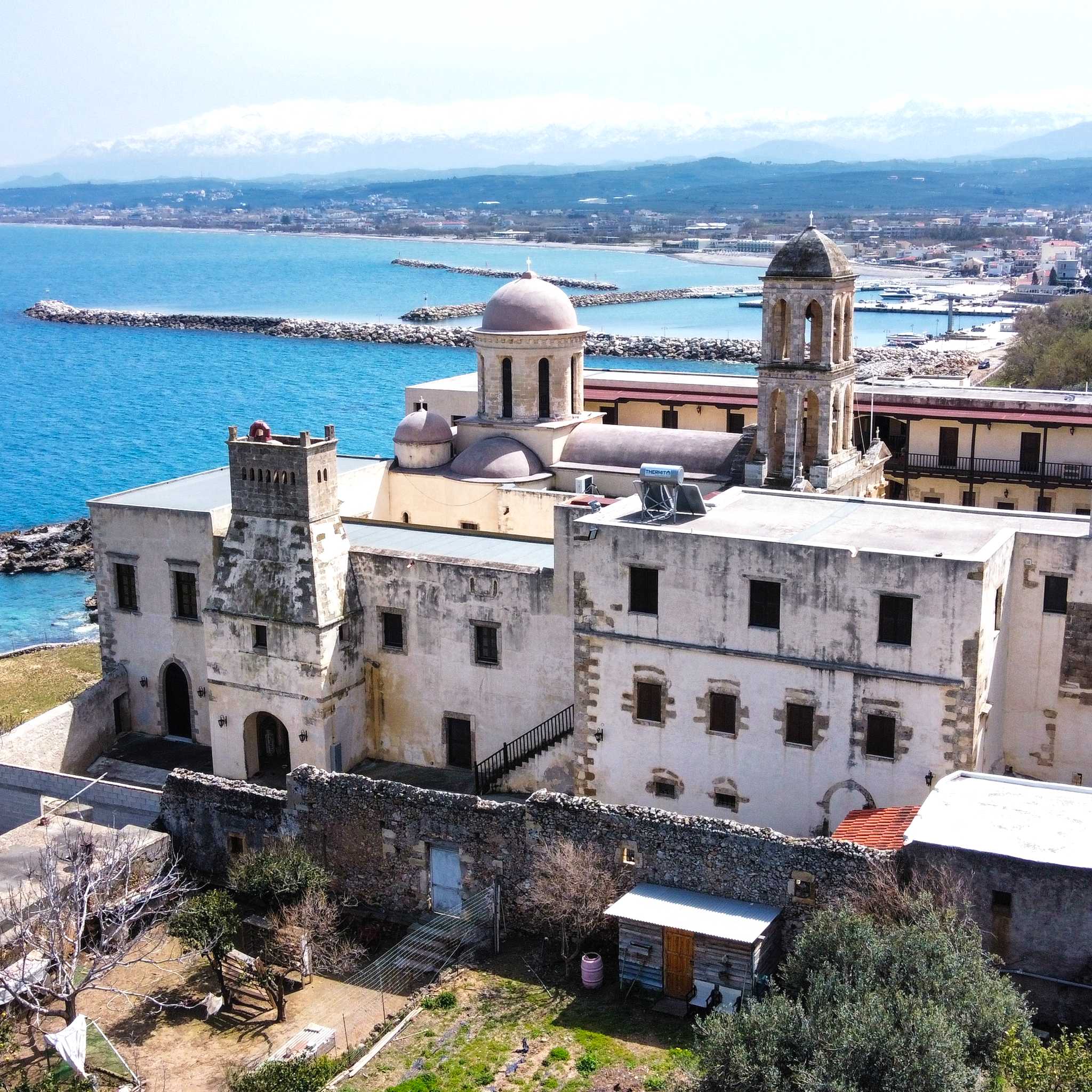
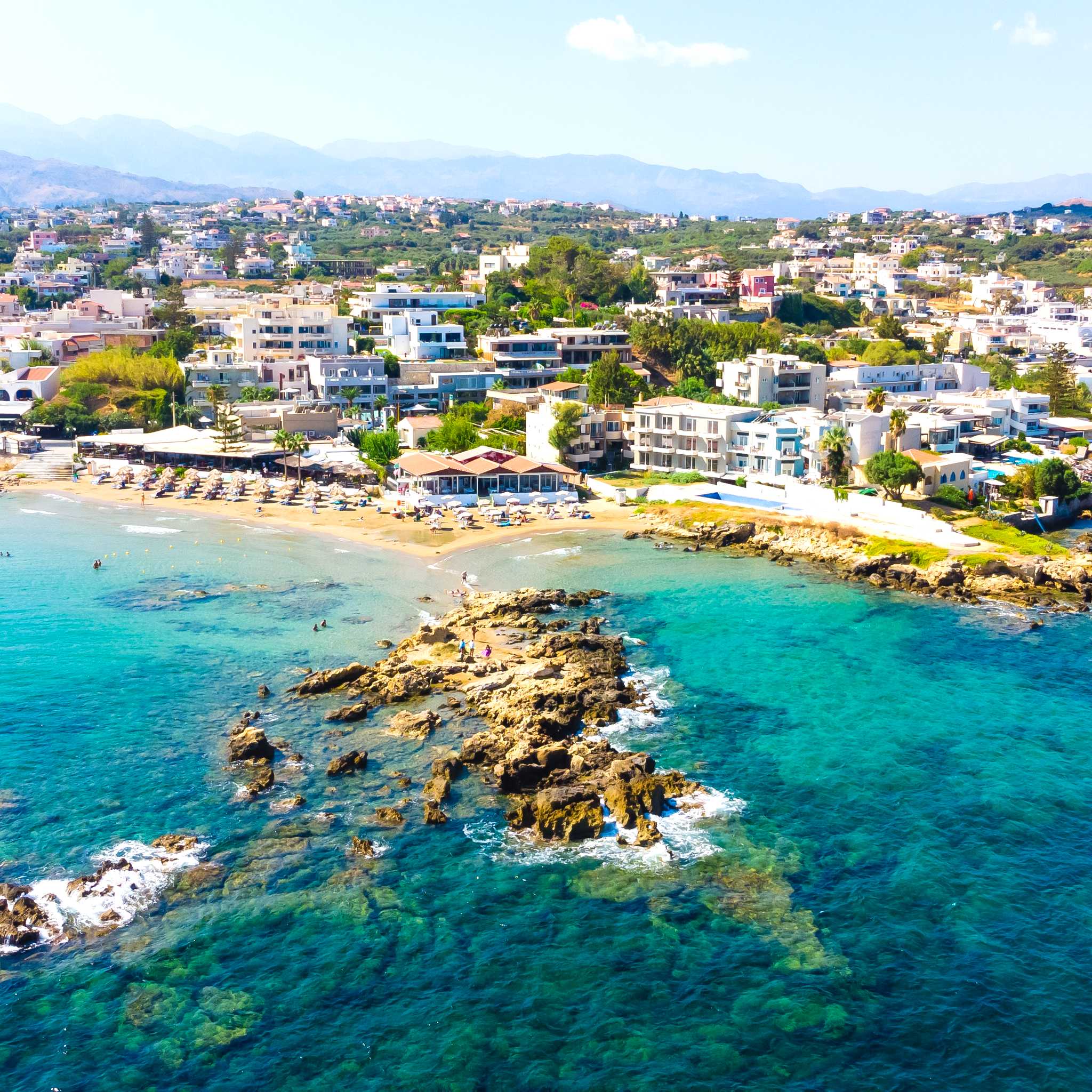
The Gonia Monastery is the centerpiece of any visit. This working 17th-century monastery sits directly above the sea and houses a remarkable museum of rare icons, ancient manuscripts, and religious artifacts accumulated over centuries of Cretan history. Just outside the village, Kolymvari's long pebble beach offers some of the clearest water in the region. For those who want to go further, the Rodopos Peninsula begins here and offers dramatic coastal hiking with sweeping views across the Gulf of Kissamos.
Kolymvari is a peaceful coastal village on the western tip of Crete, sitting at the base of the wild Rodopos Peninsula where the Aegean and Cretan seas meet. It punches well above its size: you get a striking 17th-century fortress monastery perched above the sea, a long pebble beach with exceptionally clear water, ancient ruins, and the unhurried atmosphere of a village that hasn't been overrun by tourism. It is the kind of place that rewards travelers who go slightly off the beaten path, and a day trip gives you exactly enough time to take it all in.
Most coastal villages in Crete are built around tourism infrastructure. Kolymvari is built around olive groves, a working monastery, and a local fishing port. The Olive Oil Museum nearby gives genuine insight into the agricultural heritage that has shaped this part of the island for millennia. The beach is long and uncrowded compared to more famous stretches, and the Rodopos Peninsula behind the village is one of the last truly wild corners of western Crete. You get authentic Crete, not a postcard version of it.