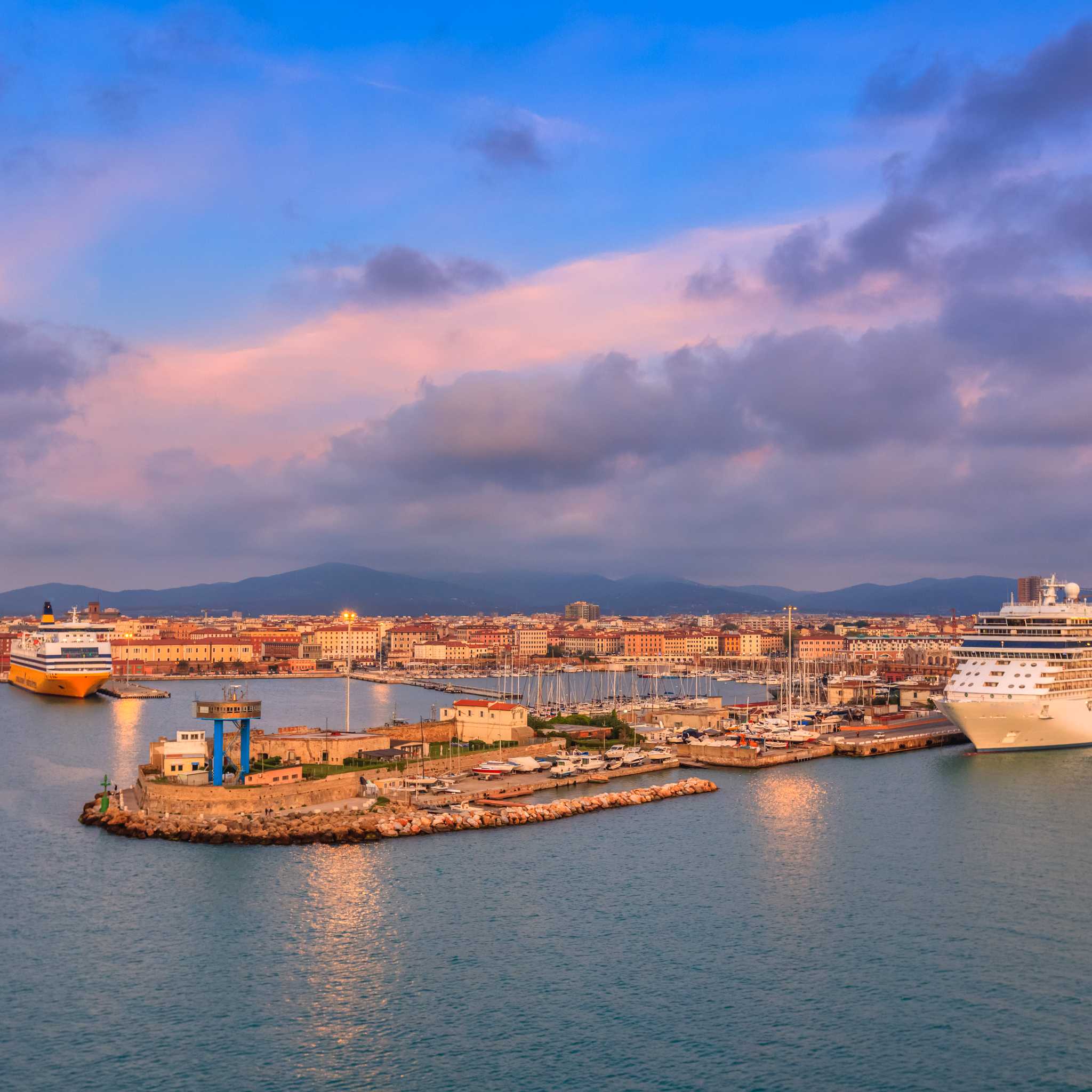
Livorno's city center is highly walkable with most attractions within easy walking distance. The flat terrain and pedestrian-friendly areas make it accessible for visitors with mobility aids. Local buses connect outlying areas for longer journeys.
Livorno is generally very safe for travelers with low crime rates typical of Tuscan cities. Standard precautions like watching belongings in busy areas and avoiding isolated spots at night ensure a worry-free visit to this welcoming port city.
Tipping in Italy is appreciated but not mandatory. A service charge is often included in restaurant bills. Rounding up the bill or leaving 5-10% for exceptional service is customary, especially in visitor-oriented establishments.
Italy uses the euro as its official currency. All purchases, dining, and services in Livorno require euros. ATMs and currency exchange services are readily available throughout the city center for international travelers.
Italian is the primary language spoken in Livorno and throughout Italy. While English is understood in major visitor areas and hotels, learning basic Italian phrases enhances your experience when exploring local markets and authentic restaurants.
Don't miss cacciucco, Livorno's famous seafood stew, and baccala alla livornese (salt cod). The city's port location ensures exceptional fresh seafood, while local markets offer authentic Tuscan specialties and excellent olive oils.
Most shops open Monday-Saturday from 9am-1pm and 3:30pm-7:30pm, following traditional Italian schedules. Many close Sunday and during lunch hours. Restaurants typically open for lunch around noon and dinner after 7pm.
The ideal time to visit Livorno is during spring (April-May) and fall (September-October) when temperatures are warm but comfortable. Summer months can be hot and crowded, while winter offers mild weather perfect for cultural exploration without crowds.