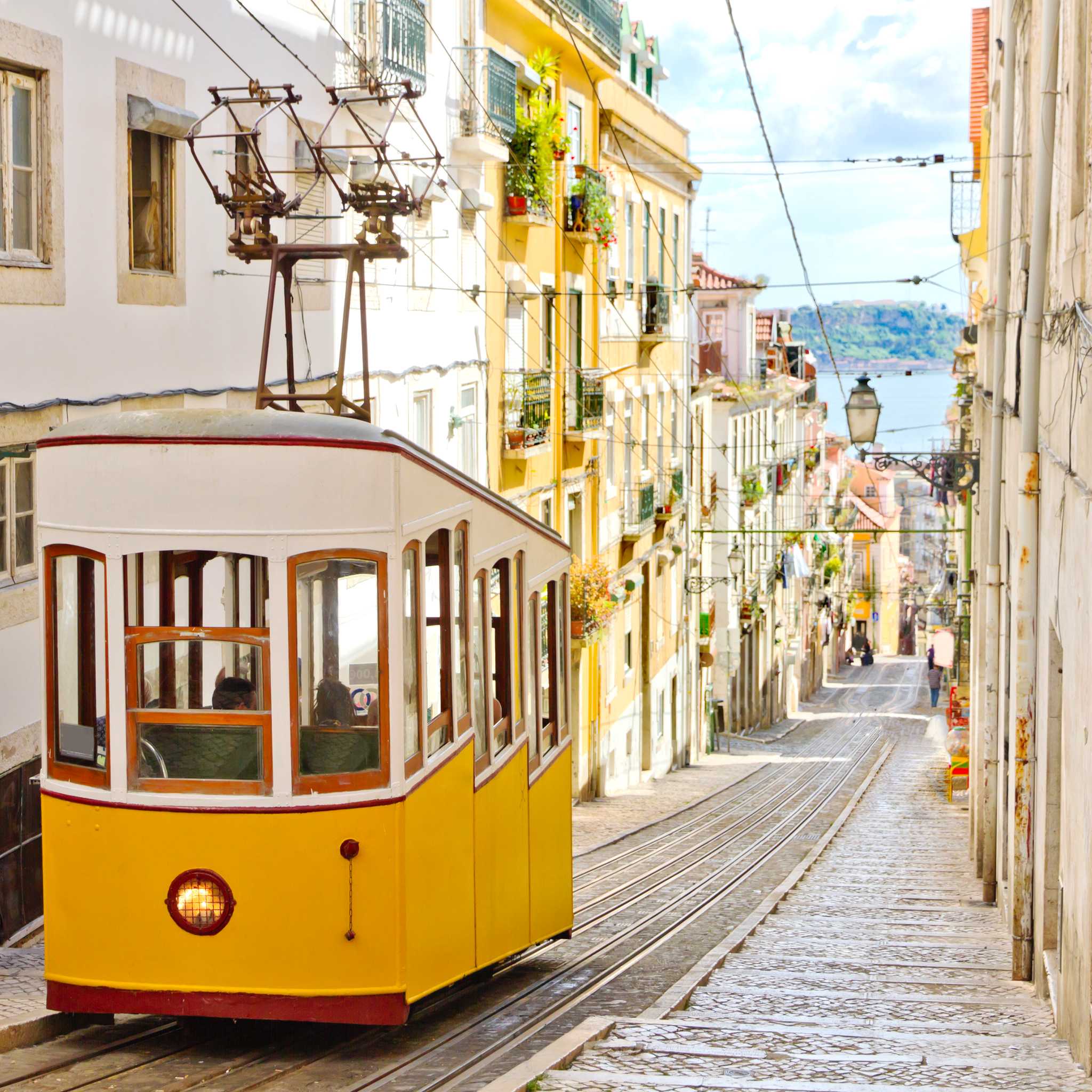
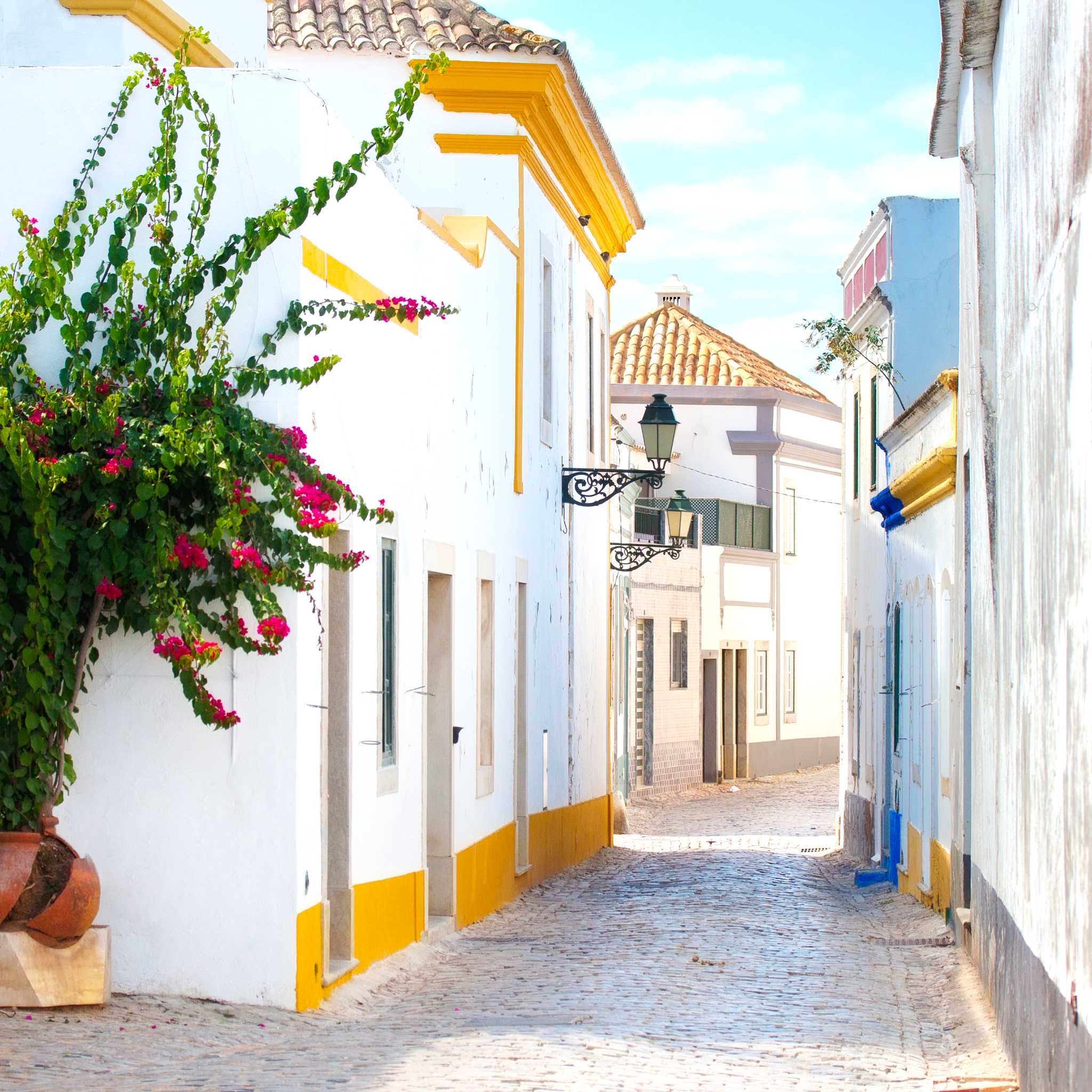
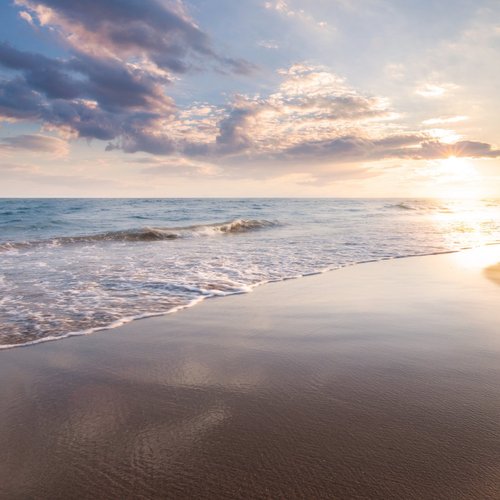
The town center and seafront promenade are compact and walkable, with a flat boardwalk along the beach. Some streets climb gently uphill, which can be tiring with strollers or wheelchairs. The promenade itself is smooth and accessible, and many restaurants sit at beach level. Comfortable shoes help on the cobbled sections.
Praia da Luz is considered very safe, with low crime and a calm, family-friendly atmosphere. Standard precautions apply: watch your belongings on the beach and in busy spots, and lock valuables in your accommodation. The supervised main beach has gentle, shallow water, though always follow flag warnings when swimming in the Atlantic.
Tipping in Portugal is appreciated but not required. In Praia da Luz restaurants, rounding up the bill or leaving about 5% to 10% for good service is common. For cafes and casual spots, leaving small change is enough. Service is rarely added automatically, so check your bill first.
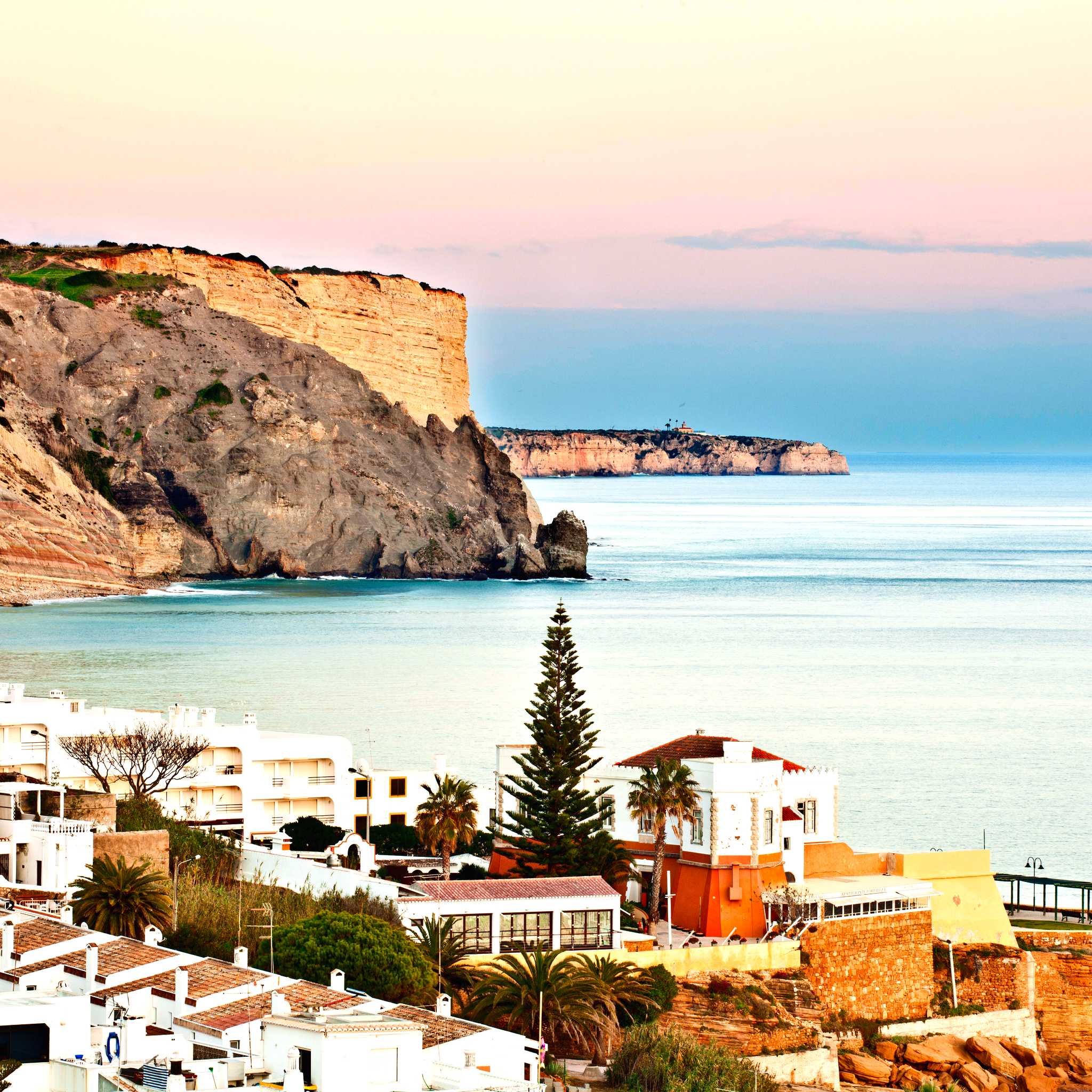
Start at the golden main beach and the towering Rocha Negra cliff, then visit the seafront Fortaleza da Luz and nearby Roman ruins. The lively town of Lagos, with its old center and sea grottoes, sits minutes away. Farther west, Sagres and Cape St. Vincent mark Europe's dramatic southwestern edge.
Portugal uses the euro (EUR). Most shops, restaurants and hotels in Praia da Luz and nearby Lagos accept cards, including contactless payments. ATMs, known locally as Multibanco, are easy to find. It is still smart to carry some cash for small cafes, beach kiosks and markets, where card minimums sometimes apply.
The official language of Portugal is Portuguese. In Praia da Luz and across the Algarve, English is widely spoken thanks to a large international community and decades of welcoming visitors. You will also hear German and French in many restaurants. Learning a few words is always appreciated by locals.
Seafood stars here. Try cataplana, a copper-pot stew of fish and shellfish, plus grilled sardines and fresh clams. Piri-piri chicken pairs well with local wine. Save room for pastel de nata, Portugal's famous custard tart, along with almond and fig sweets that reflect the Algarve's Moorish roots.
The warmest, driest months run from May through September, making them ideal for the beach and swimming. July and August are busiest, so expect crowds and higher prices. Spring and early autumn bring pleasant weather, fewer visitors and great conditions for clifftop walks. Winters are mild but quieter, with some businesses closed.